

Paper
Raluca Csernatoni, Alicia Wanless
{
  "authors": [
    "Alicia Wanless"
  ],
  "type": "legacyinthemedia",
  "centerAffiliationAll": "dc",
  "centers": [
    "Carnegie Endowment for International Peace"
  ],
  "collections": [],
  "englishNewsletterAll": "ctw",
  "nonEnglishNewsletterAll": "",
  "primaryCenter": "Carnegie Endowment for International Peace",
  "programAffiliation": "TIA",
  "programs": [
    "Technology and International Affairs"
  ],
  "projects": [],
  "regions": [
    "Iran"
  ],
  "topics": [
    "Security",
    "Technology"
  ]
}
REQUIRED IMAGE
Data access alone isn’t enough to address disinformation—research on the information environment must be accelerated through shared engineering infrastructure.

Senior Fellow, Technology and International Affairs, Director, Information Environment Project
Alicia is the director of the Information Environment Project and the author of The Information Animal: Humans, Technology and the Competition for Reality. Alicia was a technical advisor to the Aspen Institute’s Commission on Information Disorder and is a founding member of its Global Cybersecurity Group.
Recent Work

Raluca Csernatoni, Alicia Wanless



Sophia Besch, Steve Feldstein, Stewart Patrick, …
Carnegie does not take institutional positions on public policy issues; the views represented herein are those of the author(s) and do not necessarily reflect the views of Carnegie, its staff, or its trustees.
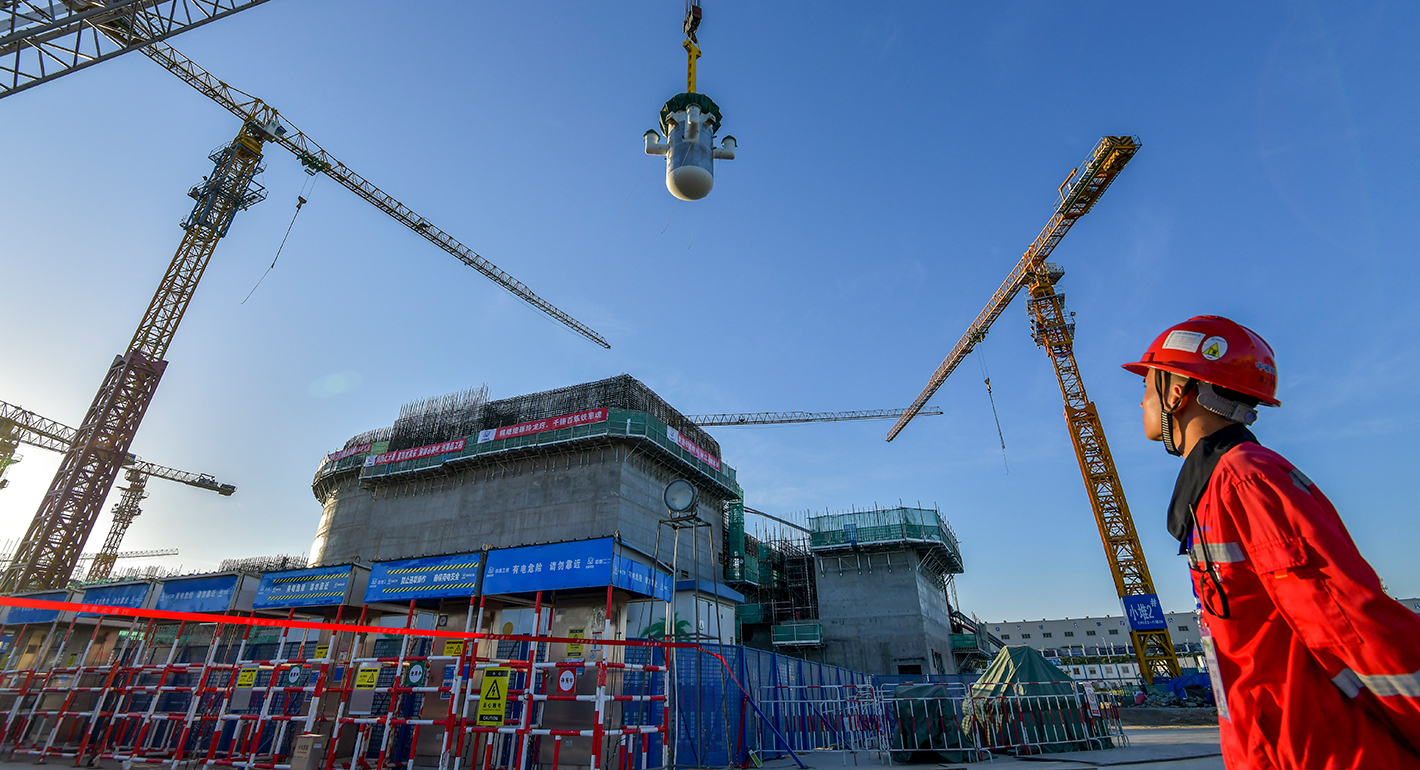
China has showcased its engineering prowess with small modular reactor demonstration projects. But turning these technological achievements into commercial success will be a greater challenge.
Tong Zhao
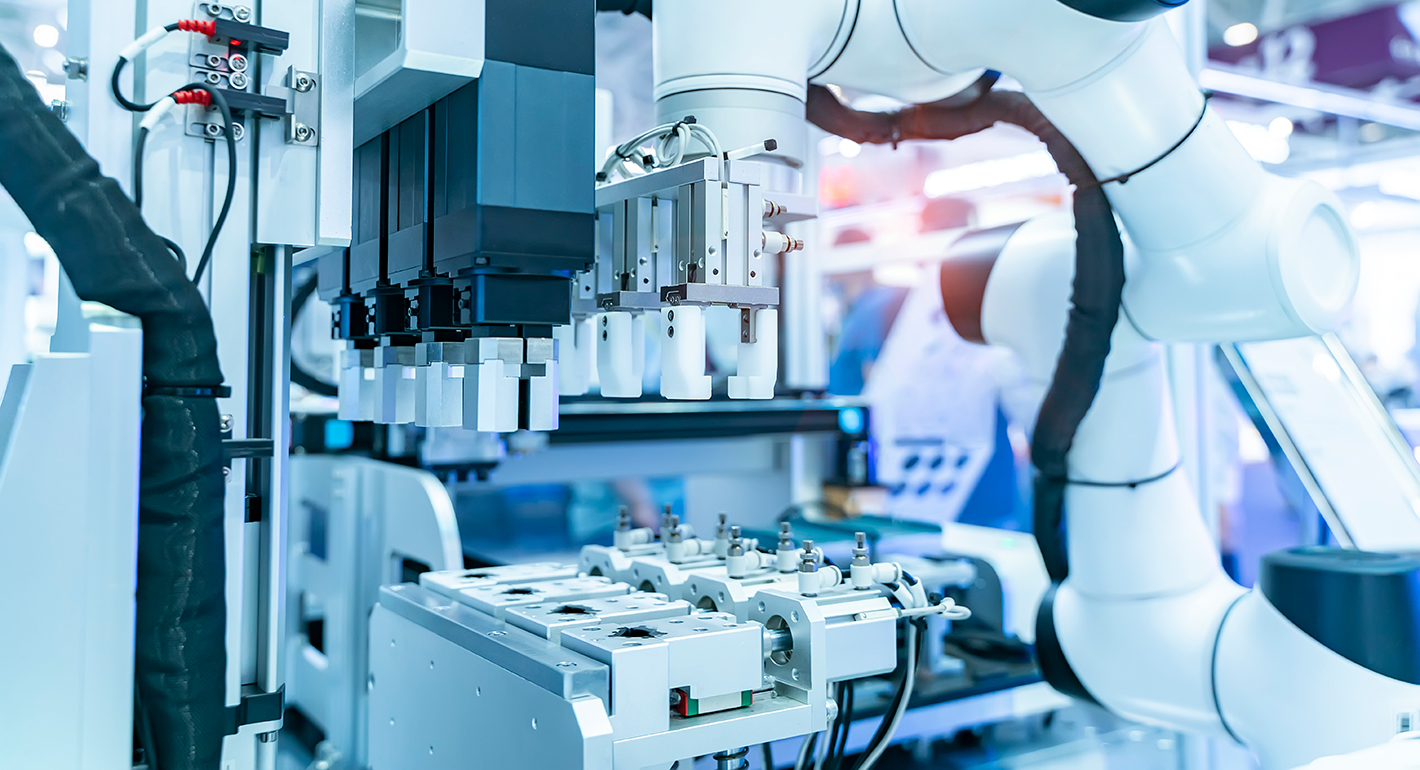
Chinese biotech companies have been on the receiving end of U.S. economic coercion. Yet their responses have differed significantly because firm and state interests are not uniformly aligned. For Washington, treating all Chinese tech firms the same, irrespective of their actual interests, risks pushing them farther into Beijing’s corner.

Xue Gong
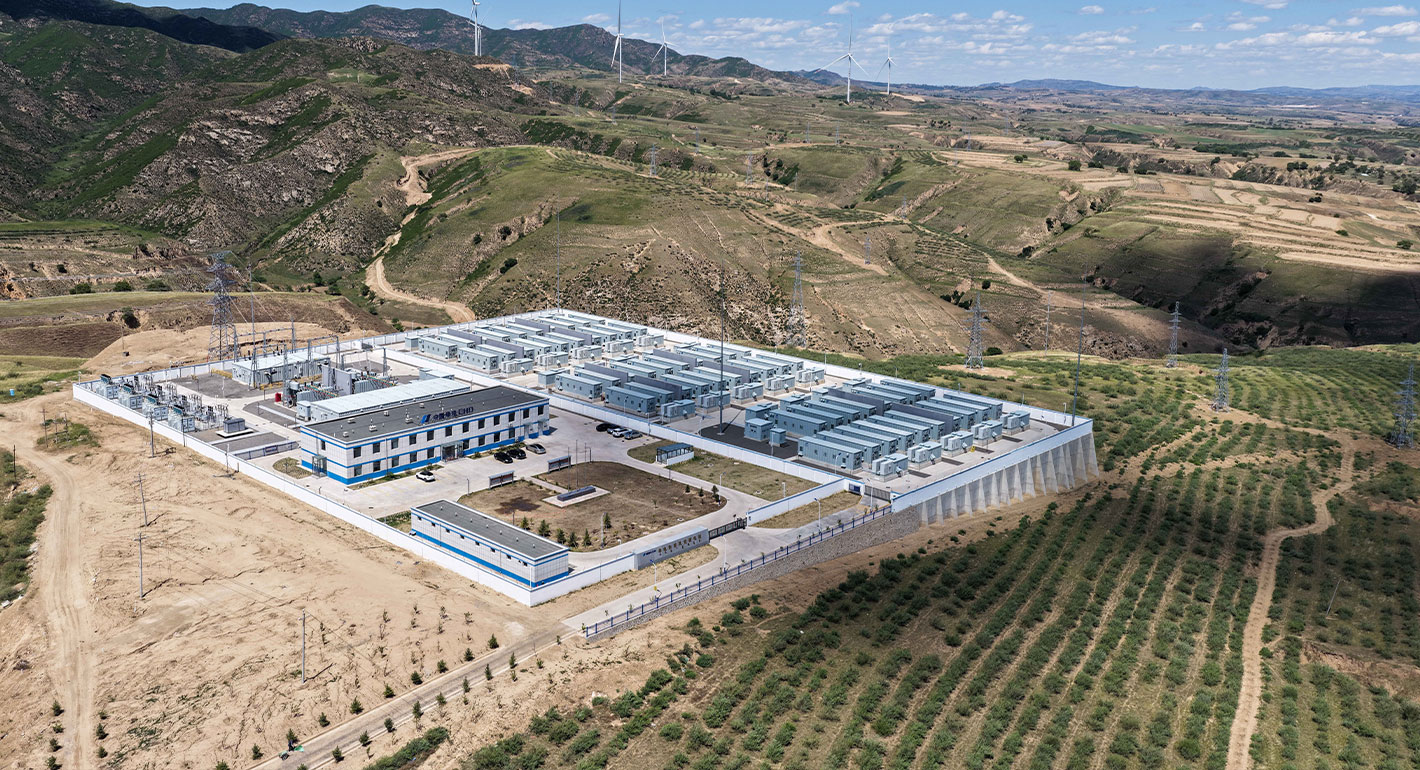
China’s latest energy plan explicitly calls for integrating data centers into the electricity system, particularly connecting them to green energy. It appears Beijing wants to use compute as a source of domestic demand to absorb renewables excess capacity.

Damien Ma
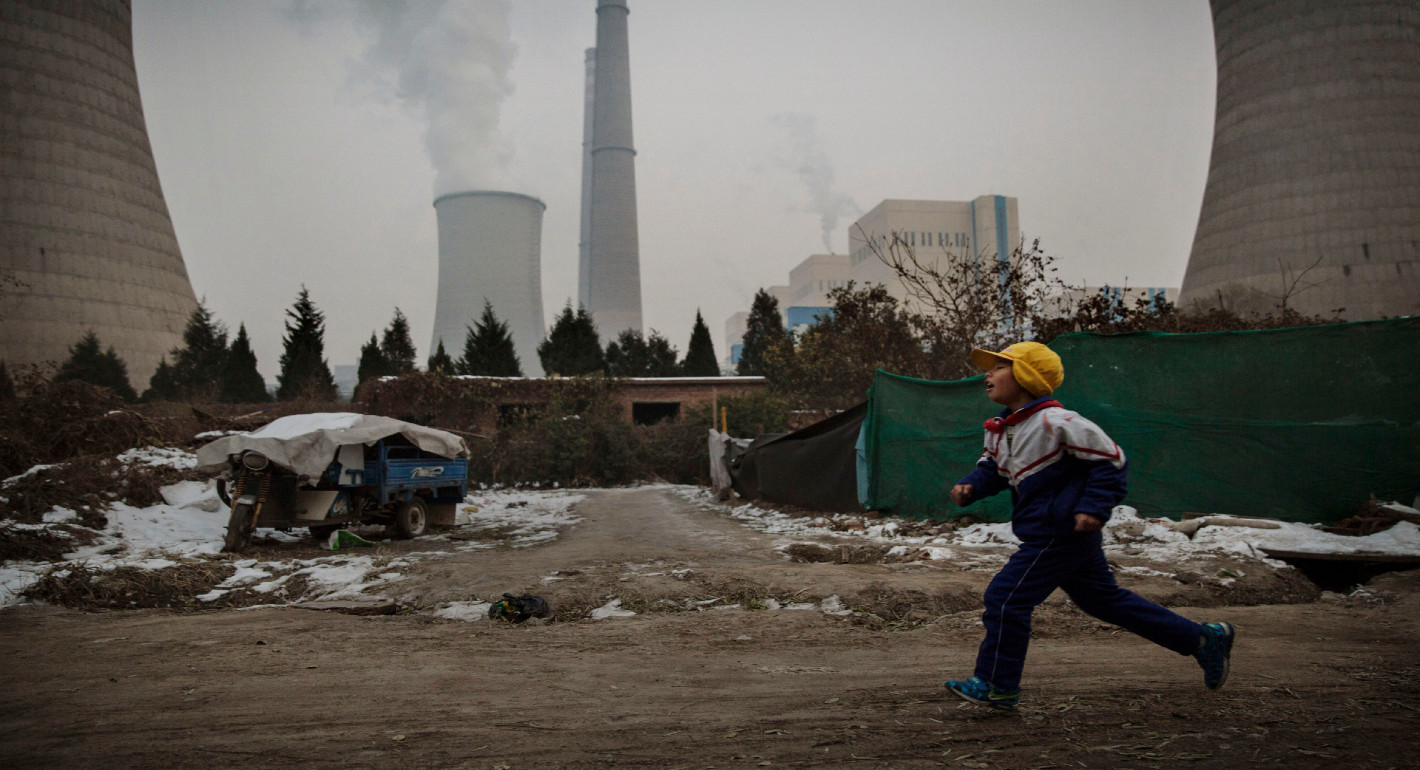
Across Asia, China is better positioned to withstand energy shocks from the fallout of the Iran war. Its abundant coal capacity can ensure stability in the near term. Yet at the same time, the country’s energy transition away from coal will make it even less vulnerable during the next shock.
Damien Ma
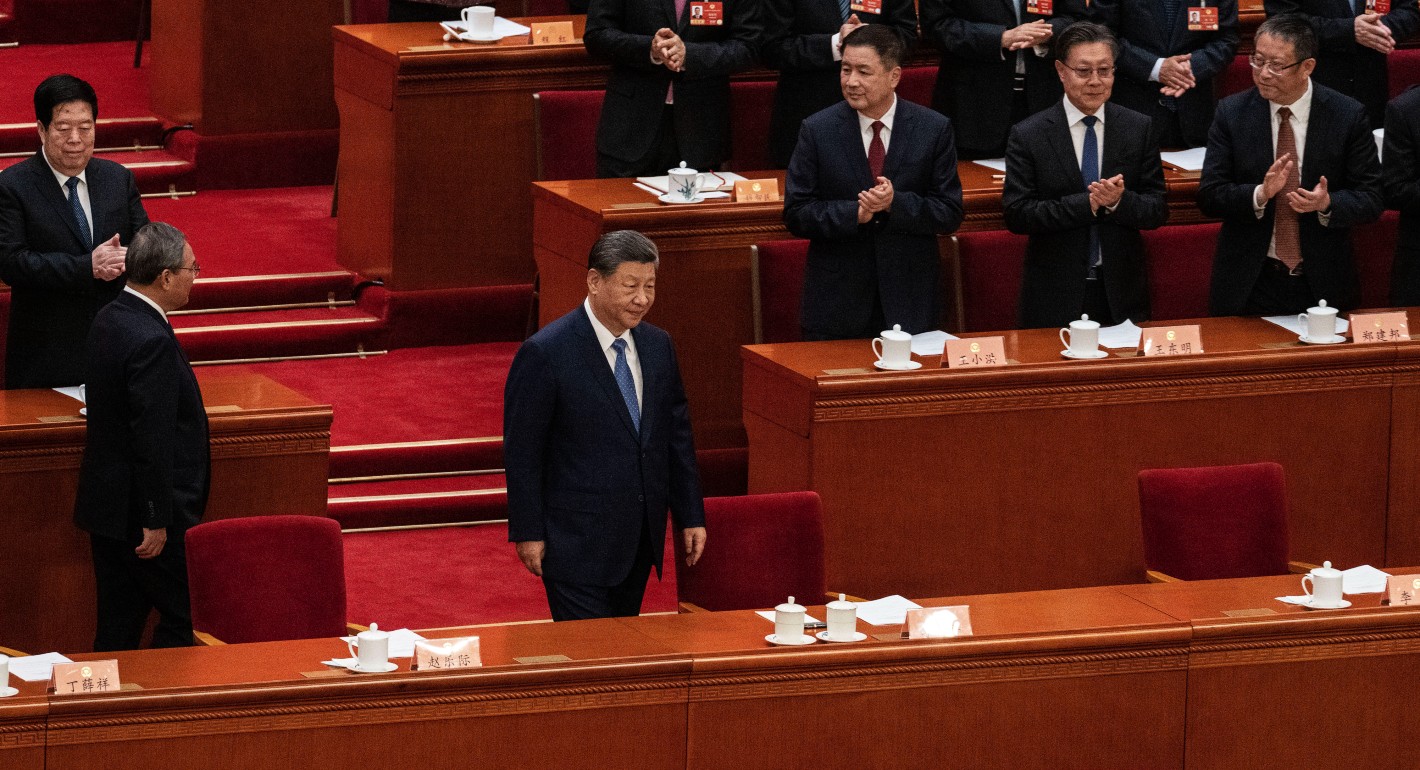
In the latest Five-Year Plan, the Chinese president cements the shift to an innovation-driven economy over a consumption-driven one.
Damien Ma