

In The Media
David Rothkopf

This comparative analysis of major efforts in Haiti, the Middle East, and Bosnia provides recommendations for better meeting the economic challenges of peace-building.
Source: Washington

This book is built around a detailed analysis of U.S. efforts in Bosnia-Herzegovina, in the Palestinian Territories, and in the Republic of Haiti. It assesses the effectiveness of U.S. strategic planning and the implementation of American economic plans in each of these situations, identifying areas where new approaches and programs may be needed to enhance the likelihood of success in the future.
With the resolution of regional conflicts looming as an increasingly important component of U.S. foreign policy and the concurrent unwillingness to expose U.S. forces to prolonged risk in these situations, post-conflict initiatives will prove to be more important than ever before. This book offers crucial insights into the challenges of promoting stability through the restoration of hope and opportunity to the victims of crises and provides a forward-looking assessment of the future demands and opportunities created in conjunction with the economic dimensions of peacekeeping.
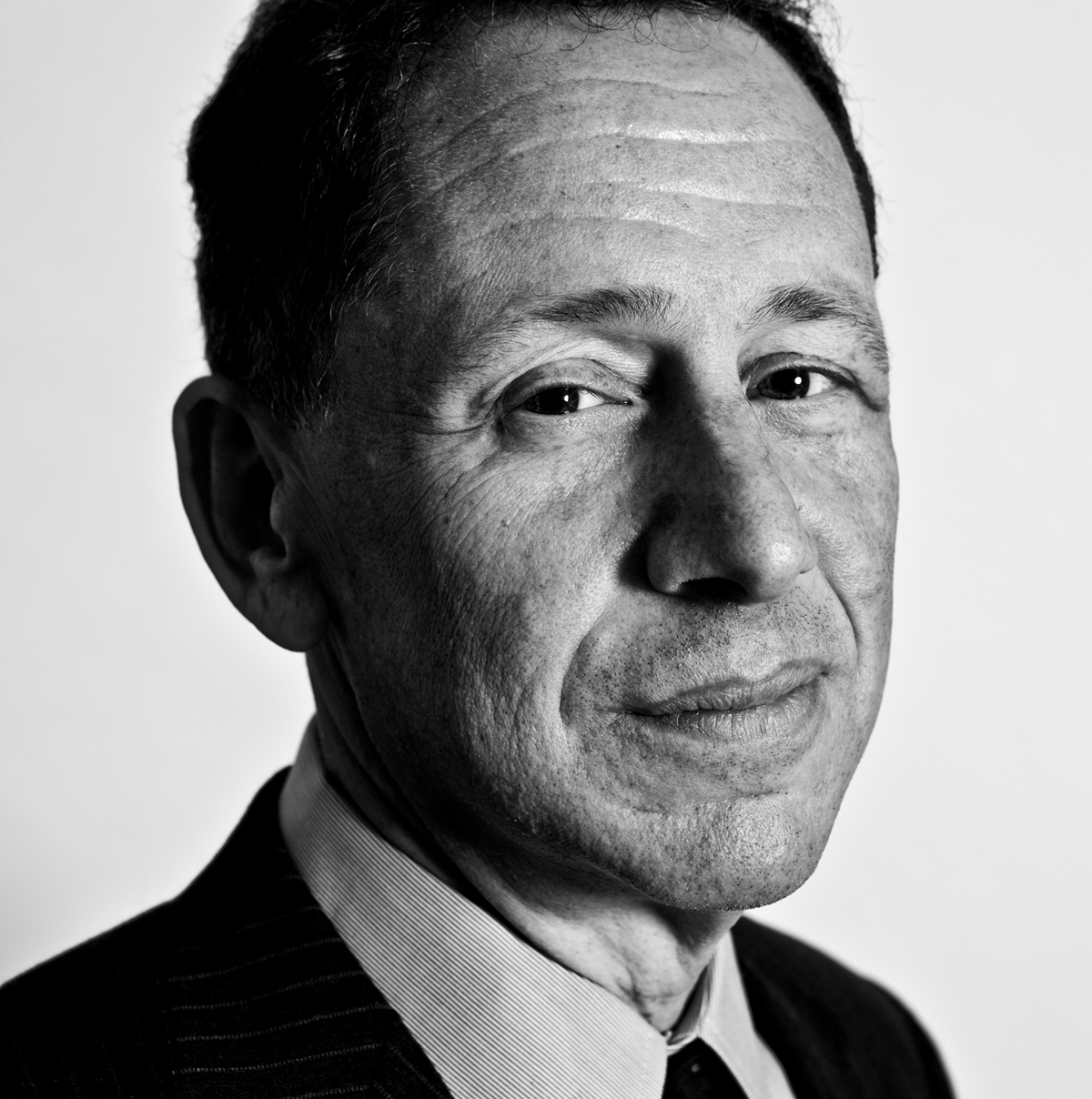
Former Visiting Scholar
David Rothkopf was a visiting scholar at the Carnegie Endowment as well as the former CEO and editor in chief of the FP Group.
Recent Work
David Rothkopf
David Rothkopf
Carnegie does not take institutional positions on public policy issues; the views represented herein are those of the author(s) and do not necessarily reflect the views of Carnegie, its staff, or its trustees.
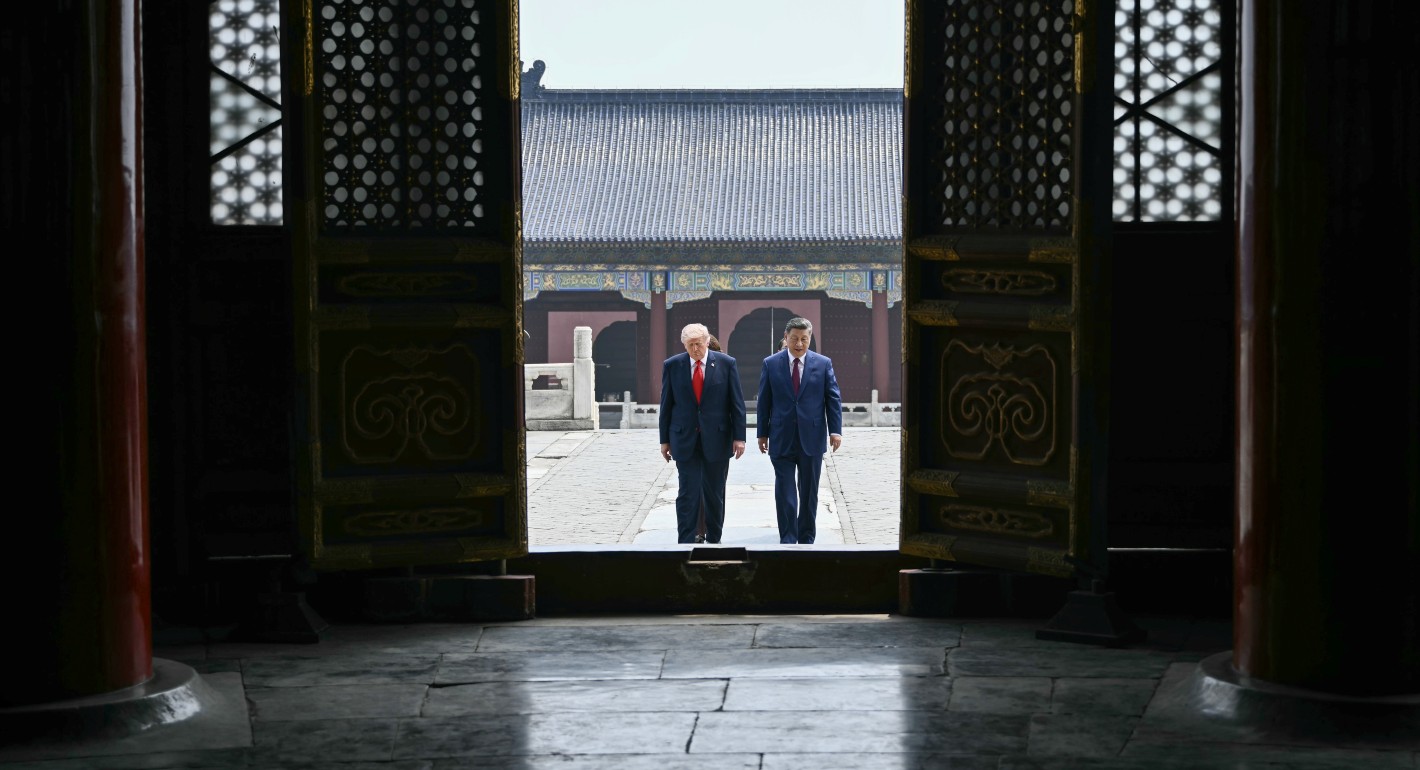
But their "principal to principal" model will only be as effective as the political strength of each leader back home.

Damien Ma
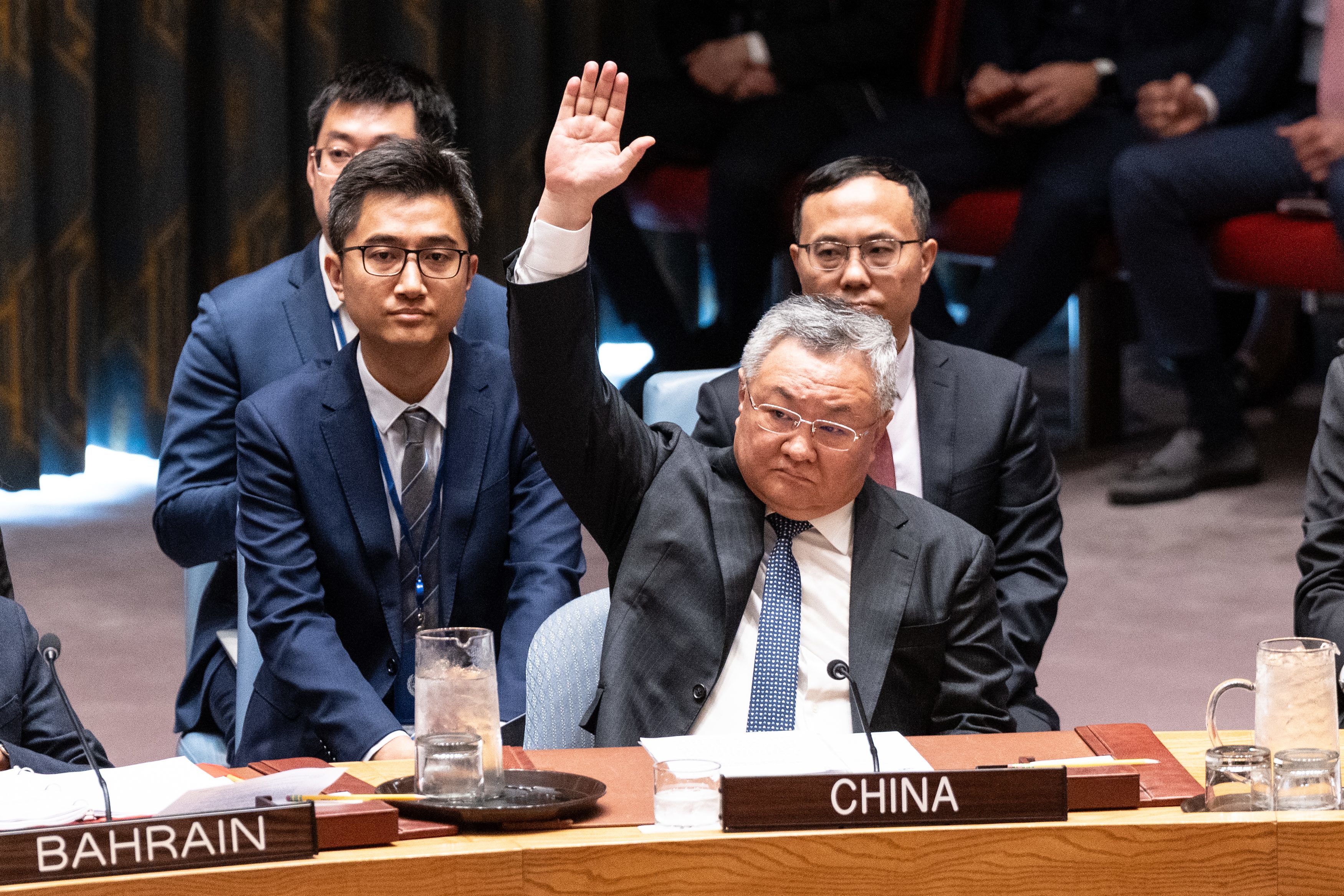
U.S. unpredictability has allowed China to capitalize on its positioning as the “responsible great power”. Paradoxically, the more China wins the perception game, the more likely expectations will rise for Beijing to deliver not just words but to demonstrate with its deeds.

Chong Ja Ian
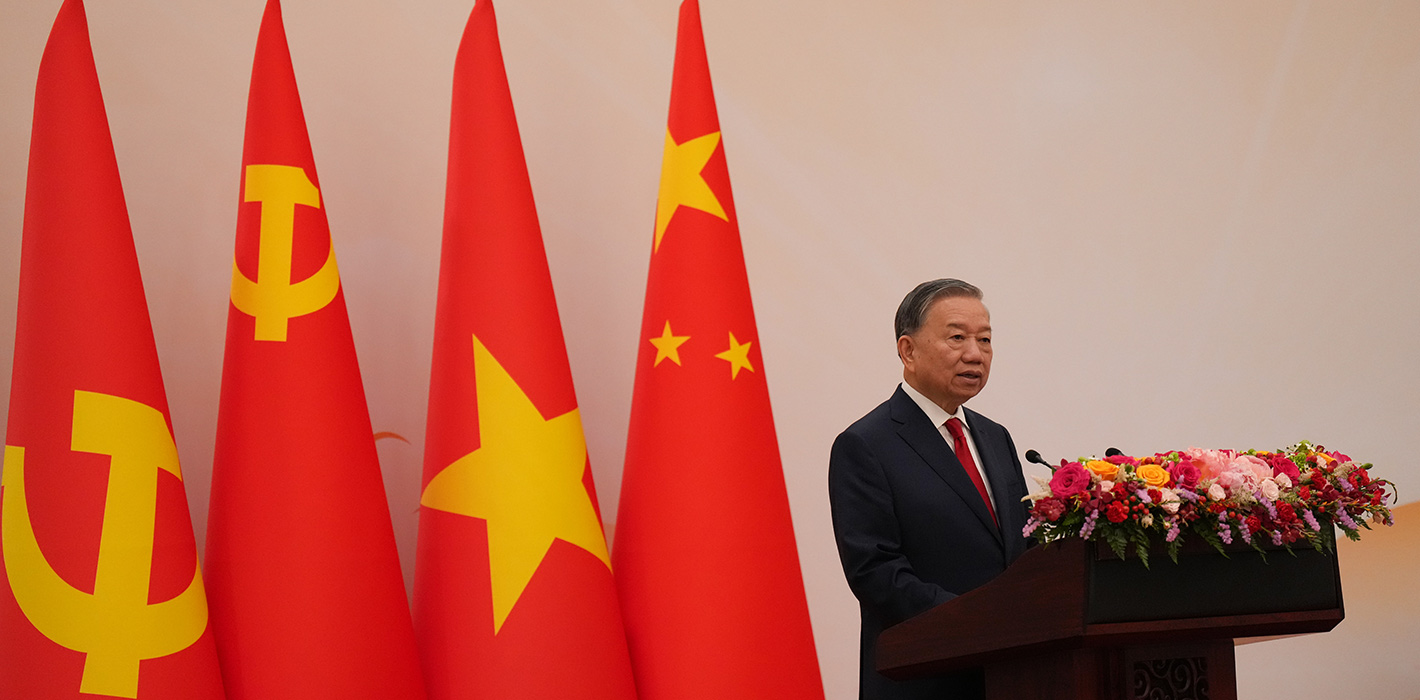
Hanoi and Beijing have long treated each other as distant cousins rather than comrades in arms. That might be changing as both sides draw closer to hedge against uncertainty and America’s erratic behavior.

Nguyễn Khắc Giang
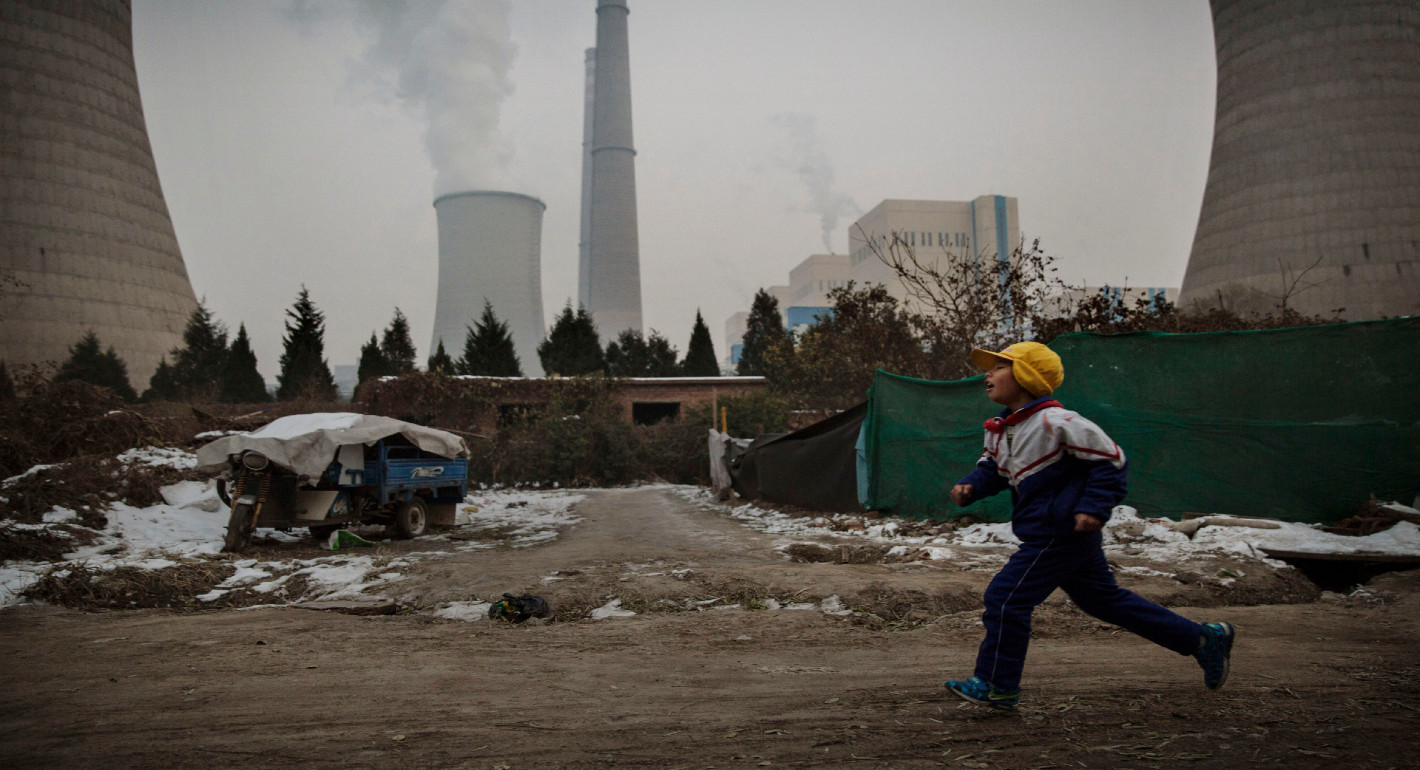
Across Asia, China is better positioned to withstand energy shocks from the fallout of the Iran war. Its abundant coal capacity can ensure stability in the near term. Yet at the same time, the country’s energy transition away from coal will make it even less vulnerable during the next shock.
Damien Ma
Malaysia’s chairmanship sought to fend off short-term challenges while laying the groundwork for minimizing ASEAN’s longer-term exposure to external stresses.

Elina Noor