

Commentary
Beijing is trying to navigate the overall situation regarding Ukraine, especially the substance of interactions between Washington and Moscow.
- +1
Ellen Nakashima, Zhao Long, Pavlo Klimkin, …

This book features chapters written by pairs of leading Russian and American scholars, and provides an overall assessment of what has been accomplished and what has failed since the collapse of the Soviet Union.
Source: Washington

Michael McFaul and Nikolai Petrov analyze the Russian elections since 1989 and assess voting behavior. Lilia Shevtsova and Martha Brill Olcott address the question of whether Russia has become a stable pluralist society. Valery Tishkov and Martha Brill Olcott focus on the nature of the Russian nation as well as regional relations. Russia has become a market economy, but what kind of capitalism is being formed? Anders Åslund and Mikhail Dmitriev examine the continuing challenge of economic reform. Sherman Garnett and Dmitri Trenin analyze Russia's relations with its nearest neighbor.

Former Senior Associate, Director, Russian and Eurasian Program

Former Senior Associate, Russia and Eurasia Program and, Co-director, al-Farabi Carnegie Program on Central Asia
Olcott is professor emerita at Colgate University, having taught political science there from 1974 to 2002. Prior to her work at the endowment, Olcott served as a special consultant to former secretary of state Lawrence Eagleburger.
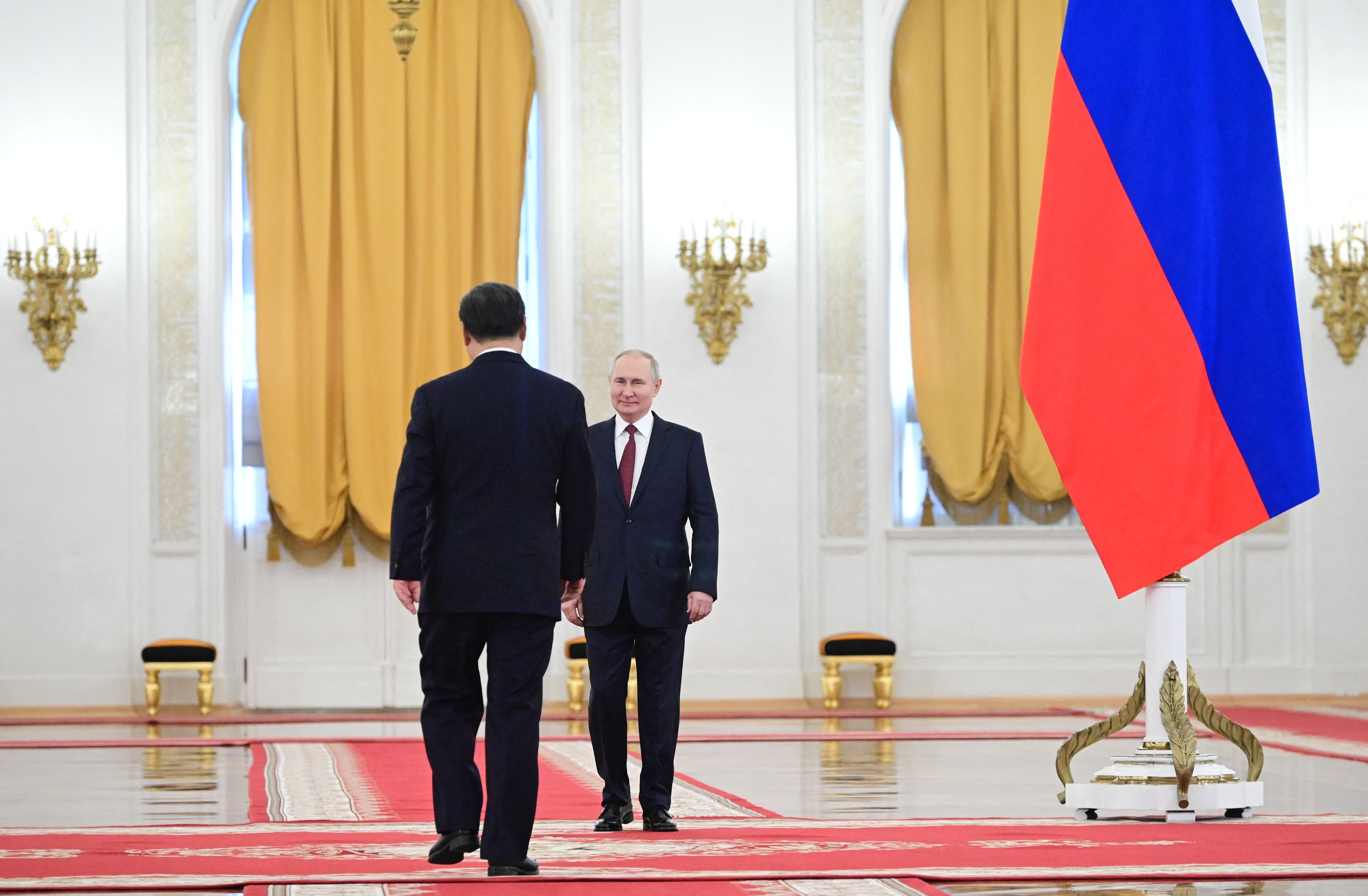
Beijing is trying to navigate the overall situation regarding Ukraine, especially the substance of interactions between Washington and Moscow.

Ellen Nakashima, Zhao Long, Pavlo Klimkin, …
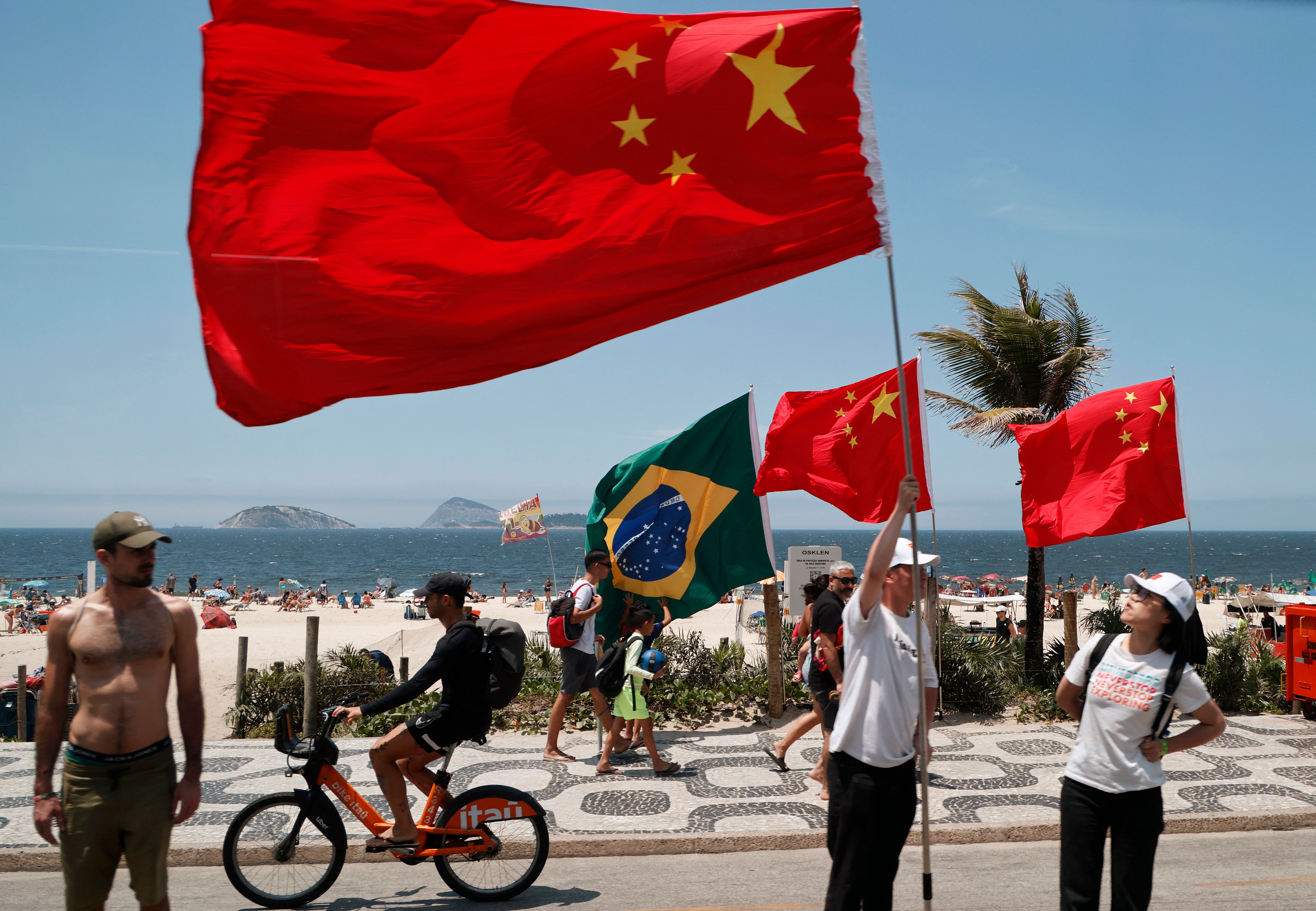
While China will remain a significant political and economic force in the Global South, its ambition to leverage the Global South as a counterbalance to the United States and the Global North is far from assured.

Xue Gong
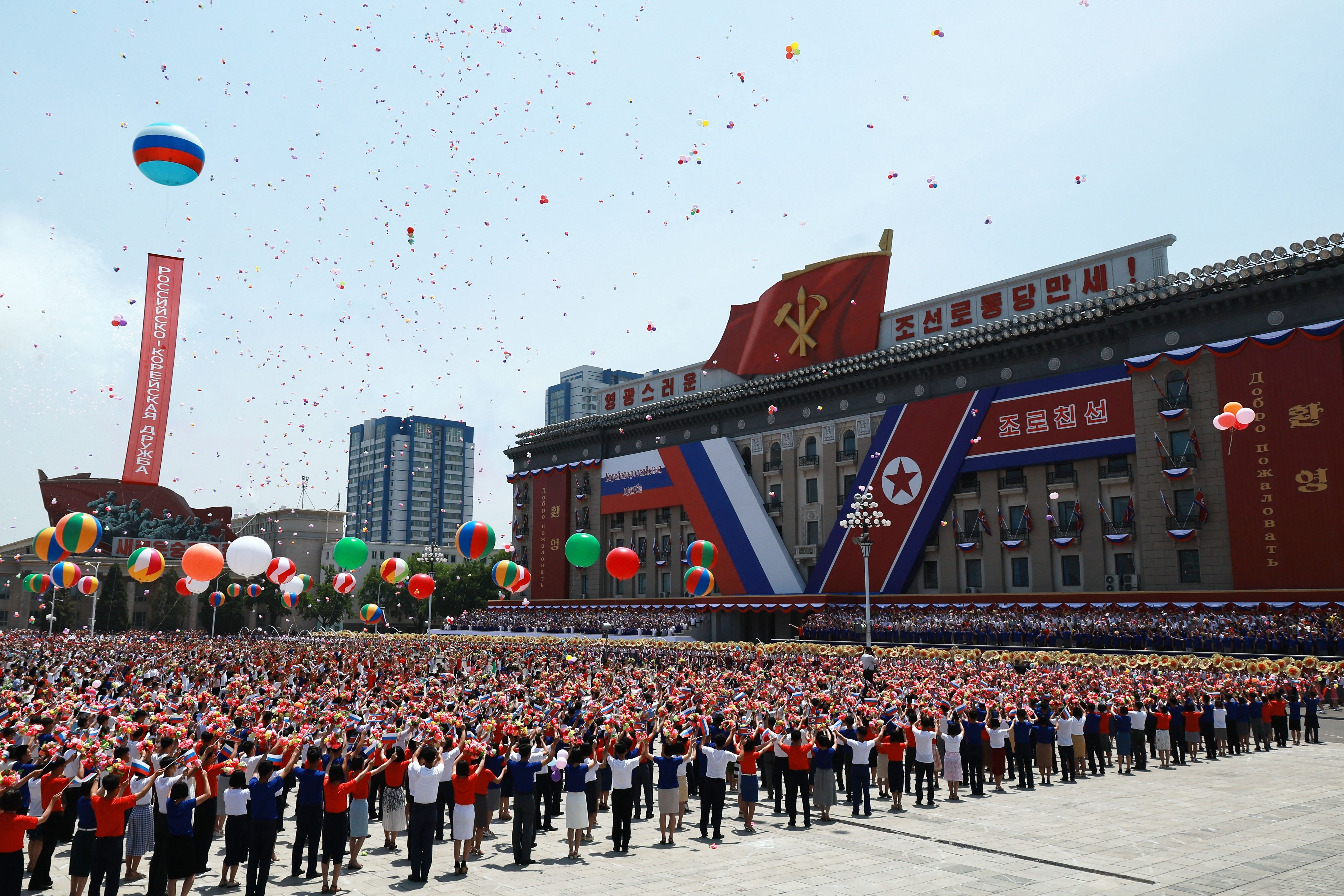
Faced with an increase in strategic maneuvering by Moscow and Pyongyang, Beijing will not sit idly by and allow Putin and Kim to shape the security environment on its behalf.

Tong Zhao
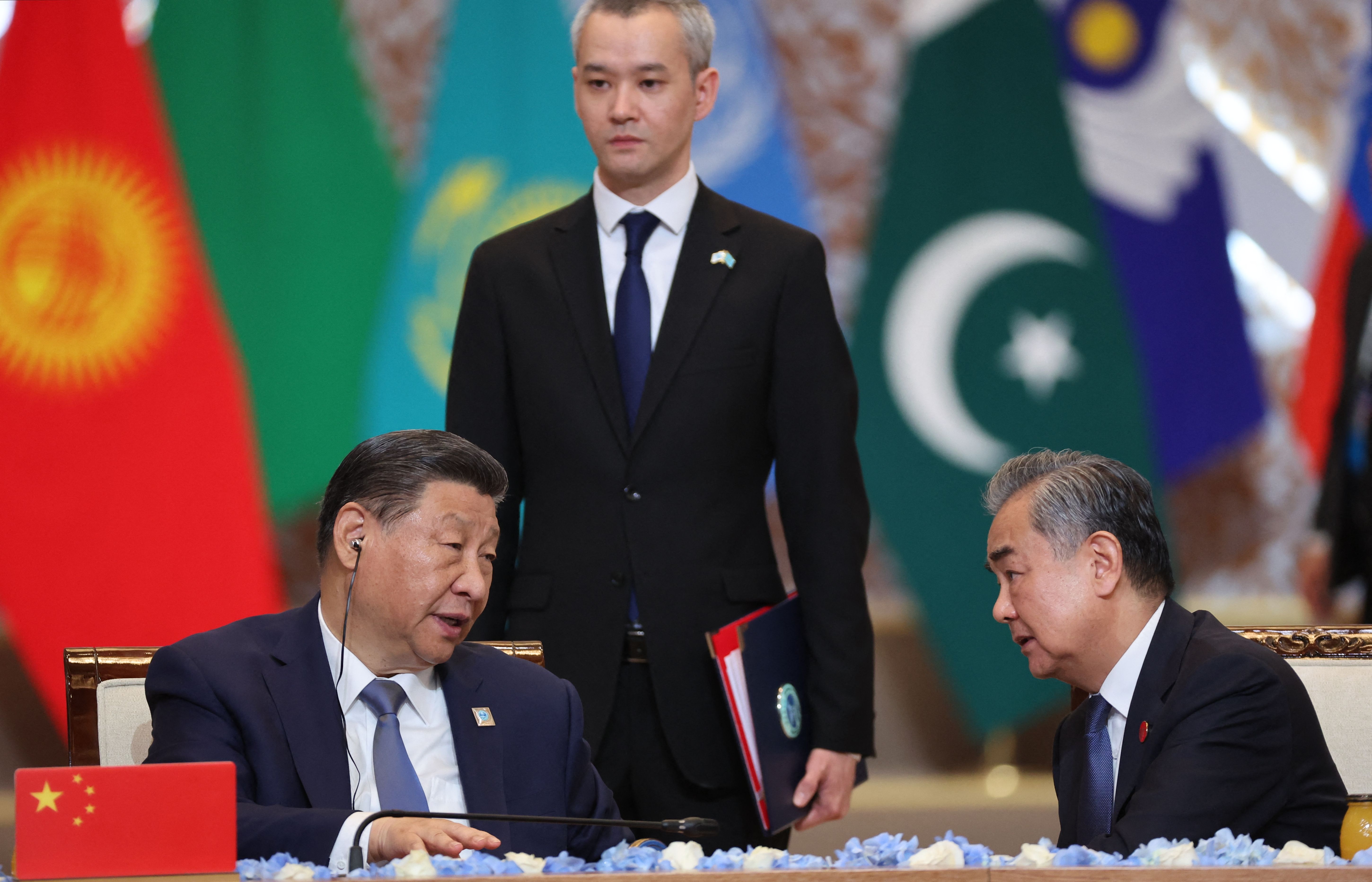
China’s growing attention to Central Asia is perceived as a harbinger of tectonic shifts in regional geopolitics.

Temur Umarov
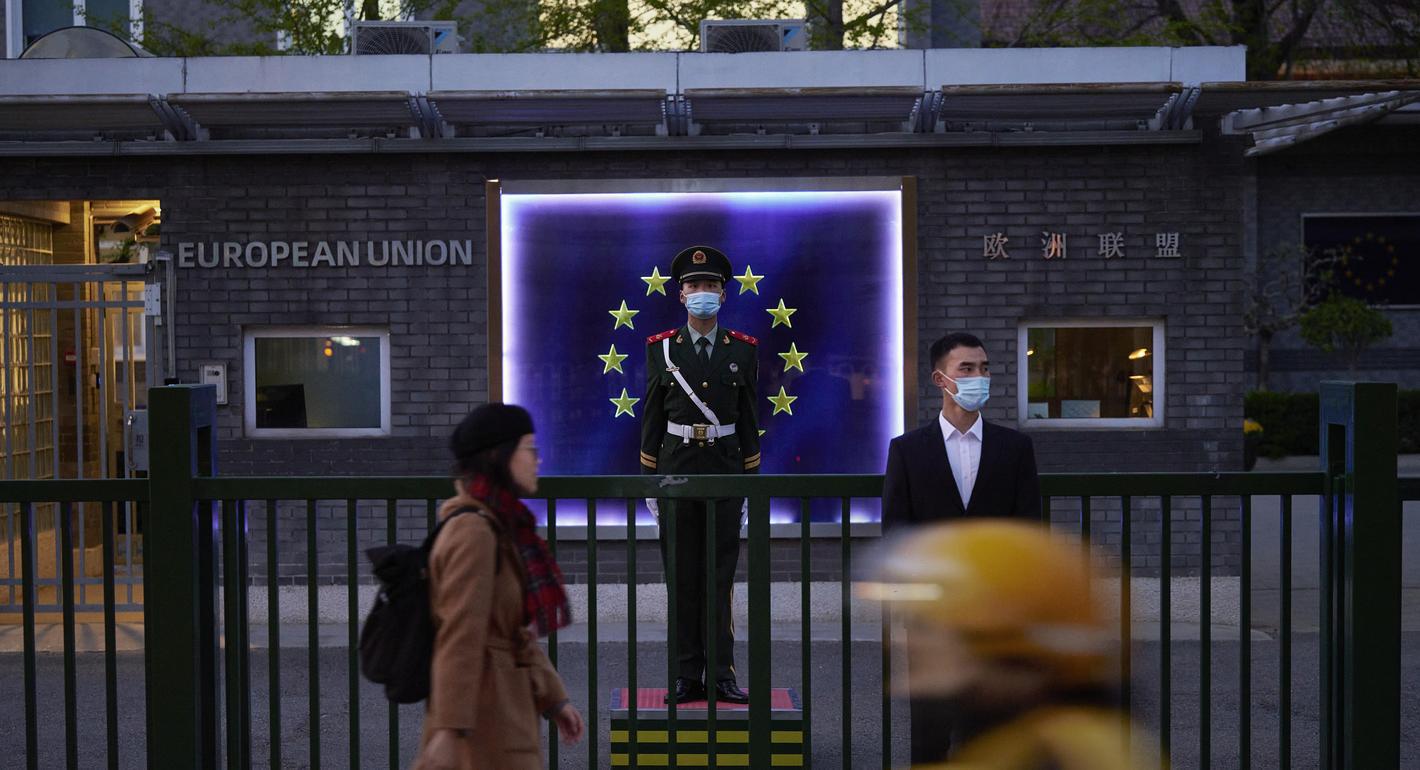
The Russian invasion of Ukraine is a turning point in the EU-China relationship, and evolution of the China-Russia relationship will continue to impact EU-China relations.
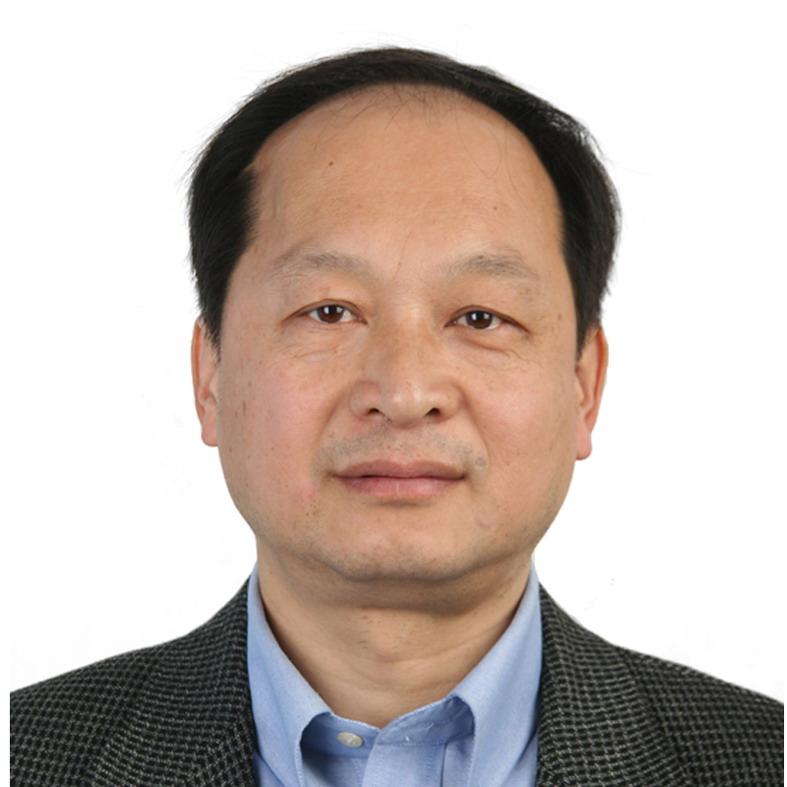
Yifan Ding, Alice Ekman