


Report
Nancy Birdsall, Rachel Menezes
Should the Multilateral Development Banks continue to lend to this group of countries or, instead, concentrate attention on poorer countries with little such access? Second, what purposes should this lending serve and under what conditions should it take place?
Source: Carnegie
|
|
Report of the Commission on the Role of the MDBs in the EMEs | |
| Commission Cochairs: José Angel Gurria and Paul Volcker | ||
| Pub Date: April 26, 2001 | ||

Transcript of the Press Conference, April 26
Transcript of the report luncheon with Paul Volcker, May 1
Does lending by the World Bank and the regional development banks to emerging markets still make sense? Skeptics argue that the banks are no longer relevant for countries with access to private capital. To examine this issue, the Carnegie Endowment for International Peace, EMP Financial Advisors, LLC, and the Inter-American Dialogue formed a commission, cochaired by former Mexican Finance Minister José Angel Gurria and former U.S. Federal reserve Chairman Paul Volcker, to assess the activities of the multilateral development banks (MDBs) in the emerging market economies.
The Commission addressed two central questions: Should the MDBs continue to lend to this group of countries or instead concentrate attention on poorer countries with little access to private capital? What purposes should this lending serve and under what conditions should it take place?
The report argues that the MDBs should continue to lend to the emerging market economies as an integral part of their ongoing role in the years ahead. At the same time, Commission members recommend changes on long-standing MDB approaches toward the emerging market economies more appropriate to today's global economy.
Former Senior Associate
Recent Work
Nancy Birdsall, Rachel Menezes
Nancy Birdsall

China’s political future will be shaped between now and next October. As the Communist Party enters its intense “campaign season” to prepare for a major political transition in 2027, reading Beijing's actions and responses may become more difficult as domestic politics weigh on its behavior more than usual.

Damien Ma
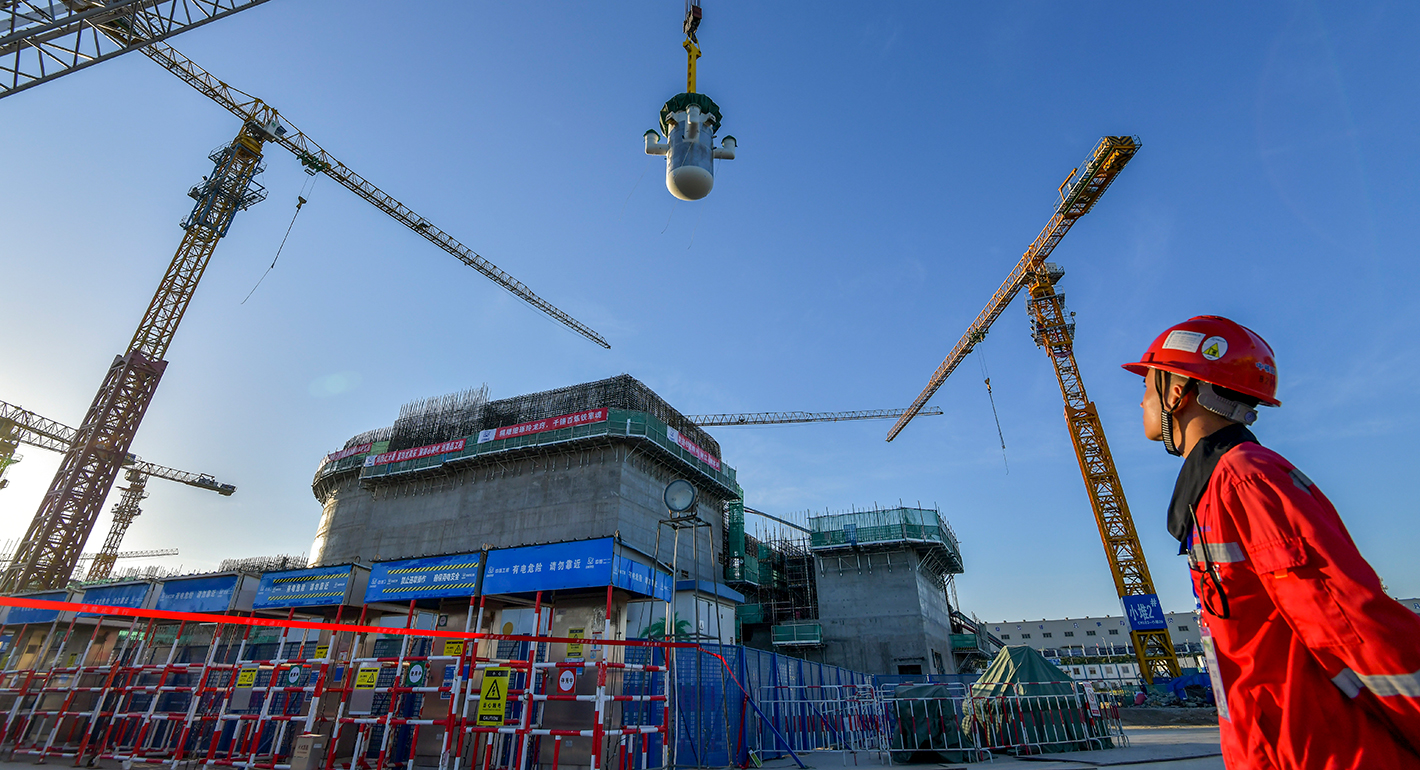
China has showcased its engineering prowess with small modular reactor demonstration projects. But turning these technological achievements into commercial success will be a greater challenge.

Tong Zhao

The Plaza Accord was not an externally imposed punishment of Japan but part of a broader restructuring that Japanese economists and policymakers themselves recognized was necessary. Its effects were undermined, however, when Tokyo responded to the resulting slowdown with policies that exacerbated investment, credit expansion, and the very imbalances the adjustment was intended to resolve.

Michael Pettis

The nuclear relationship between China and the United States is increasingly shaped by widening perception gaps rather than deliberate strategic design.
Tong Zhao
China’s banking crisis in the 2000s was resolved by transferring the costs to households through financial repression—a decision that recapitalized the banks while exacerbating the structural imbalances that continue to shape the Chinese economy today.
Michael Pettis