

Article
Marina Ottaway, Omar Hossino

REQUIRED IMAGE
Source: Carnegie
Summary
After decades of giving relatively little attention to the possibility and problems of democracy in the Middle East, the U.S. foreign policy community has in the past year elevated the issue to a position of central importance. In this working paper, Marina Ottaway highlights a problem of fundamental significance—the lack of credibility that the United States has in the Arab world when it presents itself as a pro-democratic actor.
Although many Americans may feel that America's bona fides as a pro-democratic actor are unquestionable, the stubborn fact remains that many people in other parts of the world, especially the Middle East, have a different opinion. If left unaddressed, this credibility gap will undermine even the most well-intentioned efforts by the United States to promote positive political change in the region. While recognizing that there are no instant solutions to this problem, the paper identifies ways the United States can begin to alleviate the gap and in so doing pave the way for a genuine, lasting democratic engagement with the Middle East.
Click on link above for full text of this Carnegie Paper.
This is the first in a series of working papers that will frame key issues relating to democracy promotion policies and programs in the Middle East.
About the Author
Marina Ottaway is senior associate in the Democracy and Rule of Law Project at the Carnegie Endowment. Her new book, Democracy Challenged: The Rise of Semi-Authoritarianism, a comparative study of semiauthoritarian regimes in Africa, the Caucasus, Latin America, and the Middle East, was published in January 2003.
Also by Marina Ottaway:
Africa's New Leaders: Democracy or State Reconstruction? (1999)
Funding Virtue: Civil Society Aid and Democracy Promotion (2000), coedited with Thomas Carothers
Democratic Mirage in the Middle East (Carnegie Endowment Policy Brief No. 20), coauthored with Thomas Carothers, Amy Hawthorne, and Daniel Brumberg
Available only online.
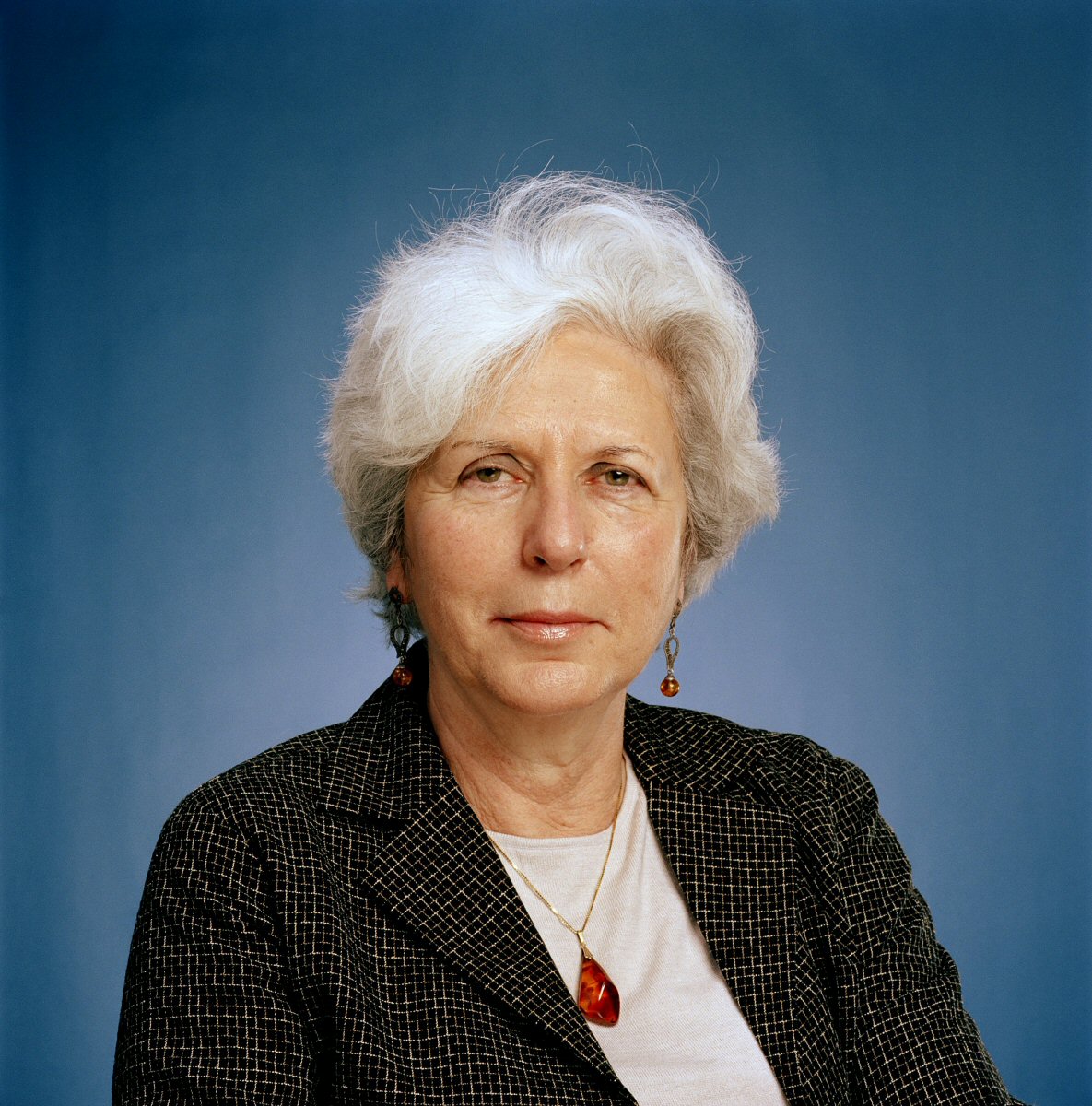
Former Senior Associate, Middle East Program
Before joining the Endowment, Ottaway carried out research in Africa and in the Middle East for many years and taught at the University of Addis Ababa, the University of Zambia, the American University in Cairo, and the University of the Witwatersrand in South Africa.
Recent Work
Marina Ottaway, Omar Hossino
Marina Ottaway
Carnegie does not take institutional positions on public policy issues; the views represented herein are those of the author(s) and do not necessarily reflect the views of Carnegie, its staff, or its trustees.

The Thai-Cambodian conflict highlights the limits to China's peacemaker ambition and the significance of this role on Southeast Asia’s balance of power.

Pongphisoot (Paul) Busbarat

Beijing believes that Washington is overestimating its own leverage and its ability to handle the trade war’s impacts.


Rick Waters, Sheena Chestnut Greitens
Tapping our network of China experts in the region, Carnegie China offers this latest “China Through a Southeast Asian Lens” report to offer preliminary assessments of whether the U.S. effort to reshape the global trading order will lead countries in the region to tilt toward Beijing.


Selina Ho, Khin Khin Kyaw Kyee, Joseph Ching Velasco, …
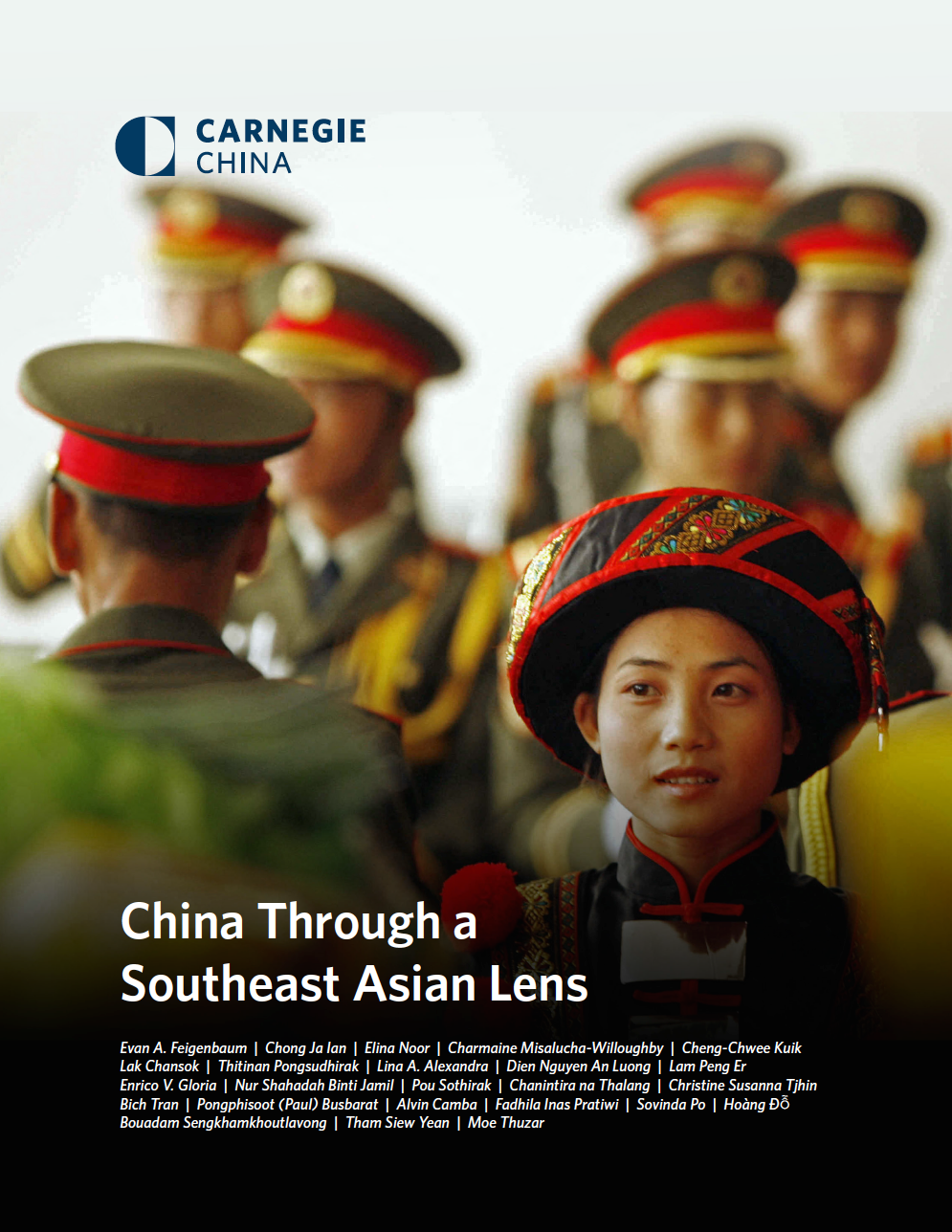
Because strategic, economic, and ideological perceptions of China contain multiple, sometimes contradictory facets in Southeast Asia, receptions of and responses to Beijing diverge across and within state lines.



Evan A. Feigenbaum, Chong Ja Ian, Elina Noor
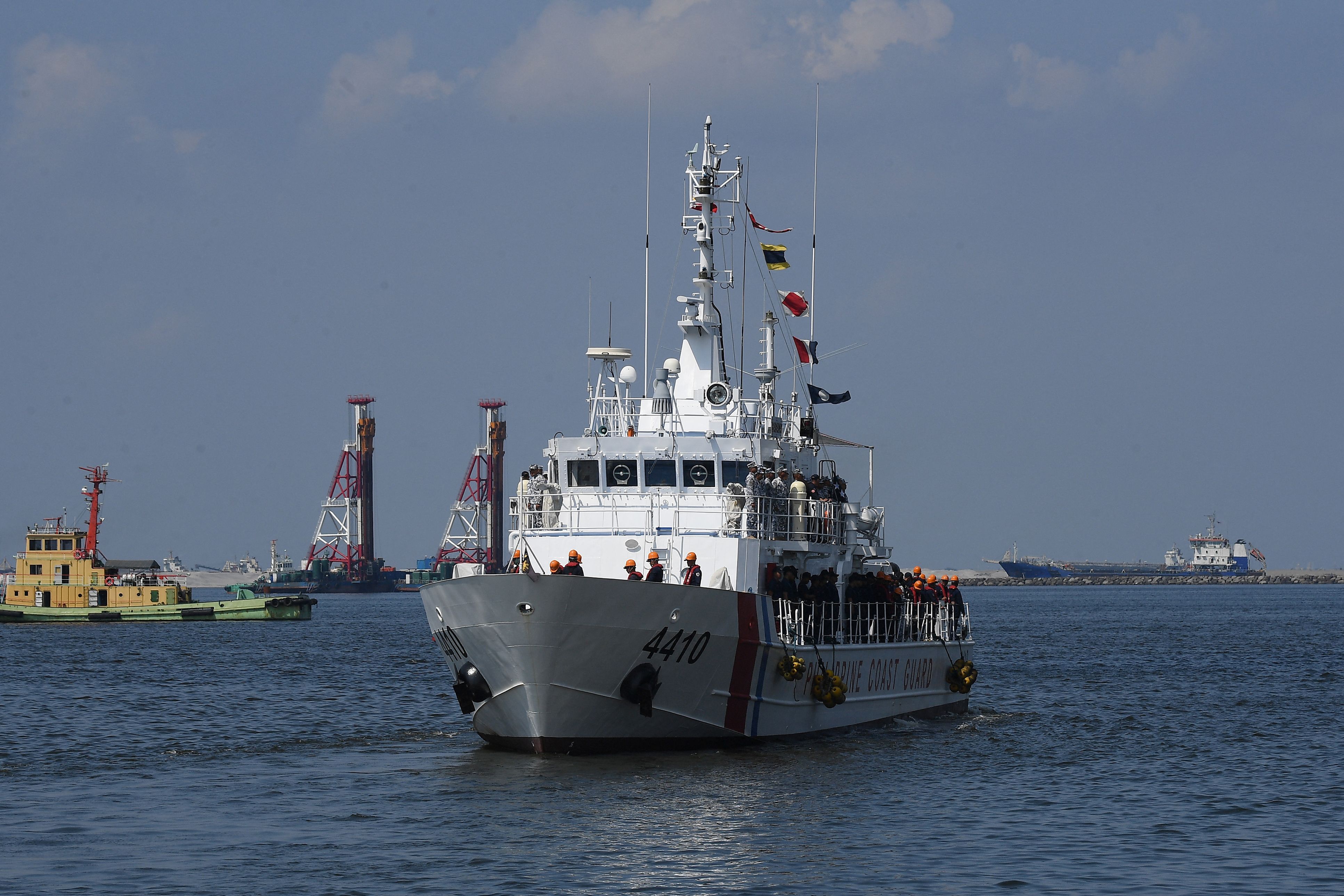
Most Southeast Asian states behave as if the actions of their Northeast Asian neighbors and the Philippines will be sufficient to maintain a regional status quo from which they can benefit.
Chong Ja Ian