

Commentary
In the latest Five-Year Plan, the Chinese president cements the shift to an innovation-driven economy over a consumption-driven one.
Damien Ma

REQUIRED IMAGE
Within a few years, ten former communist countries are supposed to become members of the European Union (EU). The question immediately arises what this enlargement of the EU will mean to the twelve former Soviet countries of the Commonwealth of Independent States (CIS). The effects will be many and multifaceted, both qualitative and quantitative.
Source: Carnegie
Summary
Within a few years, ten former communist countries are supposed to become members of the European Union (EU). The question immediately arises what this enlargement of the EU will mean to the twelve former Soviet countries of the Commonwealth of Independent States (CIS). The effects will be many and multifaceted, both qualitative and quantitative.
This paper deals with the impact of the current EU enlargement on the CIS countries. The authors discuss the major issues, namely GDP growth, trade, financial flows, migration, and the impact on the overall economic system.
Click on link above for full text of this Carnegie Paper.
About the Authors
Anders Åslund is senior associate in the Russian and Eurasian Program at the Carnegie Endowment. Andrew Warner is an economist at the National Bureau for Economic Research.
A limited number of print copies are available.
Request a copy.

Former Senior Associate, Director, Russian and Eurasian Program
Andrew Warner
Carnegie does not take institutional positions on public policy issues; the views represented herein are those of the author(s) and do not necessarily reflect the views of Carnegie, its staff, or its trustees.
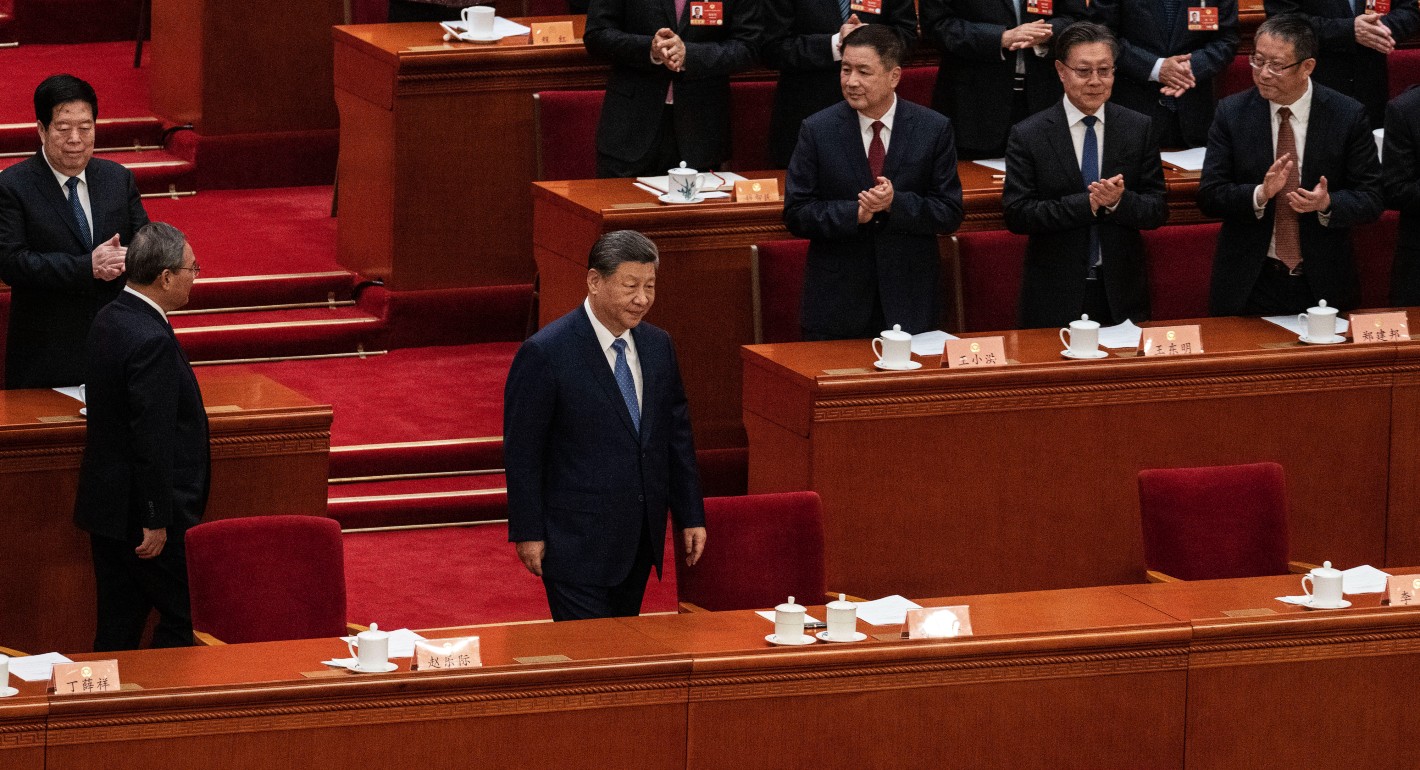
In the latest Five-Year Plan, the Chinese president cements the shift to an innovation-driven economy over a consumption-driven one.

Damien Ma

Regulation, not embargo, allows Beijing to shape how other countries and firms adapt to its terms.

Alvin Camba
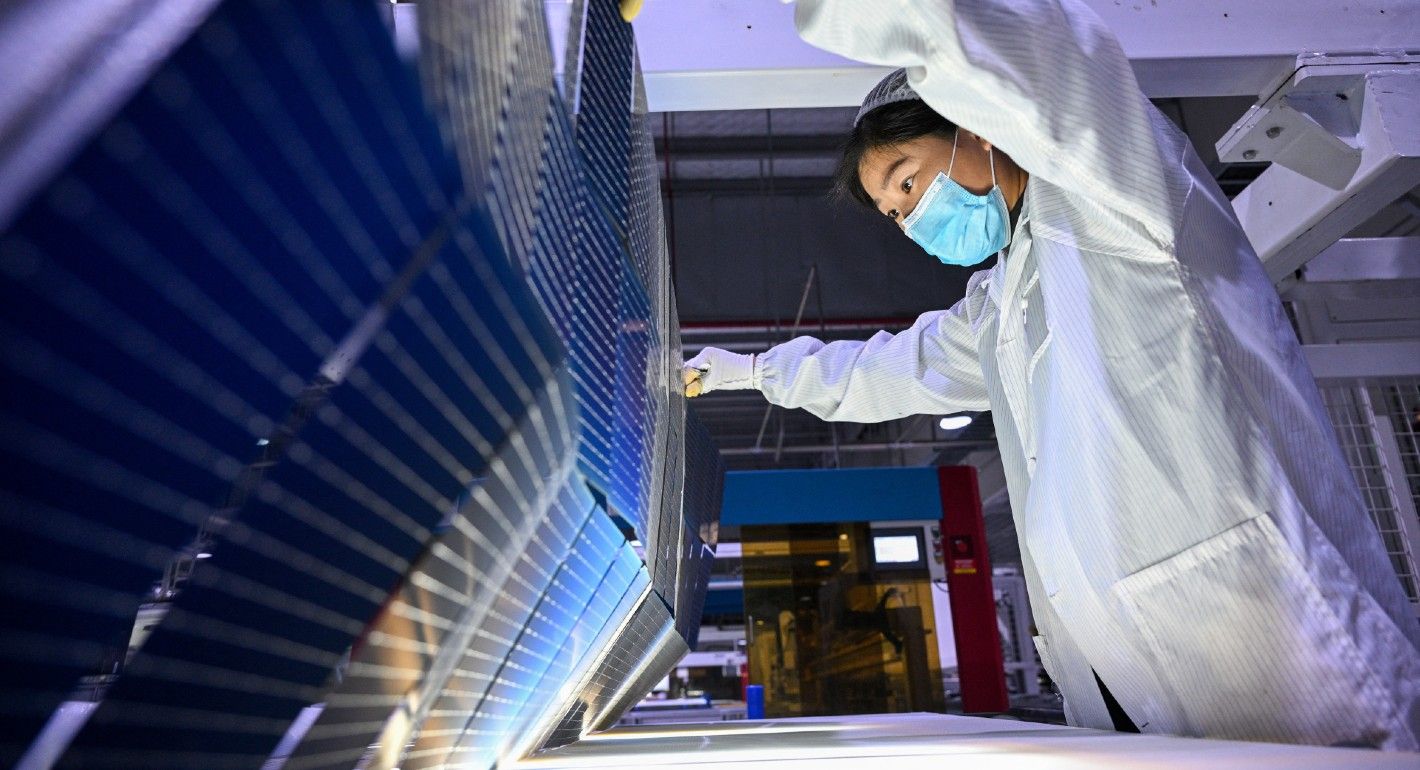
Rather than climate ambitions, compatibility with investment and exports is why China supports both green and high-emission technologies.

Mathias Larsen
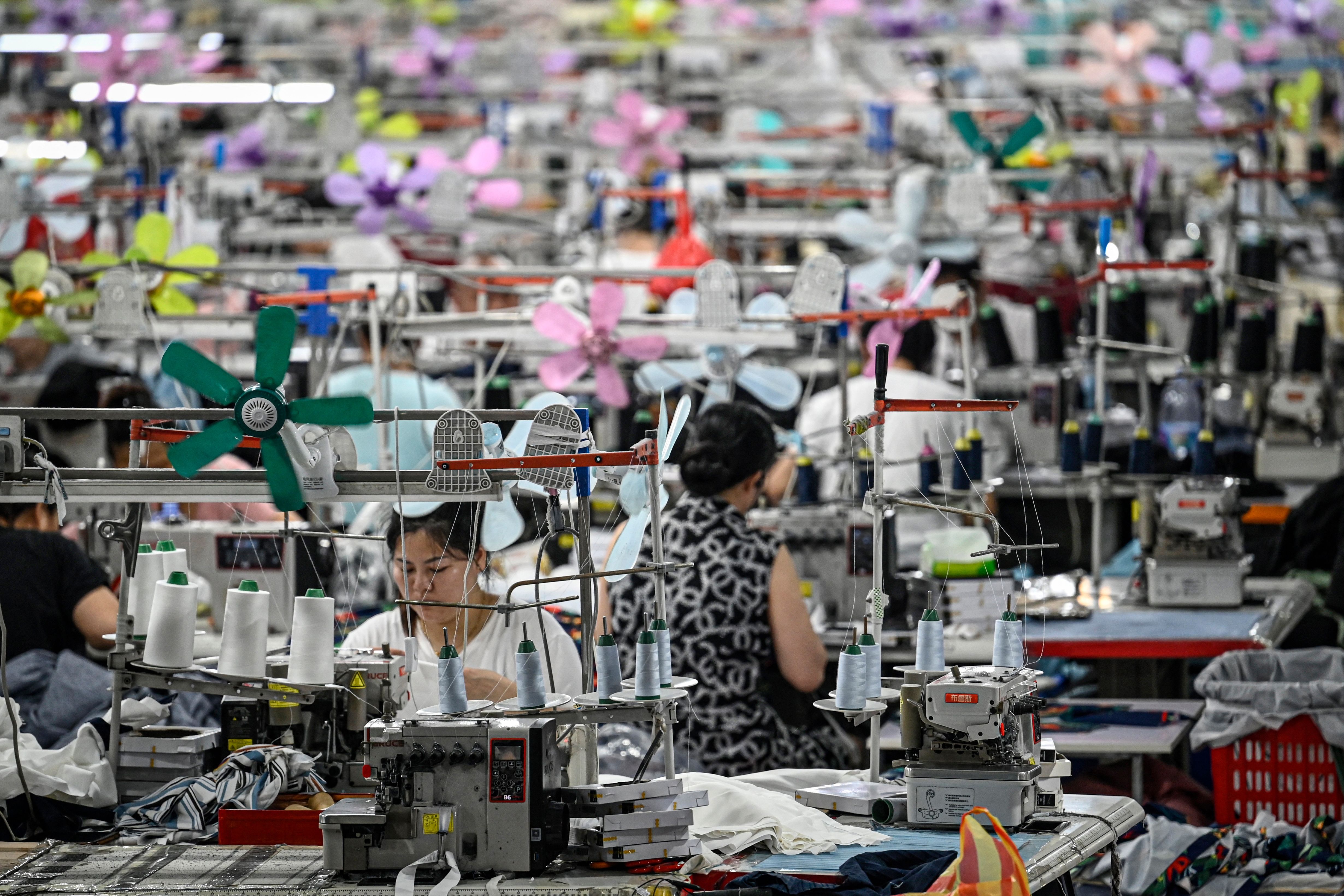
“Involution” is a new word for an old problem, and without a very different set of policies to rein it in, it is a problem that is likely to persist.

Michael Pettis

While China's investment story seems contradictory from the outside, the real answers to Beijing's high-quality growth ambitions are hiding in plain sight across the nation's cities.

Yuhan Zhang