

Commentary
Ms. Amy Hawthorne

REQUIRED IMAGE
Source: Carnegie
Summary
The idea that with sufficient outside support, civil society organizations can democratize authoritarian regimes "from below" is an article of faith among many policy makers and democracy promoters. Accordingly, programs to strengthen such groups are emerging as a key element of the United States' new Middle East promotion initiatives. However, the United States and other donor countries should not overestimate civil society's democratizing role in the region.
The United States has for many years provided funding and training to Arab NGOs with the goal of spurring democratization, but such assistance has not achieved much in this regard. For civil society to contribute to democratic political change, a critical mass of civil society organizations must develop three main attributes: autonomy from regimes, a pro-democracy agenda, and the ability to build coalitions. Although NGOs have grown in number in the region in the past decade, these conditions have not yet been met. In addition, the United States brings its own problems to its relationship with civil society in the Middle East. These include the narrow range of organizations with which it typically engages, popular antipathy to Washington's policies in the region, and the broader challenge of designing effective civil society assistance programs. Hawthorne recommends several ways in which Middle East civil society aid can be improved, while cautioning that modest expectations should be the watchword of such assistance.
Click on link above for the full text of this Carnegie Paper.
This is the fifth in a series of papers that frame key issues relating to democracy promotion policies and programs in the Middle East. Also in the series:

About the Author
Amy Hawthorne is an associate in the Democracy and Rule of Law Project. She is a specialist on Middle East politics and democracy promotion and editor of the Carnegie Endowment's Arab Reform Bulletin.
Some print copies are available.
Request a copy

Former Associate
Recent Work
Ms. Amy Hawthorne
Ms. Amy Hawthorne, Hesham Nasr
Carnegie does not take institutional positions on public policy issues; the views represented herein are those of the author(s) and do not necessarily reflect the views of Carnegie, its staff, or its trustees.
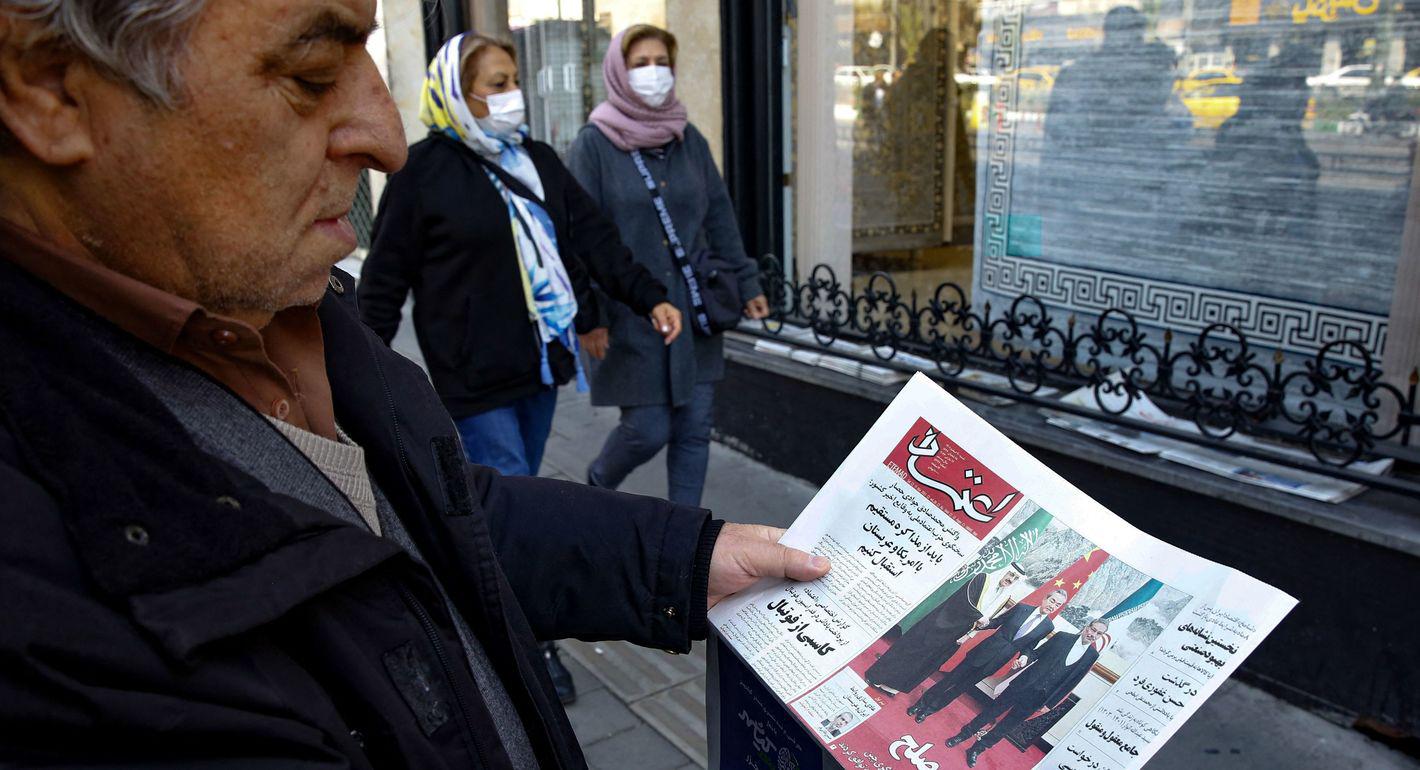
Transactional relationships are stable but can be shallow.



Paul Haenle, Maha Yahya, Benjamin Ho, …
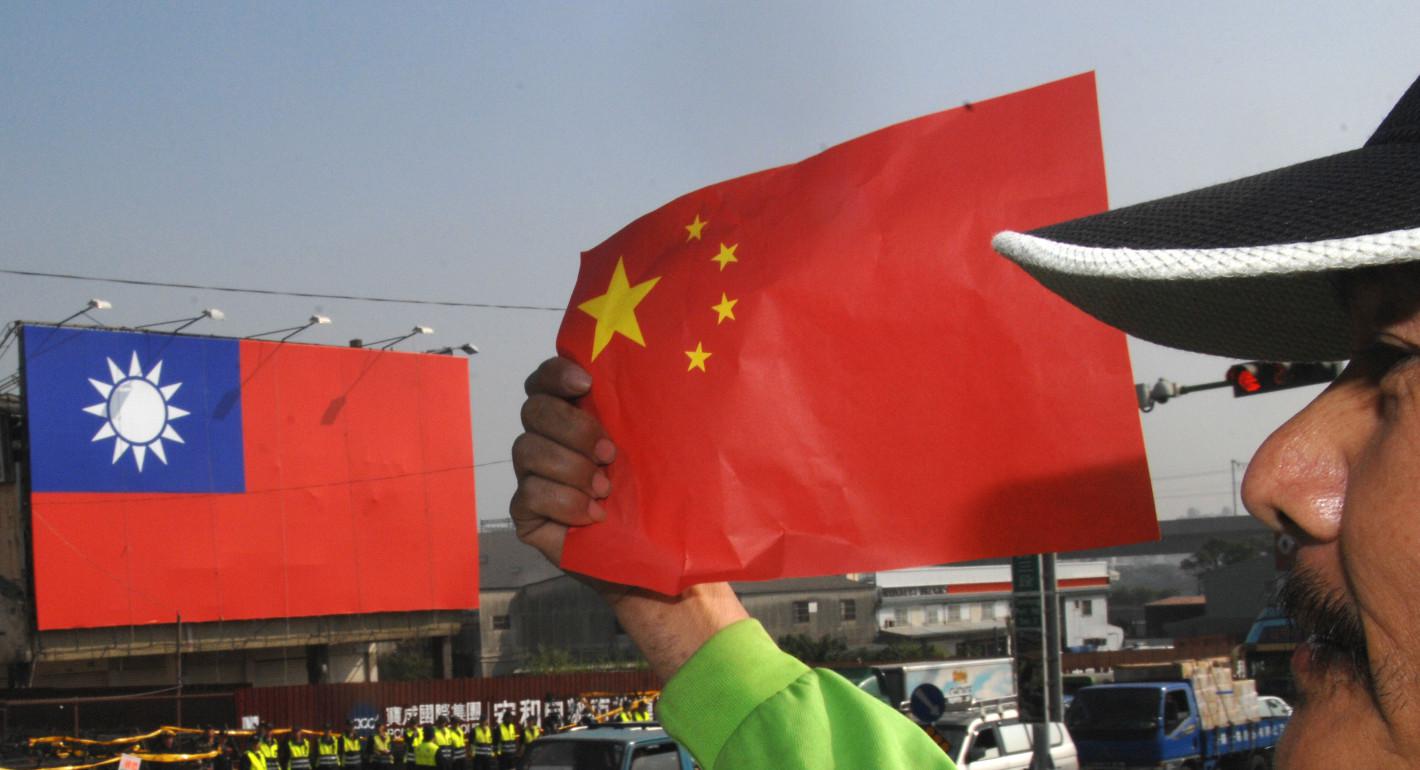
Beijing says that over 180 countries accept its “one China principle” regarding Taiwan, but the reality is more complicated.

Chong Ja Ian

Beijing must choose between preserving its pandemic narrative or facing more unrest.
Paul Haenle
“It’s not so clear how we’re going to get out of this.”
Paul Haenle, Philippe Le Corre

It’s about managing oil prices, bread prices, and strategic partnerships.



Amr Hamzawy, Karim Sadjadpour, Aaron David Miller, …