

Research
- +6
Yasmine Farouk, Nathan J. Brown, Maysaa Shuja Al-Deen, …

REQUIRED IMAGE
Source: publisher
Summary
Between 2002 and 2004, the United States accorded new prominence to political and economic reform and democratization as policy goals in the Middle East. Continuing that trend and translating rhetoric into effective strategies both depend on whether reform and democratization become fully integrated into the U.S. policy agenda in the region.
Click on link above for the full text of this Carnegie Paper.
About the Author
Michele Dunne, a visiting scholar at the Carnegie Endowment, is a visiting lecturer at Georgetown University. She served in the Department of State on assignments including the National Security Council Staff, the Secretary of State’s Planning Staff, the U.S. Embassy in Cairo and the U.S. Consulate in Jerusalem.
A limited number of print copies are available.
Request a copy

Former Nonresident Scholar, Middle East Program
Michele Dunne was a nonresident scholar in Carnegie’s Middle East Program, where her research focuses on political and economic change in Arab countries, particularly Egypt, as well as U.S. policy in the Middle East.
Recent Work


Yasmine Farouk, Nathan J. Brown, Maysaa Shuja Al-Deen, …
Robert Springborg, Emile Hokayem, Becca Wasser, …
Carnegie does not take institutional positions on public policy issues; the views represented herein are those of the author(s) and do not necessarily reflect the views of Carnegie, its staff, or its trustees.

But their "principal to principal" model will only be as effective as the political strength of each leader back home.

Damien Ma

U.S. unpredictability has allowed China to capitalize on its positioning as the “responsible great power”. Paradoxically, the more China wins the perception game, the more likely expectations will rise for Beijing to deliver not just words but to demonstrate with its deeds.

Chong Ja Ian

For Malaysia, the conjunction that works is “and” not “or” when it comes to the United States and China.

Elina Noor

Regulation, not embargo, allows Beijing to shape how other countries and firms adapt to its terms.
Alvin Camba
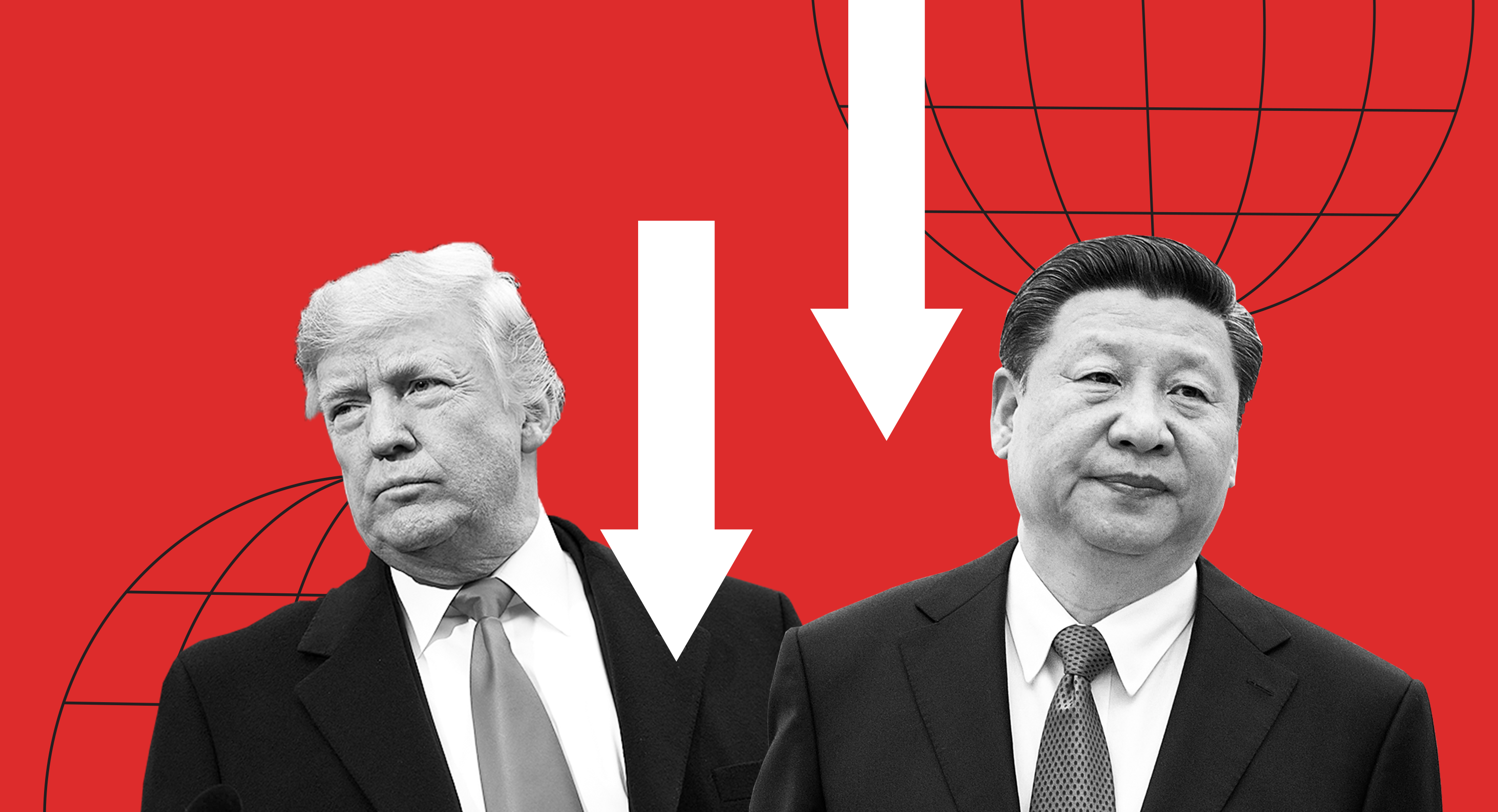
Beijing believes that Washington is overestimating its own leverage and its ability to handle the trade war’s impacts.


Rick Waters, Sheena Chestnut Greitens