

Commentary
For Malaysia, the conjunction that works is “and” not “or” when it comes to the United States and China.
Elina Noor

REQUIRED IMAGE
On June 27, the 9/11 Public Discourse Project, an extension of the 9/11 Commission, heard urgent testimony from three of America’s top proliferation experts. Convening in Washington, D.C., former Senator Sam Nunn, Harvard University’s Ashton Carter, and Monterrey Institute Deputy Director Leonard Spector made independent but complementary recommendations on how to better protect the United States from the threats of a nuclear terrorist attack and the global spread of nuclear weapons.
Responding to the testimony, Carnegie Endowment Director for Non-Proliferation Joseph Cirincione said, "If we would implement these recommendations over the next four years, America would be far safer than we have been in the four years since 9/11." The proposals made by these experts parallel many of the policies detailed in the recent Carnegie study, Universal Compliance. A summary of their recommendations follows. (Read More)
On June 27, the 9/11 Public Discourse Project, an extension of the 9/11 Commission, heard urgent testimony from three of America’s top proliferation experts. Convening in Washington, D.C., former Senator Sam Nunn, Harvard University’s Ashton Carter, and Monterrey Institute Deputy Director Leonard Spector made independent but complementary recommendations on how to better protect the United States from the threats of a nuclear terrorist attack and the global spread of nuclear weapons.
Responding to the testimony, Carnegie Endowment Director for Non-Proliferation Joseph Cirincione said, "If we would implement these recommendations over the next four years, America would be far safer than we have been in the four years since 9/11." The proposals made by these experts parallel many of the policies detailed in the recent Carnegie study, Universal Compliance. A summary of their recommendations follows.
Sam Nunn
Emphasizing that we are in a race between international cooperation and nuclear catastrophe, Senator Nunn argued that we have not done all we can to address the threat. As he put it, if "a terrorist group gains access to nuclear material, builds a weapon and blows up one of the great cities of the world…what would we wish we had done to prevent it?" These are the elements of his answer:
Ashton Carter
Ashton Carter argues that, thus far, almost all U.S. efforts have targeted the "worst people" rather than the "worst weapons." With the proper focus, however, Carter believes that the following steps can lead to the complete eradication of nuclear terrorism:
Leonard Spector
Leonard Spector identifies four major nuclear terror threats (terrorist theft of a nuclear weapon; terrorist theft of fissile material and subsequent construction of a crude nuclear device; attacks on nuclear facilities; and a radiological, or dirty bomb, attack). To confront these four threats, he argues that we must take six major initiatives:
"The Day After an Attack, What would we Wish We Had Done? Why Aren't We Doing It Now?" Testimony by Sam Nunn, Co-Chairman, Nuclear Threat Initiative, Before the 9/11 Public Discourse Project, 27 June 2005
Universal Compliance: A Strategy for Nuclear Security, Carnegie Report, March 2005
Joshua Williams
Carnegie does not take institutional positions on public policy issues; the views represented herein are those of the author(s) and do not necessarily reflect the views of Carnegie, its staff, or its trustees.
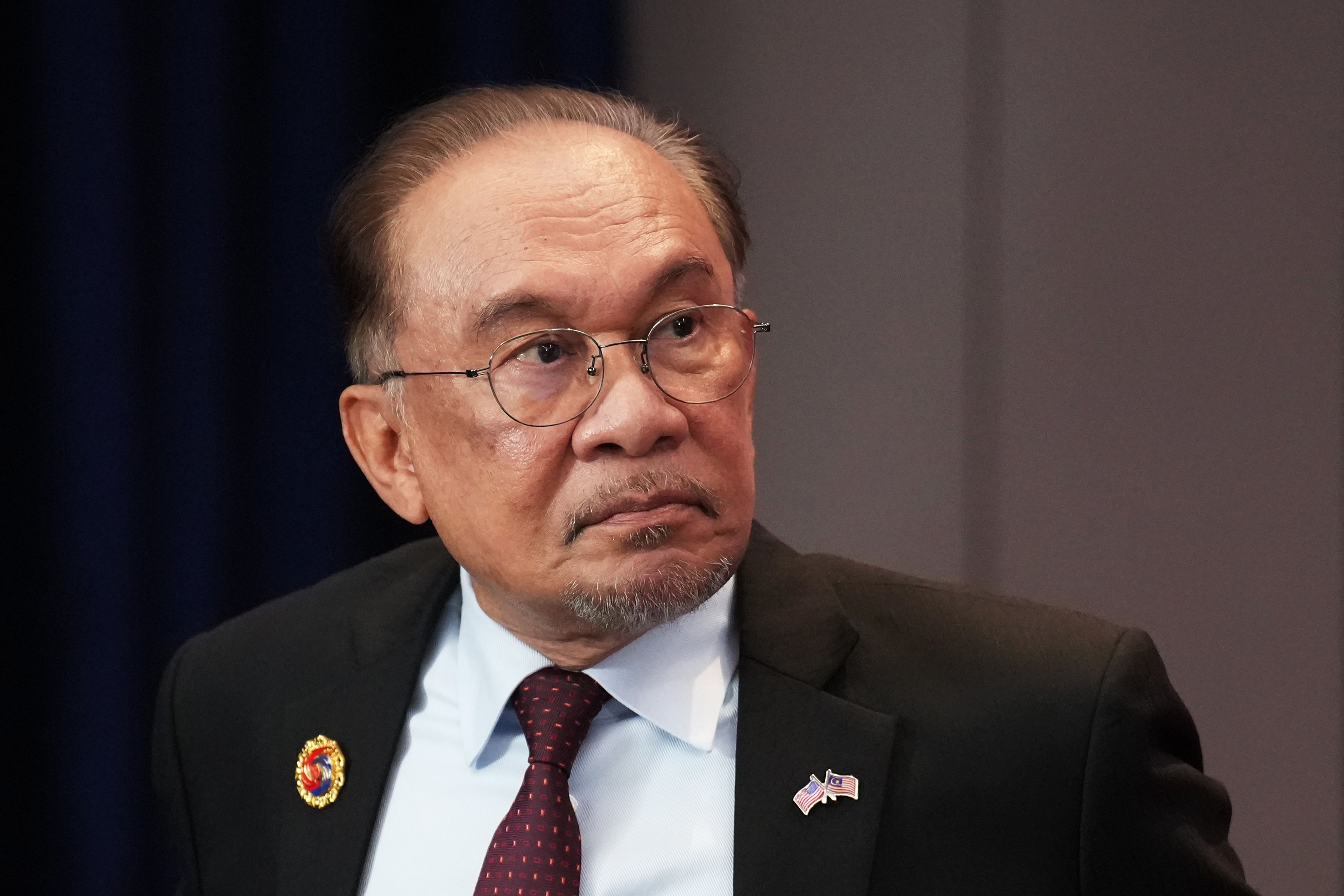
For Malaysia, the conjunction that works is “and” not “or” when it comes to the United States and China.

Elina Noor
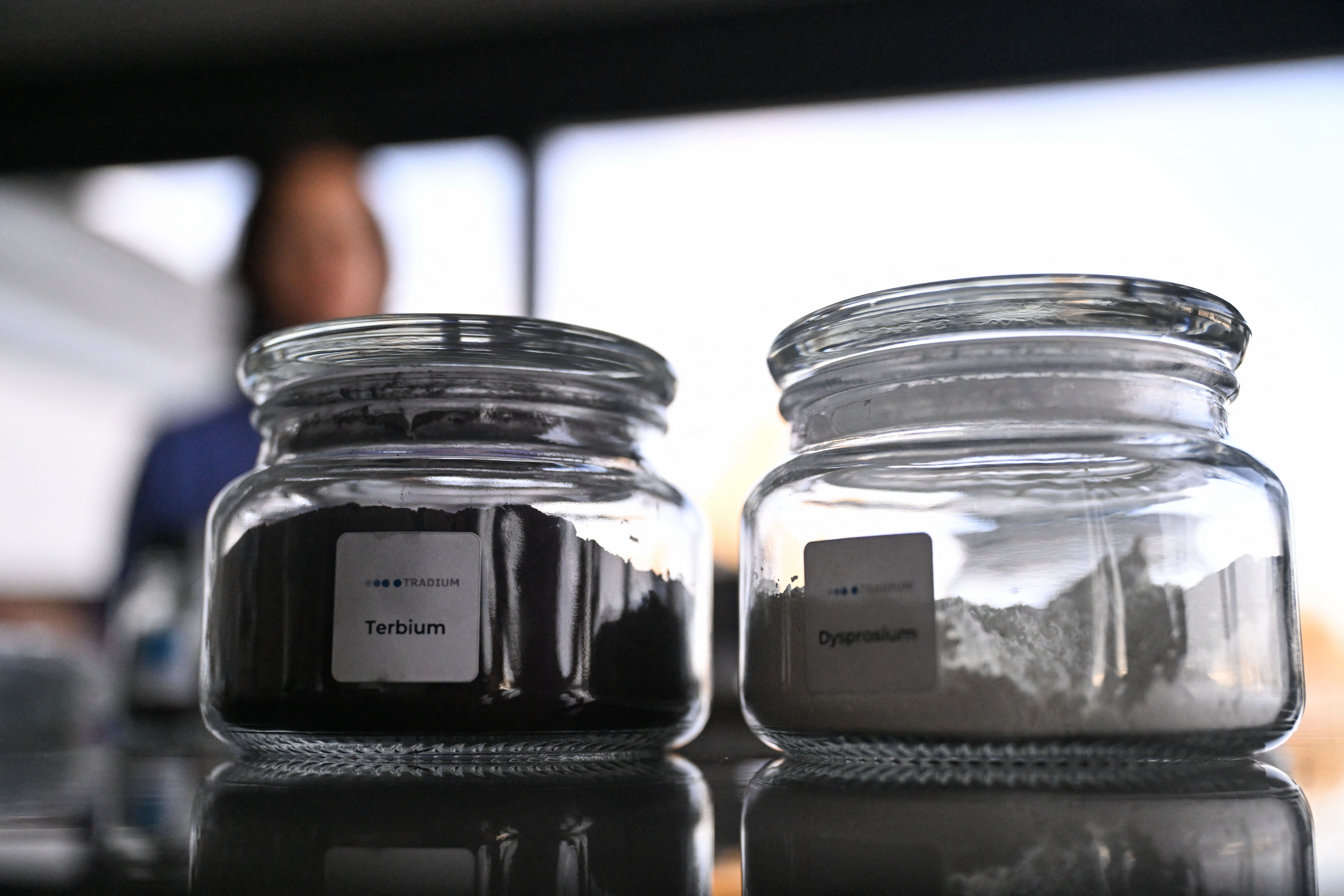
Regulation, not embargo, allows Beijing to shape how other countries and firms adapt to its terms.
Alvin Camba
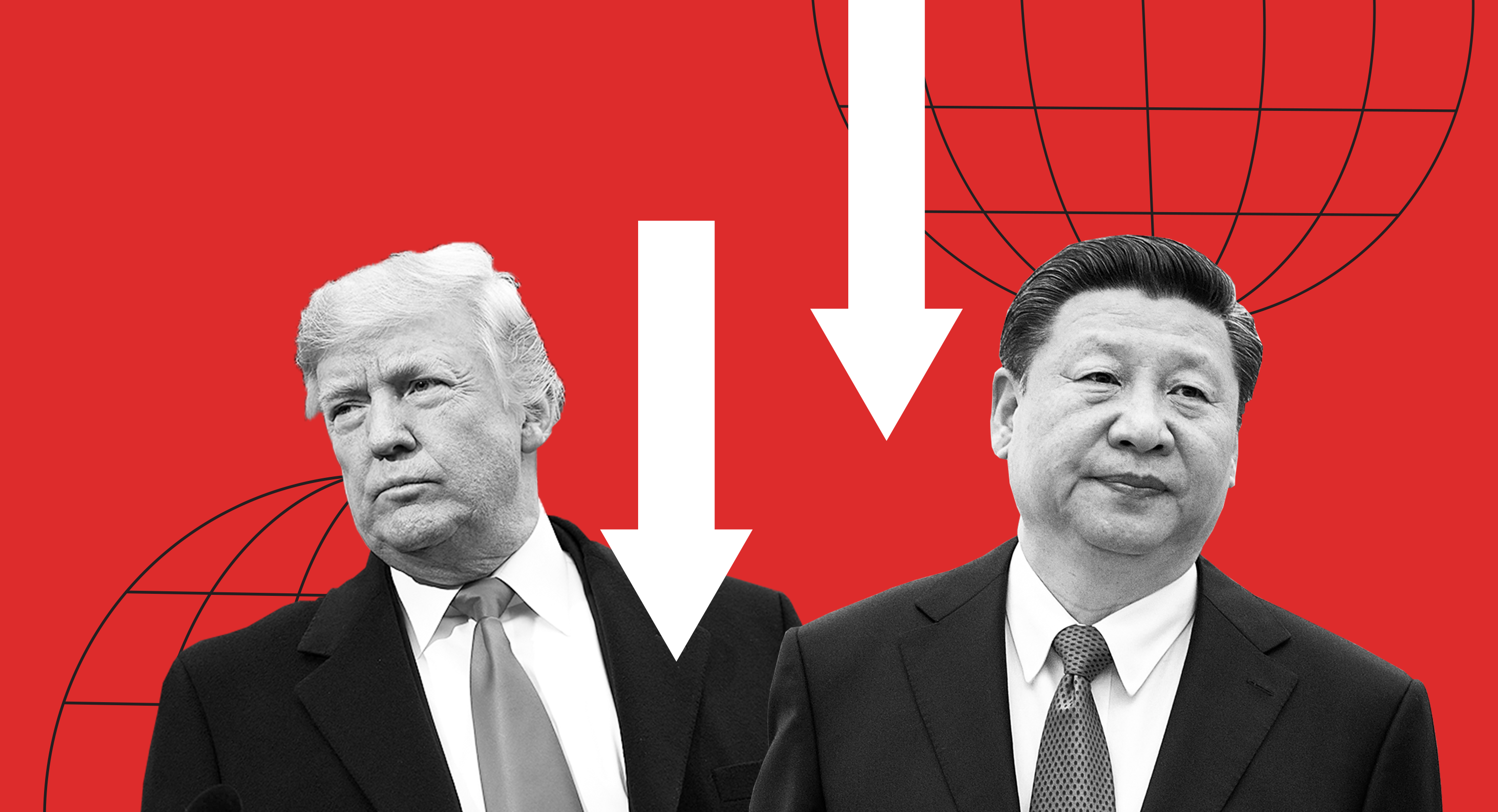
Beijing believes that Washington is overestimating its own leverage and its ability to handle the trade war’s impacts.

Rick Waters, Sheena Chestnut Greitens
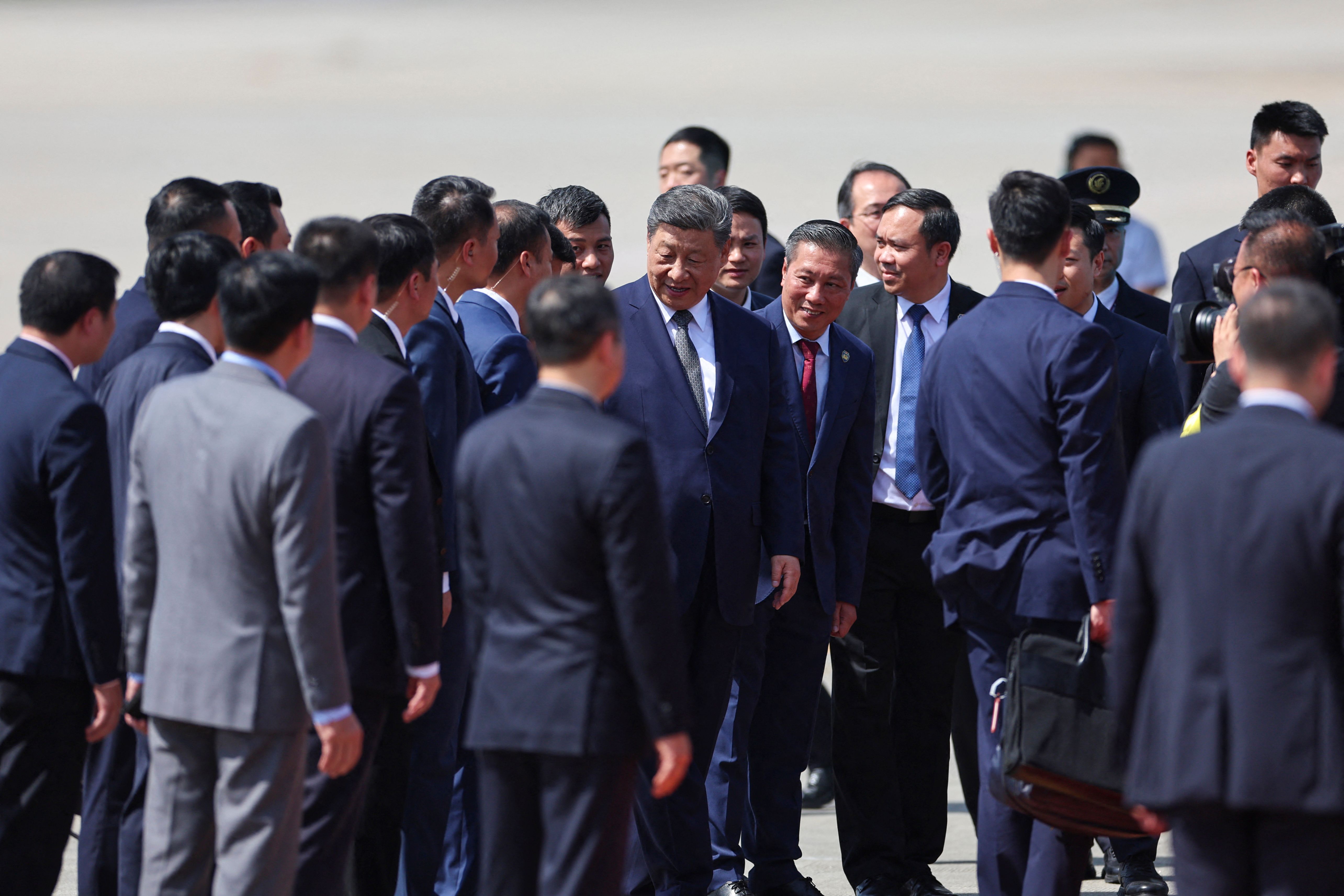
Tapping our network of China experts in the region, Carnegie China offers this latest “China Through a Southeast Asian Lens” report to offer preliminary assessments of whether the U.S. effort to reshape the global trading order will lead countries in the region to tilt toward Beijing.

Selina Ho, Khin Khin Kyaw Kyee, Joseph Ching Velasco, …
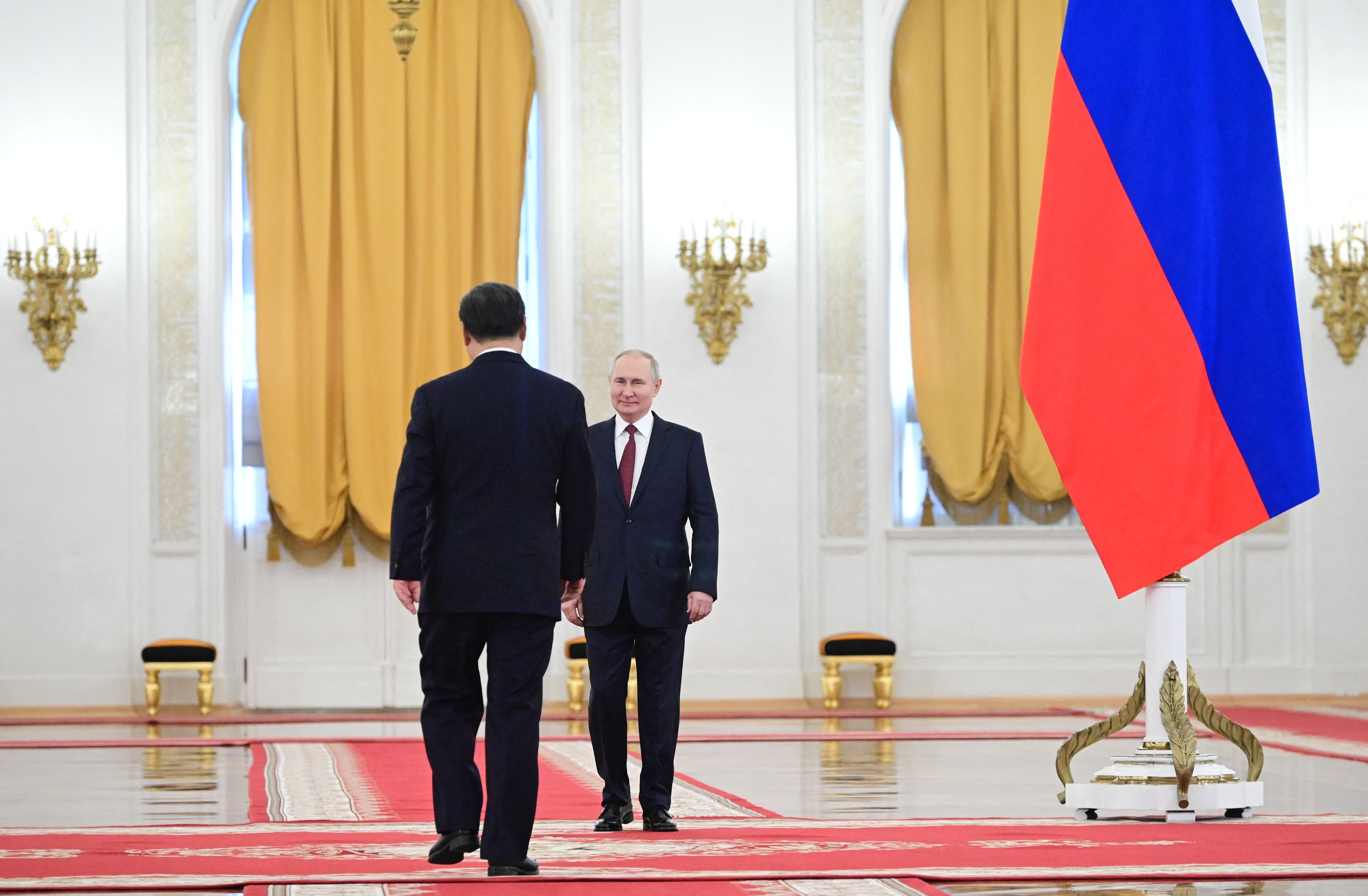
Beijing is trying to navigate the overall situation regarding Ukraine, especially the substance of interactions between Washington and Moscow.
Ellen Nakashima, Zhao Long, Pavlo Klimkin, …