

Article
China has showcased its engineering prowess with small modular reactor demonstration projects. But turning these technological achievements into commercial success will be a greater challenge.
Tong Zhao

REQUIRED IMAGE
Source: Carnegie Endowment
Russia has been in the process of seeking membership in the World Trade Organization (WTO) since June 1993. Currently, the United States is the only major economic power that has yet to finalize a bilateral market access agreement with the Russian Federation. Most observers of the situation concur that the enforcement of intellectual property rights laws remains, along with agriculture, one of the two major hurdles to Russian accession to the World Trade Organization.
This paper seeks to elucidate the challenges and policy options that Russia faces on enforcing intellectual property rights, highlighting lessons learned from the experiences of China and Ukraine. Its goal is to advance the United States–Russia dialogue on accession and to help achieve the kind of progress desired by all parties.
Click on icon above for the full text of this Carnegie Paper.
Sherman E. Katz is a senior associate at Carnegie Endowment for International Peace. His research focuses on WTO global trade negotiations in the Doha Round, implications of Chinese accession to the WTO, and the distribution of benefits from U.S. Free Trade Agreements.
Matthew Ocheltree has been a research assistant with the Trade, Equity and Development Project since February 2006.
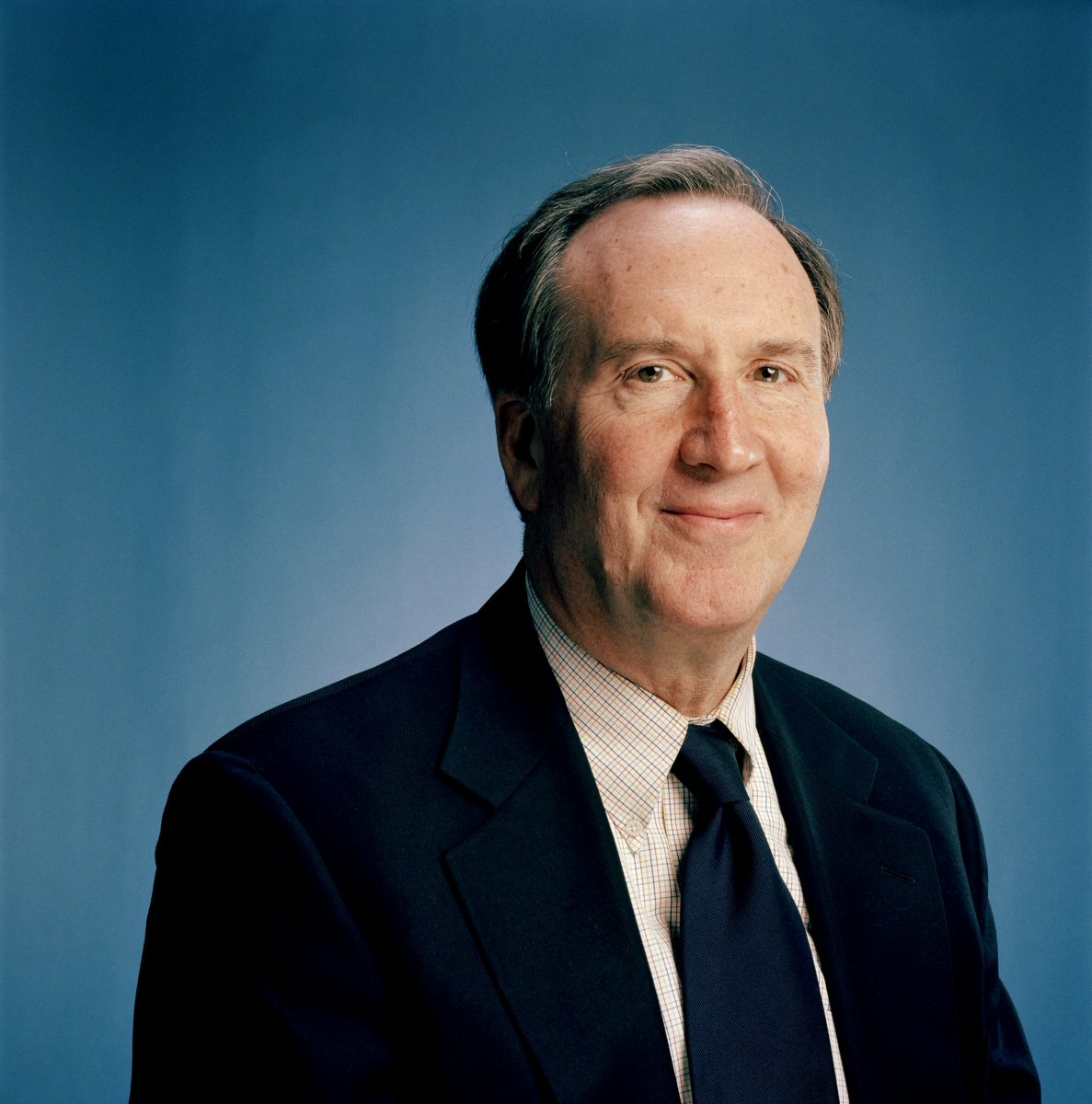
Former Senior Associate
Matthew Ocheltree
Carnegie does not take institutional positions on public policy issues; the views represented herein are those of the author(s) and do not necessarily reflect the views of Carnegie, its staff, or its trustees.

China has showcased its engineering prowess with small modular reactor demonstration projects. But turning these technological achievements into commercial success will be a greater challenge.

Tong Zhao

The Plaza Accord was not an externally imposed punishment of Japan but part of a broader restructuring that Japanese economists and policymakers themselves recognized was necessary. Its effects were undermined, however, when Tokyo responded to the resulting slowdown with policies that exacerbated investment, credit expansion, and the very imbalances the adjustment was intended to resolve.

Michael Pettis
China’s banking crisis in the 2000s was resolved by transferring the costs to households through financial repression—a decision that recapitalized the banks while exacerbating the structural imbalances that continue to shape the Chinese economy today.
Michael Pettis

But their "principal to principal" model will only be as effective as the political strength of each leader back home.

Damien Ma

U.S. unpredictability has allowed China to capitalize on its positioning as the “responsible great power”. Paradoxically, the more China wins the perception game, the more likely expectations will rise for Beijing to deliver not just words but to demonstrate with its deeds.

Chong Ja Ian