

Article
Thomas Carothers
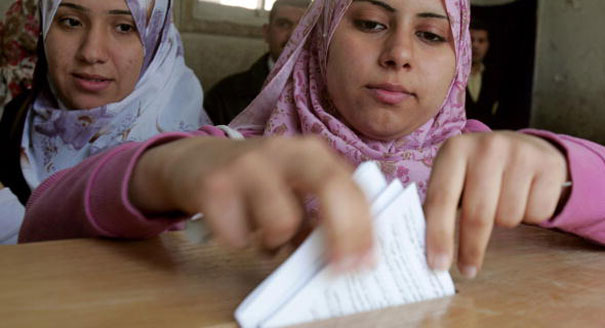
Source: Getty
Good news on democratization, though often less visible, has occurred in roughly equal proportion to bad news. By taking on this more balanced perspective, the Obama administration can ensure that unnecessary pessimism does not hinder important U.S. support for democracy around the world.
The Obama administration faces pressure to pull back U.S. democracy promotion efforts, given the Bush administration’s legacy and increasing talk of a global “democratic recession.” The United States can and should remain an active supporter of democracy abroad. By building a new approach to democracy promotion around the new president’s cardinal values—non-confrontational, measured, cooperative, and empowering—the United States can regain its place as a respected, trusted, and influential ally of democracy around the world.
Thomas Carothers offers a wide-ranging assessment of the state of democracy in the world, finding that despite set backs in the troubled regions of the Middle East and former Soviet Union, democracy has not experienced a global retreat this decade. Good news on democratization, though often less visible, has occurred in roughly equal proportion to bad news, and considerable continuity exists in many places. By taking on this more balanced perspective, the Obama administration can ensure that unnecessary pessimism does not hinder important U.S. support for democracy.
Understanding Democracy Development in Key Regions

Harvey V. Fineberg Chair for Democracy Studies; Senior Fellow, Democracy, Conflict, and Governance Program
Thomas Carothers, a senior fellow in the Carnegie Endowment for International Peace’s Democracy, Conflict, and Governance Program, is a leading expert on comparative democratization and international support for democracy.
Recent Work
Thomas Carothers
Thomas Carothers
Carnegie does not take institutional positions on public policy issues; the views represented herein are those of the author(s) and do not necessarily reflect the views of Carnegie, its staff, or its trustees.
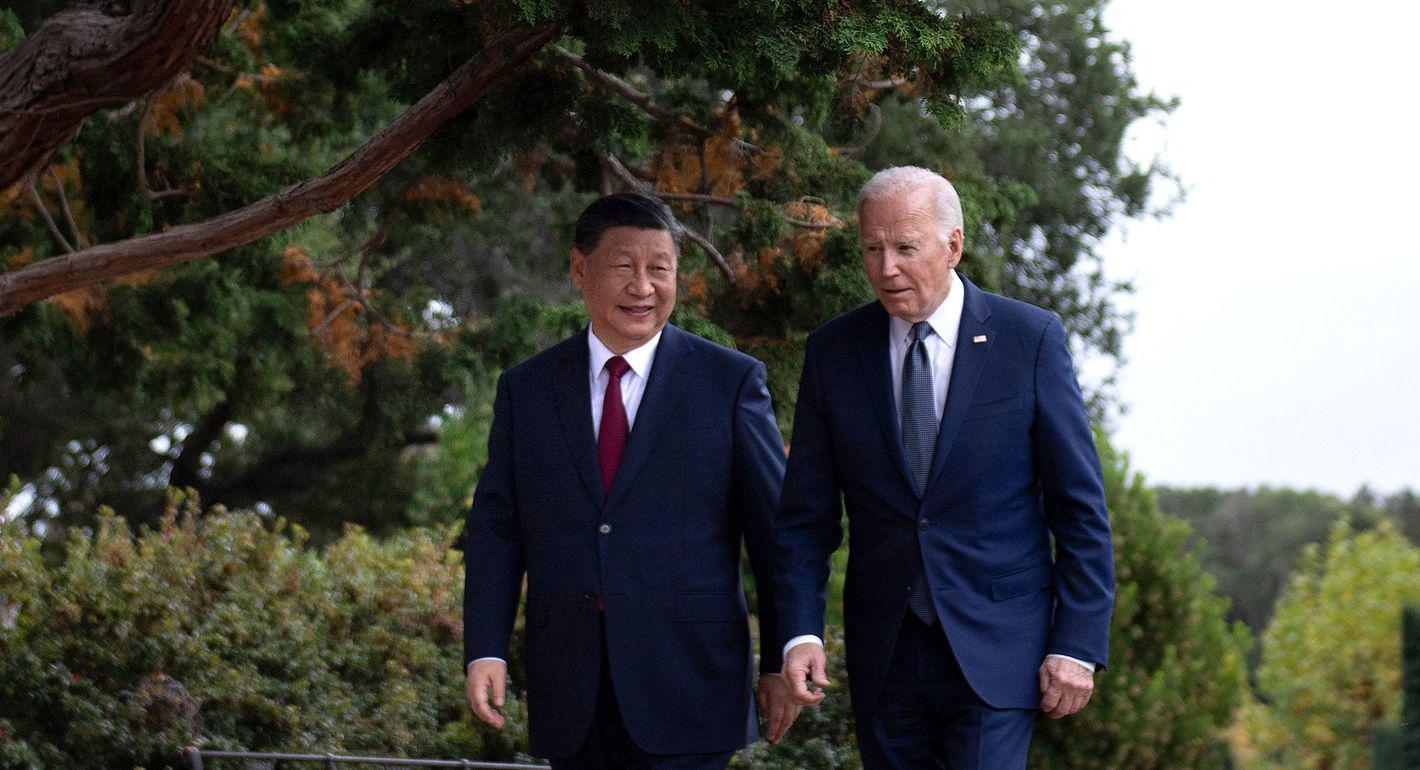
Carnegie China scholars share their assessment of the Biden-Xi meeting and its implications for U.S.-China relations going forward.



Paul Haenle, Xue Gong, Ngeow Chow Bing, …
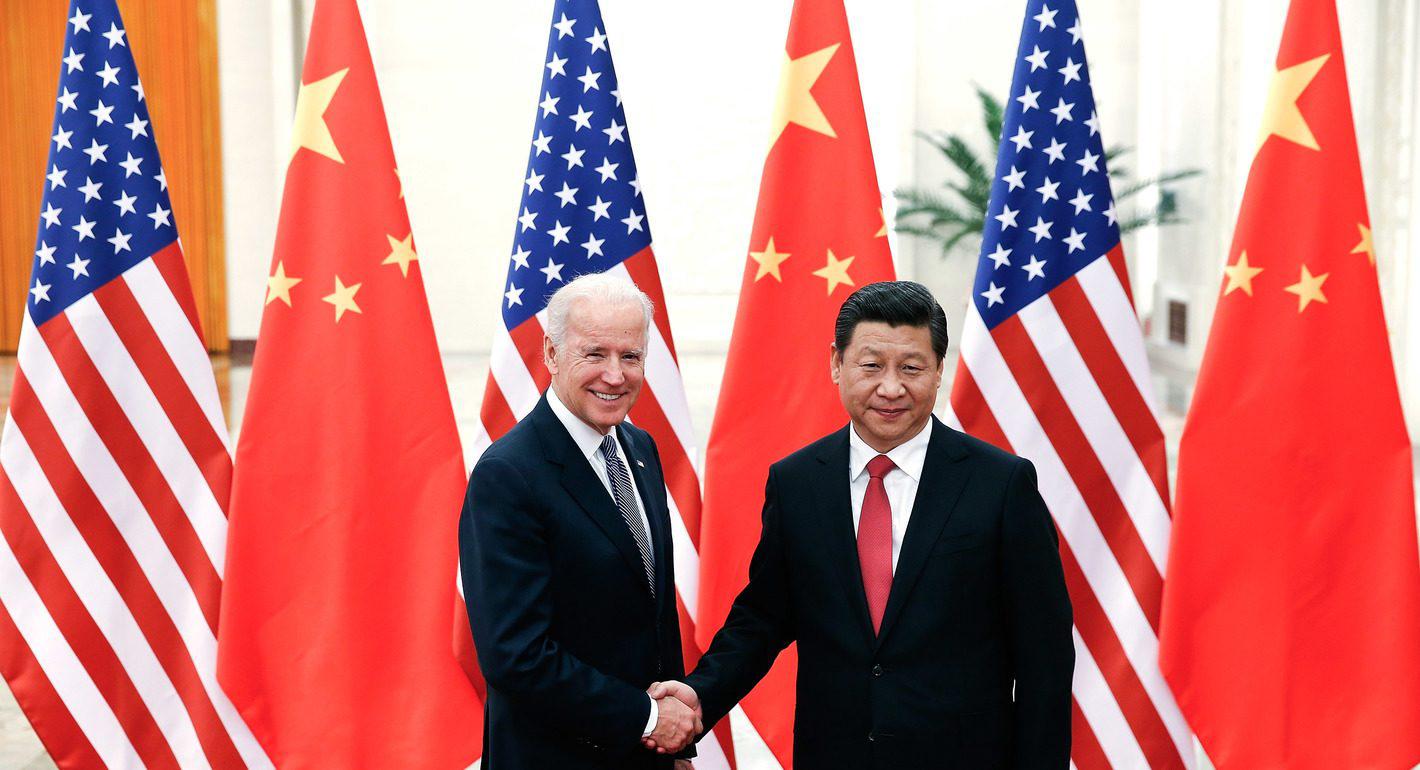
Southeast Asian capitals would prefer that the U.S. and PRC manage their relationship, if not get along.

Paul Haenle, Chong Ja Ian
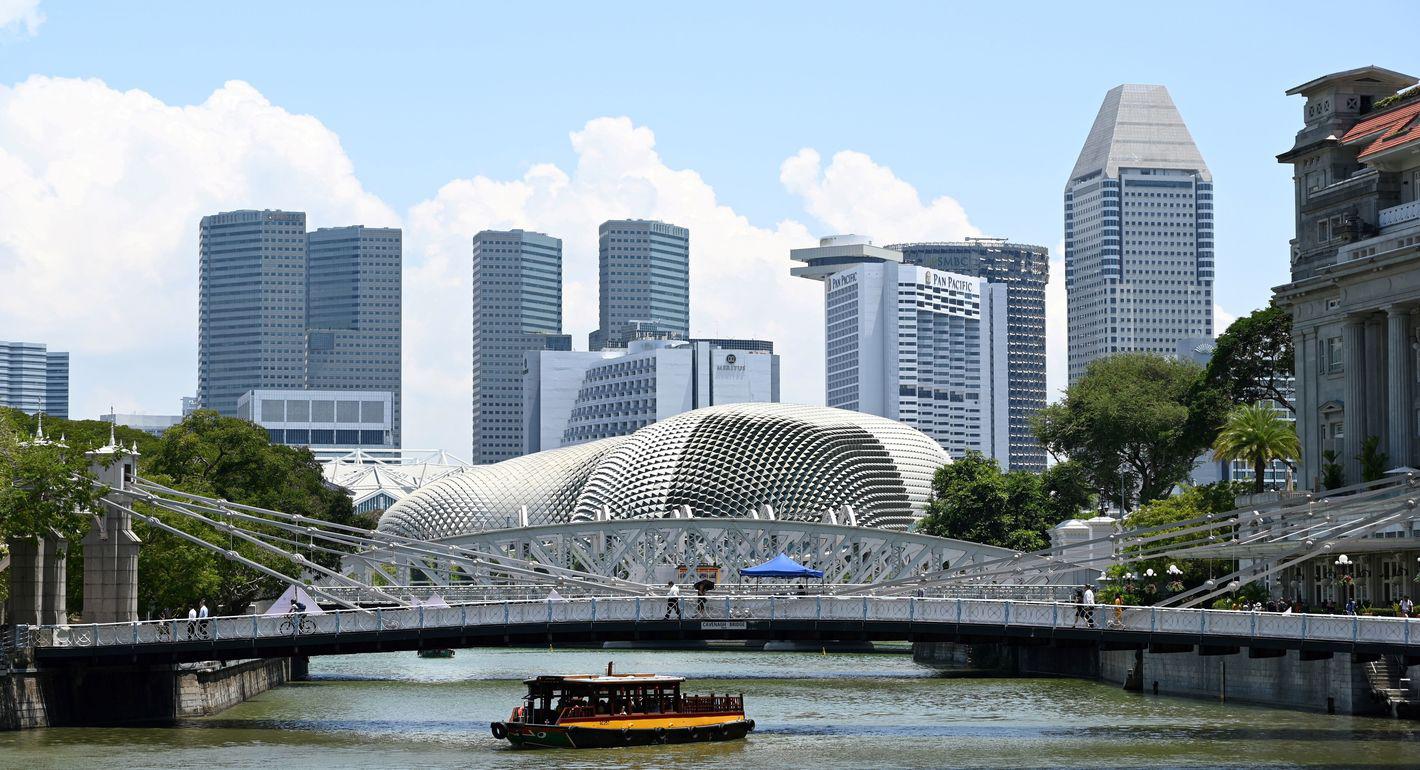
As the world undergoes a new round of fragmentation and major power rivalry that includes the advancing of divergent visions of global order, Singapore is discovering that its interests are increasingly being pulled in different directions.
Chong Ja Ian
There is a certain level of restraint, but there is also a lingering distrust.

Paul Haenle, Huong Le Thu

Transactional relationships are stable but can be shallow.


Paul Haenle, Maha Yahya, Benjamin Ho, …