

Commentary
Alexey Malashenko
Source: Getty
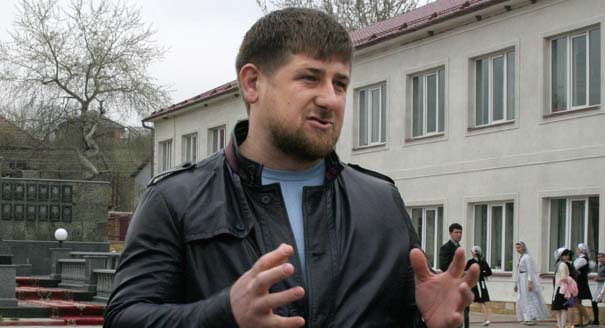
Questions remain whether Chechen President Ramzan Kadyrov ordered the recent murders of human rights activists in Chechnya, or whether the crimes were an attempt by his opponents to discredit his leadership.

Some claim that Chechen president Ramzan Kadyrov gave the order to assassinate Natalya Estimirova, Zarema Sadulaeva and her husband, Alik Djabrailov. Relations between the Chechen leader and NGOs are not friendly, and investigations of murders, kidnappings, torture and other human rights violations irritate Mr. Kadyrov. Kadyrov’s reaction to his critics is generally negative, and he has shown a preference to be rid of such investigators.
Nevertheless, it is difficult to argue that Kadyrov is interested in killing his opponents, and in some ways, he has even attempted to improve his public image. He has invited the leader of Chechen emigration, Ahmed Zakaev, to return to Russia, and offered him the post of Minister of Culture. Kadyrov has also pursued an all-Chechen congress, and expressed an increasing desire to talk to the liberal mass media. Thus, Kadyrov appears to want to show that he is no longer a “cruel Caucasian barbarian.”
Yet Kadyrov also senses the Kremlin’s disappointment in his leadership. The federal center no longer trusts in his absolute ability to control the situation in the republic. Russian president Dmitry Medvedev considers the assassination of the three human right activists a sign of Kadyrov’s weakness. Moscow is also unhappy with Kadyrov’s growing ambitions. In addition to trying his best to remove federal supervisory structures, he constantly claims Chechnya is a “special subject” of the Russian Federation and demands increasing plenary powers.
But if Kadyrov is not responsible for the murders, who could have organized them? There are some possible options.
Maybe they were carried out by forces in Chechnya who want to compromise Kadyrov in the eyes of Moscow, and thereby signal that in time the Center will be obliged to replace him. The tragedy could perhaps also be the work of the wahhabi Islamist opposition, who also use every possible chance to show Kadyrov is not in control -- though that is less likely. One cannot ignore the fact that in Moscow itself, there are those who would like to compromise the Chechen president.
In any event, Kadyrov is obliged to explain his innocence, a responsibility he has never much liked.
Former Scholar in Residence, Religion, Society, and Security Program
Malashenko is a former chair of the Carnegie Moscow Center’s Religion, Society, and Security Program.
Recent Work
Alexey Malashenko
Alexey Malashenko
Carnegie does not take institutional positions on public policy issues; the views represented herein are those of the author(s) and do not necessarily reflect the views of Carnegie, its staff, or its trustees.

China’s political future will be shaped between now and next October. As the Communist Party enters its intense “campaign season” to prepare for a major political transition in 2027, reading Beijing's actions and responses may become more difficult as domestic politics weigh on its behavior more than usual.

Damien Ma
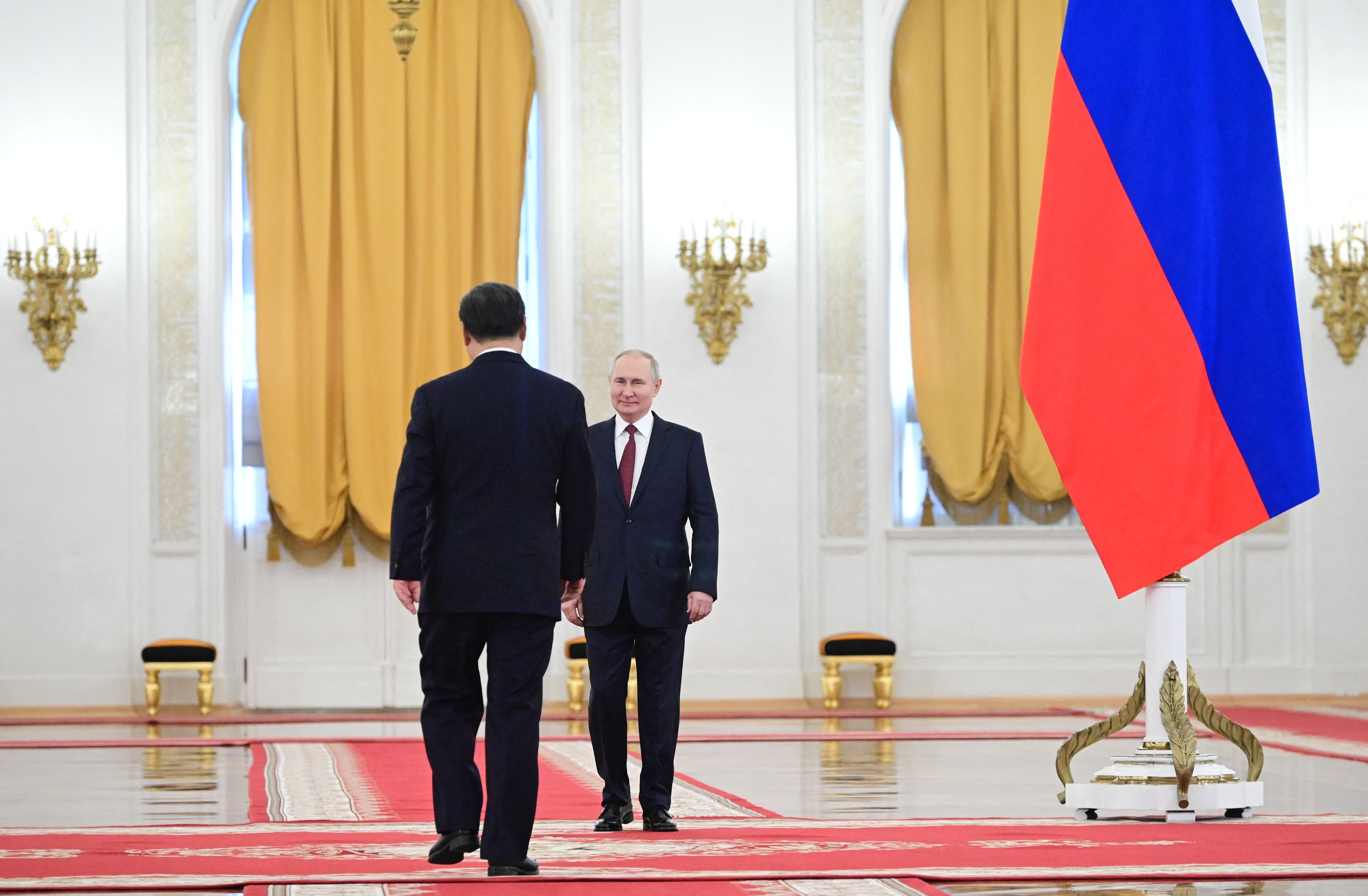
Beijing is trying to navigate the overall situation regarding Ukraine, especially the substance of interactions between Washington and Moscow.
Ellen Nakashima, Zhao Long, Pavlo Klimkin, …
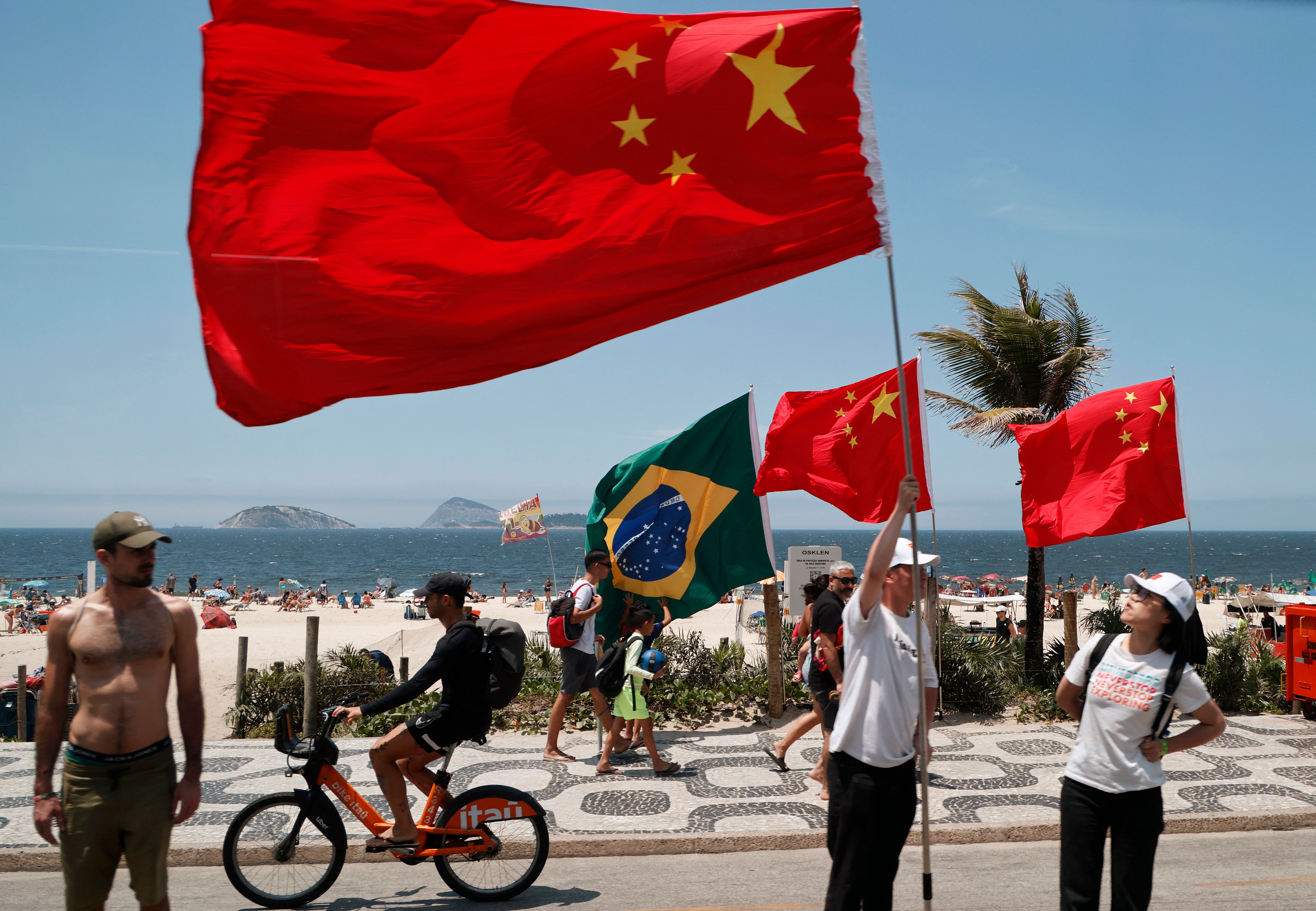
While China will remain a significant political and economic force in the Global South, its ambition to leverage the Global South as a counterbalance to the United States and the Global North is far from assured.

Xue Gong
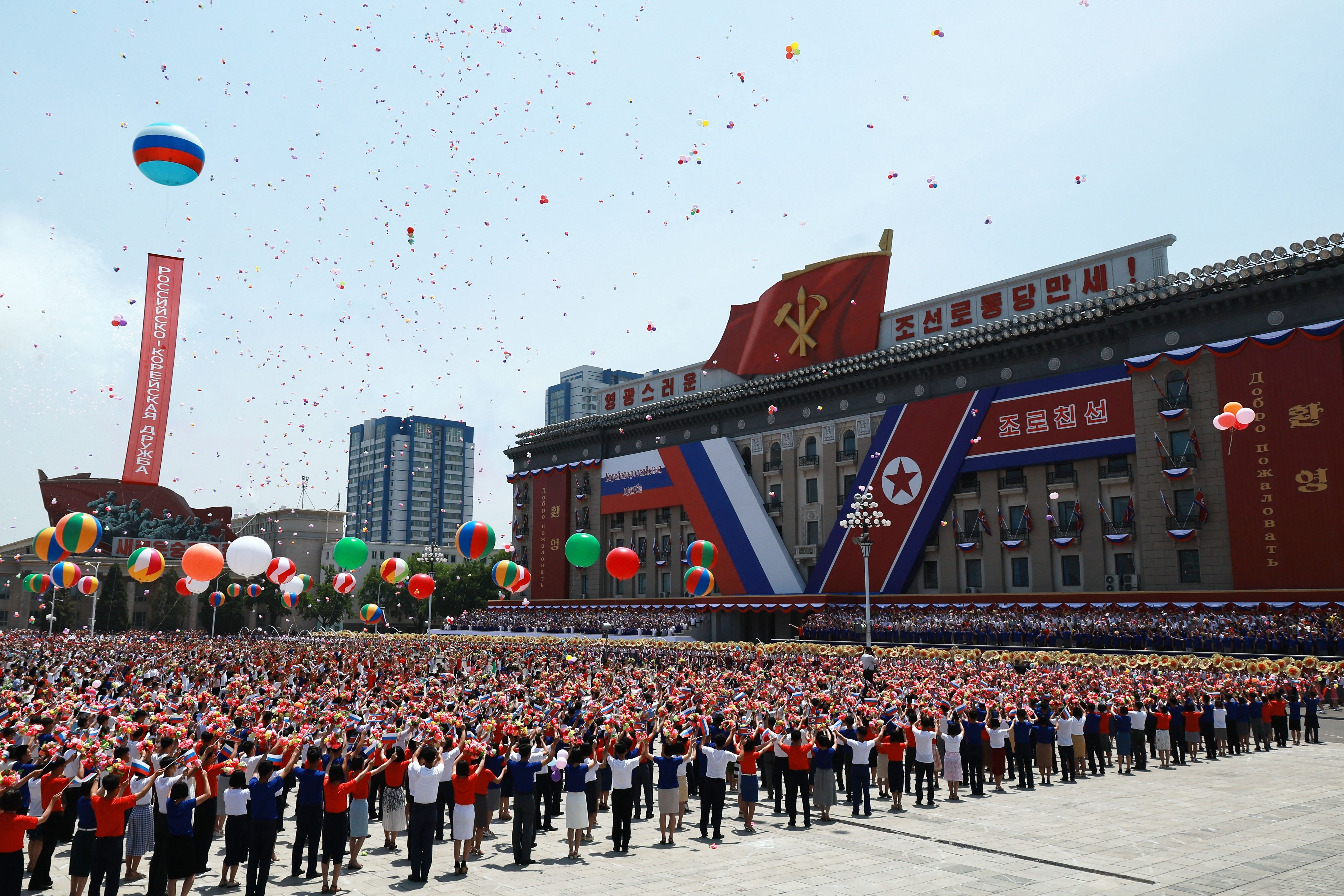
Faced with an increase in strategic maneuvering by Moscow and Pyongyang, Beijing will not sit idly by and allow Putin and Kim to shape the security environment on its behalf.

Tong Zhao
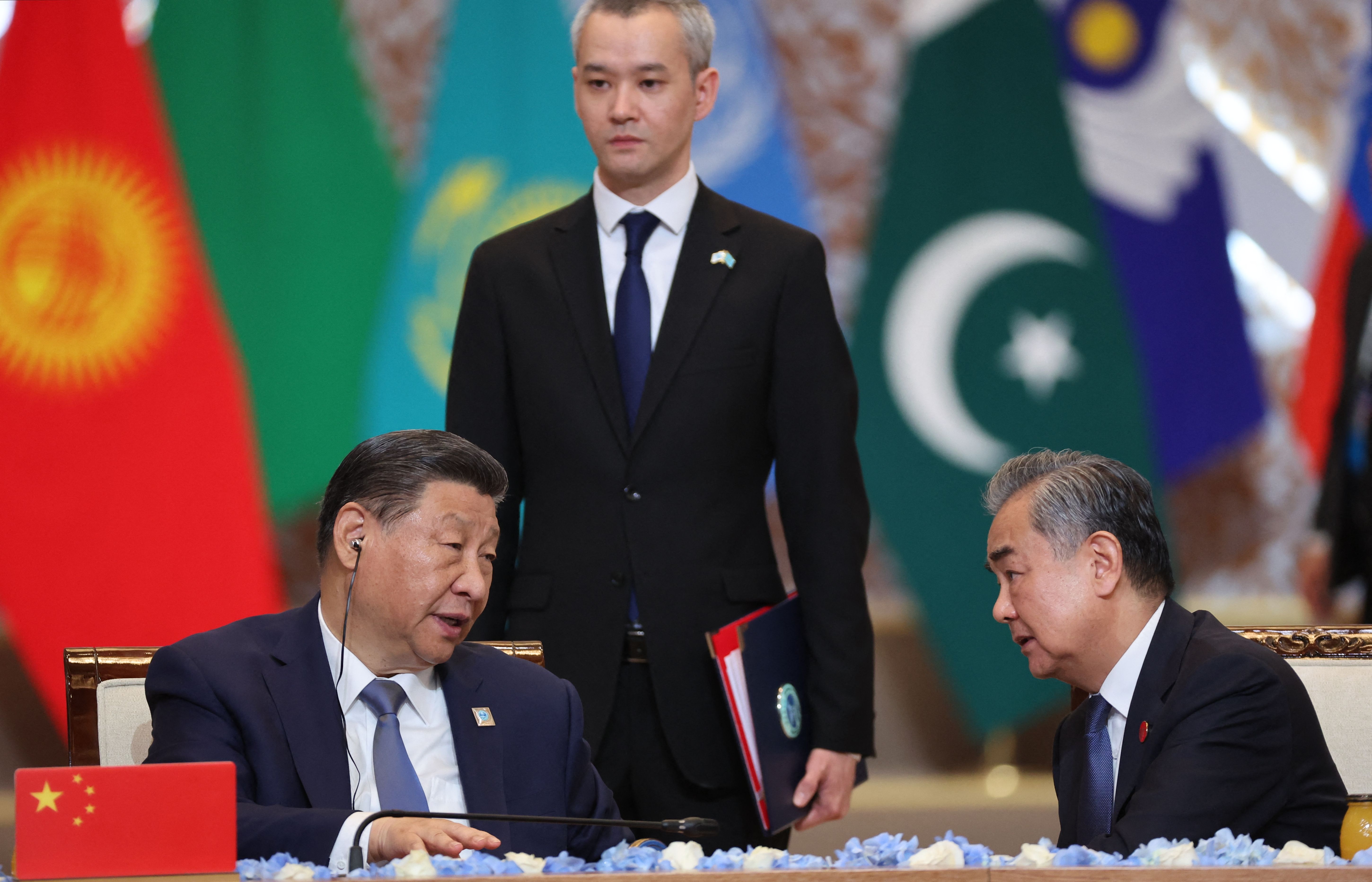
China’s growing attention to Central Asia is perceived as a harbinger of tectonic shifts in regional geopolitics.

Temur Umarov