

Commentary
Amr Hamzawy
Source: Getty
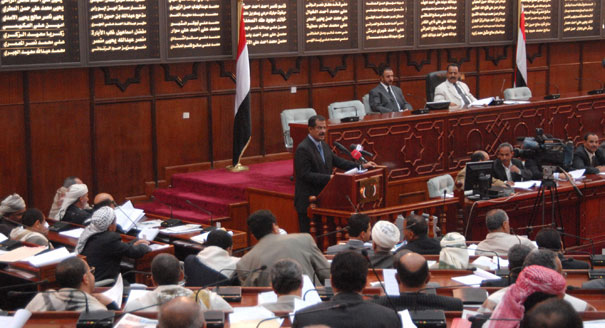
Yemen’s Islamist Congregation for Reform party (Islah) faces deep internal divisions on key issues, and its fractious composition prevents it from developing a clear parliamentary platform, leaving the party with no clear path toward the reforms it seeks.
Like Islamist parties across the Arab world, Yemen’s Islamist Congregation for Reform (Islah) has a religious ideology and platform. Islah participates in legal politics in hopes of accomplishing constitutional and socioeconomic reforms, and over time it has committed itself to upholding democratic procedures internally as well as externally.
Yet Islah differs from most other Arab Islamists. The party combines tribal influences along with those of the Yemeni Muslim Brotherhood and more radical Salafi groups. As a result, it faces deep internal divisions on key issues, including its relationship with the ruling establishment, its role in the opposition, and the participation of women in politics. Moreover, Islah is not simply an opposition group; until 1997, the party was a junior partner in a ruling coalition.
Under Yemen’s authoritarian regime, President Ali Abdullah Saleh and his General People’s Congress dominate political life, and there are no effective checks and balances among the different branches of government. Since its move to the opposition, Islah has had no choice but to cooperate with the regime in order to gain a degree of influence in key political choices. Yet its fractious composition prevents it from developing a clear parliamentary platform, forcing it instead to balance tribal and political interests, differing interpretations of the party’s Islamist platform, and both loyalist and opposition constituencies. As a result, no one knows where the party stands, and it has no clear path toward the reforms it seeks.

Director, Middle East Program
Amr Hamzawy is a senior fellow and the director of the Carnegie Middle East Program. His research and writings focus on Egypt’s and other middle powers’ involvement in regional security in the Middle East, particularly through collective diplomacy and multilateral conflict resolution
Recent Work
Amr Hamzawy
Amr Hamzawy
Carnegie does not take institutional positions on public policy issues; the views represented herein are those of the author(s) and do not necessarily reflect the views of Carnegie, its staff, or its trustees.
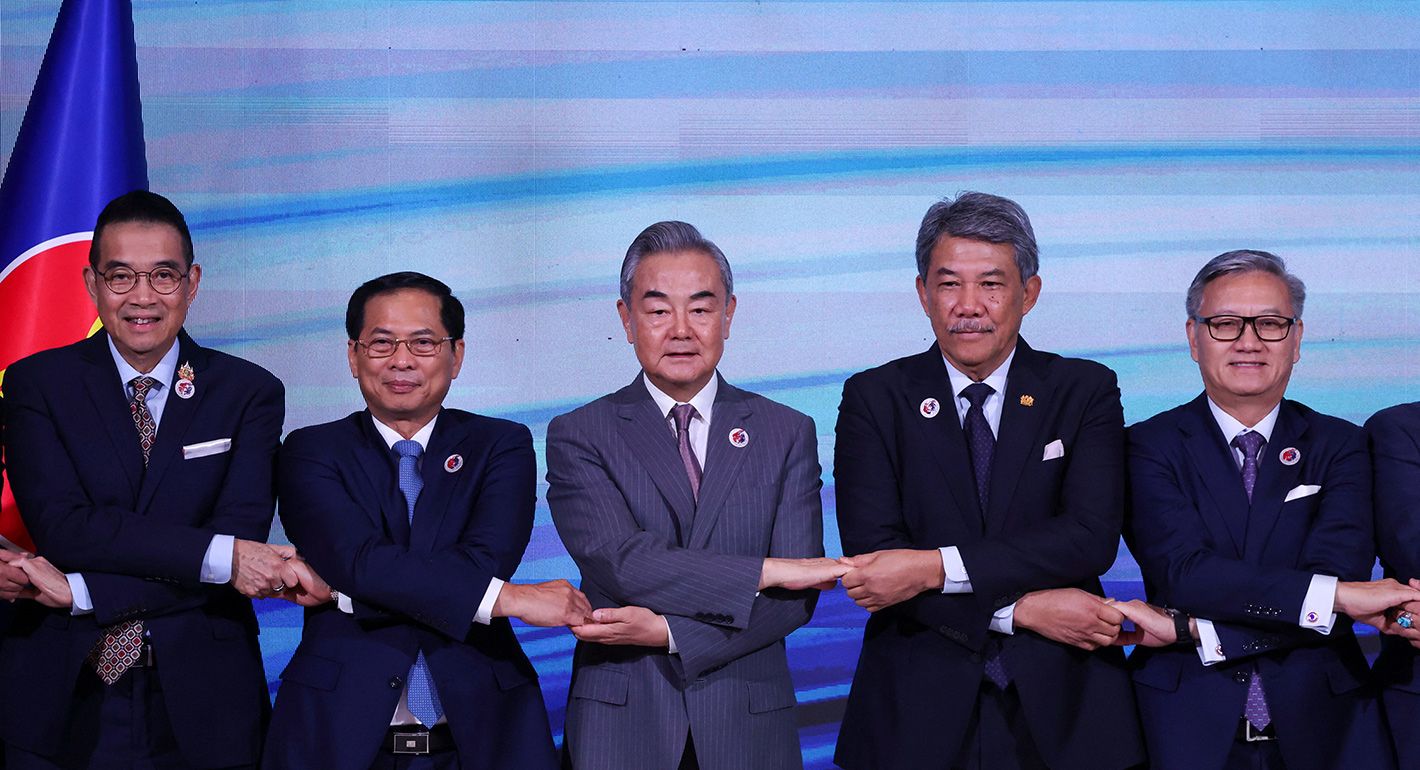
The Thai-Cambodian conflict highlights the limits to China's peacemaker ambition and the significance of this role on Southeast Asia’s balance of power.

Pongphisoot (Paul) Busbarat
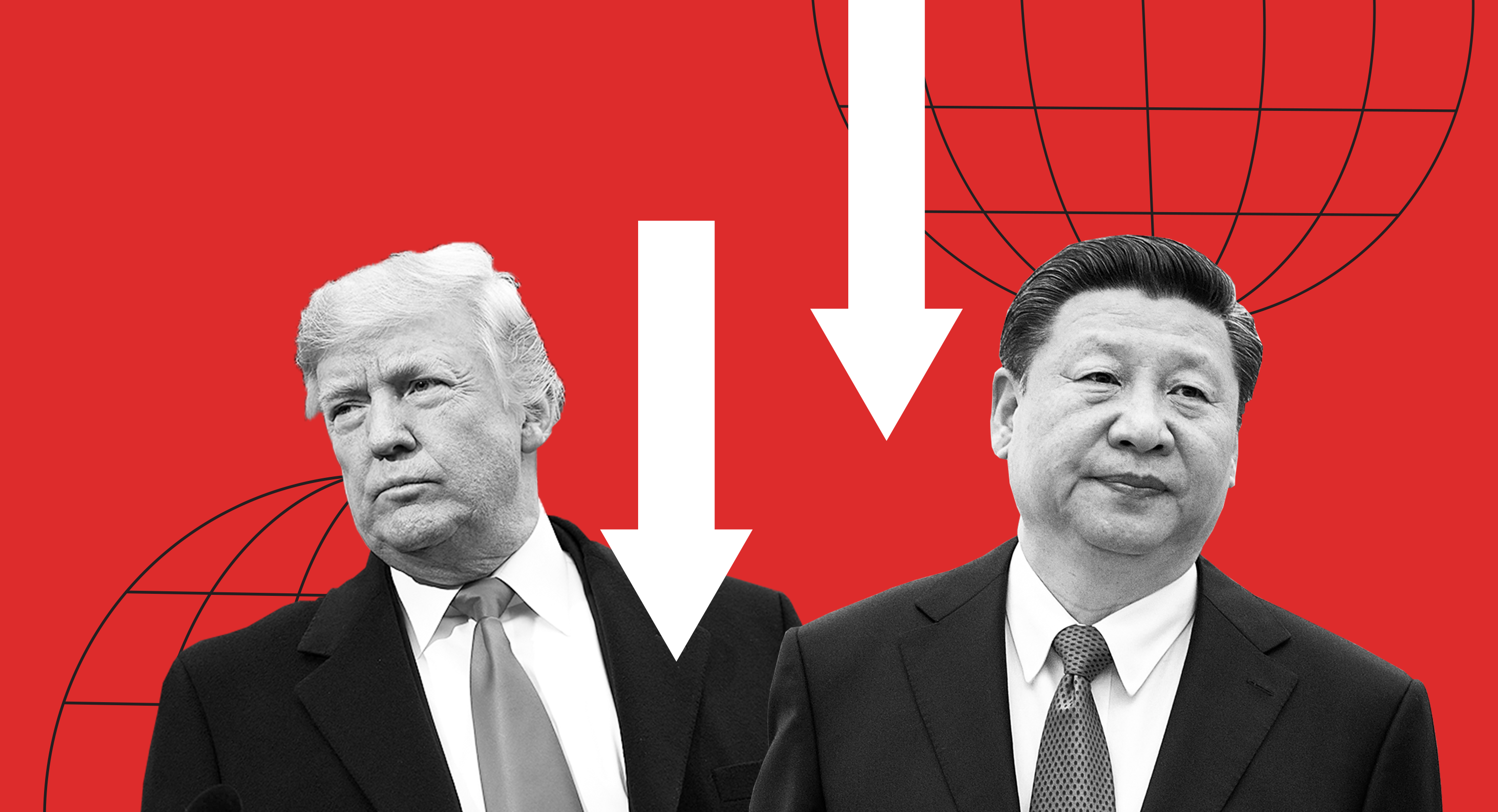
Beijing believes that Washington is overestimating its own leverage and its ability to handle the trade war’s impacts.


Rick Waters, Sheena Chestnut Greitens
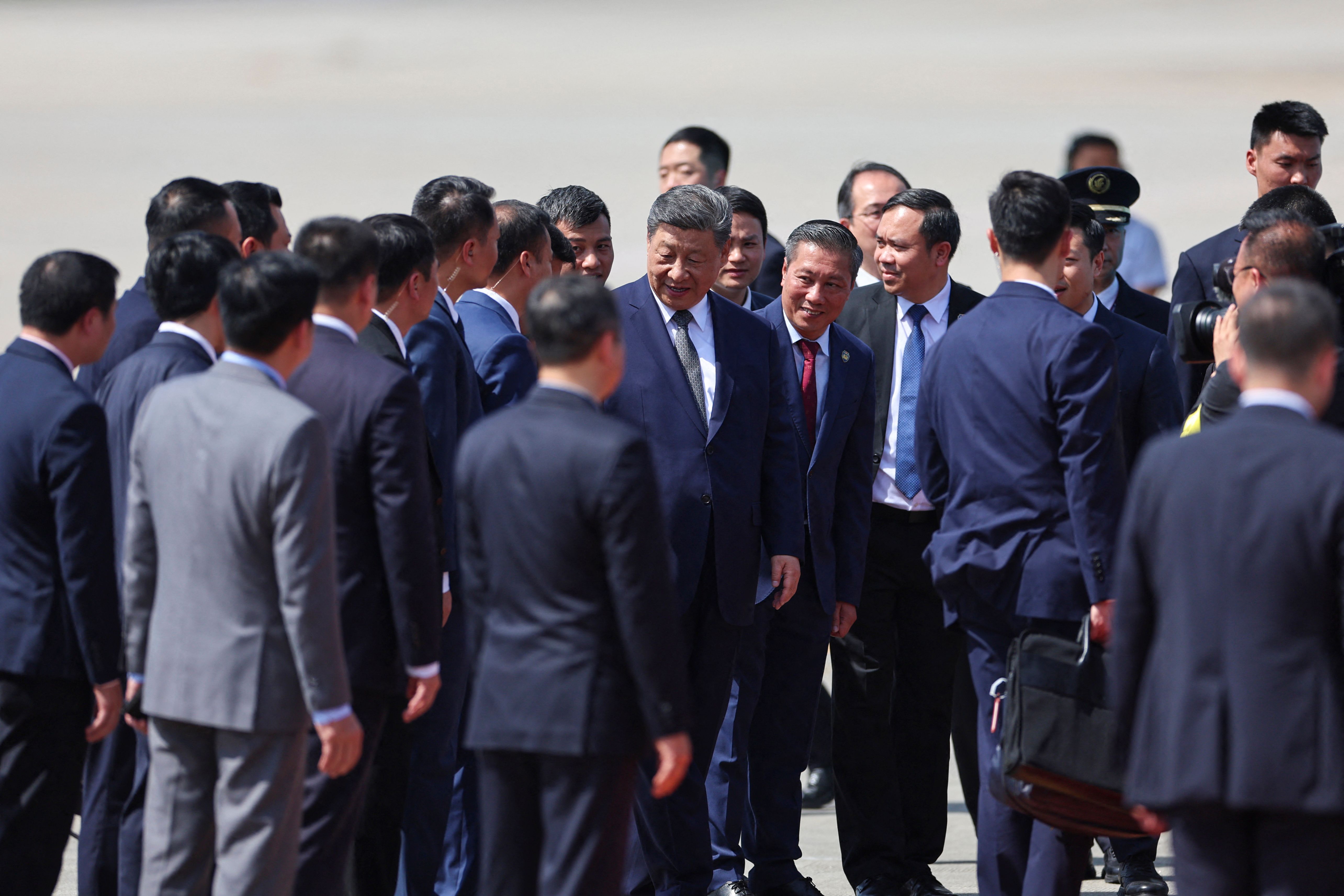
Tapping our network of China experts in the region, Carnegie China offers this latest “China Through a Southeast Asian Lens” report to offer preliminary assessments of whether the U.S. effort to reshape the global trading order will lead countries in the region to tilt toward Beijing.



Selina Ho, Khin Khin Kyaw Kyee, Joseph Ching Velasco, …
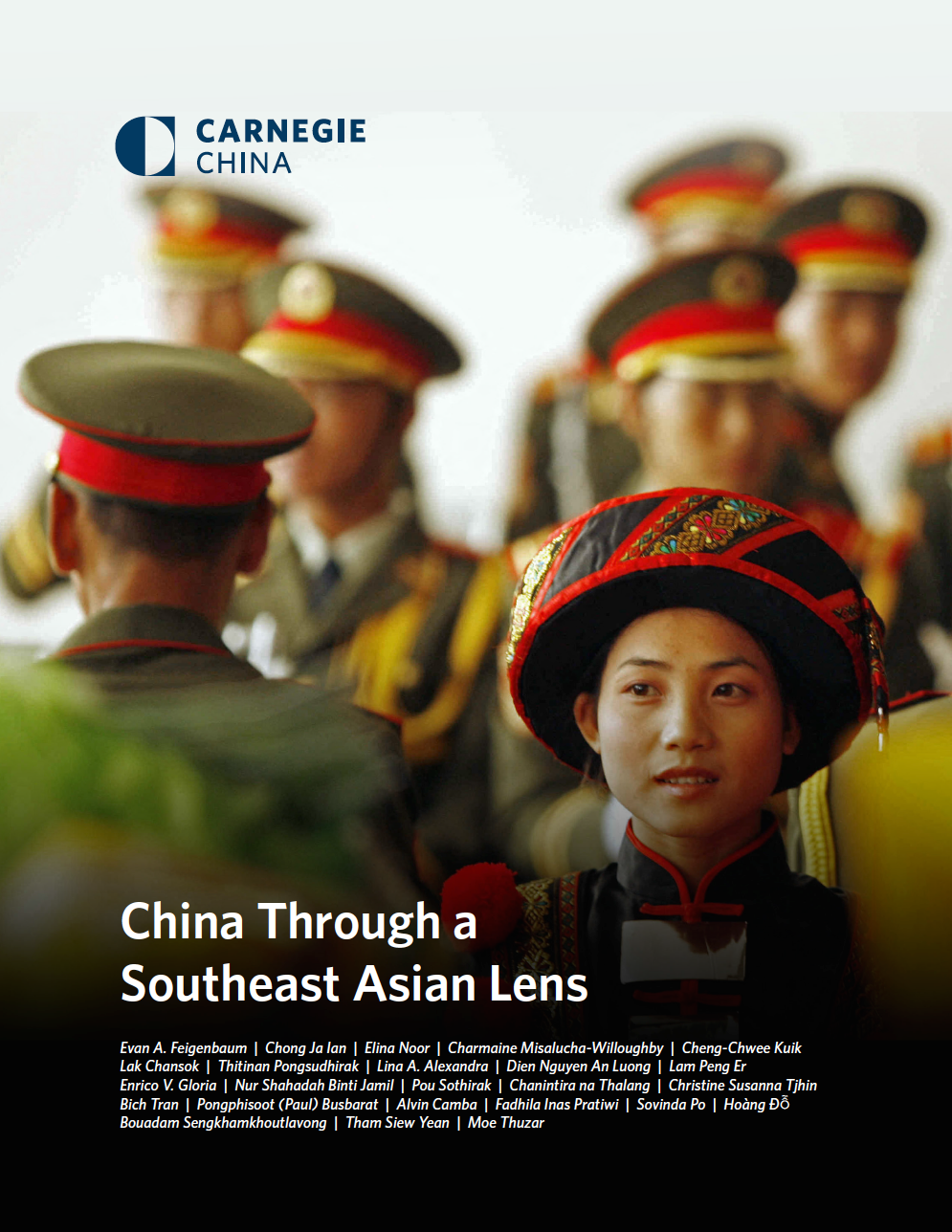
Because strategic, economic, and ideological perceptions of China contain multiple, sometimes contradictory facets in Southeast Asia, receptions of and responses to Beijing diverge across and within state lines.



Evan A. Feigenbaum, Chong Ja Ian, Elina Noor
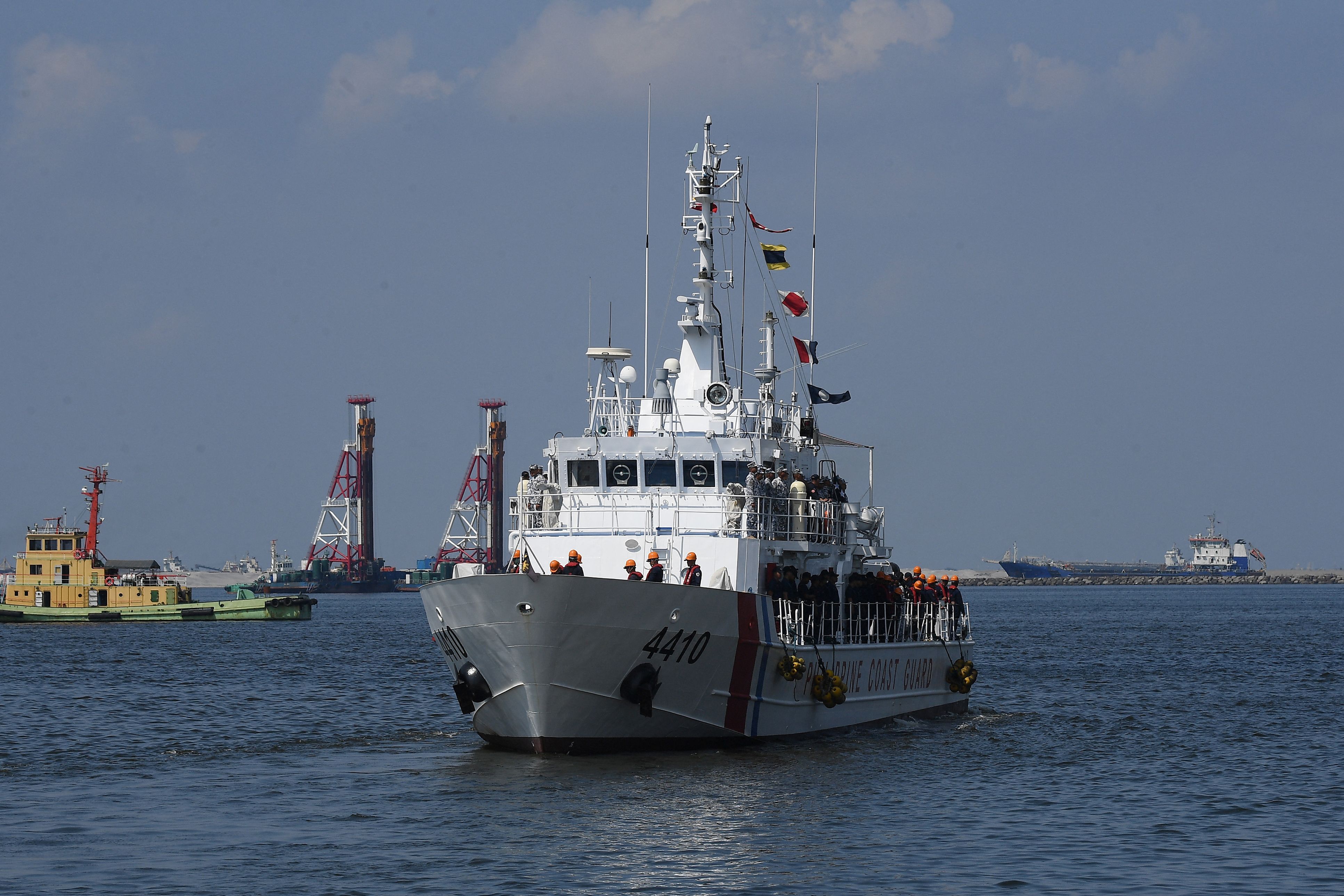
Most Southeast Asian states behave as if the actions of their Northeast Asian neighbors and the Philippines will be sufficient to maintain a regional status quo from which they can benefit.
Chong Ja Ian