

Commentary
Dmitri Trenin
By the beginning of the twenty-first century, Russia had recovered from its domestic crisis, and so had its global ambitions. While Moscow’s principal interests still lie mostly toward the West, the Middle East is back on Moscow’s radar screen and Russia’s withdrawal from the region has been reversed.
Source: The Century Foundation

The Middle East is important to Moscow for several reasons – its physical proximity; the Muslim factor, as continuing religious and political turbulence within the Muslim world brings radical ideas and militants from the Middle East into Russia and impacts Russia’s policy in the Caucasus, the central Russian republics of Tatarstan and Bashkortostan, and post-Soviet Central Asia; large emigration from Russia to Israel, where 20 percent of the population are former Soviet Jews; the energy riches of the region; and Russian attention to the current U.S. focus on the region, and American military involvement in Iraq and Afghanistan.
Reprinted with permission from The Century Foundation.
Former Director, Carnegie Moscow Center
Trenin was director of the Carnegie Moscow Center from 2008 to early 2022.
Recent Work
Dmitri Trenin
Dmitri Trenin
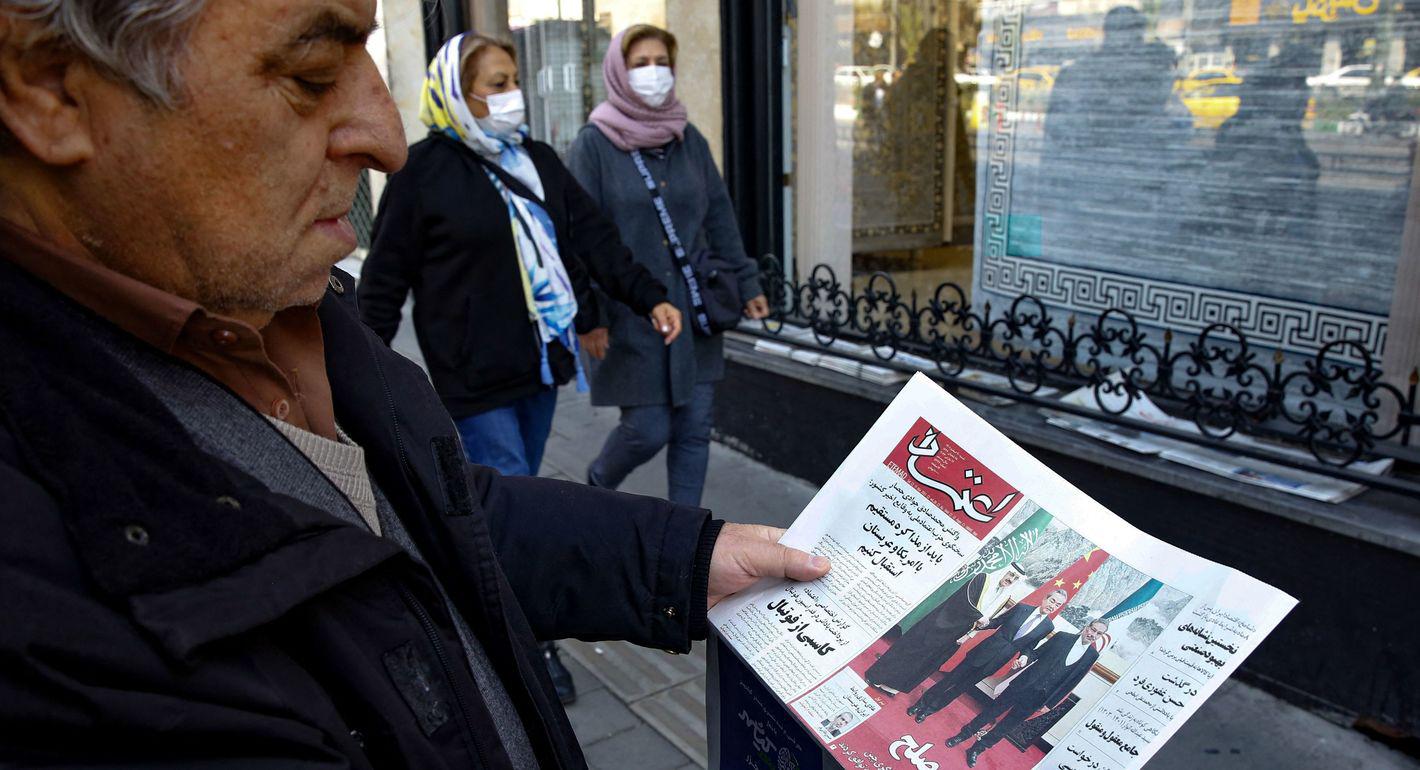
Transactional relationships are stable but can be shallow.



Paul Haenle, Maha Yahya, Benjamin Ho, …

It’s about managing oil prices, bread prices, and strategic partnerships.



Amr Hamzawy, Karim Sadjadpour, Aaron David Miller, …
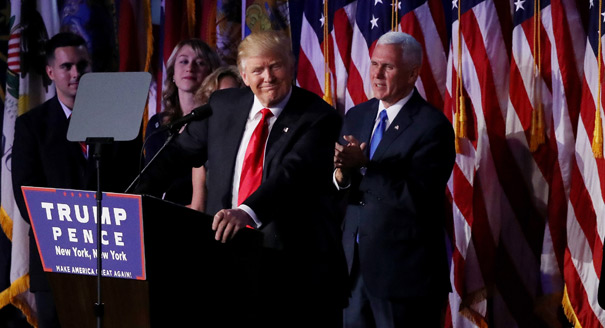
The world reacts to the election of Donald Trump and its potential implications.


Thomas Carothers, Lizza Bomassi, Amr Hamzawy, …
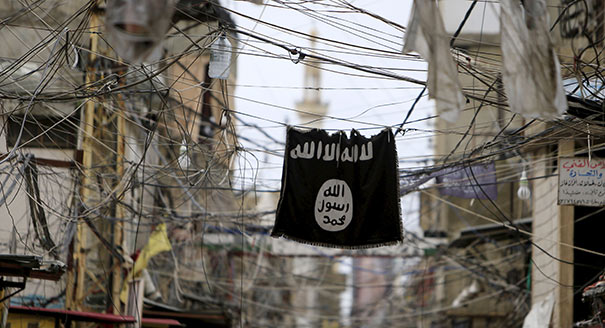
The Islamic State’s ideology is multifaceted and cannot be traced to one individual, movement, or period. Understanding it is crucial to defeating the group.
Hassan Hassan
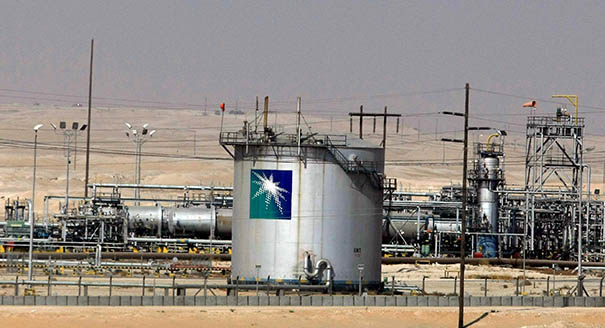
The Middle East is vital to China’s present and future energy interests, but the region’s thorny geopolitics make Chinese state-owned firms hesitant to make large investments there.
Wang Tao