

Commentary
Alexey Malashenko
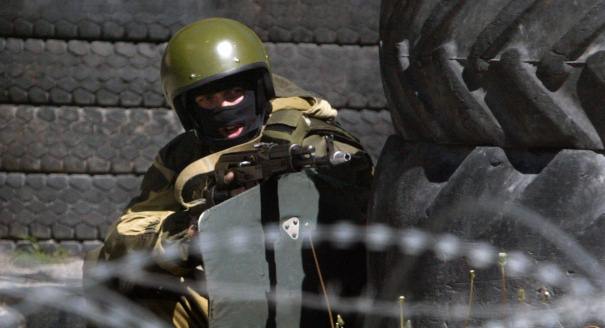
Source: Getty
The militant attack on Chechen President Ramzan Kadyrov’s home village has shown the vulnerability of the Kadyrov regime, which is commonly considered the most successful in the North Caucasus and quite capable of guaranteeing stability.
The recent militant attack on Chechen President Ramzan Kadyrov’s home village of Tsentoroi was something out of the ordinary. It is true that the North Caucasus has already been linked to a number of sensational terrorist attacks this year, including two presidential assassination attempts (against both Kabardino-Balkaria President Arsen Kanokov and Kadyrov), the blasts at the Baksan Hydroelectric Power Station, and the Moscow metro bombings. However, this latest attack strikes a blow at the very heart of the Caucasus vertical power structure.
What does this upsurge in violence mean and where does it stem from?
First of all, no significant changes have taken place in the region since the decisions to create a separate North Caucasus Federal District and appoint successful manager Alexander Khloponin to oversee it.
Second, the opposition has become even more active and its attacks even more painful than was the case, say, two years ago.
The militants continue to suffer losses, and Caucasus Emirate – considered the most powerful, even if numerically small, Islamist group in the region – suffers from internal contradictions. However, they still have a good margin of support. The “bandits,” as the authorities like to call them, have shown once again that whatever one calls them – terrorists, extremists, wahhabites – they are anything but common criminals.
Third, simply counting the number of militants killed, captured, or abandoning the struggle makes it clear that they number not just mere dozens, but hundreds or even thousands. This is because they are constantly receiving fresh blood, and they have the sympathy of a fair share of the local population. Local politicians and the authorities in Moscow indirectly admit this with their increasingly frequent attempts to intimidate the “accomplices of the bandits” – that is to say, people who give the militants passive assistance.
Fourth, the Islamists are spreading their activities over an increasingly large territory. Kabardino-Balkaria, which was still relatively stable not long ago, is looking more and more like Ingushetia. Experts warn of possible destabilization in Karachayevo-Cherkessia, where the “Cherkessian” factor is becoming more and more prominent, provoked by the decision to organize the 2014 Olympics on the site of Cherkessian burial grounds.
Fifth, the attack on Tsentoroi has shown the vulnerability of the Kadyrov regime, which many consider the most successful in the North Caucasus and quite capable of guaranteeing stability. However, the attack proved that Kadyrov’s reliance on use of force alone as a tactic does not work. It seems that Kadyrov himself is beginning to understand this, as he recently decided to reach an agreement with his opponents from the Yamadayev clan, the second most influential clan in Chechnya.
Sixth, the almost synchronous attacks by militants in different North Caucasian republics demonstrate that the federal counterterrorist strategy in the North Caucasus is not working and, despite some success, will not accomplish the task of establishing and maintaining stability in the region.
Seventh, in a natural response to the upsurge in militant activity, some Caucasus politicians, in particular Dagestani leader Magomedsalam Magomedov, have proposed establishing their own military units made up of selected local people, arguing that only local inhabitants can fight with success in the mountains and forests. The federal authorities appear quite receptive to this idea. However, the formation of such units risks tipping the balance toward civil war.
Eighth, it is obvious that social and economic problems – such as creating jobs, building modern infrastructure, and developing a big tourism cluster (a project for which 480 billion roubles have been allocated) – can be resolved only if political problems are settled. These political problems are manifold – lack of confidence in the authorities (both local and federal), corruption, and ineffective laws, just to name a few. Such problems are the main obstacle towards economic development and modernization, without which the Caucasus region has no future.
But it seems for now as though Moscow, where there has been so much talk about the need to develop the regional economy and make real progress in the social sector, has not yet started thinking seriously about the political aspect of life in the North Caucasus.

Former Scholar in Residence, Religion, Society, and Security Program
Malashenko is a former chair of the Carnegie Moscow Center’s Religion, Society, and Security Program.
Recent Work
Alexey Malashenko
Alexey Malashenko
Carnegie does not take institutional positions on public policy issues; the views represented herein are those of the author(s) and do not necessarily reflect the views of Carnegie, its staff, or its trustees.

In the latest Five-Year Plan, the Chinese president cements the shift to an innovation-driven economy over a consumption-driven one.

Damien Ma
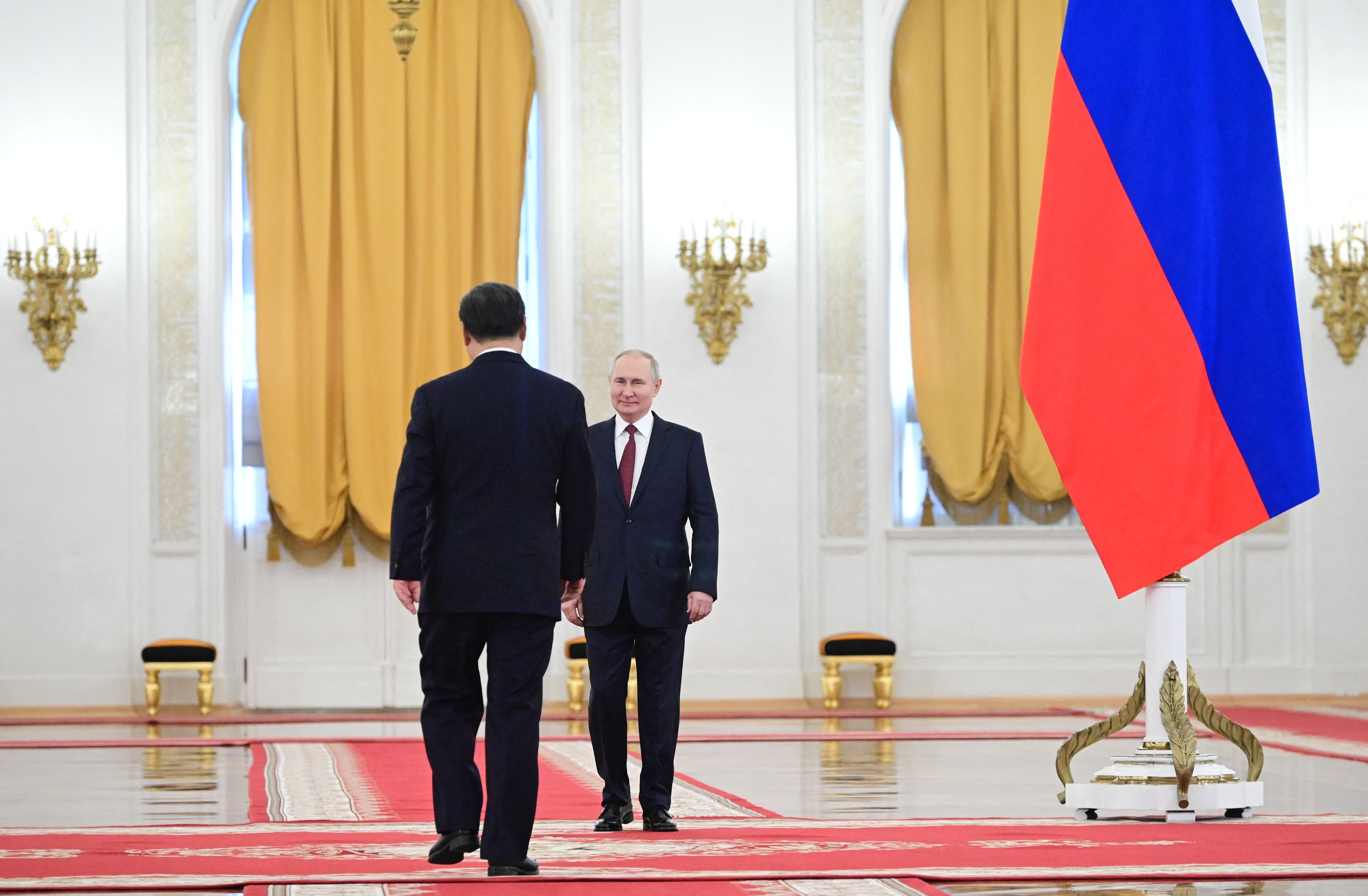
Beijing is trying to navigate the overall situation regarding Ukraine, especially the substance of interactions between Washington and Moscow.



Ellen Nakashima, Zhao Long, Pavlo Klimkin, …
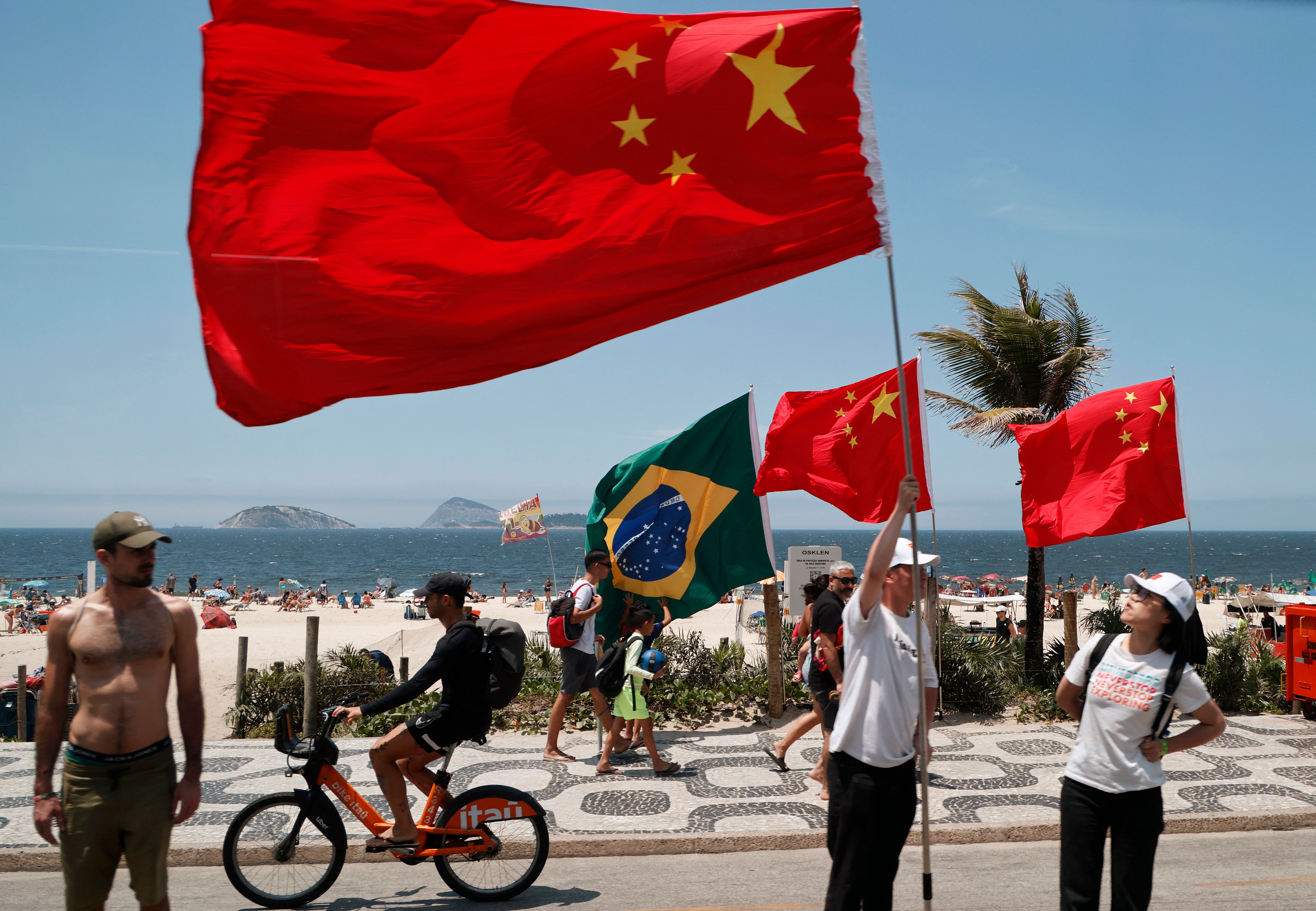
While China will remain a significant political and economic force in the Global South, its ambition to leverage the Global South as a counterbalance to the United States and the Global North is far from assured.

Xue Gong
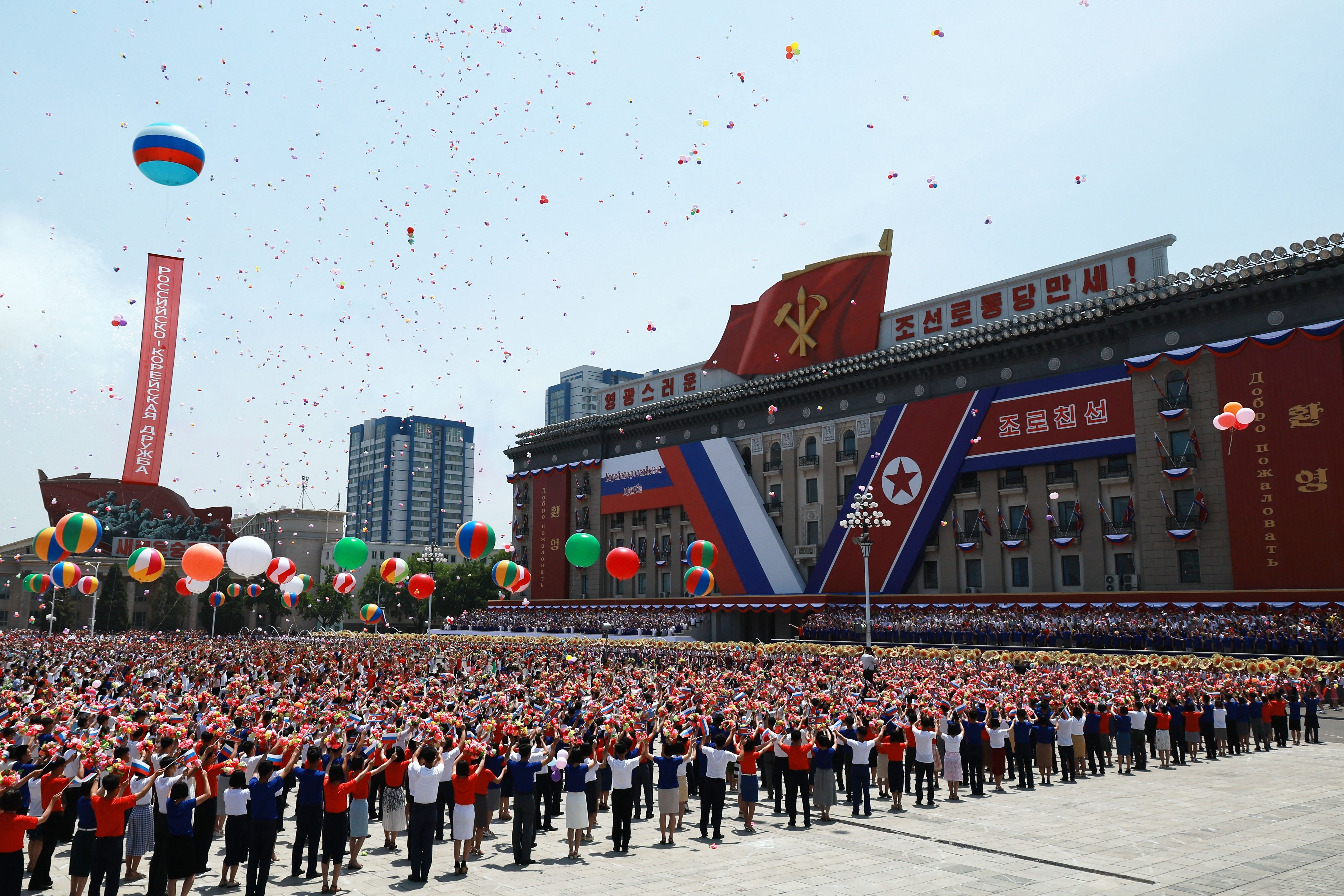
Faced with an increase in strategic maneuvering by Moscow and Pyongyang, Beijing will not sit idly by and allow Putin and Kim to shape the security environment on its behalf.

Tong Zhao
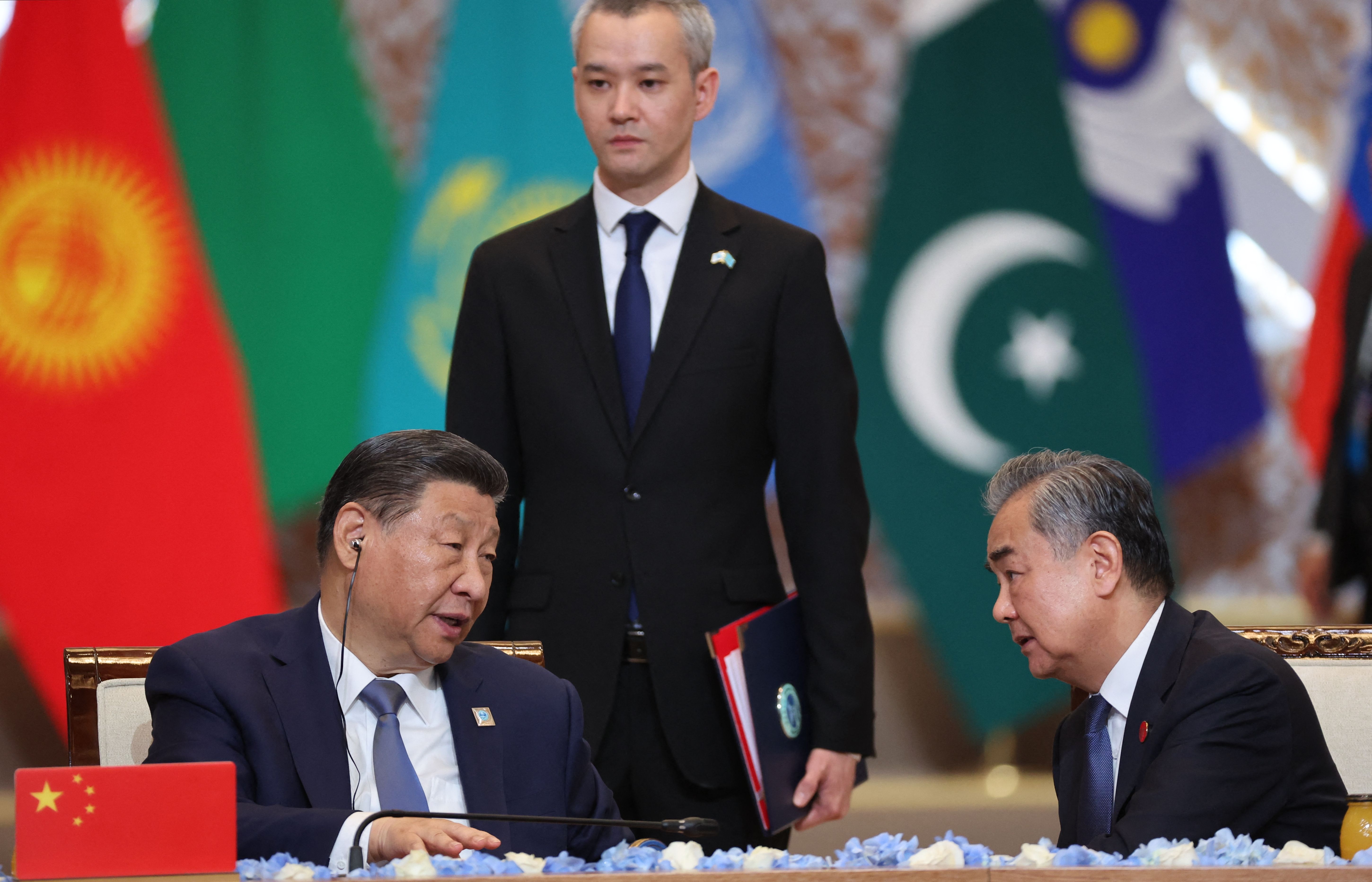
China’s growing attention to Central Asia is perceived as a harbinger of tectonic shifts in regional geopolitics.

Temur Umarov