

Other
- +1
Dmitri Trenin, Sergei Aleksashenko, Sam Greene, …
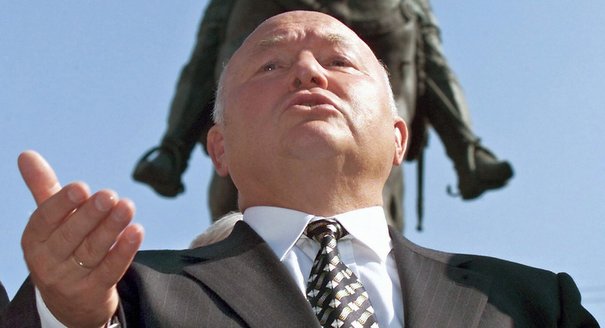
Source: Getty
The person who is chosen to replace ousted Moscow Mayor Luzhkov is less important than the extent to which the new City Hall changes its relationship with Moscow's citizens, business community, and its political opponents.
With the summary dismissal of Moscow Mayor Yury Luzhkov by President Dmitry Medvedev, speculation will begin about who will replace him, the alleged splits between Medvedev and Vladimir Putin, and other more or less obscure aspects of Kremlinology. Those wondering whether or not Luzhkov’s firing signals real change, however, will have to wait and see how a number of other issues play out. Among these are the following:
First, how ambitious will the new mayor be? To a certain extent, the degree to which Moscow’s new manager comes in with sweeping plans for reform will be a factor of his (and almost certainly his) personality. More fundamentally, though, this will signal exactly how willing the Kremlin is to shake up the core of the Russian economy. Medvedev’s modernization cannot succeed without a significant change to the role Moscow plays in Russian life, transforming it into a globalized, citizen-, business- and traveler-friendly metropolis, while simultaneously encouraging business to move outside of the capital in search of less crowded climes. Aside from building skyscrapers, Luzhkov was singularly uninterested in any of this, but neither was the Kremlin. An ambitious new mayor will fail without his president’s backing.
Second, will the public face of Moscow change? In recent months and years, Moscow has gained a deserved reputation domestically and internationally as a center of banned protests and political overreaching. The new City Hall will thus have plenty of opportunities to demonstrate how different it is from its predecessor. The first of these will come in mid-October, when the liberal opposition files for permission to hold its traditional bimonthly rally on October 31st – permission Luzhkov steadfastly denied. Granting the request – and then doing the same for environmentalists, historical preservationists and even sexual minorities – would be a major change indeed. So would revisiting the city’s sweeping General Plan, adopted recently over the howls of citizens, and halting the relentless destruction of the city’s historical center.
Third, will Moscow do business differently? Business throughout Russia is a highly monopolized game, but Moscow is among the worst – and the construction industry is at the core of the problem. While no one expects Luzhkov and his wife to be tried for corruption or even lose control of their business assets, a mayor who fails to break the cozy relationships between City Hall and major developers will struggle to prove that he’s any better than his predecessor.
Lastly, will Moscow play politics differently? Luzhkov began as an opponent of Putin and was eventually brought on board, becoming a founding member of the United Russia party that rules the country. Whoever becomes mayor, power will remain with United Russia, which controls all but three seats in the City Duma as the result of what were widely believed to be fraudulent elections. But a new administration – one that wants to prove it is less out of touch with Muscovites than Luzhkov’s – could allow for fairer political representation of the pluralism that thrives in Moscow more than anywhere else in the country. A truly progressive, though highly unlikely, move would be to call for early elections. A more subtle but no less powerful move, however, would be to allow for more pluralism on TV-Center, City Hall’s popular television channel. Another idea would be to stop backing organizations like Mestnye (Locals), a city-controlled youth group aligned with United Russia known for nationalist and xenophobic rhetoric, particularly aimed at the migrants who make the city function.
The likelihood, in all cases, is that Moscow will continue to look and feel a lot like it did under Luzhkov, with any changes being mostly cosmetic. For all his bluster and financial might, Luzhkov himself long since ceased being truly master of Moscow, as the Kremlin – first under Putin and now under the tandem with Medvedev – came to recognize the strategic importance of controlling the capital’s flows of people, money and ideas. But if Russia’s federal government wants to prove how serious it is about both political and economic modernization, this is its chance.
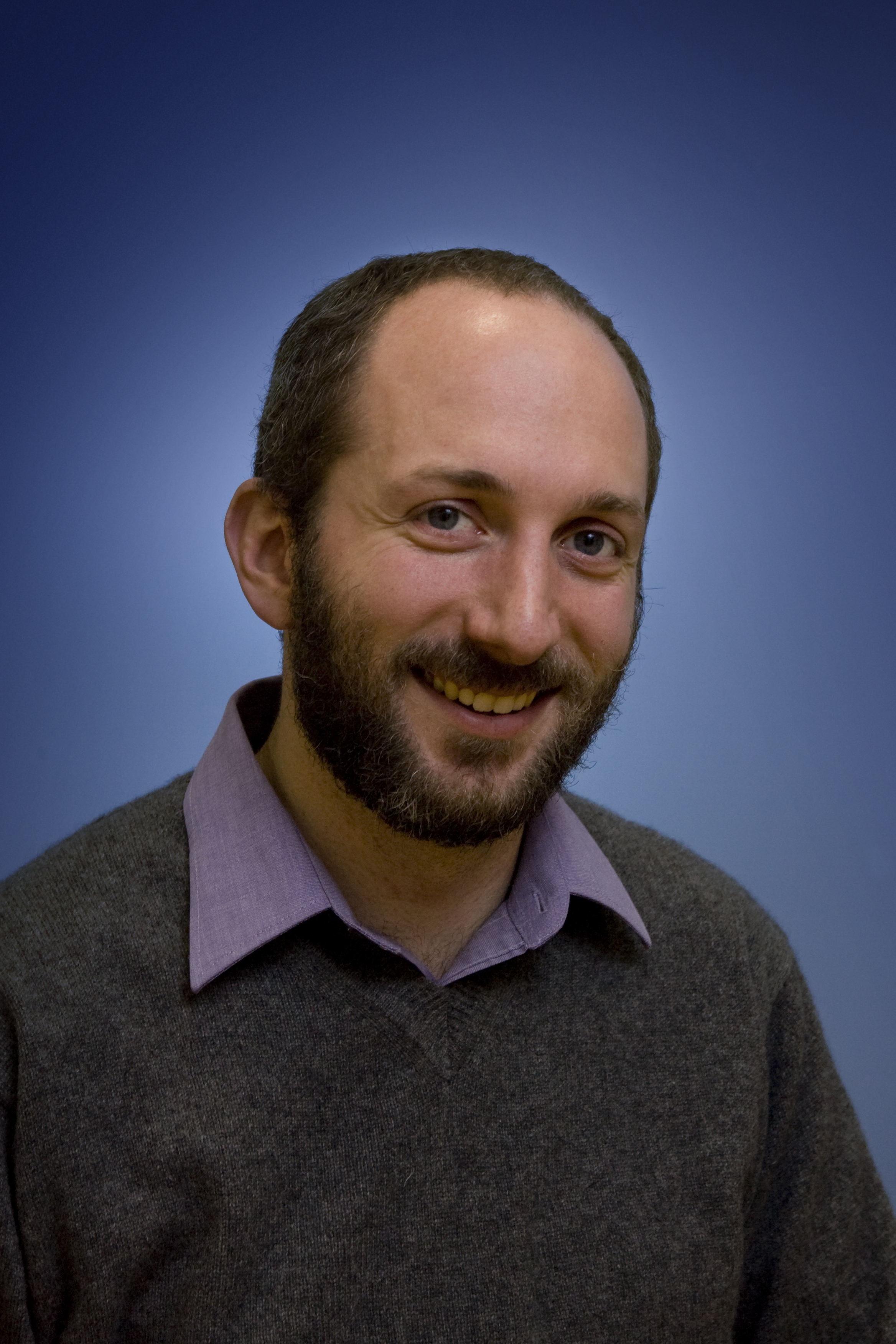
Former Deputy Director for Operations, Moscow Center
Sam Greene was a deputy director for operations at the Moscow Center. He joined the Moscow Center in 2005. Previously, he was senior media program advisor for the New Eurasia Foundation, and a London and Moscow correspondent for FT Business.
Recent Work
Dmitri Trenin, Sergei Aleksashenko, Sam Greene, …
Sam Greene
Carnegie does not take institutional positions on public policy issues; the views represented herein are those of the author(s) and do not necessarily reflect the views of Carnegie, its staff, or its trustees.

In the latest Five-Year Plan, the Chinese president cements the shift to an innovation-driven economy over a consumption-driven one.

Damien Ma
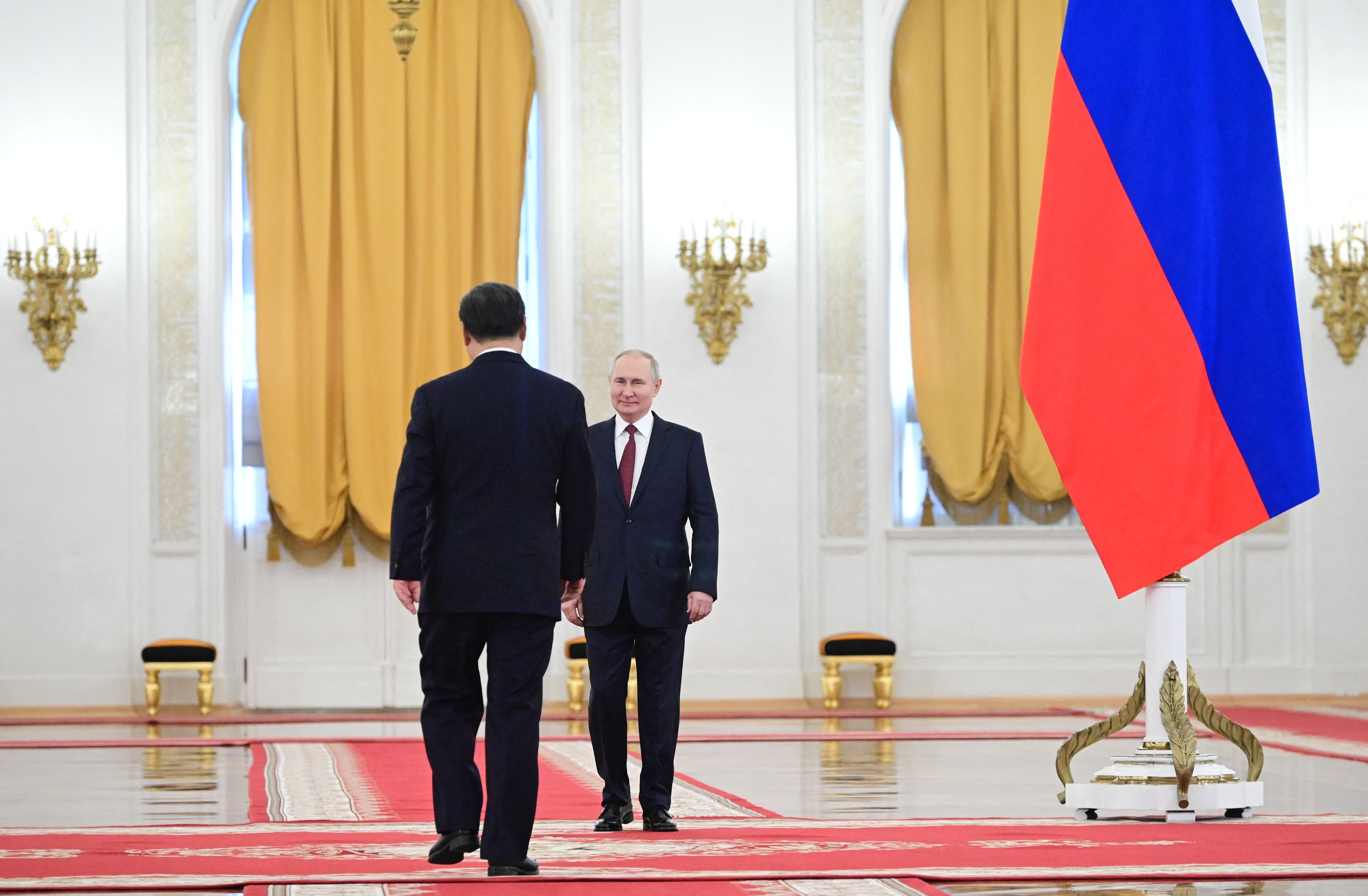
Beijing is trying to navigate the overall situation regarding Ukraine, especially the substance of interactions between Washington and Moscow.
Ellen Nakashima, Zhao Long, Pavlo Klimkin, …
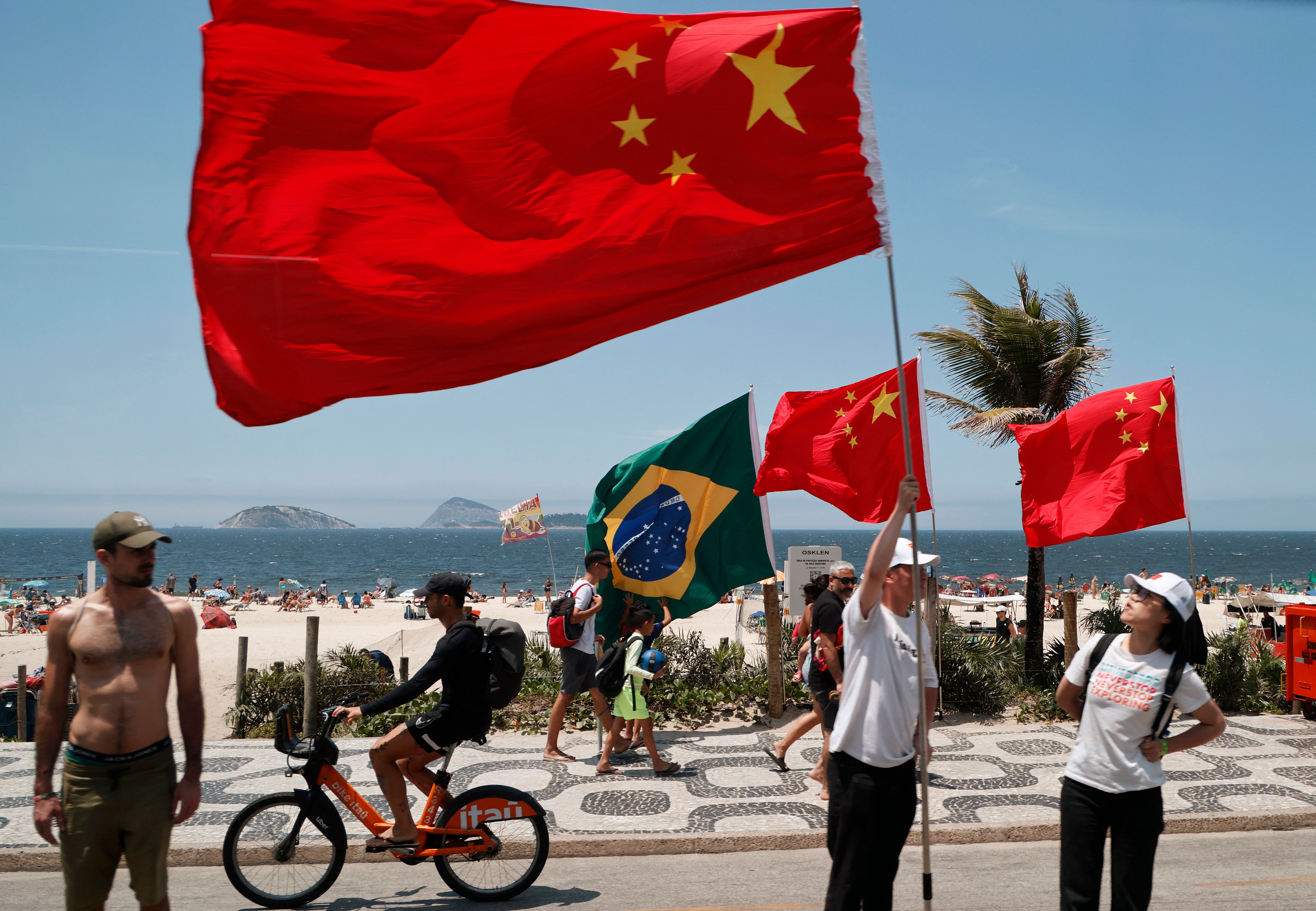
While China will remain a significant political and economic force in the Global South, its ambition to leverage the Global South as a counterbalance to the United States and the Global North is far from assured.

Xue Gong
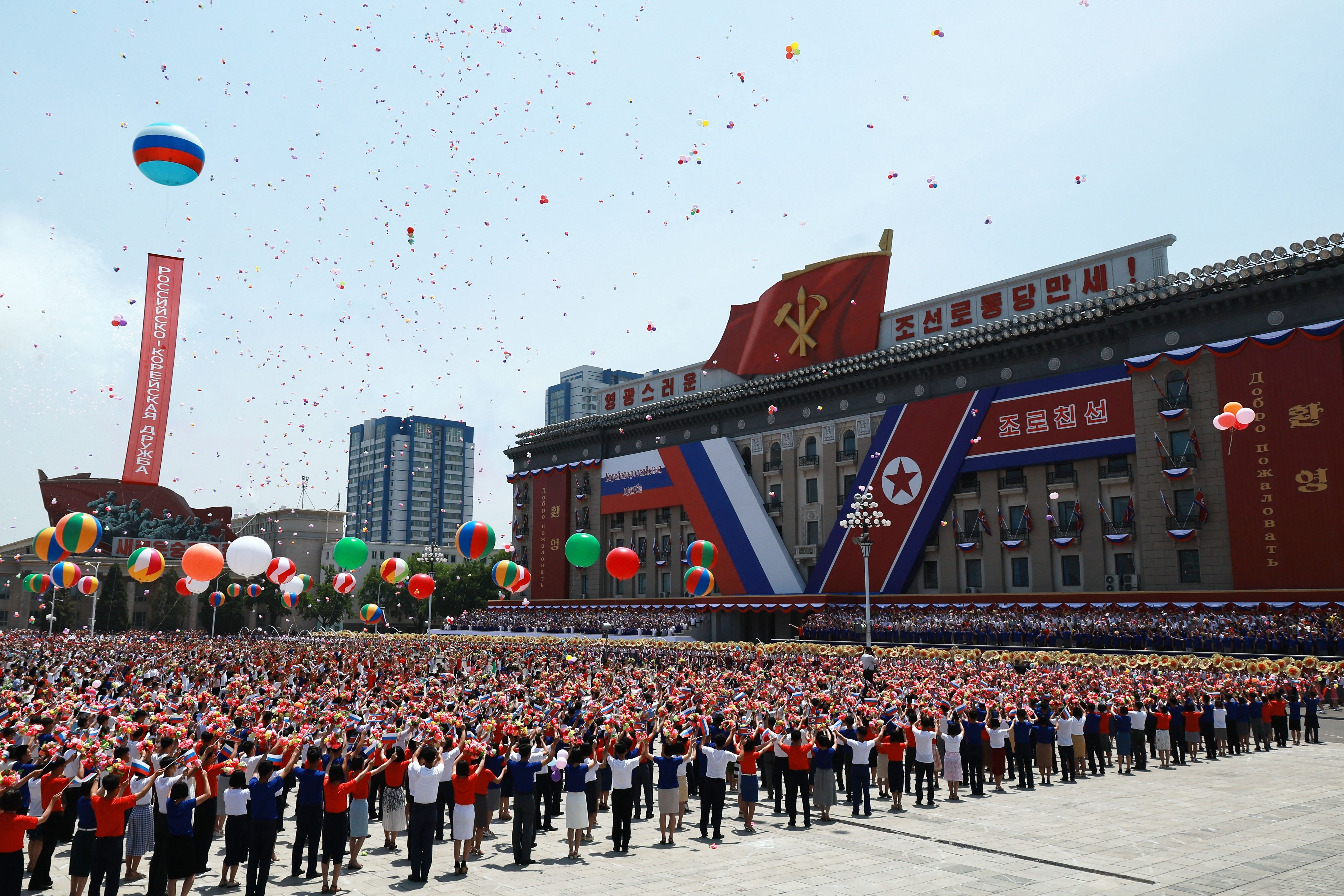
Faced with an increase in strategic maneuvering by Moscow and Pyongyang, Beijing will not sit idly by and allow Putin and Kim to shape the security environment on its behalf.

Tong Zhao
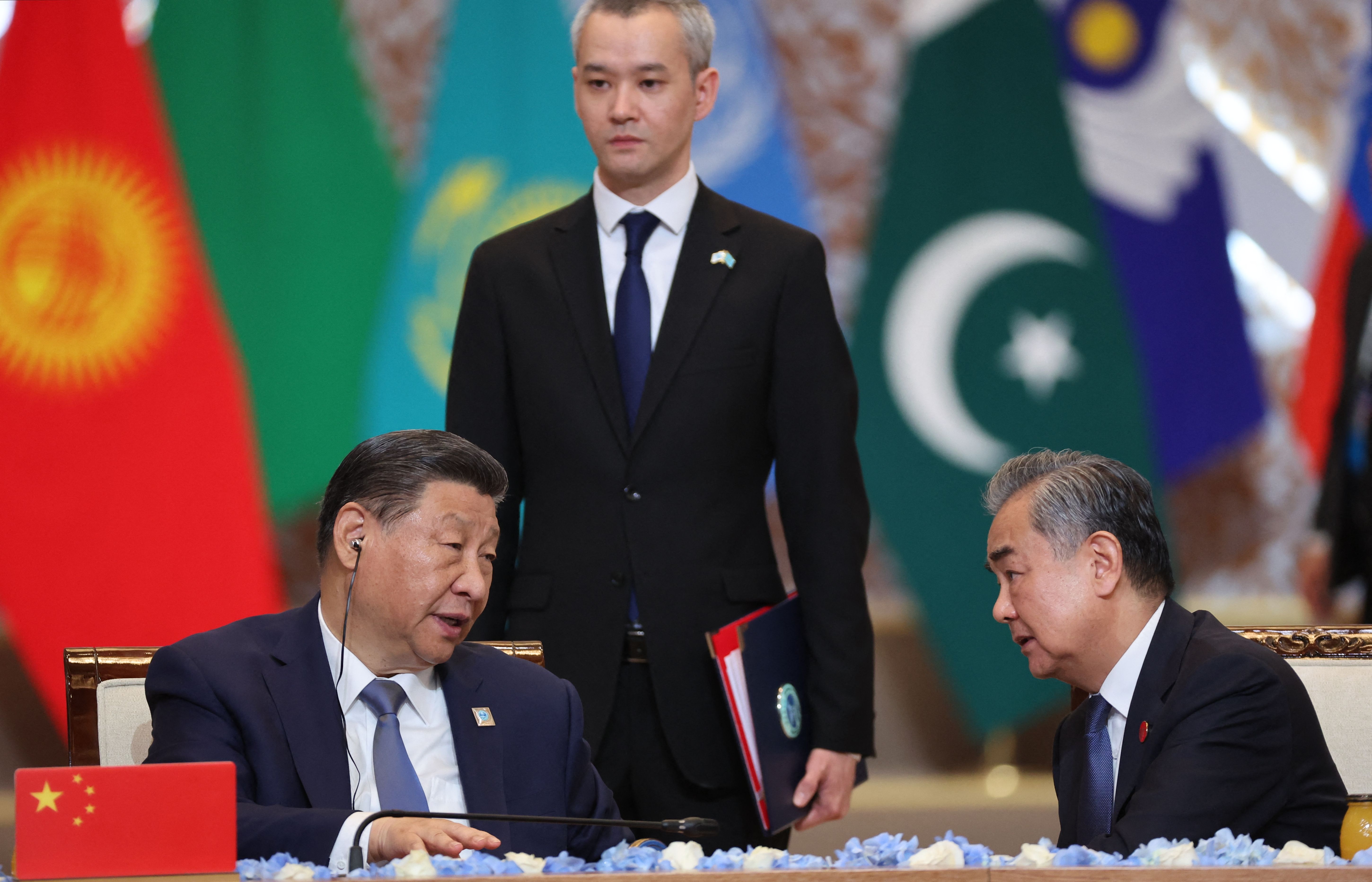
China’s growing attention to Central Asia is perceived as a harbinger of tectonic shifts in regional geopolitics.

Temur Umarov