

In The Media
Lilia Shevtsova

While the "reset" in U.S.–Russian relations has come with closer cooperation on arms control, Afghanistan, and Iran, as long as Russia's system of personalized power rests on anti-Western principles, a true reset is unattainable.
Source: Washington

Is it possible to reform the Russian system from the top? Could technological innovation help Russia’s political liberalization? What are the domestic roots of Russia’s foreign policy and how sustainable is the current reset with the United States?
In Lonely Power, adapted from the Russian version, Lilia Shevtsova questions the veracity of clichés about Russia—by both insiders and outsiders—and analyzes Russia’s trajectory and how the West influences the country’s modernization.
Rejection of real reform in Russia risks gradual decay of the political system or even state collapse. Russia can break this vicious circle only if it rejects personalized power and if the West helps Russia transform economically and politically.
“Lilia Shevtsova is one of Russia's best-known political analysts, equally at home in the academic world and in the more robust exchanges of journalism and the media.”
—The Economist on the Russian version of Lonely Power
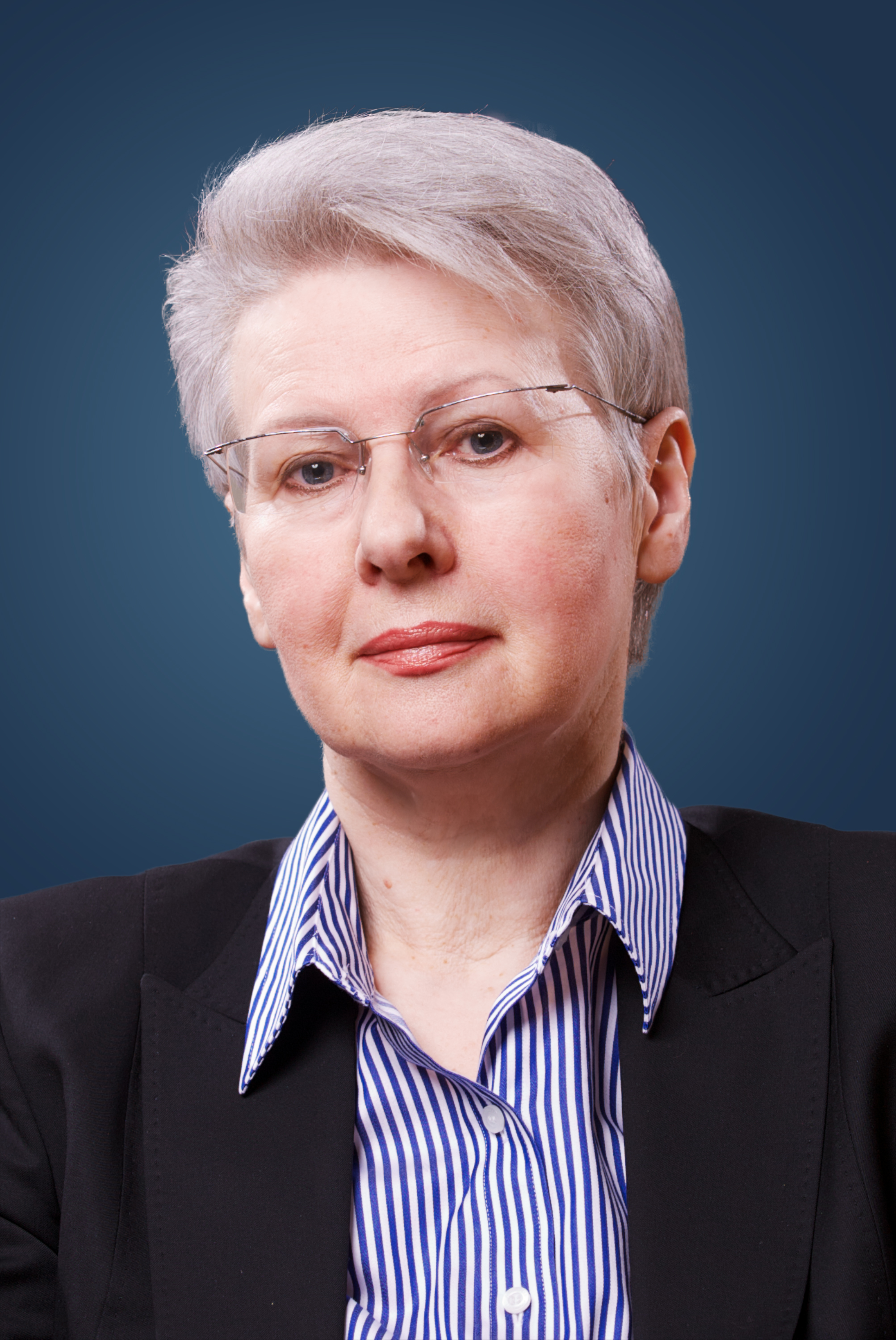
Former Senior Associate, Russian Domestic Politics and Political Institutions Program, Moscow Center
Shevtsova chaired the Russian Domestic Politics and Political Institutions Program at the Carnegie Moscow Center, dividing her time between Carnegie’s offices in Washington, DC, and Moscow. She had been with Carnegie since 1995.
Recent Work
Lilia Shevtsova
Lilia Shevtsova
Carnegie does not take institutional positions on public policy issues; the views represented herein are those of the author(s) and do not necessarily reflect the views of Carnegie, its staff, or its trustees.

But their "principal to principal" model will only be as effective as the political strength of each leader back home.

Damien Ma

U.S. unpredictability has allowed China to capitalize on its positioning as the “responsible great power”. Paradoxically, the more China wins the perception game, the more likely expectations will rise for Beijing to deliver not just words but to demonstrate with its deeds.

Chong Ja Ian

Hanoi and Beijing have long treated each other as distant cousins rather than comrades in arms. That might be changing as both sides draw closer to hedge against uncertainty and America’s erratic behavior.

Nguyễn Khắc Giang

Across Asia, China is better positioned to withstand energy shocks from the fallout of the Iran war. Its abundant coal capacity can ensure stability in the near term. Yet at the same time, the country’s energy transition away from coal will make it even less vulnerable during the next shock.
Damien Ma

Malaysia’s chairmanship sought to fend off short-term challenges while laying the groundwork for minimizing ASEAN’s longer-term exposure to external stresses.

Elina Noor