

Commentary
Alexey Malashenko
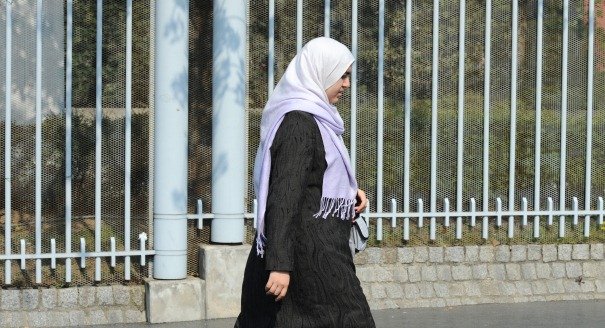
Source: Getty
Politicization and internal disengagement have increased tension within both Russian Orthodoxy and Islam in Russia, and secular and religious authorities are consciously facilitating these societal divisions in an effort to strengthen their positions.
This past summer in Russia has been marked by flare-ups of religious tension. These tensions reflect conflict within, rather than between, the major religions in Russia—Russian Orthodoxy and Islam. The Pussy Riot trial, the attempted assassination of Tatarstan’s mufti Ildus Faizov, the murder of Tatarstan’s most prominent Islamic traditionalist Valiulla Yakupov, and the death of Dagestan’s most influential Islamic leader, sheik Said Afandi al-Chirkawi, all reflect the general state of both religions. This state can be briefly characterized by two words: politicization and disengagement.
Internal Islamic strife—actually, internal Christian strife as well—has long-standing historical roots and is characteristic of practically the entire Muslim world. However, increasing acts of violence in the center of Russia, caused by this conflict within Islam, are a new phenomenon of the country’s public life. Russians are already accustomed to sporadic escalations of the latent civil war in the North Caucasus, and the “jihad” there looks like a distinct fragment of Russian political panorama. The July terrorist attacks in Tatarstan are uncommon and therefore shocking. However, there is already talk about the “caucasusization” of this Russian republic, located in the very center of the Russian Federation.
The regime has adapted to the presence of two Islams—the loyal and obedient one and the opposition, Salafi (Wahhabi) one. In the latter case, the regime convinces everyone and itself that it is dealing with bandits, against whom armored vehicles and helicopters have to be used from time to time. Both “bad” and “good” Islams have long been factors of Russian politics. It seems that in the foreseeable future, these two Islams will remain separate, given that dialogue between the adherents of different Islams has not been working thus far.At the same time, disengagement is found in the midst of Orthodox Christians. The politicization of the Russian Orthodox Church has long been excessive: the Church, its patriarch, and his entourage involved themselves in the secular realm and side with the regime, trying to both serve it and demonstrate its own power and influence. Simultaneously, the Kremlin is trying to integrate Orthodoxy into its ideological framework and even turn it into a part of official ideology.
The Church seeks to provide additional—one might say “religious”—legitimacy to a political power that is losing respect in society. However, not everyone finds it acceptable to side with a Church that throws its complete support to the regime. Just like Muslims, Orthodox Christians do not always share the position of their official spiritual leaders.
As with Islam, Orthodoxy as an ideology has a tendency to split on the basis of its stance toward the state and the authorities. “Bad” and “good” Orthodox Christians start appearing. Recent embarrassing hysterics surrounding the Pussy Riot trial have led to further division in the Orthodox community. The Russian Orthodox Church’s unrelenting and even spiteful stance is causing a significant part of the population to lose confidence in the Church.
Meanwhile, some mysterious, previously unknown organization named “The People’s Will” has destroyed some “memorial crosses” erected in some Russian places as signs of the execution and martyrdom of past Orthodox believers. Whoever these people are, hooligans or provocateurs, their actions arm the regime and the Church with an additional excuse to crack down on dissent, thus creating further schism.
It is clear that political power and religious structures are incapable of stemming societal divisions. Moreover, both secular and religious authorities consciously facilitate such divisions, since they are seeking to strengthen their own positions through galvanizing their supporters and suppressing their opponents. Unable to consolidate the entire society around itself, the ruling class’ actions only enhance one more very dangerous axis of societal tension—this time the religious one. The “divide and rule” maxim has become even more relevant for the regime.
Former Scholar in Residence, Religion, Society, and Security Program
Malashenko is a former chair of the Carnegie Moscow Center’s Religion, Society, and Security Program.
Recent Work
Alexey Malashenko
Alexey Malashenko
Carnegie does not take institutional positions on public policy issues; the views represented herein are those of the author(s) and do not necessarily reflect the views of Carnegie, its staff, or its trustees.

In the latest Five-Year Plan, the Chinese president cements the shift to an innovation-driven economy over a consumption-driven one.

Damien Ma
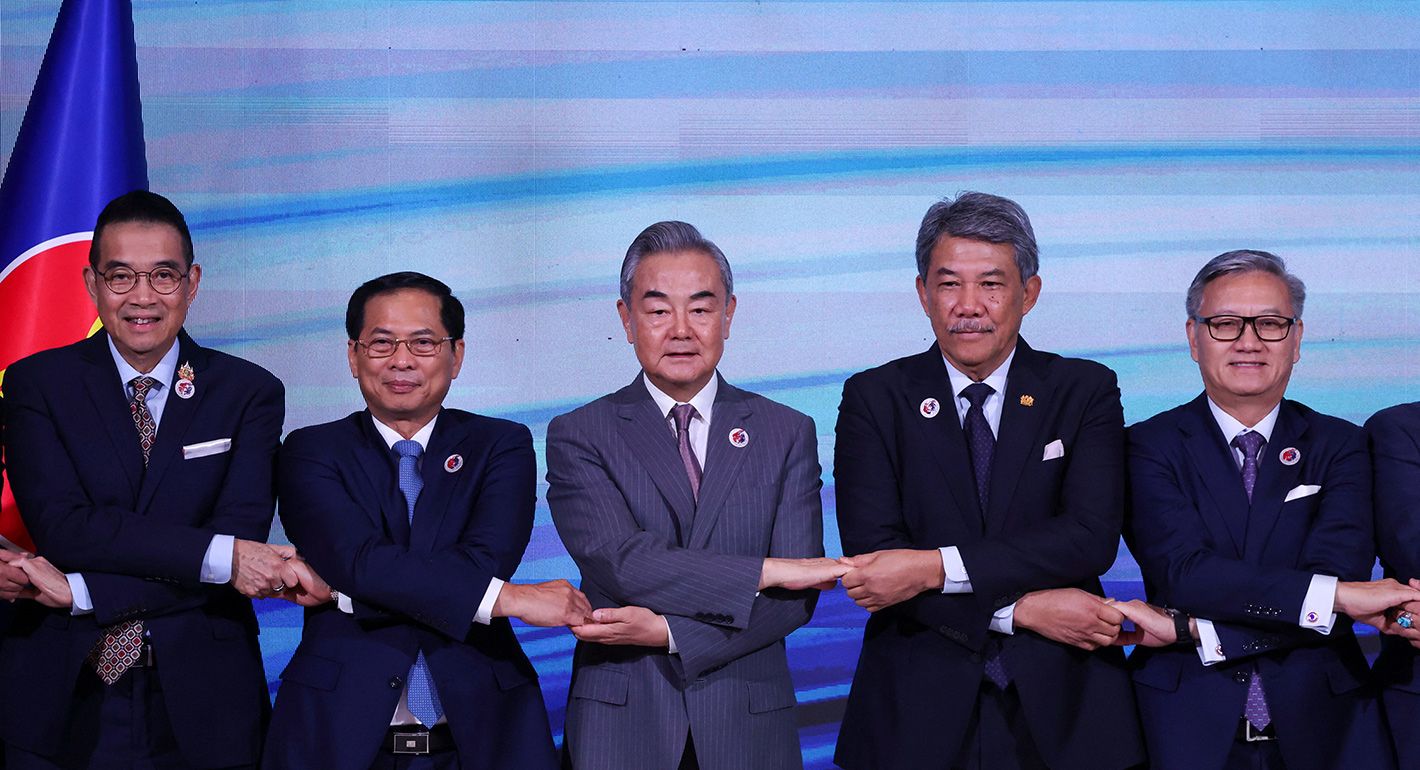
The Thai-Cambodian conflict highlights the limits to China's peacemaker ambition and the significance of this role on Southeast Asia’s balance of power.
Pongphisoot (Paul) Busbarat
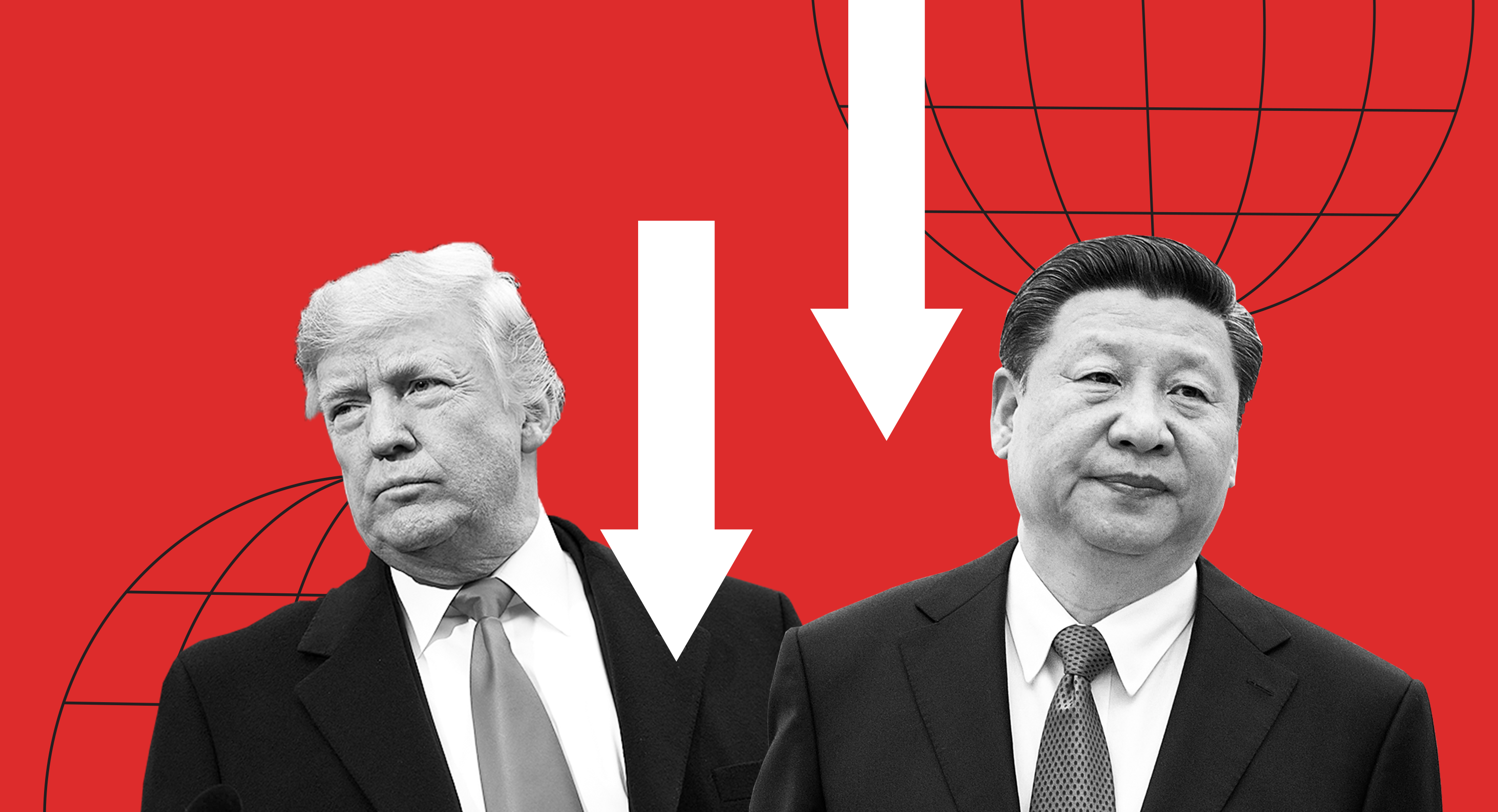
Beijing believes that Washington is overestimating its own leverage and its ability to handle the trade war’s impacts.

Rick Waters, Sheena Chestnut Greitens
Tapping our network of China experts in the region, Carnegie China offers this latest “China Through a Southeast Asian Lens” report to offer preliminary assessments of whether the U.S. effort to reshape the global trading order will lead countries in the region to tilt toward Beijing.

Selina Ho, Khin Khin Kyaw Kyee, Joseph Ching Velasco, …
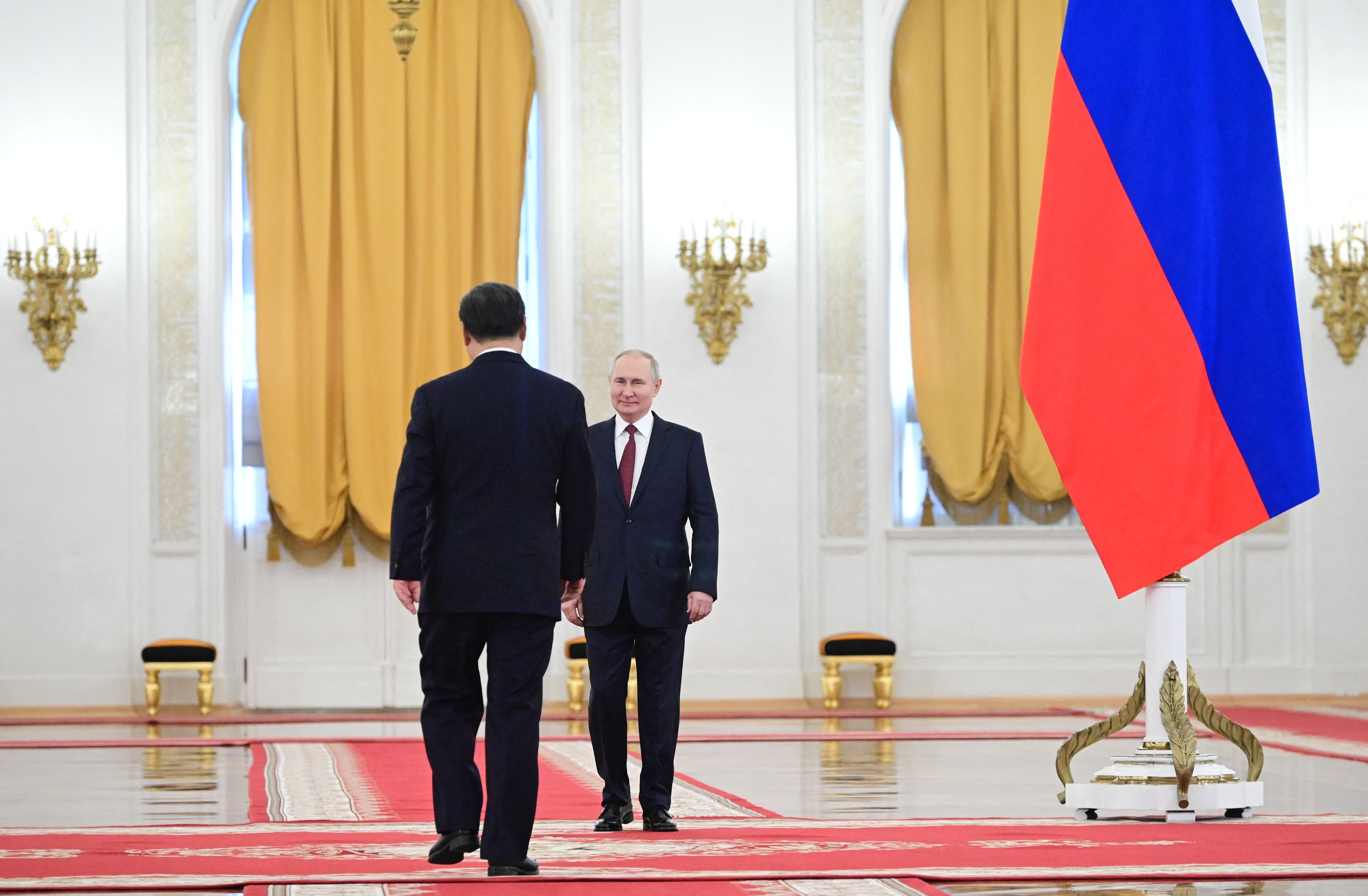
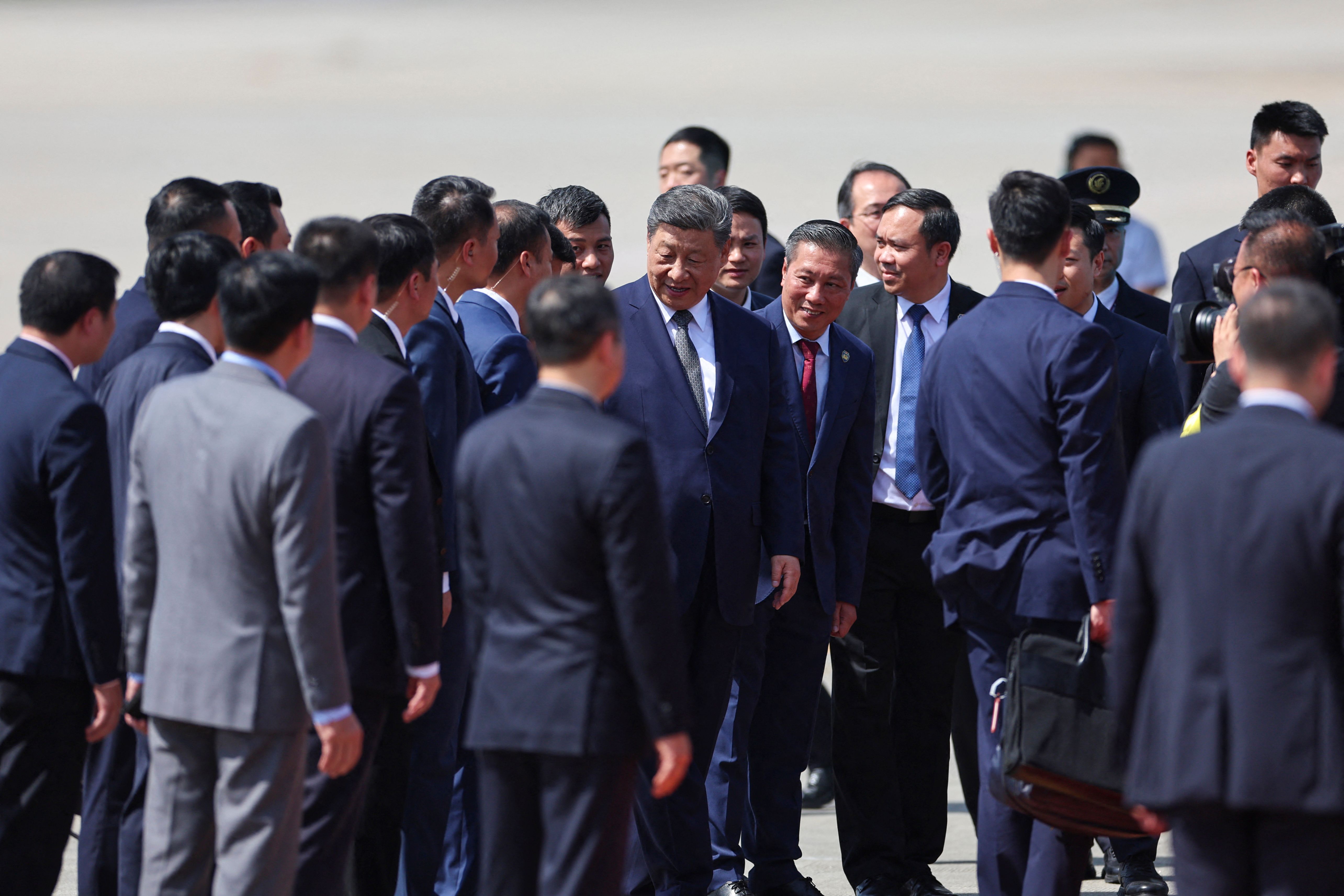
Beijing is trying to navigate the overall situation regarding Ukraine, especially the substance of interactions between Washington and Moscow.
Ellen Nakashima, Zhao Long, Pavlo Klimkin, …