

Commentary
Richard Youngs
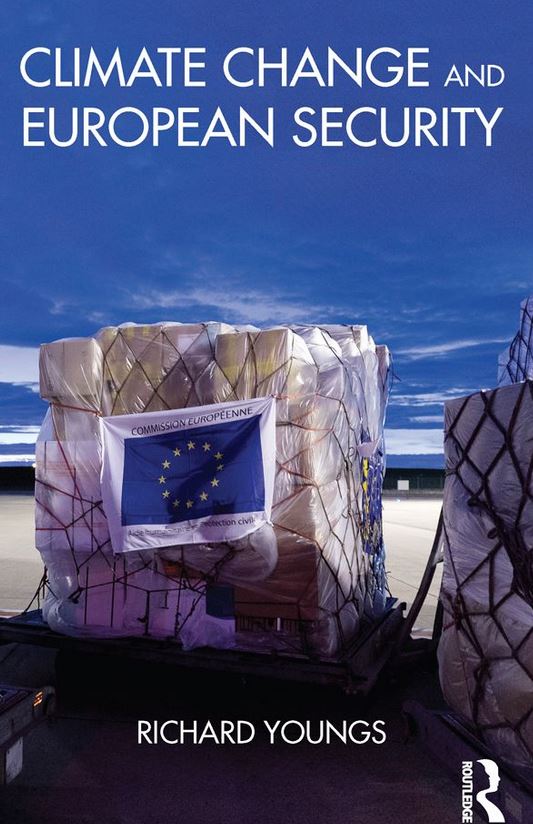
As the EU tackles select elements of climate security, it has yet to put in place a foreign policy to manage the geostrategic turmoil that climate change has in store.
Source: Routledge
It is now commonly asserted that climate change will fundamentally change international relations. It has been predicted that global warming will increase conflict within and between states, intensify food insecurity, menace the global trading system and unleash waves of migration. As a result governments are beginning to incorporate these warnings into their foreign policy initiatives. The appropriateness of their incipient responses needs to be examined in finer detail.
This book looks at the impact of climate change on European Union (EU) security policy. It explores how governments are reconfiguring their geo-strategy and broader international relations in the wake of climate change warnings. The book demonstrates that although many aspects of EU foreign policies have begun to change, ‘climate security’ is not yet accorded unequivocal or sufficient priority. In doing so, Youngs argues that if climate change policies are to have significant effect they can no longer be treated as a separate area of policy but must be incorporated into the more mainstream debates pertinent to EU common foreign and security policy (CFSP).This book will be of key interest to students, scholars and practitioners of climate change and policy, energy and environmental policy, EU governance and foreign policy, European studies, international relations, geography, security studies/policy and environmental economics.

Senior Fellow, Democracy, Conflict, and Governance Program
Richard Youngs is a senior fellow in the Democracy, Conflict, and Governance Program, based at Carnegie Europe. He works on EU foreign policy and on issues of international democracy.
Recent Work
Richard Youngs


Richard Youngs, ed., Elena Viudes Egea, Zselyke Csaky, …
Carnegie does not take institutional positions on public policy issues; the views represented herein are those of the author(s) and do not necessarily reflect the views of Carnegie, its staff, or its trustees.

Malaysia’s chairmanship sought to fend off short-term challenges while laying the groundwork for minimizing ASEAN’s longer-term exposure to external stresses.

Elina Noor
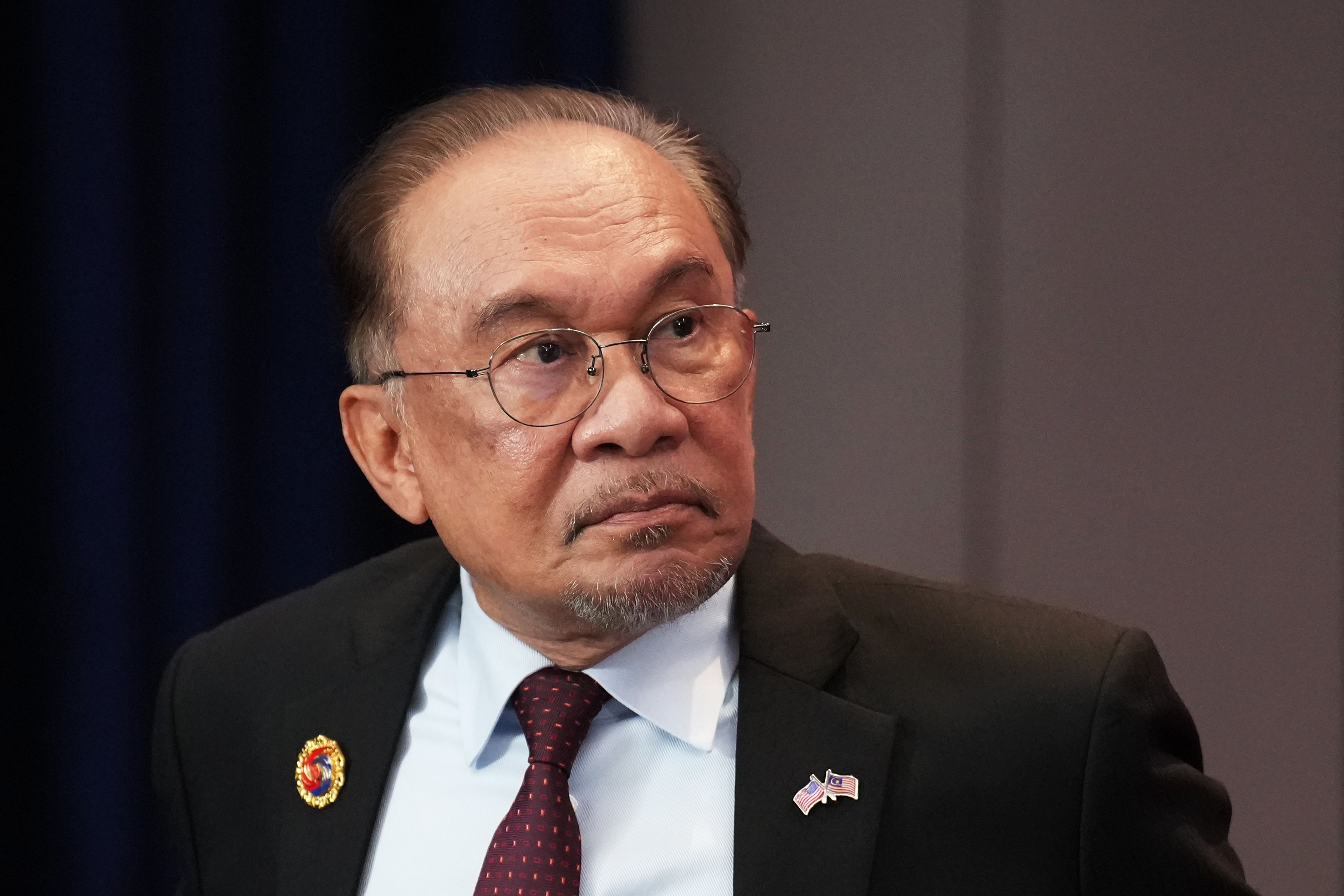
For Malaysia, the conjunction that works is “and” not “or” when it comes to the United States and China.
Elina Noor
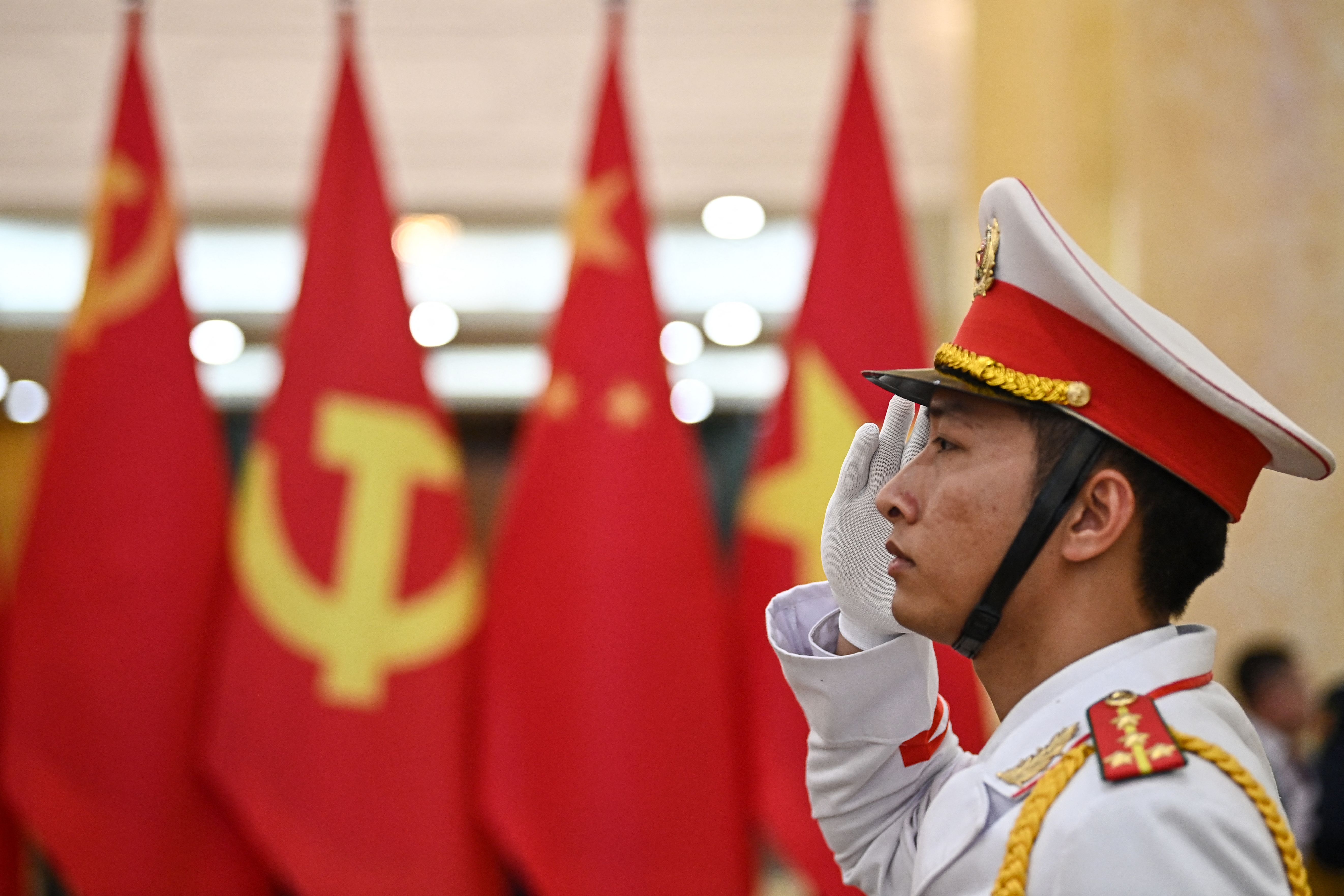
In July 2025, Vietnam and China held their first joint army drill, a modest but symbolic move reflecting Hanoi’s strategic hedging amid U.S.–China rivalry.

Nguyễn Khắc Giang

The Thai-Cambodian conflict highlights the limits to China's peacemaker ambition and the significance of this role on Southeast Asia’s balance of power.

Pongphisoot (Paul) Busbarat

Beijing believes that Washington is overestimating its own leverage and its ability to handle the trade war’s impacts.


Rick Waters, Sheena Chestnut Greitens