

Commentary
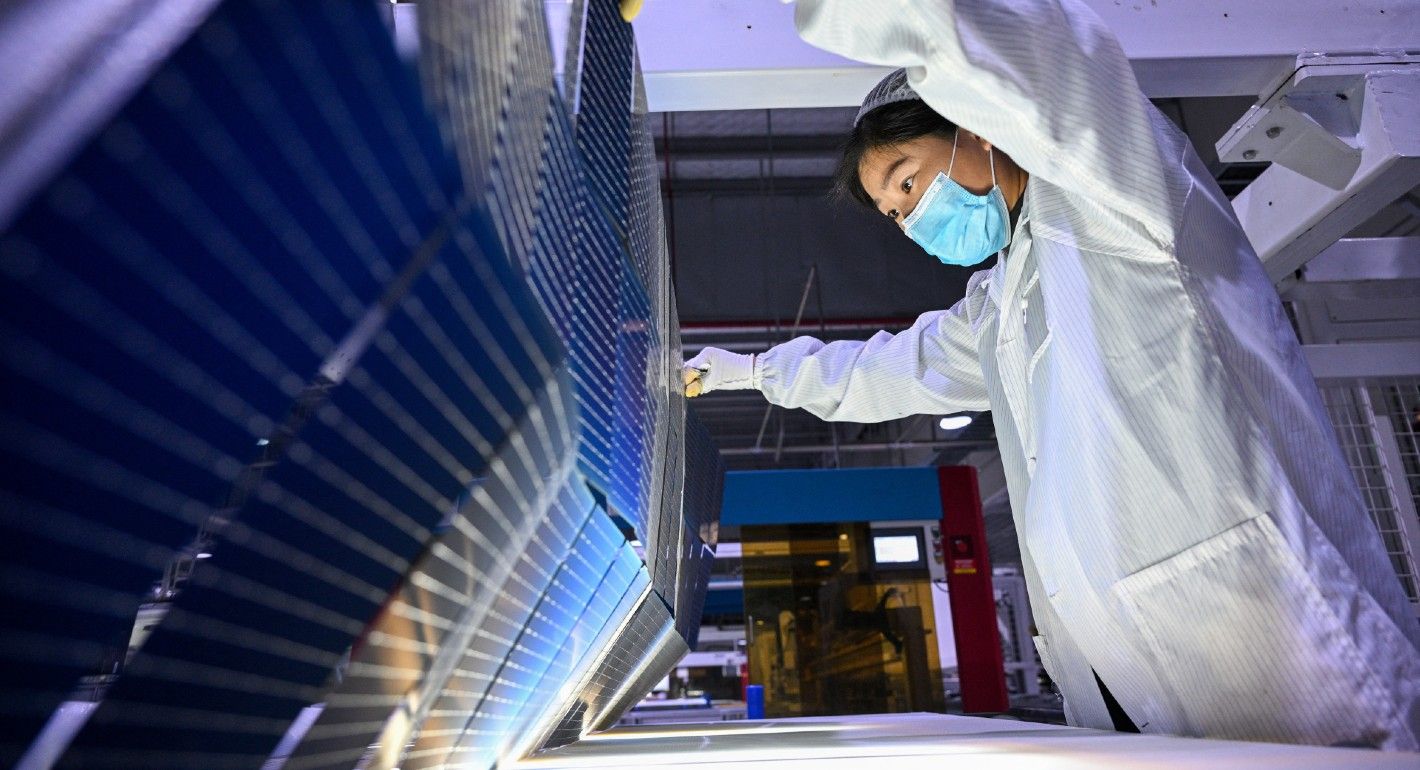
Rather than climate ambitions, compatibility with investment and exports is why China supports both green and high-emission technologies.
Mathias Larsen
{
  "authors": [
    "Nikolay Petrov"
  ],
  "type": "legacyinthemedia",
  "centerAffiliationAll": "",
  "centers": [
    "Carnegie Endowment for International Peace",
    "Carnegie Russia Eurasia Center"
  ],
  "collections": [],
  "englishNewsletterAll": "",
  "nonEnglishNewsletterAll": "",
  "primaryCenter": "Carnegie Russia Eurasia Center",
  "programAffiliation": "",
  "programs": [],
  "projects": [],
  "regions": [
    "Caucasus",
    "Russia"
  ],
  "topics": [
    "Political Reform",
    "Economy"
  ]
}
In his first—and possibly last—state-of-the-nation speech, President Medvedev seemed to focus on returning Putin to the Kremlin instead of adequately addressing Russia’s troubled economy. It is clear from the address that the president intends to increase United Russia's dominance by increasing its control over both the regional elite and the government.
Source: The Moscow Times

The address to the nation included a mix of vague appeals to "further perfect" the political system and democratic institutions. But when the president offered specific proposals, they were either meaningless or openly anti-democratic. For example, Medvedev said that political parties that collected 5 percent to 7 percent of the vote for State Duma seats be given limited -- I would say "decorative" -- representation in the chamber. It is interesting to note, however, that not a single party would have met this criterion in the Duma elections in December.
Russia's governmental system is essentially a lifeless body, and Medvedev's democratic "innovations" are nothing more than a cosmetic veneer on a political corpse. To make a bad situation even worse, the president made two very concrete suggestions: to extend the term for the president from four years to six and to increase the term for Duma deputies from four years to five. The reasons behind the increase in the presidential term are probably tied to a plan to return Prime Minister Vladimir Putin to the president's post before Medvedev's term expires in 2012, or else to pull off a presidential castling move that would place Putin back in the Kremlin. The reason behind the increase in Duma terms might stem from the deputies' desire to safeguard their posts against the deepening crisis with the help of early elections.
Medvedev also proposed changing the way the Federation Council is formed, which is probably intended to strengthen support from the regional elite.
Another proposed innovation is to give the party that received the most votes in regional elections -- read United Russia -- the exclusive right to recommend to the president its candidate for the presidential envoy in the seven federal districts. This suggestion is still a bit fuzzy, though -- in part, because it is unclear if it refers to just one party in each region, and how authorities would account for votes received in single-mandate districts. Until now, no strict procedure has been followed in selecting nominees for the presidential envoy post, and in some cases, the officials formally charged with putting forward the candidates first learned of some appointments from the president himself.
Despite this uncertainty, it is clear from this and other points in Medvedev's address that the president intends to increase United Russia's dominance by increasing its control over both the regional elite and the government. It is possible that if a plan for holding early elections and returning Putin to the presidency is in the works, it will be carried out not through the Kremlin, but through United Russia -- which Putin heads. That would explain a number of recent staffing changes within United Russia and rumors that Vladislav Surkov, Medvedev's first deputy chief of staff, is planning to join the party ranks. At least some of these questions will be cleared up when United Russia meets for its national convention in two weeks.
This comment first appeared in The Moscow Times
Carnegie does not take institutional positions on public policy issues; the views represented herein are those of the author(s) and do not necessarily reflect the views of Carnegie, its staff, or its trustees.
Rather than climate ambitions, compatibility with investment and exports is why China supports both green and high-emission technologies.

Mathias Larsen
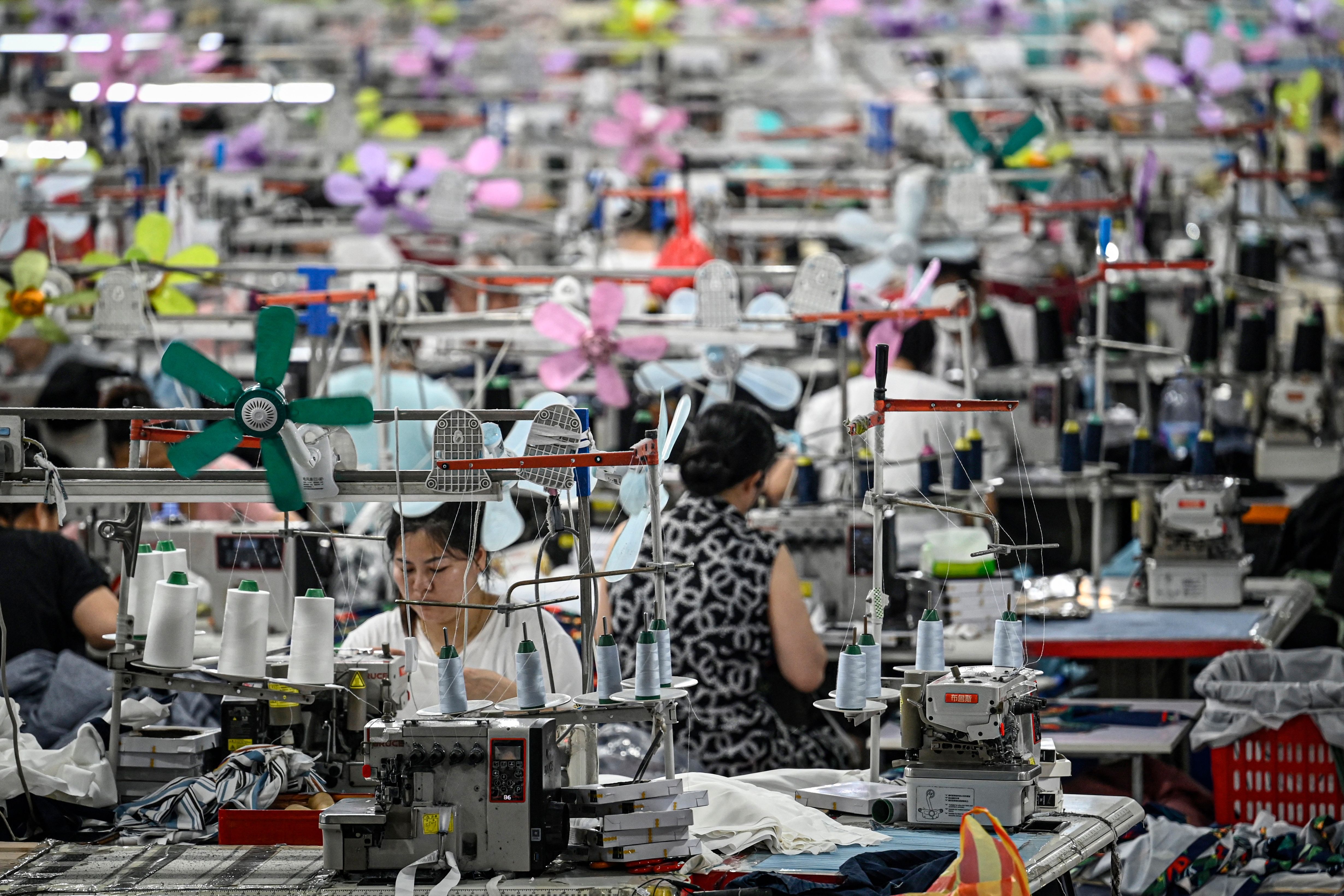
“Involution” is a new word for an old problem, and without a very different set of policies to rein it in, it is a problem that is likely to persist.
Michael Pettis
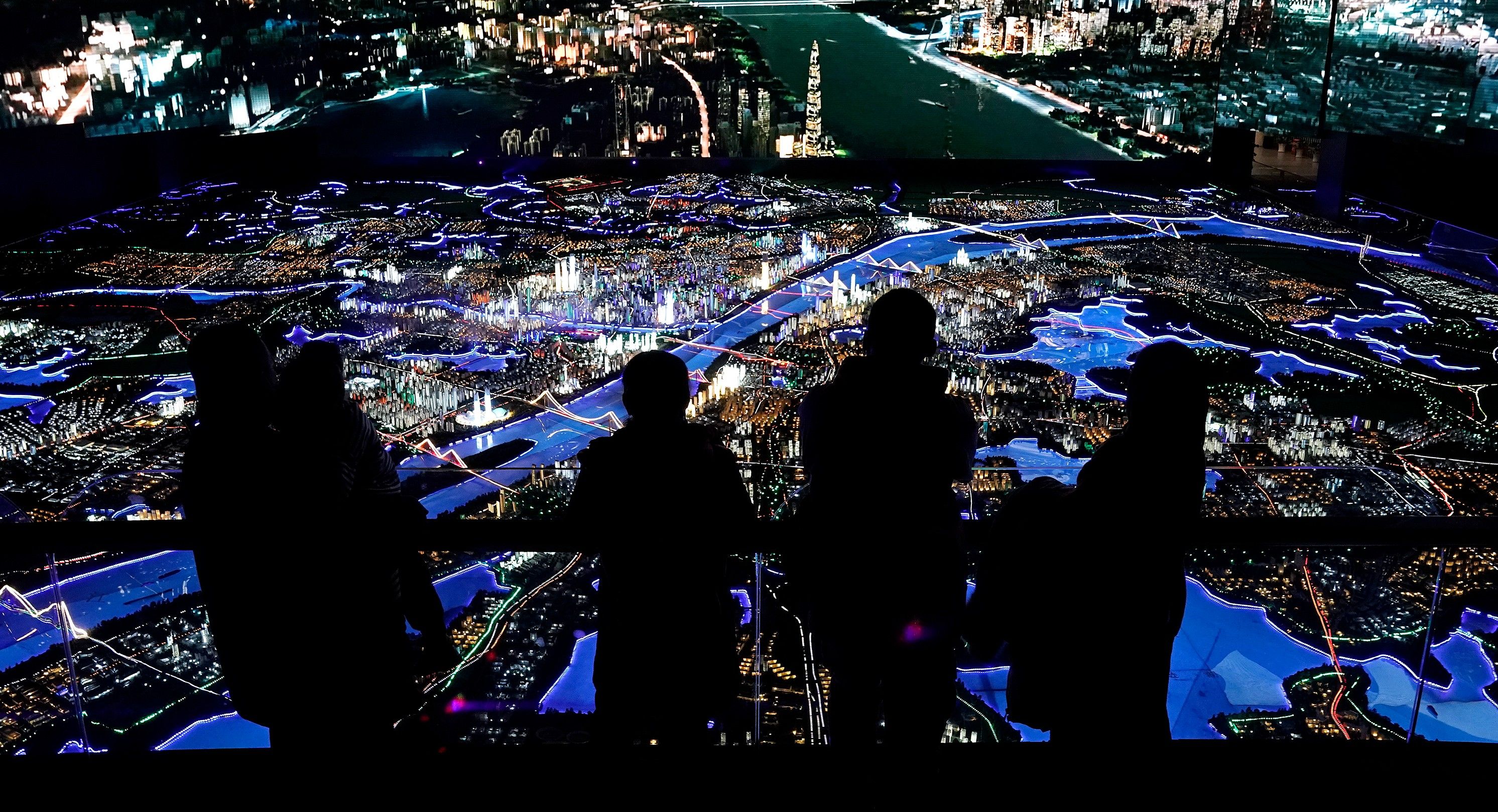
While China's investment story seems contradictory from the outside, the real answers to Beijing's high-quality growth ambitions are hiding in plain sight across the nation's cities.
Yuhan Zhang
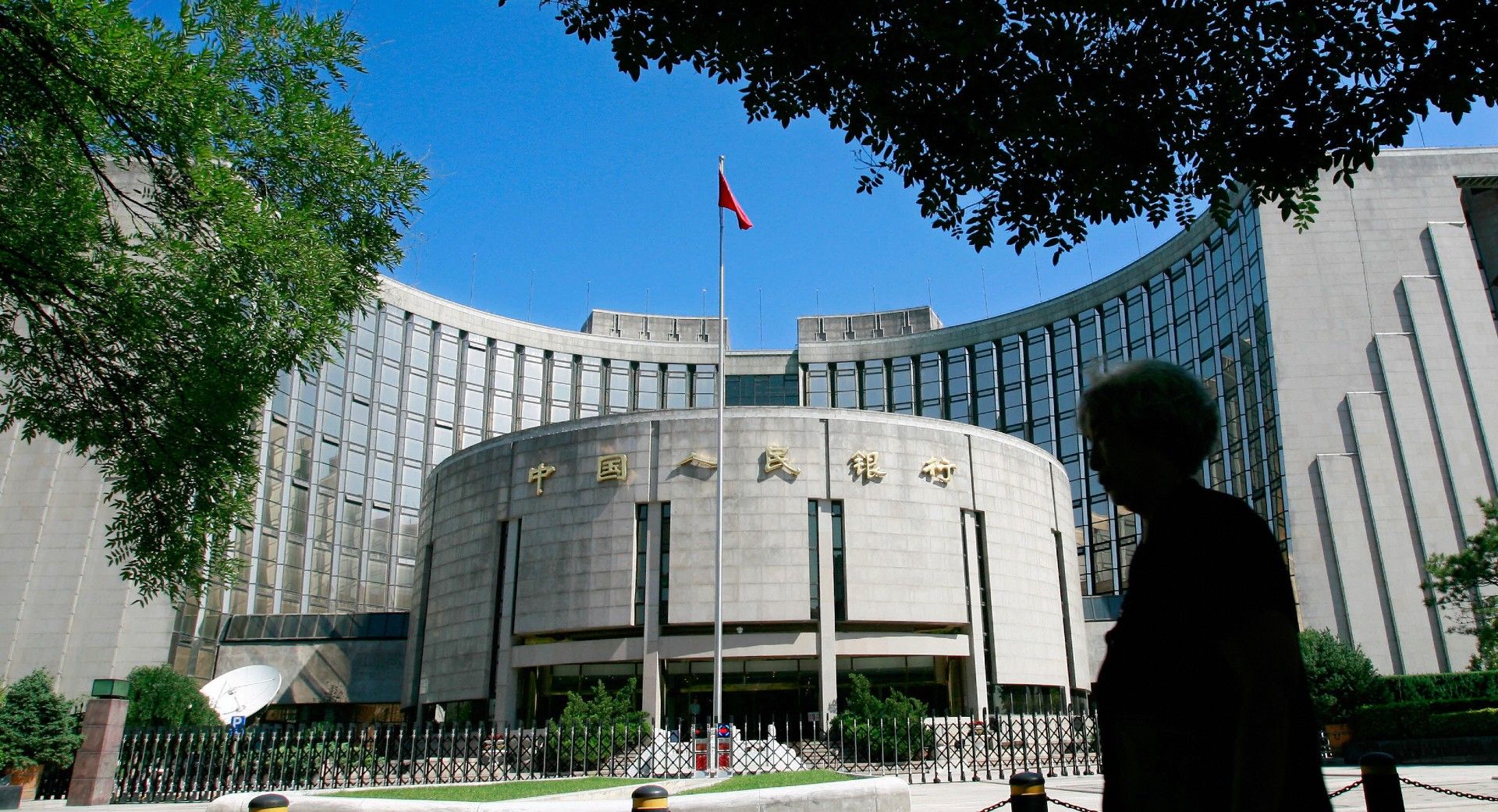
China's stimulus addiction cannot go on forever. Beijing still has policy space to clean up the country's massive debt issue, but time is running short.
Michael Pettis
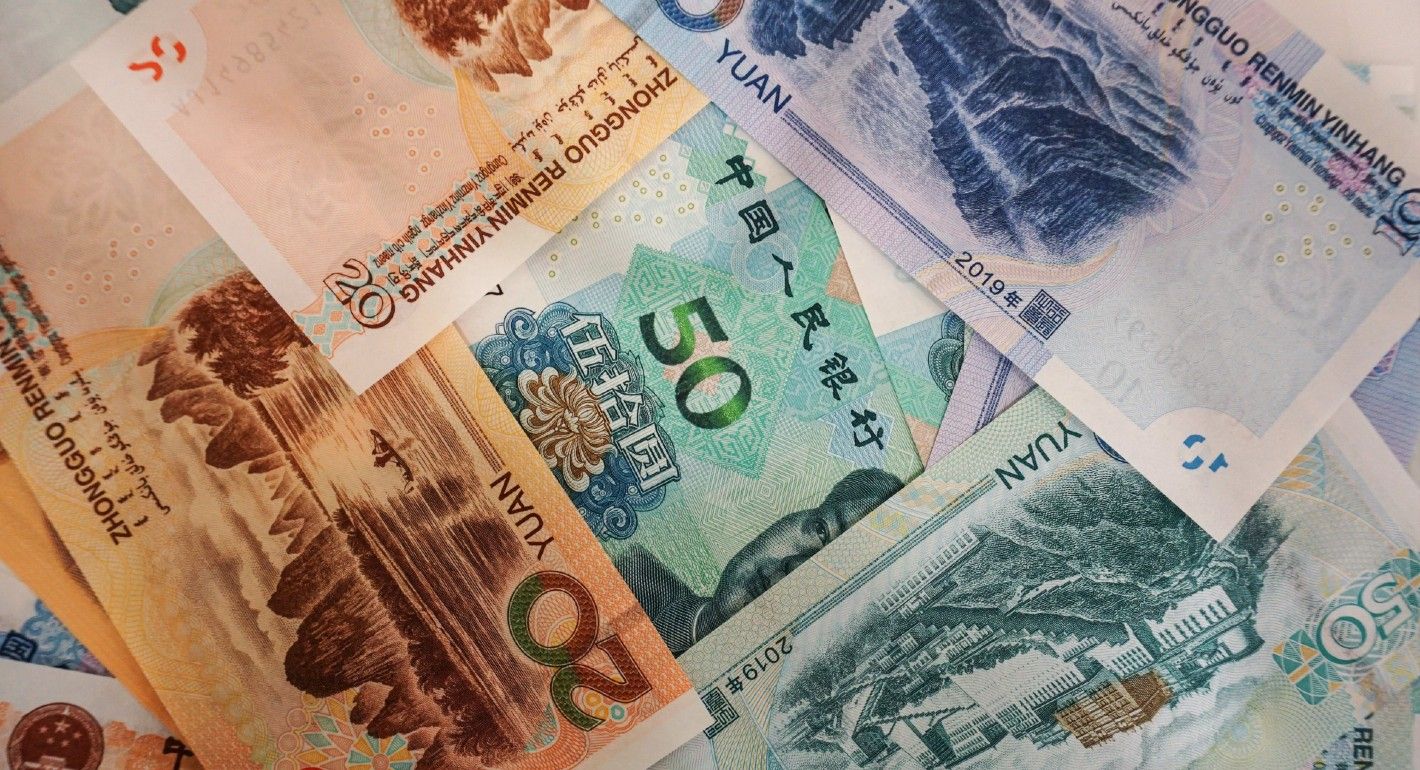
A quick look at the complexities behind Beijing’s enduring Catch-22 situation with revaluing the Renminbi, despite advantages of a stronger currency.
Michael Pettis