

Commentary
Malaysia’s chairmanship sought to fend off short-term challenges while laying the groundwork for minimizing ASEAN’s longer-term exposure to external stresses.
Elina Noor
{
  "authors": [
    "Dmitri Trenin"
  ],
  "type": "legacyinthemedia",
  "centerAffiliationAll": "",
  "centers": [
    "Carnegie Endowment for International Peace",
    "Carnegie China",
    "Malcolm H. Kerr Carnegie Middle East Center",
    "Carnegie Russia Eurasia Center"
  ],
  "collections": [
    "China’s Foreign Relations",
    "U.S.-China Relations"
  ],
  "englishNewsletterAll": "",
  "nonEnglishNewsletterAll": "",
  "primaryCenter": "Carnegie Russia Eurasia Center",
  "programAffiliation": "",
  "programs": [],
  "projects": [
    "Eurasia in Transition"
  ],
  "regions": [
    "Maghreb",
    "North America",
    "United States",
    "Middle East",
    "Syria",
    "Russia"
  ],
  "topics": [
    "Security",
    "Political Reform",
    "Economy",
    "Global Governance",
    "Foreign Policy"
  ]
}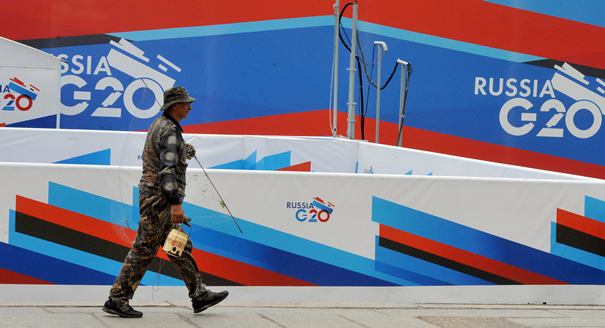
During the G20 summit, the world leaders need to tackle serious economic challenges. At the same time, the abrupt halt to a scheduled U.S.-Russia summit and a potential intervention in Syria have pushed security issues to the top of the summit’s agenda.
Source: China Daily
Since the G20 first met five years ago to urgently deal with the global financial crisis, its meetings have tended to become more routine and yield diminishing results. The G20 meeting in St. Petersburg on Sept 5-6, however, will be different because of the international political context.
The abrupt halt to a scheduled US-Russia summit in Moscow and further escalation of the Syrian civil war after the alleged use of chemical weapons and the likely United States-led military intervention in Syria have pushed security issues to the top of the world leaders' agenda. The timing will turn the gathering of heads of state and government into a more important event.
Summits are as much about the personalities of summiteers as they are about the states they represent. US President Barack Obama is known for his trademark impersonal style of dealing with other countries' leaders. But his recent public comments on Russian President Vladimir Putin suggest they don't enjoy a cordial relationship. The cancellation of the US-Russia summit, which would have preceded the G20 meeting, marks the end of a collaborative phase in Russo-American relations.An attack against Syria will be a watershed. There will be no return to the Cold War, to be sure, but the cooperation between Moscow and Washington is likely to become more limited, and bilateral ties will become more contentious than consensual.
While Putin and Obama may share a few words in St. Petersburg, no formal meeting between them has been planned. Putin, however, has set aside time for a meeting with Chinese President Xi Jinping, who will be on his second visit to Russia since becoming China's top leader in March.
Chinese and Russian leaders will meet again a week later at the Shanghai Cooperation Organization's summit in Bishkek, Kyrgyzstan. With expanding economic relations and two sets of joint army and naval exercises between the PLA and the Russian armed forces, Sino-Russian interaction is becoming more intense. And a direct US military action against Syria (and what it portends for Iran) is likely to intensify Moscow-Beijing dialogue on regional security issues.
The disparate nature of Russia's relations with the US and China illustrates its complex position in the world. It is a member of both the G8 - and will host its summit next year - and BRICS. Within the former, Russia has always been the odd country out - initially because its GDP was too small, and later because the other G8 members saw its political system as non-democratic, its economy as insufficiently developed, and its foreign policy as too independent.
At the personal level, too, as the June G8 summit in Northern Ireland demonstrated, Putin can hardly name a political friend among the other seven G8 members. BRICS, on the other hand, is too diverse a group with vastly different values and interests to function as more than a figurehead for the non-West. Besides, the emerging economies have lost some of their glitz in recent times.
Therefore, Russia feels more at ease in the G20, which brings together both Western and non-Western countries. But being essentially an energy, raw materials and arms exporter, its real interests in global economic management are relatively limited. Russian commentators sometimes muse about the country's bridging role in the world, but in reality successful international mediation has so far proven difficult for Moscow.
The G20 leaders need to tackle serious challenges. The economic recovery in the US remains fragile, with the quantitative easing policy on its way out. The euro has survived, but the debt crisis in the European Union is not over. China's stellar economic growth has been slowing down. India and South Africa have seen their currencies losing massively against the dollar. And the jury is still out on Japan's economic policies, or "Abenomics".
True to form, Russia has laid down a set of priorities for its G20 presidency, which sound generally right - except that the issues on the list are very distant from Russia's own economic preoccupations. Russia more or less manages to present a seemingly relevant economic agenda without serious engagement on its own part, as was seen at last year's Asia-Pacific Economic Cooperation summit in Vladivostok.
It was a year ago that Russia finally joined the World Trade Organization. So far, the result of its membership has been mixed. In a year, Russia's exports have contracted by 0.7 percent and its imports have increased by 1.4 percent. It has trade disputes with the EU and a mini-trade war with Ukraine. Moscow also has warned Kiev against associating with the EU and has been pushing it to join the Customs Union with Belarus, Kazakhstan and Russia.
Within the Customs Union itself, Moscow recently had to resort to trade restrictions to try to get the release of its leading potash company CEO lured by and being held a de facto hostage in Belarus over a business dispute.
Indeed, economics and politics are closely intertwined in the post-Soviet world.
Carnegie does not take institutional positions on public policy issues; the views represented herein are those of the author(s) and do not necessarily reflect the views of Carnegie, its staff, or its trustees.
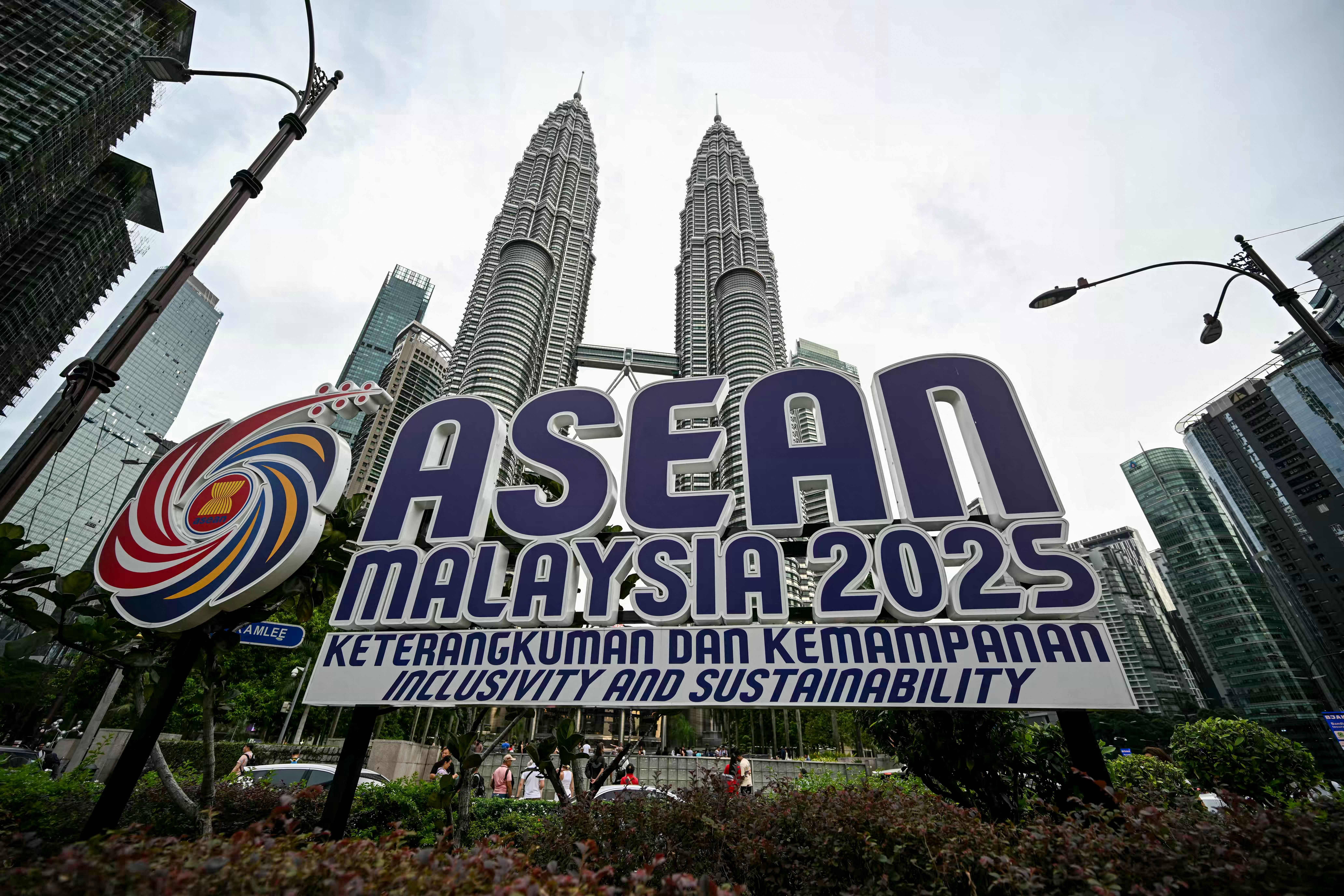
Malaysia’s chairmanship sought to fend off short-term challenges while laying the groundwork for minimizing ASEAN’s longer-term exposure to external stresses.

Elina Noor
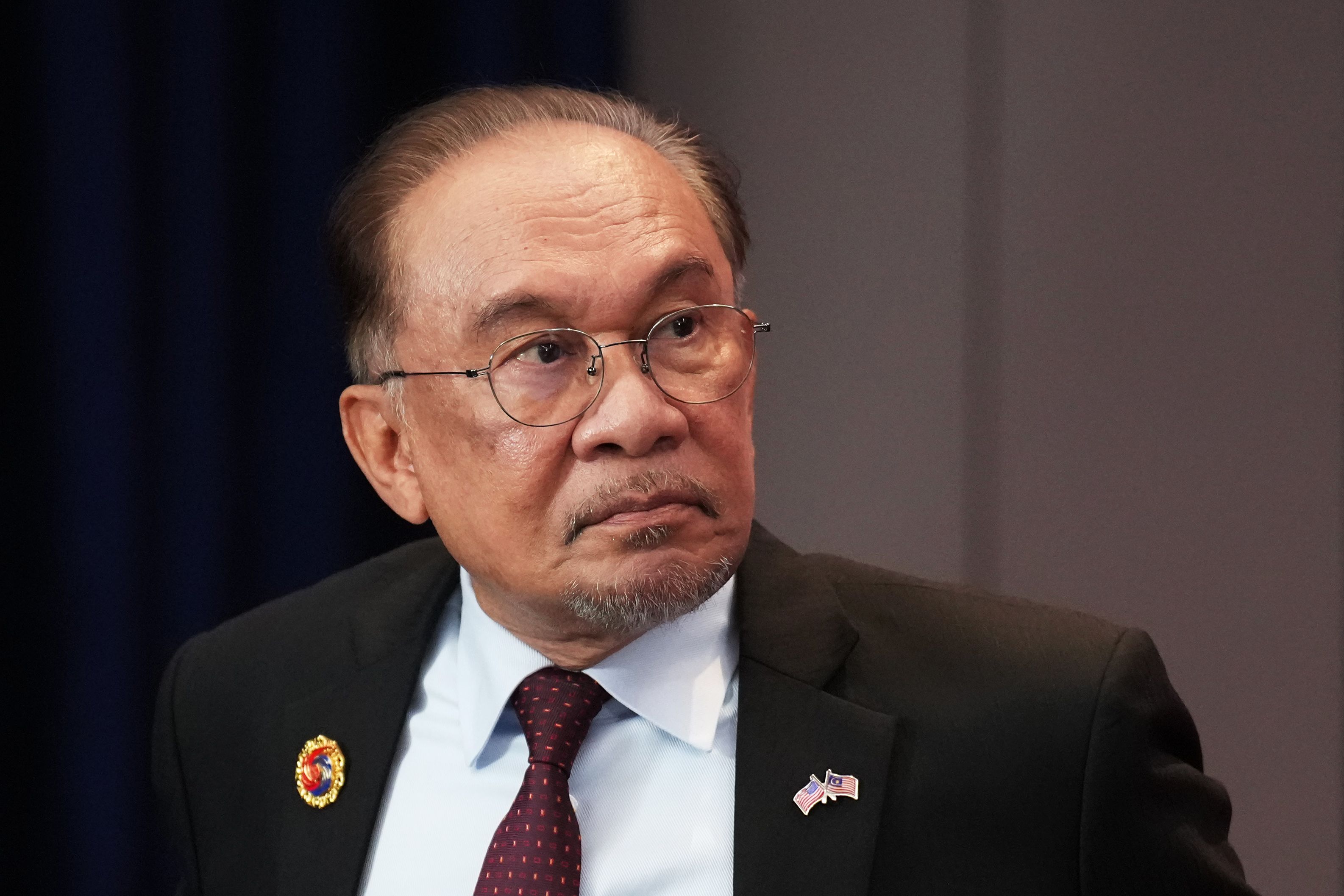
For Malaysia, the conjunction that works is “and” not “or” when it comes to the United States and China.
Elina Noor
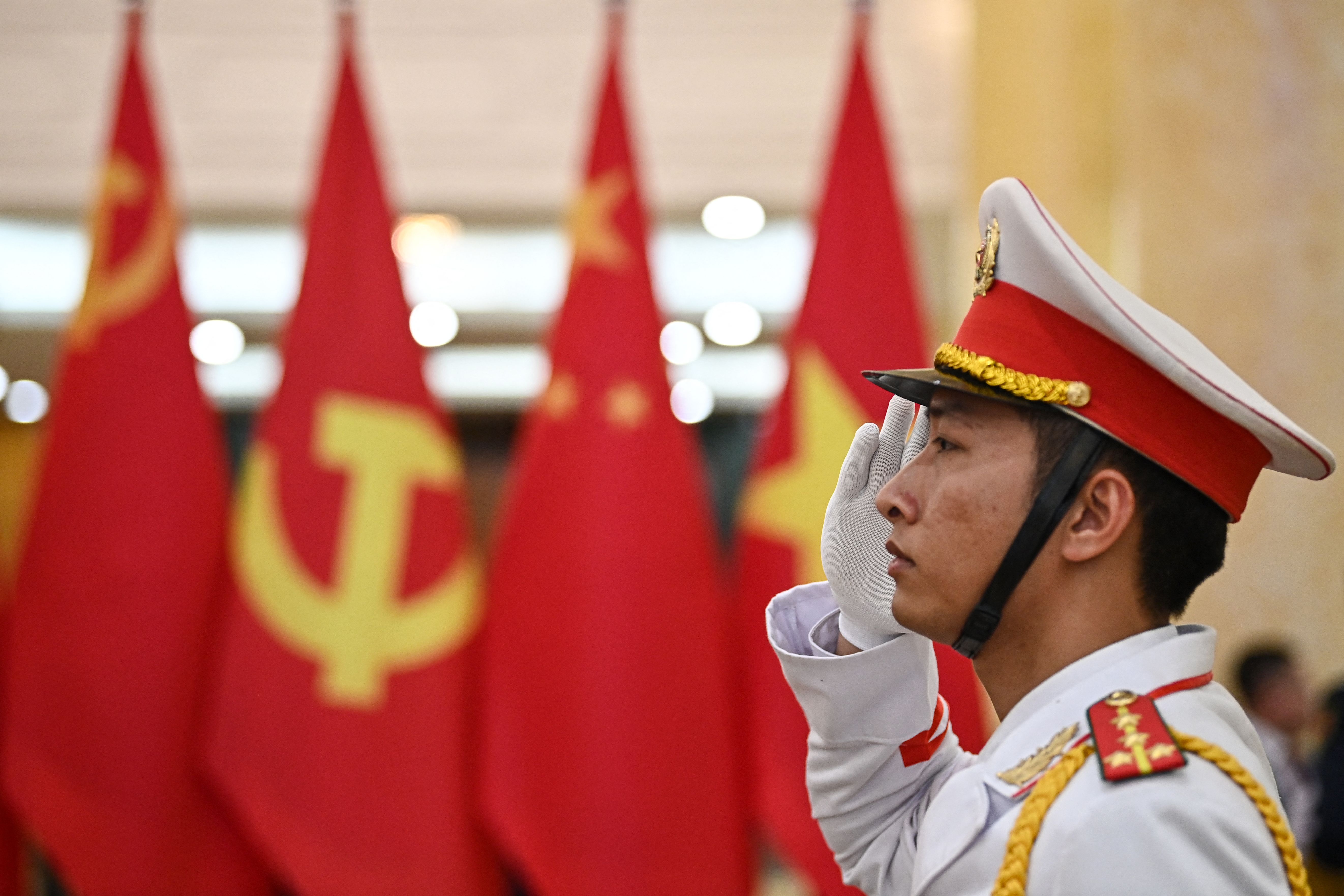
In July 2025, Vietnam and China held their first joint army drill, a modest but symbolic move reflecting Hanoi’s strategic hedging amid U.S.–China rivalry.

Nguyễn Khắc Giang

Regulation, not embargo, allows Beijing to shape how other countries and firms adapt to its terms.
Alvin Camba
Rather than climate ambitions, compatibility with investment and exports is why China supports both green and high-emission technologies.

Mathias Larsen