

Commentary
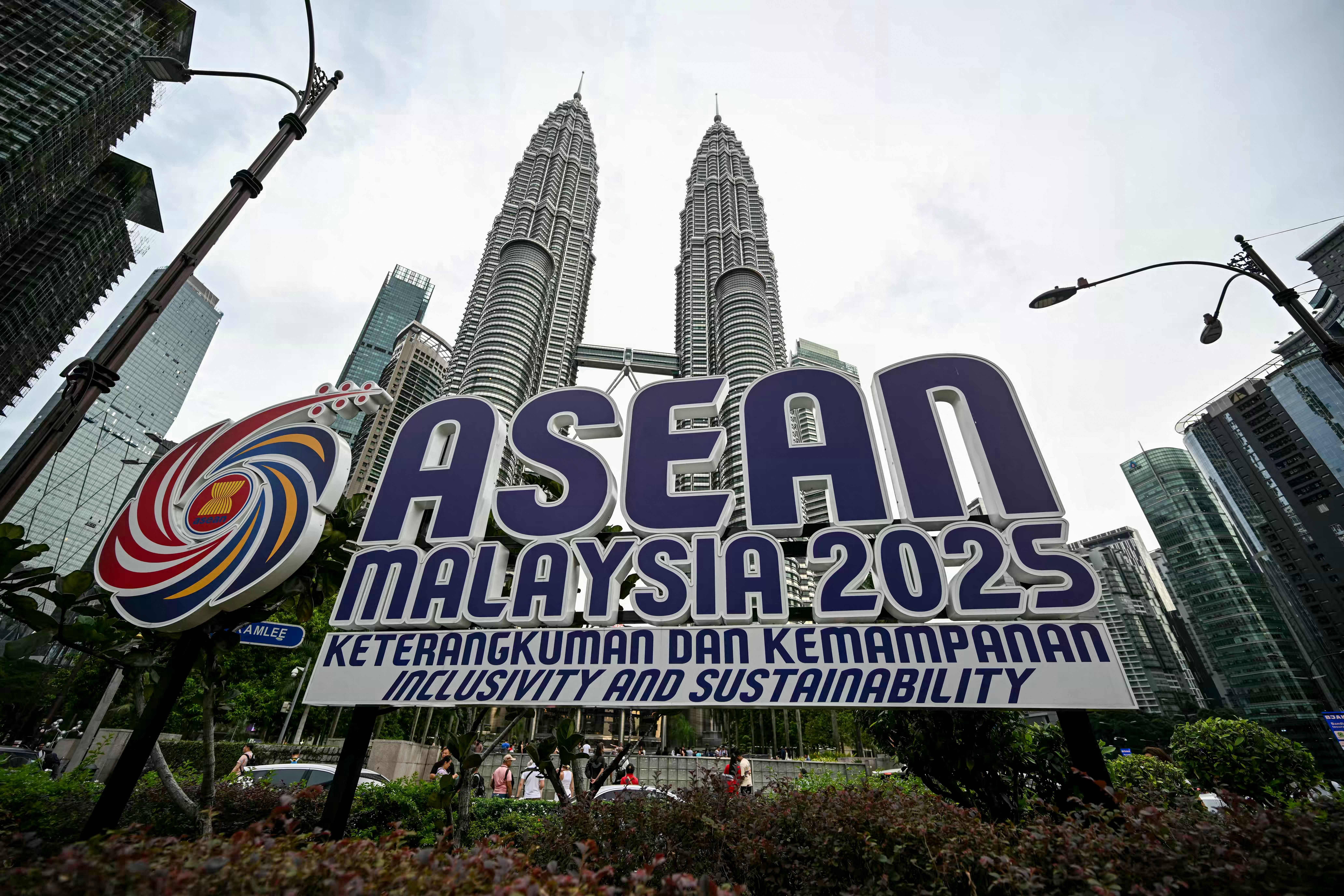
Malaysia’s chairmanship sought to fend off short-term challenges while laying the groundwork for minimizing ASEAN’s longer-term exposure to external stresses.
Elina Noor
{
  "authors": [
    "C. Raja Mohan"
  ],
  "type": "legacyinthemedia",
  "centerAffiliationAll": "",
  "centers": [
    "Carnegie Endowment for International Peace",
    "Carnegie India",
    "Malcolm H. Kerr Carnegie Middle East Center"
  ],
  "collections": [],
  "englishNewsletterAll": "",
  "nonEnglishNewsletterAll": "",
  "primaryCenter": "Carnegie India",
  "programAffiliation": "",
  "programs": [
    "South Asia"
  ],
  "projects": [],
  "regions": [
    "Egypt",
    "Gulf",
    "Levant",
    "Maghreb",
    "South Asia",
    "India"
  ],
  "topics": [
    "Foreign Policy"
  ]
}
A comprehensive approach to the Middle East should also allow Delhi to recast the anti-Western framework that has long guided India’s regional policy.
Source: Indian Express
The external affairs minister Salman Khurshid is sitting down, this weekend in Bahrain, for a long overdue brainstorming session with the Indian envoys to the Middle East. After all, no part of the world has seen as much political convulsion in recent years as the Middle East; and in no region is India such a prisoner to pre-determined positions.
The internal tumult generated by the 'Arab Spring' and the shift in regional geopolitics flowing from the interim nuclear accord between Washington and Tehran are only two among the many factors demanding that Delhi take a new look at the region.The Foreign Office, for one, could start with a review of the nomenclature. India is probably alone in identifying the region as "West Asia". Delhi must discard this narcissism, and adopt a name the countries of the region themselves prefer, the "Middle East".
The more urgent challenge is to overcome segmented policy-making towards the region in the Foreign Office. For example, Iran is part of a division that deals with Pakistan and Afghanistan. The Arab countries of the Gulf are under a separate part of the ministry.
And yet another division deals with what is called West Asia and North Africa. Turkey, which once ruled the region and is seeking to expand its influence in the region, is under a senior official who deals with Europe.
By having envoys to most of these countries in one room, Khurshid is starting a conversation that might help Delhi better understand the Middle East as a whole and the interconnections between its various sub-regions.
A comprehensive approach to the Middle East should also allow Delhi to recast the anti-Western framework that has long guided India's regional policy. While the West remains a major external influence, America and Europe are not always aligned on regional issues. Whether it was the American invasion of Iraq in 2003, or U.S. reluctance to intervene in Syria this year, there are major frictions within the West.
America's historic dependence on the region for oil supplies is coming to an end as the U.S. and its neighbours in the Western hemisphere are becoming major producers of hydrocarbons. China, which has replaced America as the largest importer of oil from the Gulf, is steadily expanding its political influence in the region. Russia meanwhile has begun to play hardball in the Middle East.
The shift in the great power dynamic is matched by the sharpening of regional contradictions—between the Sunni and the Shia and the Arabs and Persians. Minorities and majorities, long deprived of their political and religious rights, have become assertive and finding supporting from kindred communities and governments across borders.
India's traditional rhetoric on 'third worldism' is not of much use in understanding the current turbulence in the Middle East. Khurshid's conversations in Bahrain, one hopes, will let Delhi develop a strategic perspective of the region and help reclaim India's once pivotal role in the Middle East.
This article was originally published in the Indian Express.
Carnegie does not take institutional positions on public policy issues; the views represented herein are those of the author(s) and do not necessarily reflect the views of Carnegie, its staff, or its trustees.
Malaysia’s chairmanship sought to fend off short-term challenges while laying the groundwork for minimizing ASEAN’s longer-term exposure to external stresses.

Elina Noor
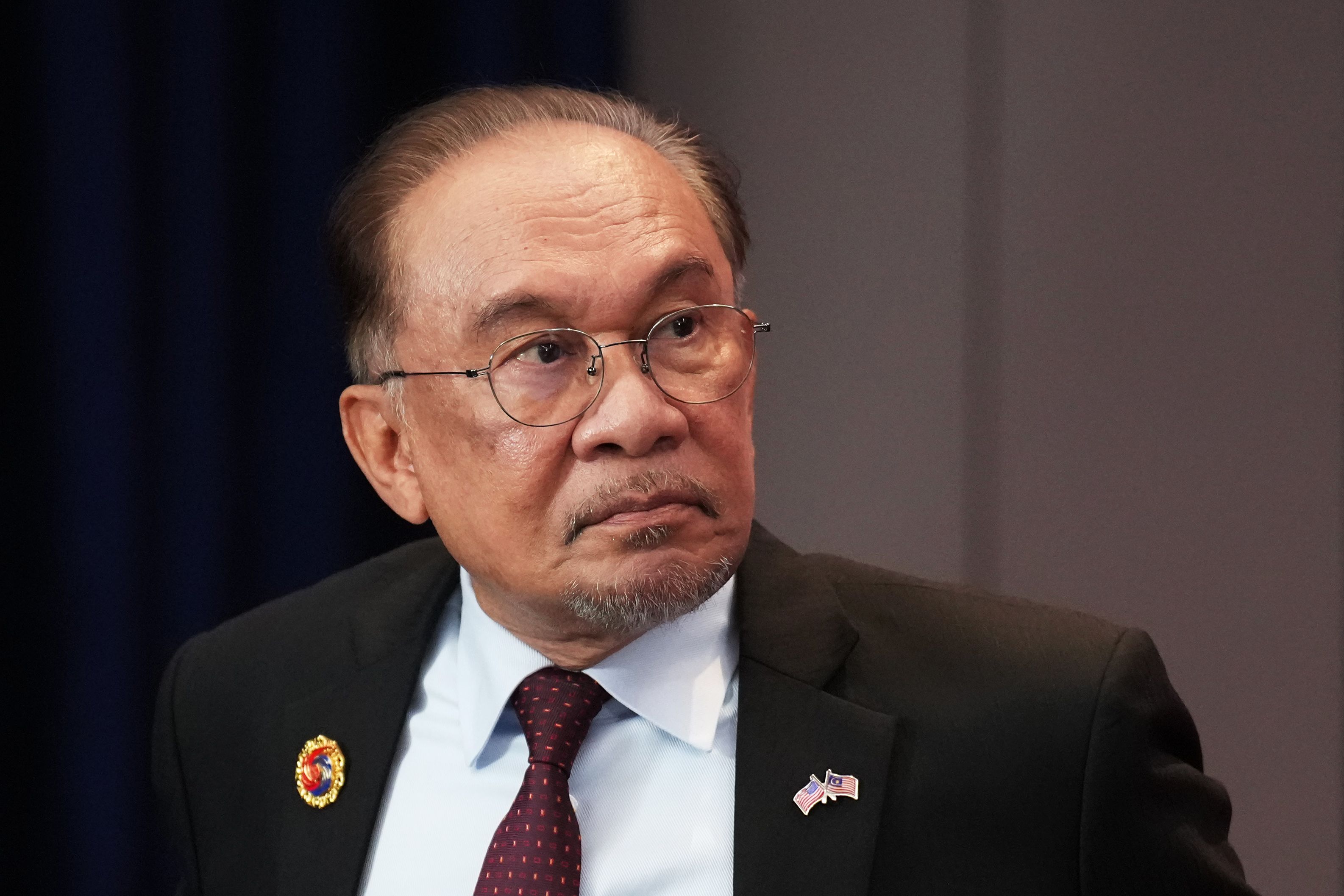
For Malaysia, the conjunction that works is “and” not “or” when it comes to the United States and China.
Elina Noor
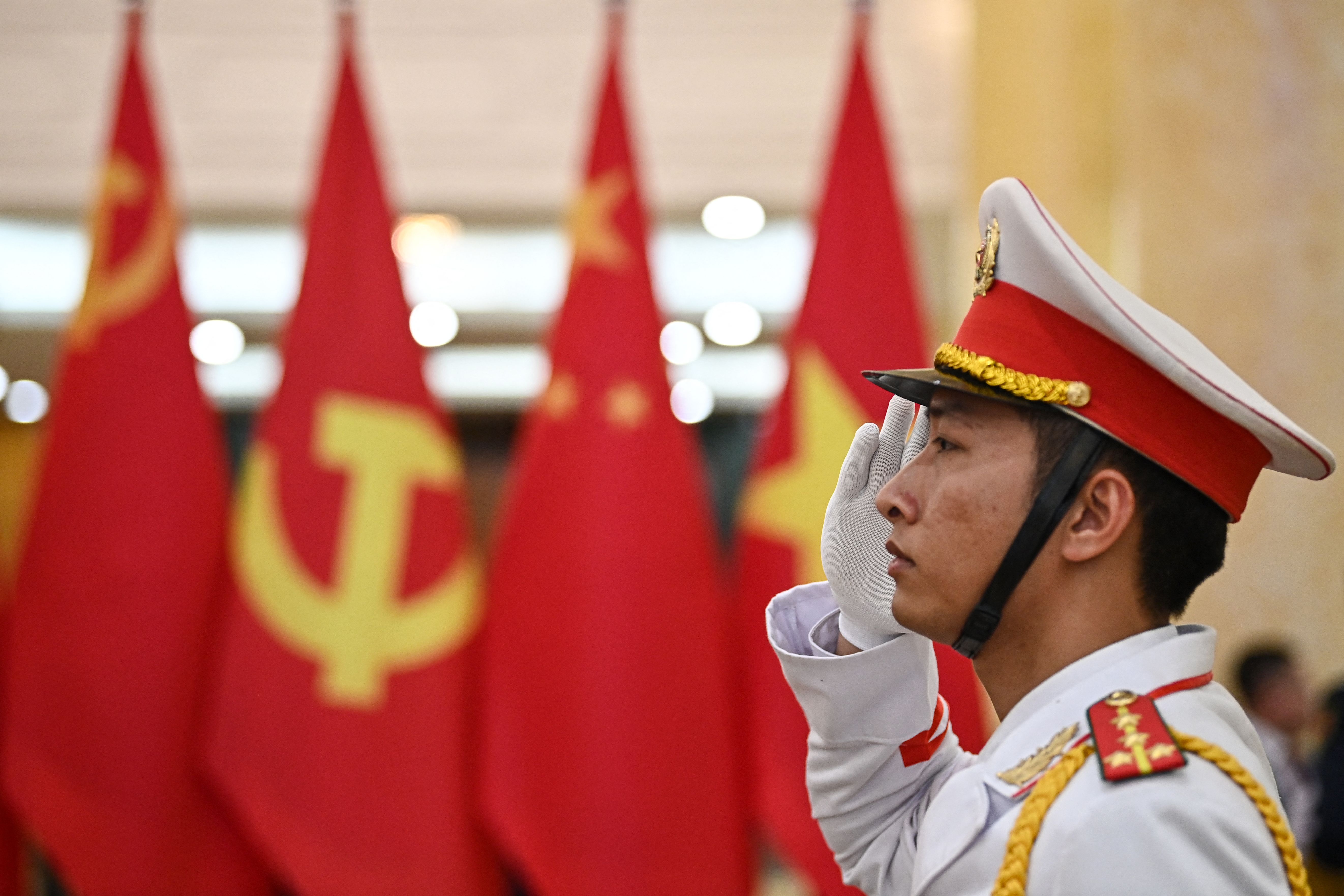
In July 2025, Vietnam and China held their first joint army drill, a modest but symbolic move reflecting Hanoi’s strategic hedging amid U.S.–China rivalry.

Nguyễn Khắc Giang
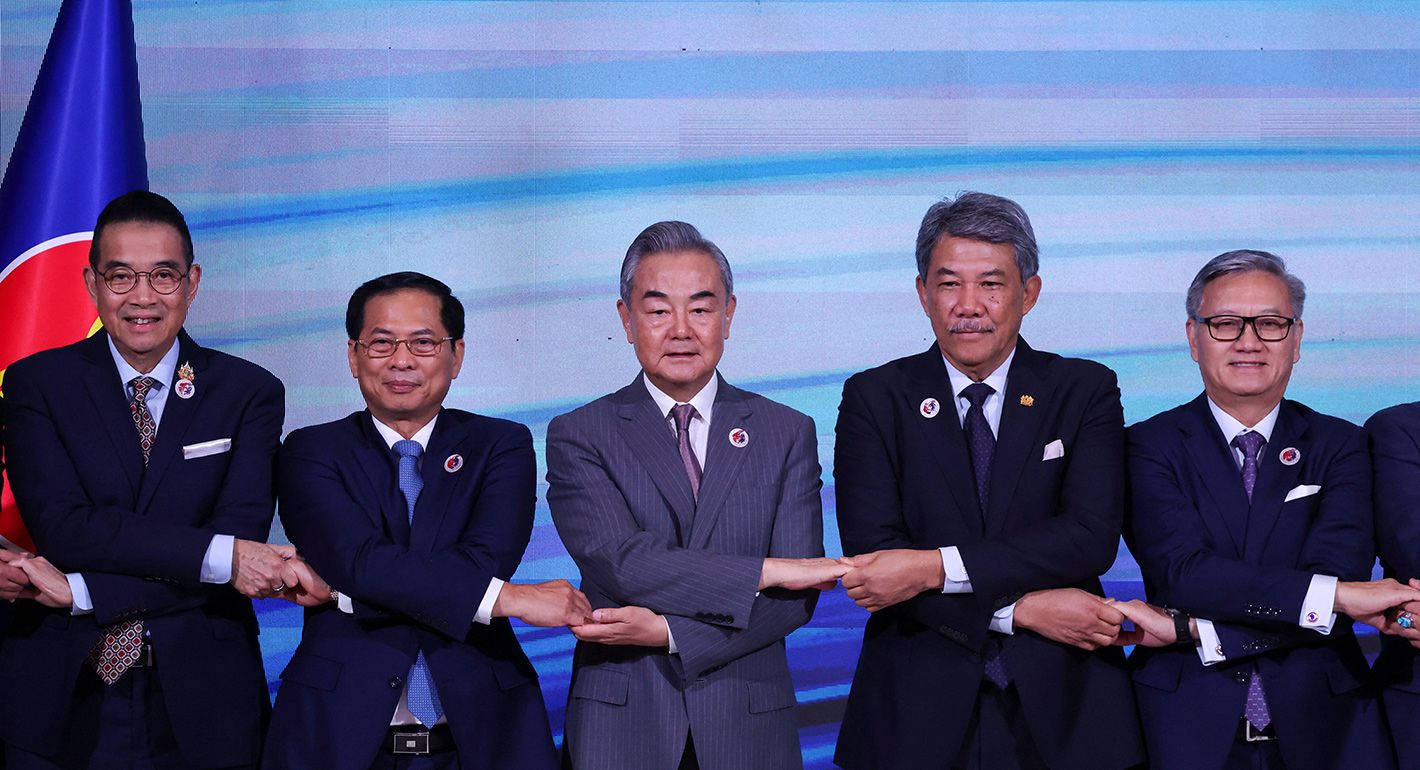
The Thai-Cambodian conflict highlights the limits to China's peacemaker ambition and the significance of this role on Southeast Asia’s balance of power.

Pongphisoot (Paul) Busbarat
Beijing believes that Washington is overestimating its own leverage and its ability to handle the trade war’s impacts.


Rick Waters, Sheena Chestnut Greitens