

Commentary
Malaysia’s chairmanship sought to fend off short-term challenges while laying the groundwork for minimizing ASEAN’s longer-term exposure to external stresses.
Elina Noor
{
  "authors": [
    "Maxim Suchkov"
  ],
  "type": "commentary",
  "centerAffiliationAll": "",
  "centers": [
    "Carnegie Endowment for International Peace",
    "Carnegie Russia Eurasia Center"
  ],
  "collections": [],
  "englishNewsletterAll": "",
  "nonEnglishNewsletterAll": "",
  "primaryCenter": "Carnegie Endowment for International Peace",
  "programAffiliation": "",
  "programs": [],
  "projects": [],
  "regions": [
    "Central Asia",
    "Kazakhstan",
    "Kyrgyz Republic",
    "Caucasus",
    "Russia",
    "Armenia",
    "Eastern Europe",
    "Ukraine"
  ],
  "topics": [
    "Foreign Policy"
  ]
}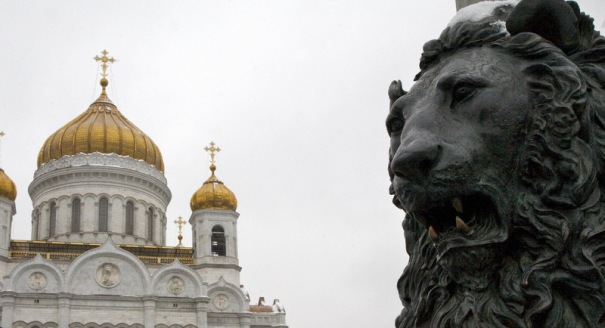
Source: Getty
As Russia and the West enter a period of prolonged mutual resentment and distrust, the post-Soviet space remains the most volatile issue in their relationship.
As Russia and the West enter a period of prolonged mutual resentment and distrust, the post-Soviet space remains the most volatile issue in their relationship. Neither side is ready to compromise its interests in the region. Vladimir Putin’s speech at the Valdai Club last month was interpreted by many as a signal that Russia and the West are headed for further ideological confrontation, and by some as an invitation for a root-and-branch review of the international system and Russia’s place in it. However one interprets Putin’s speech at Valdai, there are four conceptual elements underpinning Russian policy in the post-Soviet space that are unlikely to change.
For more than 20 years there has been a vacuum of power along the Russian periphery stemming from the break-up of the USSR; this vacuum has led to several pockets of insecurity along Russian borders. The Kremlin often attributes these insecurities to attempts by external sources to weaken the Russian state, thereby shaping a certain paradigm for threat perception. Though regional dynamics have changed since the collapse of the USSR, the perception of an external threat remains ingrained in the hearts and minds of the Russian population and ruling class. The result is paradoxical: while Russian concerns are often legitimate, the Kremlin’s reactions quite often are not.
For example, to Russian leaders, the slow eastward creep of NATO and the European Union poses a distinct threat to Russian influence in the former Soviet Union. Moscow chooses to prevent such threats by securing neutrality status for those it can't lure into the Eurasian Union project, which it bills as an alternative to the European Union. The approach may not necessarily guarantee security, but it is the tool that Russia has chosen to use as it struggles to discern real and perceived threats.
History is another powerful driver of Moscow’s regional policies that is often used to legitimize its national interests. Yet the Kremlin tends to overestimate the influence of history in dealing with former Soviet nations. Relying on the inertia of historical ties, it overlooks important recent developments in these societies whose young generations look increasingly towards the West (the EU and the United States) and East (China and Japan). Elites in post-Soviet states have divergent understandings of what Russia is and can be, with some considering it a guarantor of security (Armenia), and others mainly an economic partner (Kazakhstan and Kyrgyzstan). By at times invoking “brotherly relations” and at others “market pragmatism” in relations with its neighbors, Moscow is often criticized for having an incoherent regional foreign policy.
What cannot be disregarded, however, is that Russia’s interests in the post-Soviet space have a clear-cut domestic dimension—a third important policy influence. Russia’s proposals for creating a common economic space or a regional security configuration, calculating an energy supply deal, or expanding its cultural presence cannot be considered without analyzing strategic incentives for its domestic policies.
Another factor in Russian policy closely is ideology, which is closely connected to Moscow’s interpretation of history. The Kremlin has its own point of view in the “battle of narratives” with the West over key historical events and critical contemporary developments. Built into the Russian narrative are critiques of Western liberal values, which it believes are not necessarily universal. Although the vision is not shared by the liberal segment of the Russian political and cultural elite and is not an ideology per se, this line of reasoning is attractive to many conservative-leaning leaders in the post-Soviet space and around the world.
Although Russia claims a “wider European identity,” the country’s actions towards its European neighbors have often left Westerners fearful about Russian motives in the region. In short, Russian policies in the post-Soviet space may seem politically unreasonable, legally unjustified and ethically questionable. Still, they are not the whims of one man. Putin offers his own vision of the above-listed factors and puts them in a certain political context—either domestic or international. Until these factors are properly calculated, the quest to understand Russian conduct will remain a never-ending journey.
Maxim A. Suchkov, PhD, a former Fulbright visiting fellow at Georgetown University (2010–11), is currently a contributor to Al Monitor (Russia Pulse) and fellow at the Institute for Strategic Studies (Pyatigorsk).
Maxim Suchkov
Carnegie does not take institutional positions on public policy issues; the views represented herein are those of the author(s) and do not necessarily reflect the views of Carnegie, its staff, or its trustees.

Malaysia’s chairmanship sought to fend off short-term challenges while laying the groundwork for minimizing ASEAN’s longer-term exposure to external stresses.

Elina Noor

For Malaysia, the conjunction that works is “and” not “or” when it comes to the United States and China.
Elina Noor
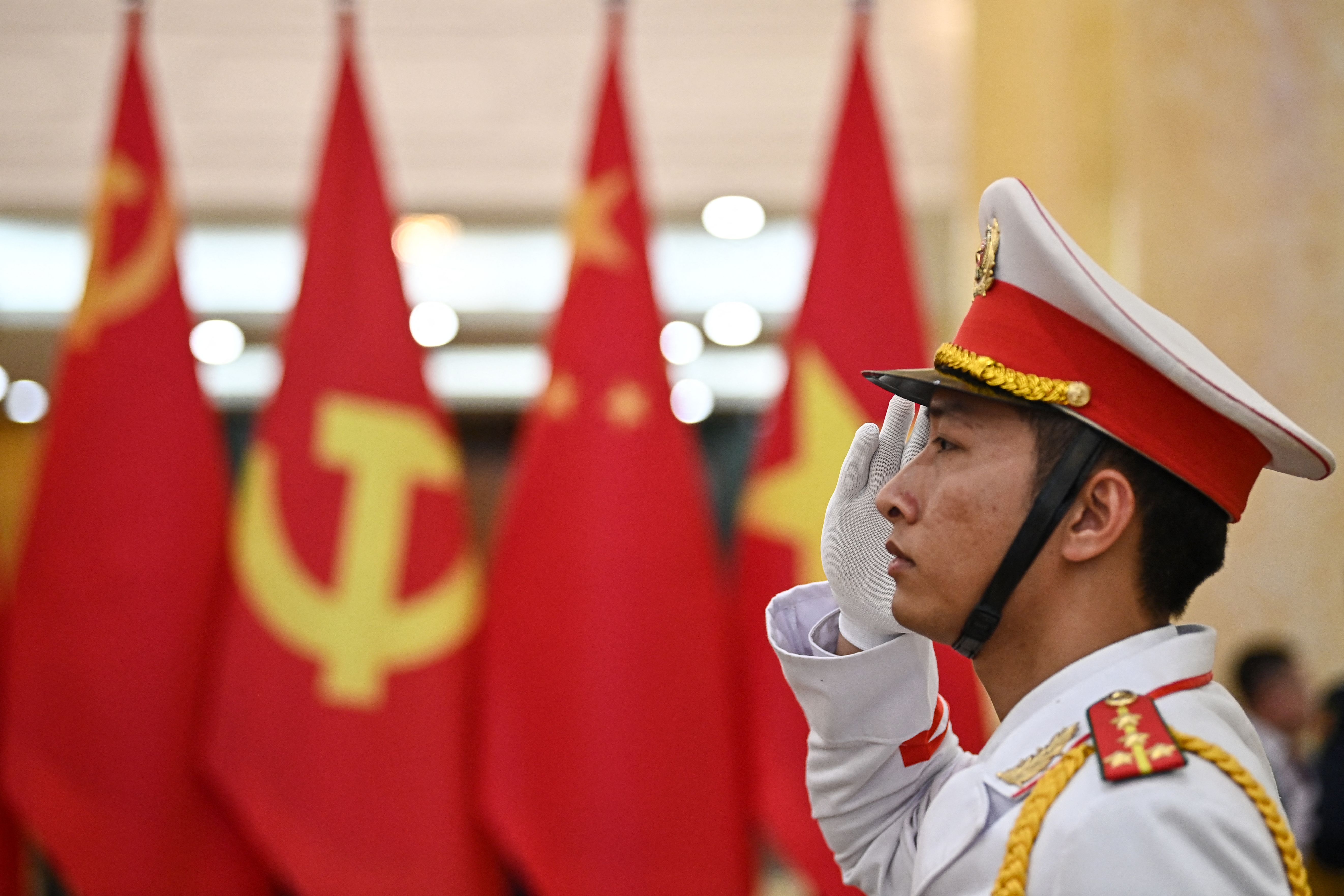
In July 2025, Vietnam and China held their first joint army drill, a modest but symbolic move reflecting Hanoi’s strategic hedging amid U.S.–China rivalry.

Nguyễn Khắc Giang
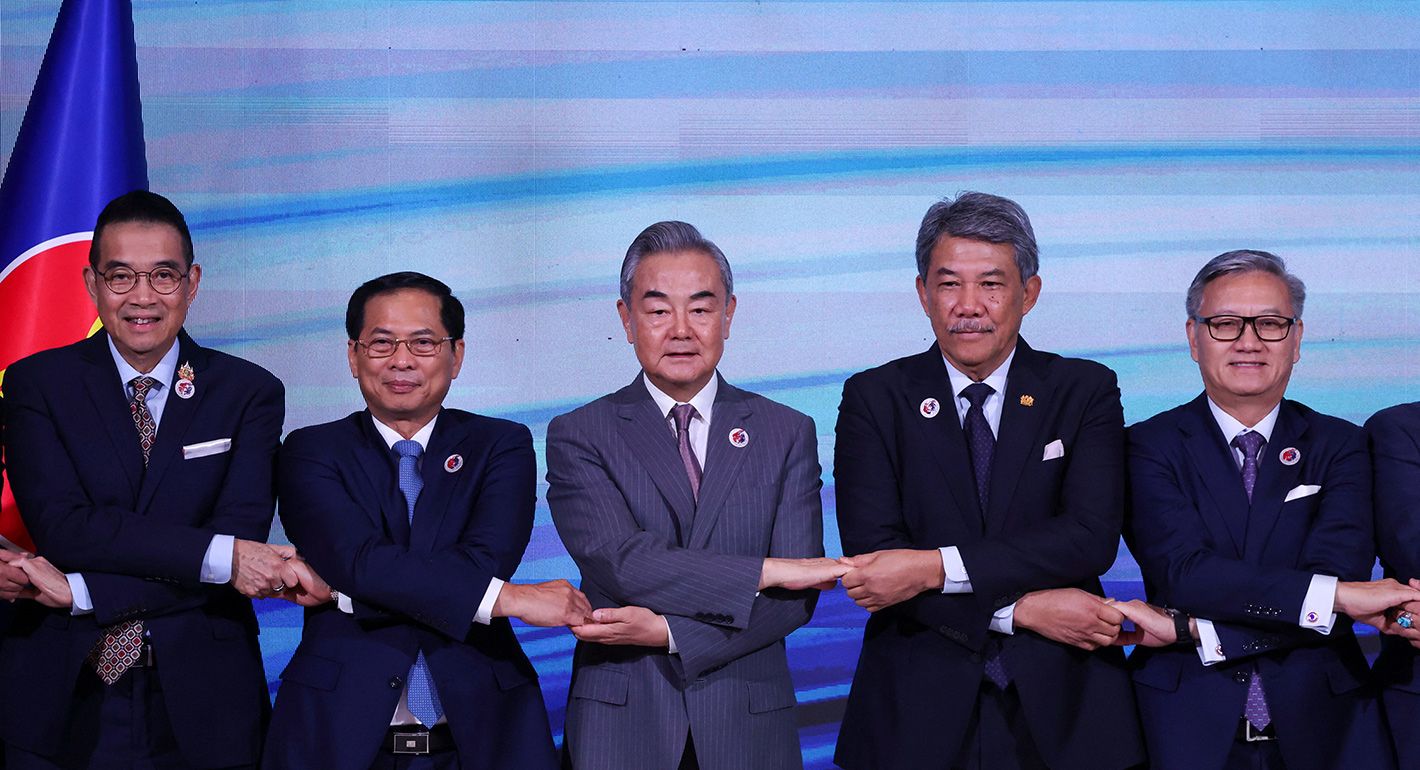
The Thai-Cambodian conflict highlights the limits to China's peacemaker ambition and the significance of this role on Southeast Asia’s balance of power.

Pongphisoot (Paul) Busbarat
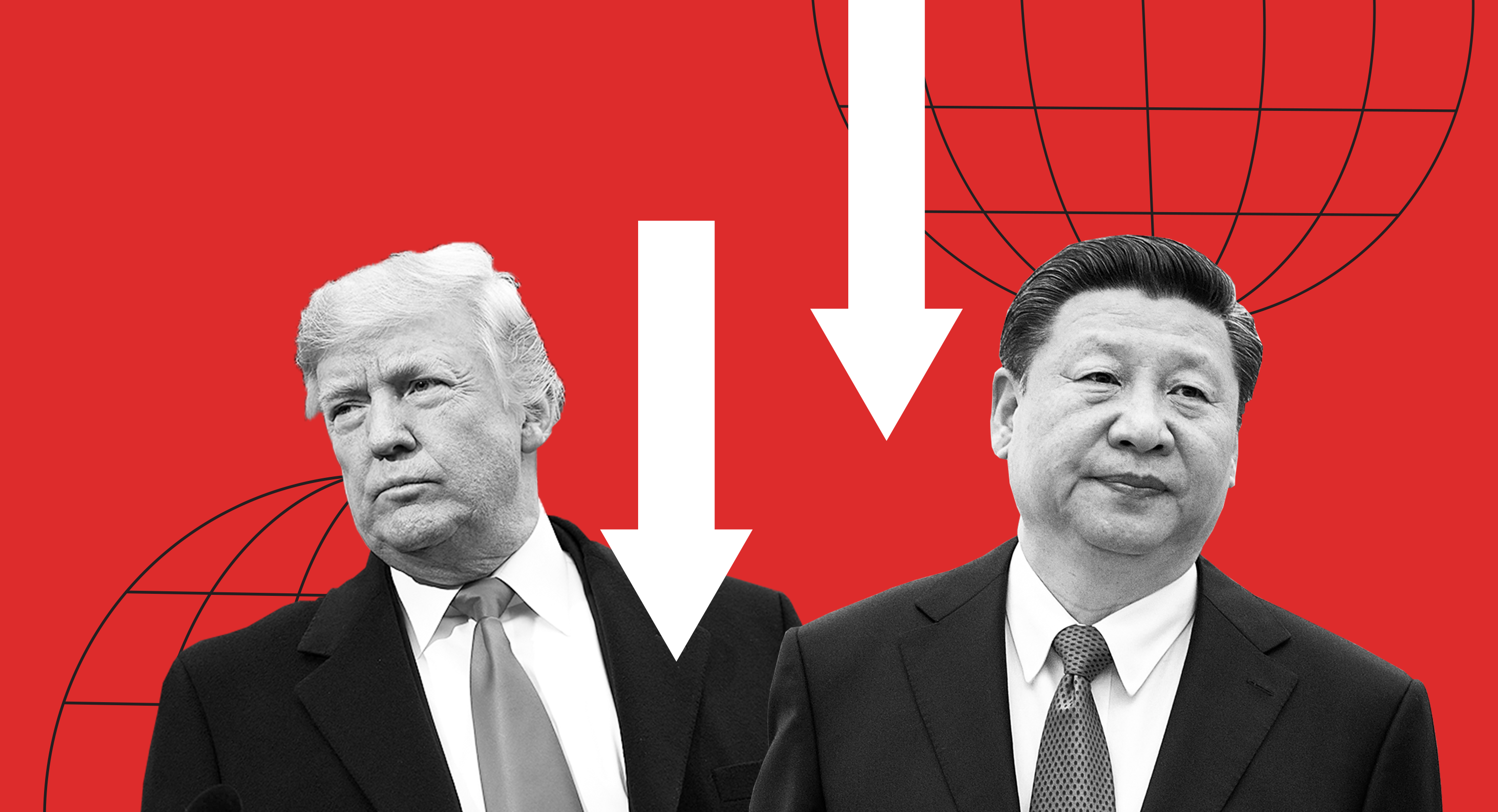
Beijing believes that Washington is overestimating its own leverage and its ability to handle the trade war’s impacts.


Rick Waters, Sheena Chestnut Greitens