

Commentary
Malaysia’s chairmanship sought to fend off short-term challenges while laying the groundwork for minimizing ASEAN’s longer-term exposure to external stresses.
Elina Noor
{
  "authors": [
    "Darshana M. Baruah"
  ],
  "type": "legacyinthemedia",
  "centerAffiliationAll": "",
  "centers": [
    "Carnegie Endowment for International Peace",
    "Carnegie India"
  ],
  "collections": [],
  "englishNewsletterAll": "",
  "nonEnglishNewsletterAll": "",
  "primaryCenter": "Carnegie India",
  "programAffiliation": "",
  "programs": [
    "South Asia"
  ],
  "projects": [
    "Security Studies",
    "Indian Ocean Initiative"
  ],
  "regions": [
    "India",
    "Indo-Pacific",
    "France"
  ],
  "topics": [
    "Foreign Policy"
  ]
}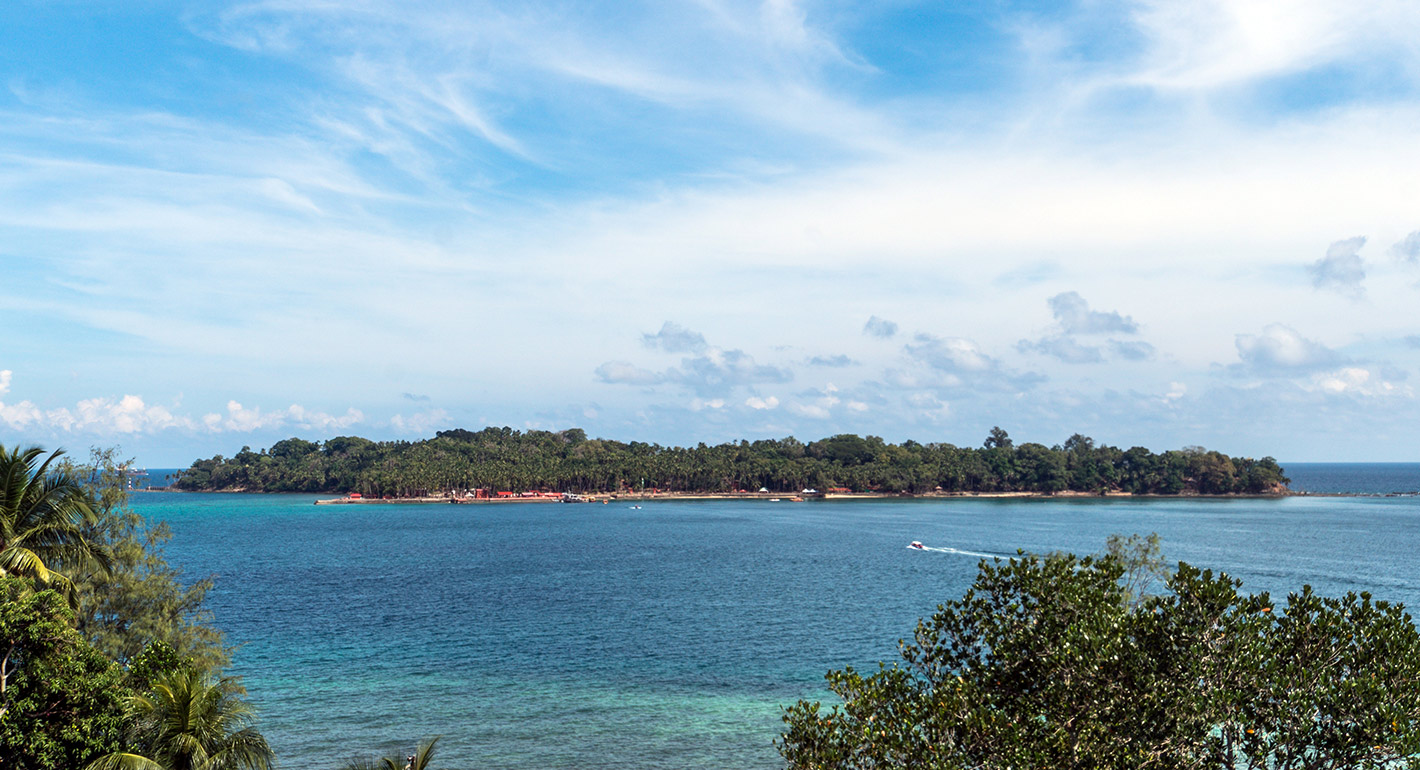
As countries debate an emerging security architecture in the Indo-Pacific, a key area is missing from the discussion: the role of islands. Much as they did in the past, islands will come to play a critical role in shaping the new order in the Indian Ocean region.
Source: War on the Rocks
Strategic islands played a key role in establishing the British empire’s dominance over the Indian Ocean region. Through a ring of bases and naval presence on islands, the British essentially controlled the entry points into this crucial area. In the east it had Singapore and the Andaman and Nicobar Islands, while Socotra and the port city of Aden provided access to the Red Sea and Bab-el Mandeb. With control of Sri Lanka, Maldives, Mauritius, the Seychelles and, briefly, Madagascar, the empire turned the Indian Ocean into a “British Lake.” To consolidate its presence along the coast of Africa, the British Empire fought bloody wars to take control of Kenya, Uganda, and the island of Zanzibar. With these islands and coastal territories, the empire projected its power across the region and dominated the key chokepoints and shipping lines between Asia, Africa, and Europe.
History has time and again highlighted the importance of islands in establishing naval dominance. In the 21st century, maritime affairs have returned to prominence on the geopolitical stage. As countries debate an emerging security architecture in the Indo-Pacific, a key area is missing from the discussion: the role of islands. Much as they did in the past, islands will come to play a critical role in shaping the new order in the Indian Ocean region.
Carnegie does not take institutional positions on public policy issues; the views represented herein are those of the author(s) and do not necessarily reflect the views of Carnegie, its staff, or its trustees.
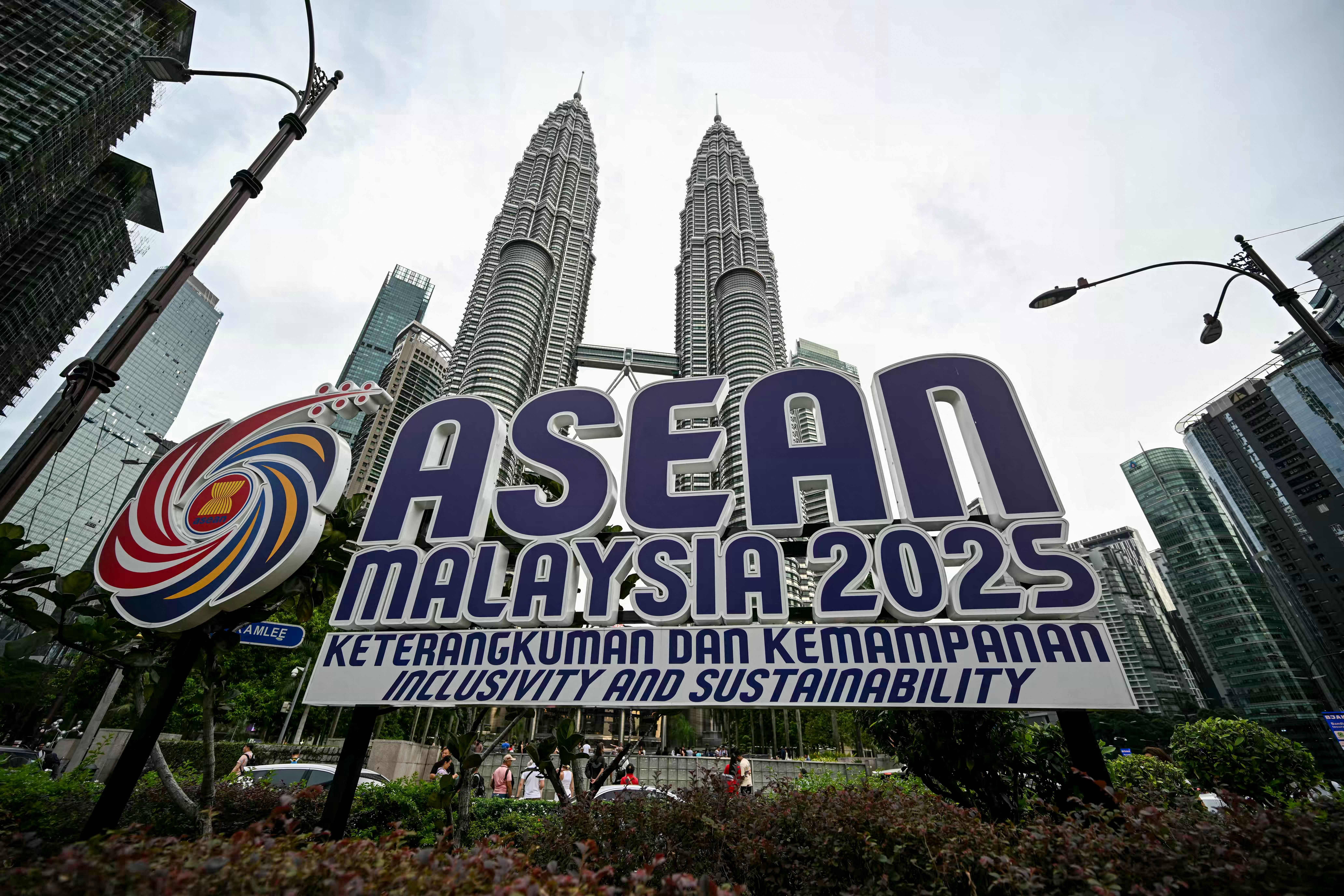
Malaysia’s chairmanship sought to fend off short-term challenges while laying the groundwork for minimizing ASEAN’s longer-term exposure to external stresses.

Elina Noor

For Malaysia, the conjunction that works is “and” not “or” when it comes to the United States and China.
Elina Noor
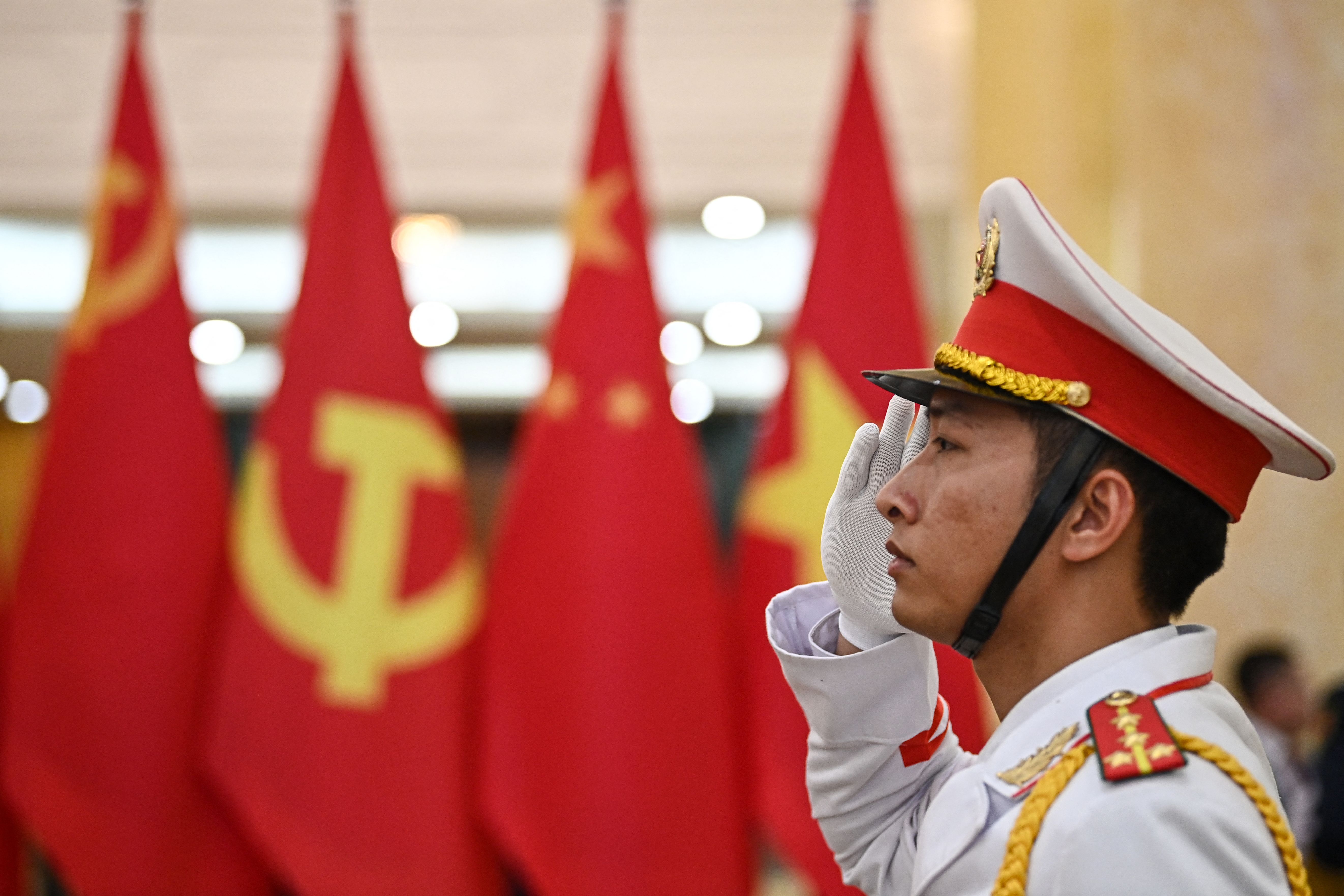
In July 2025, Vietnam and China held their first joint army drill, a modest but symbolic move reflecting Hanoi’s strategic hedging amid U.S.–China rivalry.

Nguyễn Khắc Giang

The Thai-Cambodian conflict highlights the limits to China's peacemaker ambition and the significance of this role on Southeast Asia’s balance of power.

Pongphisoot (Paul) Busbarat
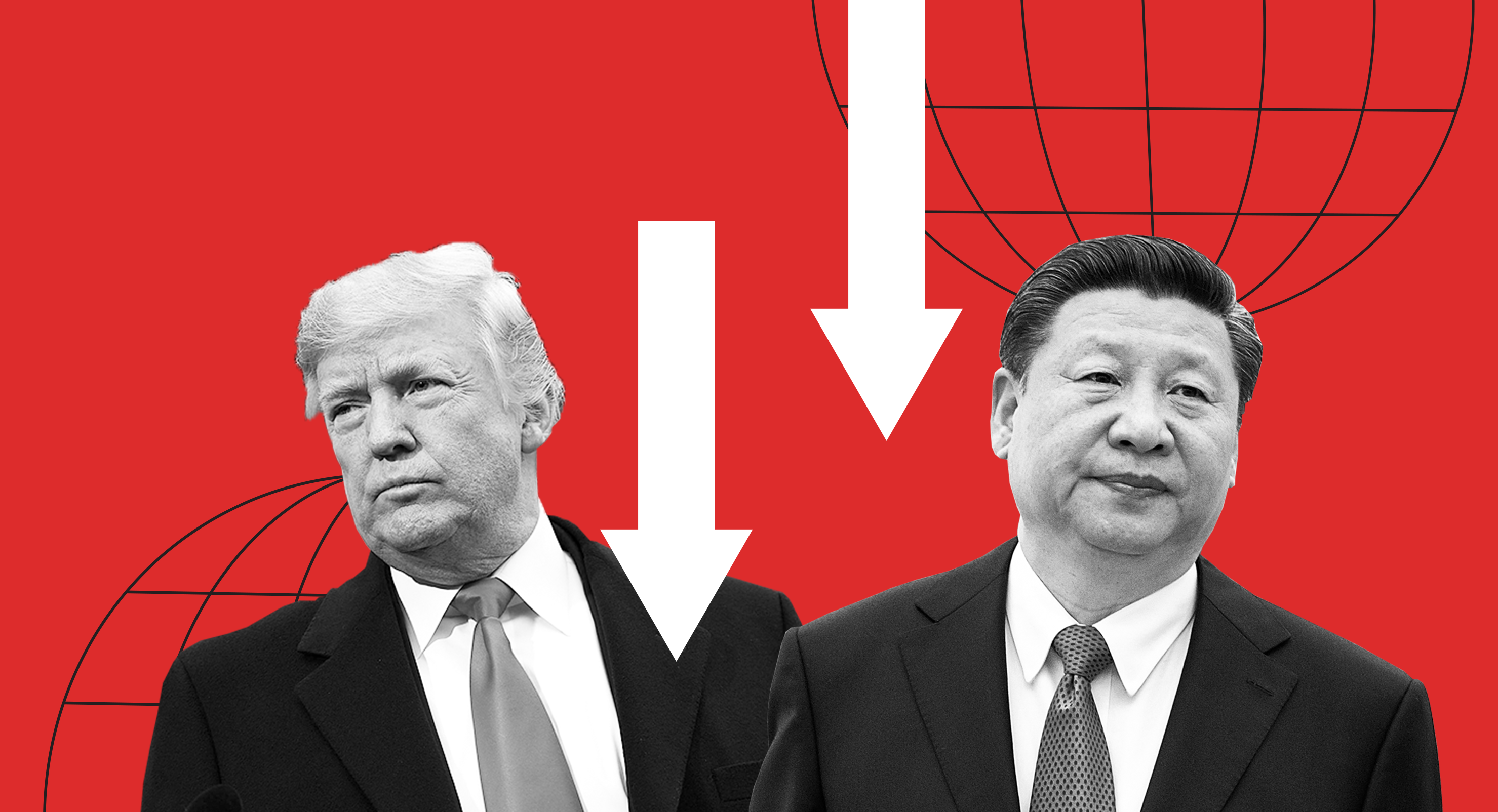
Beijing believes that Washington is overestimating its own leverage and its ability to handle the trade war’s impacts.


Rick Waters, Sheena Chestnut Greitens