

Commentary
While China will remain a significant political and economic force in the Global South, its ambition to leverage the Global South as a counterbalance to the United States and the Global North is far from assured.
Xue Gong
{
  "authors": [
    "Suyash Rai",
    "Anirudh Burman"
  ],
  "type": "legacyinthemedia",
  "centerAffiliationAll": "",
  "centers": [
    "Carnegie Endowment for International Peace",
    "Carnegie India"
  ],
  "collections": [],
  "englishNewsletterAll": "",
  "nonEnglishNewsletterAll": "",
  "primaryCenter": "Carnegie India",
  "programAffiliation": "",
  "programs": [],
  "projects": [
    "Political Economy"
  ],
  "regions": [
    "India",
    "South Asia"
  ],
  "topics": [
    "Domestic Politics",
    "Democracy"
  ]
}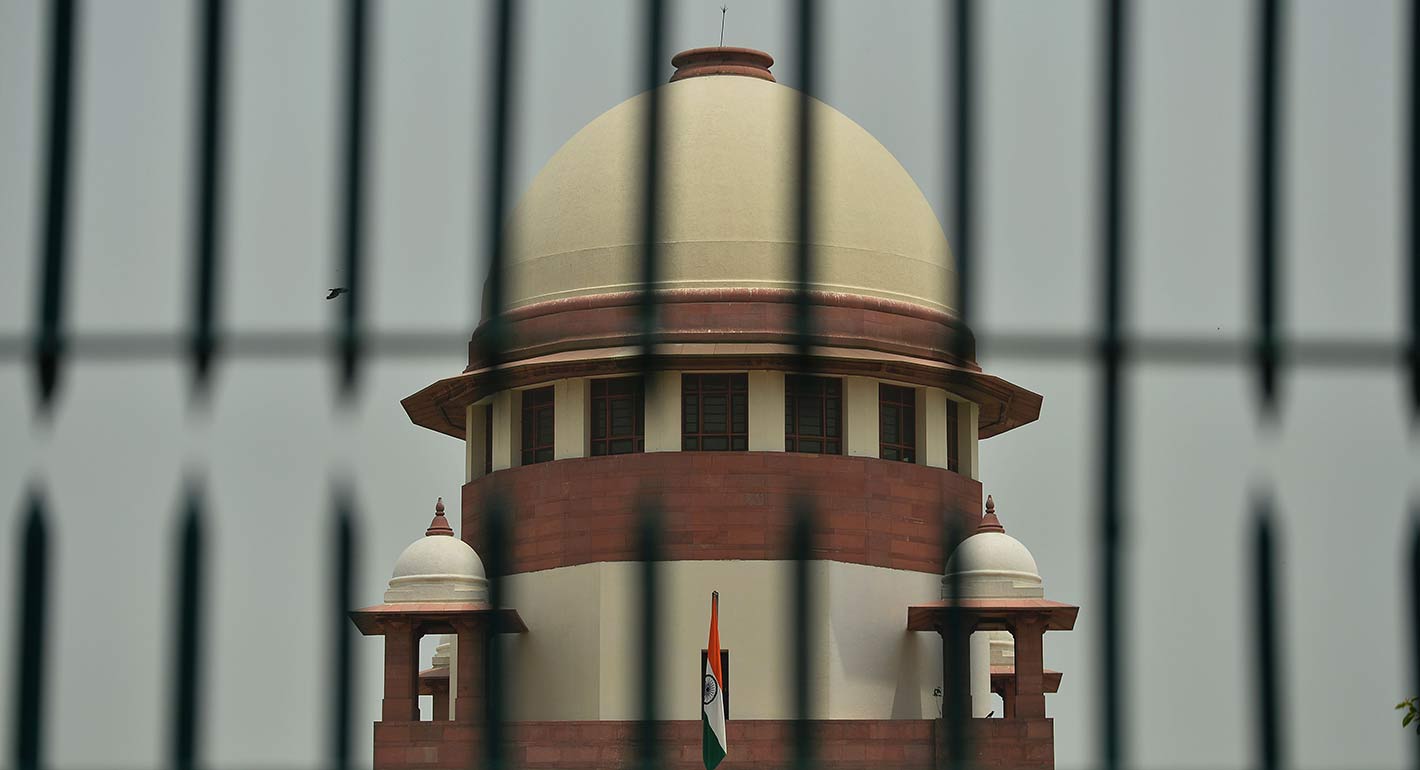
In recent years, some of the most dramatic situations in Indian public life have arisen in the higher judiciary—an arm of the state ideally characterized by collegiality, scholarship, predictability, and remoteness from raucous politics.
Source: Print
In recent years, some of the most dramatic situations in Indian public life have arisen in the higher judiciary – an arm of the state ideally characterised by collegiality, scholarship, predictability, and remoteness from raucous politics.
From the disregard of principles of natural justice and public squabbling among the judges to the politically consequential activism around the National Register of Citizens (NRC) and unpredictable reasoning in judgments (treatment of money bill argument in the Aadhaar case, and ignoring of evidence of low fatalities in the liquor ban case), the reality of the higher judiciary is increasingly divergent from the ideal conception. These situations also remind us how difficult it is to hold the higher judiciary accountable.
Carnegie does not take institutional positions on public policy issues; the views represented herein are those of the author(s) and do not necessarily reflect the views of Carnegie, its staff, or its trustees.
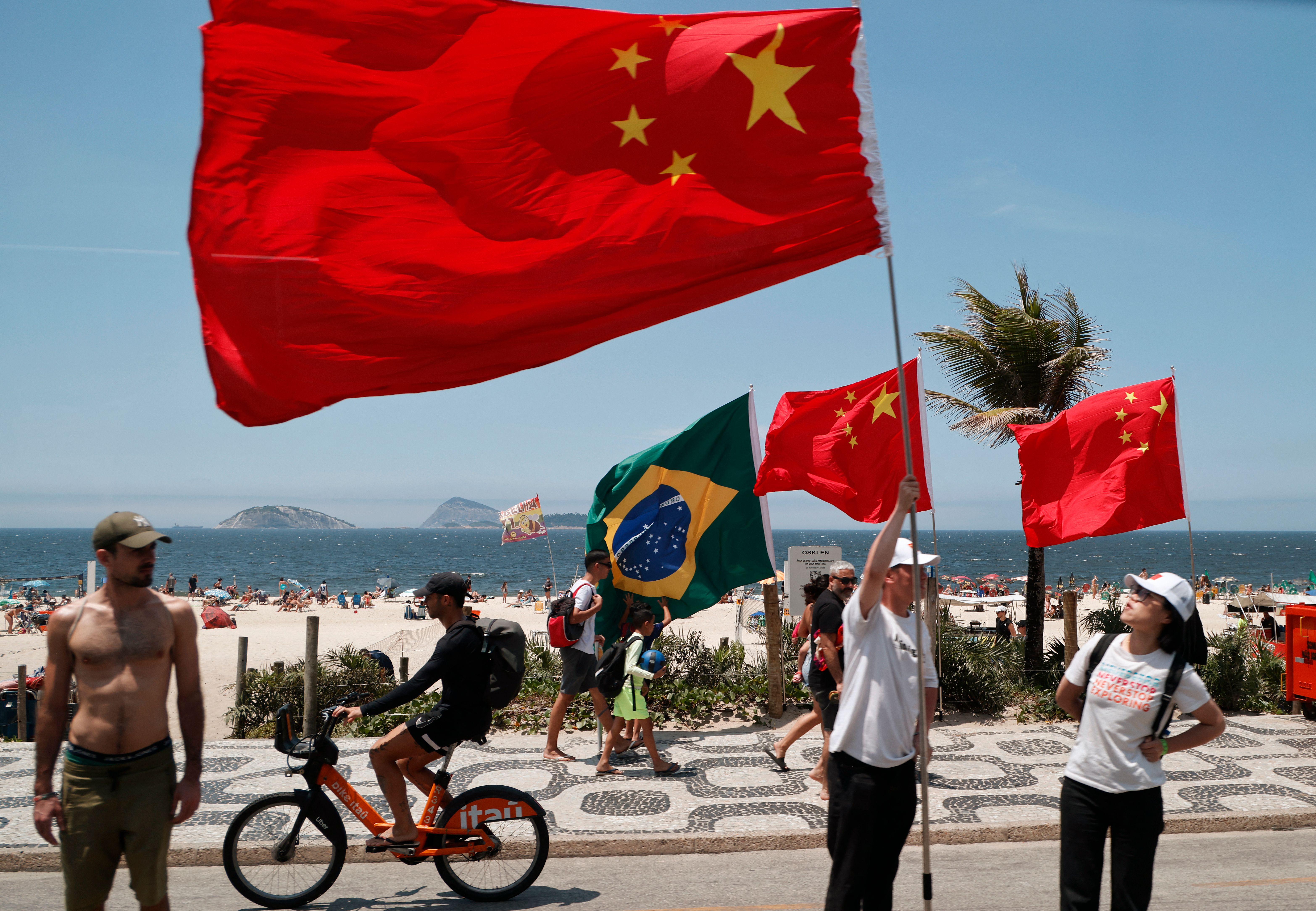
While China will remain a significant political and economic force in the Global South, its ambition to leverage the Global South as a counterbalance to the United States and the Global North is far from assured.

Xue Gong
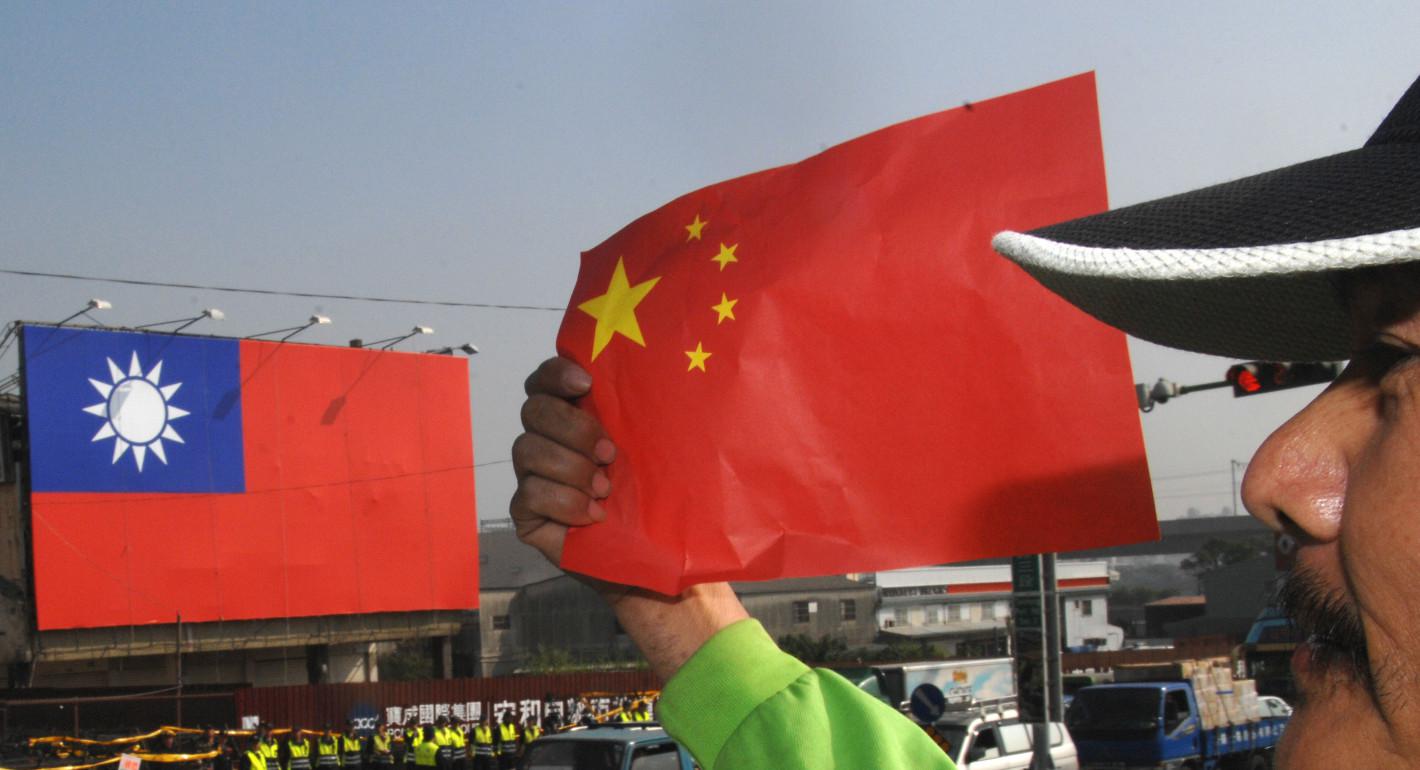
Beijing says that over 180 countries accept its “one China principle” regarding Taiwan, but the reality is more complicated.

Chong Ja Ian
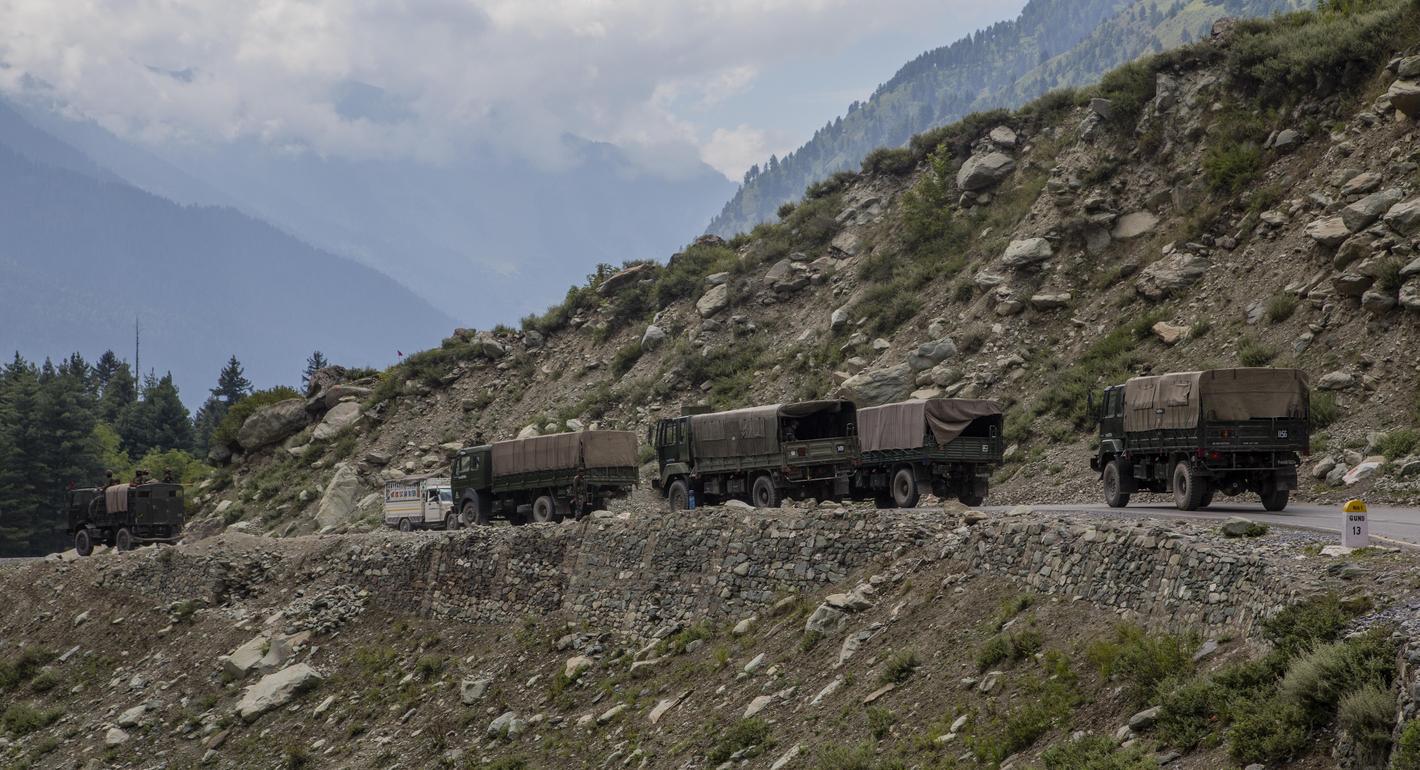
Can China and India disengage from contested territories along the border?

Paul Haenle, Ashley J. Tellis, Han Hua, …
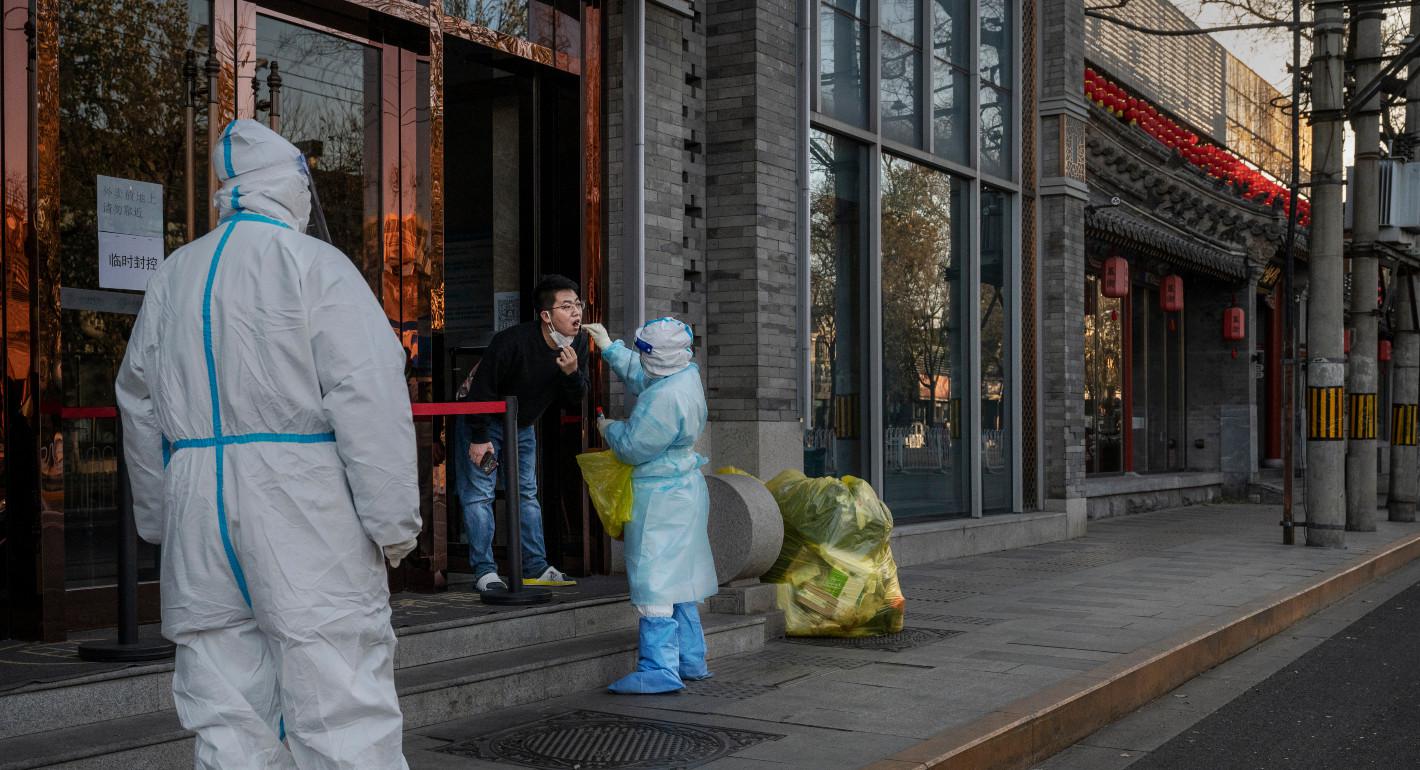
Beijing must choose between preserving its pandemic narrative or facing more unrest.
Paul Haenle
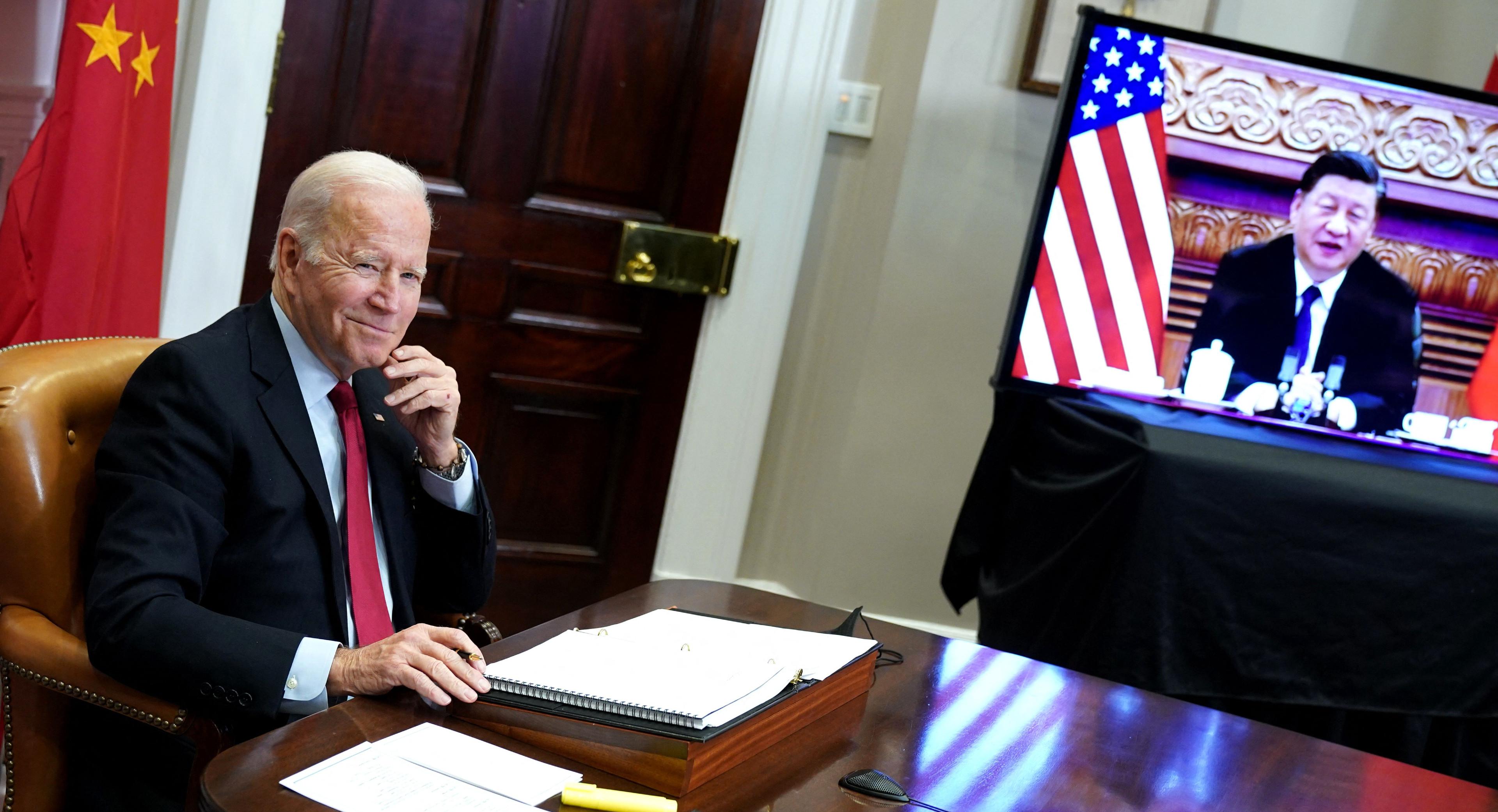
Three months after the Biden-Xi summit, the two sides’ divergent framings of the bilateral relationship are hindering progress.
Paul Haenle, Sam Bresnick