

Other
Anders Aslund

With the dissolution of the Soviet Union in December 1991, Ukraine—the second-most important economic contributor to the union after Russia—unshackled itself from years of subjugation.
Source: New York, NY: M.E. Sharpe, 2000
With the dissolution of the Soviet Union in December 1991, Ukraine—the second-most important economic contributor to the union after Russia—unshackled itself from years of subjugation. The newly gained freedom meant rebuilding the country to reflect Ukrainian nationalism. Radical economic reforms were dismissed; such an approach represented Russian rashness. Instead, Ukraine undertook a “gradualist” approach to reform, but the results have been worse.
In Economic Reform in Ukraine, editors Anders Åslund and Georges de Ménil show that despite intents to reform, Ukraine has had one of the worst growth performances in the post-communist world. In the past decade, the country ended up recreating a massive centralized bureaucracy, including mimicking Soviet-style foreign trade regulations.
This comprehensive and policy-oriented study—with contributions from leading reformers in the Ukrainian government and other economic advisers—is the essential guidebook to what Ukraine needs to do to begin solving major problems in macroeconomic stabilization, fiscal policy, the energy sector, privatization, the legal system, and pension reform. Ukrainian policy makers have long been cognizant of reform proposals and have understood the economic issues, the editors argue. It is now time for policy decisions and implementation.
Anders Åslund is a senior associate at the Carnegie Endowment for International Peace. Georges de Ménil is professor of economics at the Ecole des Hautes Etudes en Sciences Sociales in Paris. They served as co-directors of the Soros International Economic Advisory Group to the Ukrainian Government in the mid-1990s.

Former Senior Associate, Director, Russian and Eurasian Program
Recent Work
Anders Aslund
Anders Aslund
Carnegie does not take institutional positions on public policy issues; the views represented herein are those of the author(s) and do not necessarily reflect the views of Carnegie, its staff, or its trustees.

Regulation, not embargo, allows Beijing to shape how other countries and firms adapt to its terms.

Alvin Camba
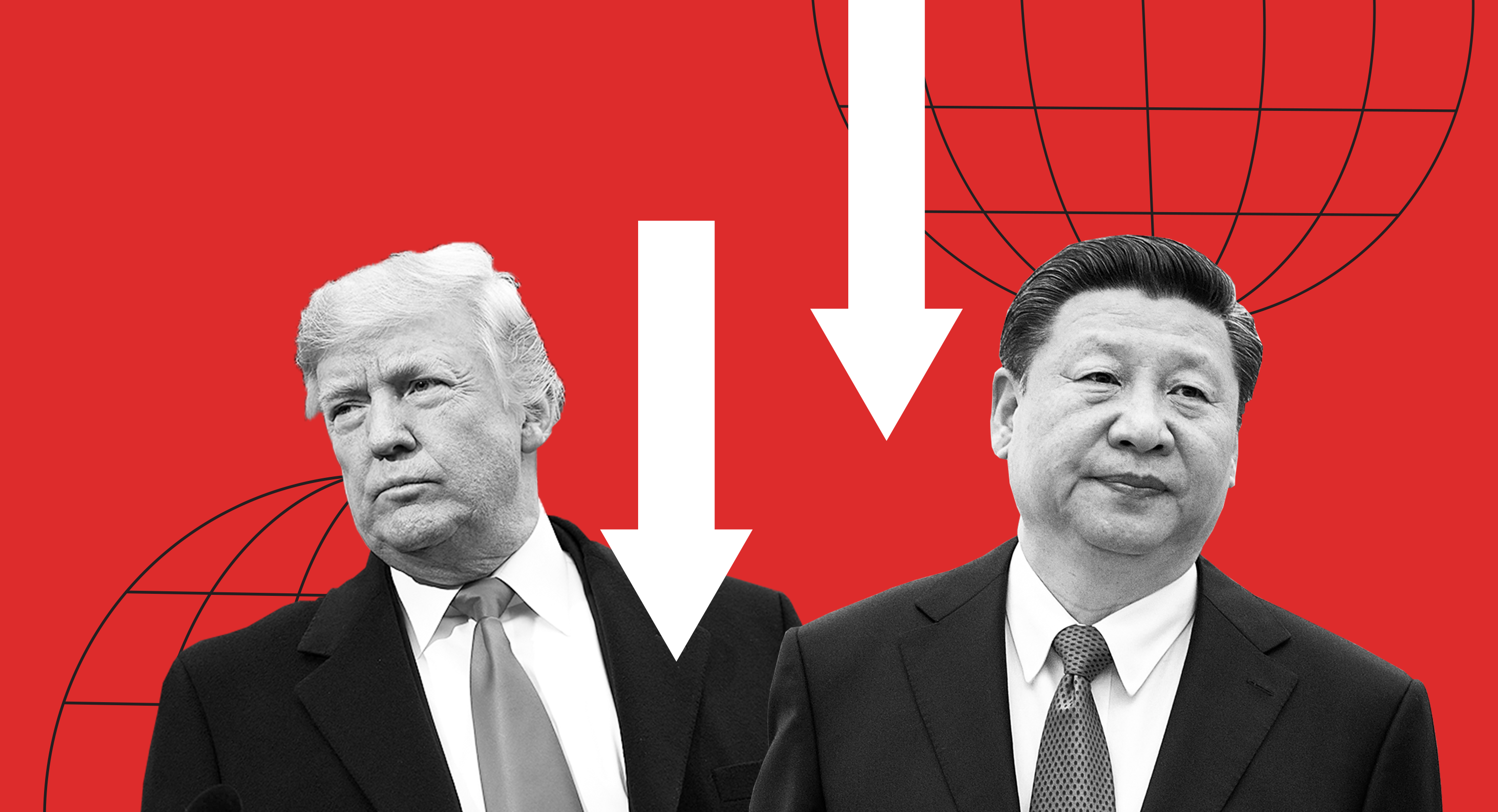
Beijing believes that Washington is overestimating its own leverage and its ability to handle the trade war’s impacts.


Rick Waters, Sheena Chestnut Greitens
Tapping our network of China experts in the region, Carnegie China offers this latest “China Through a Southeast Asian Lens” report to offer preliminary assessments of whether the U.S. effort to reshape the global trading order will lead countries in the region to tilt toward Beijing.


Selina Ho, Khin Khin Kyaw Kyee, Joseph Ching Velasco, …
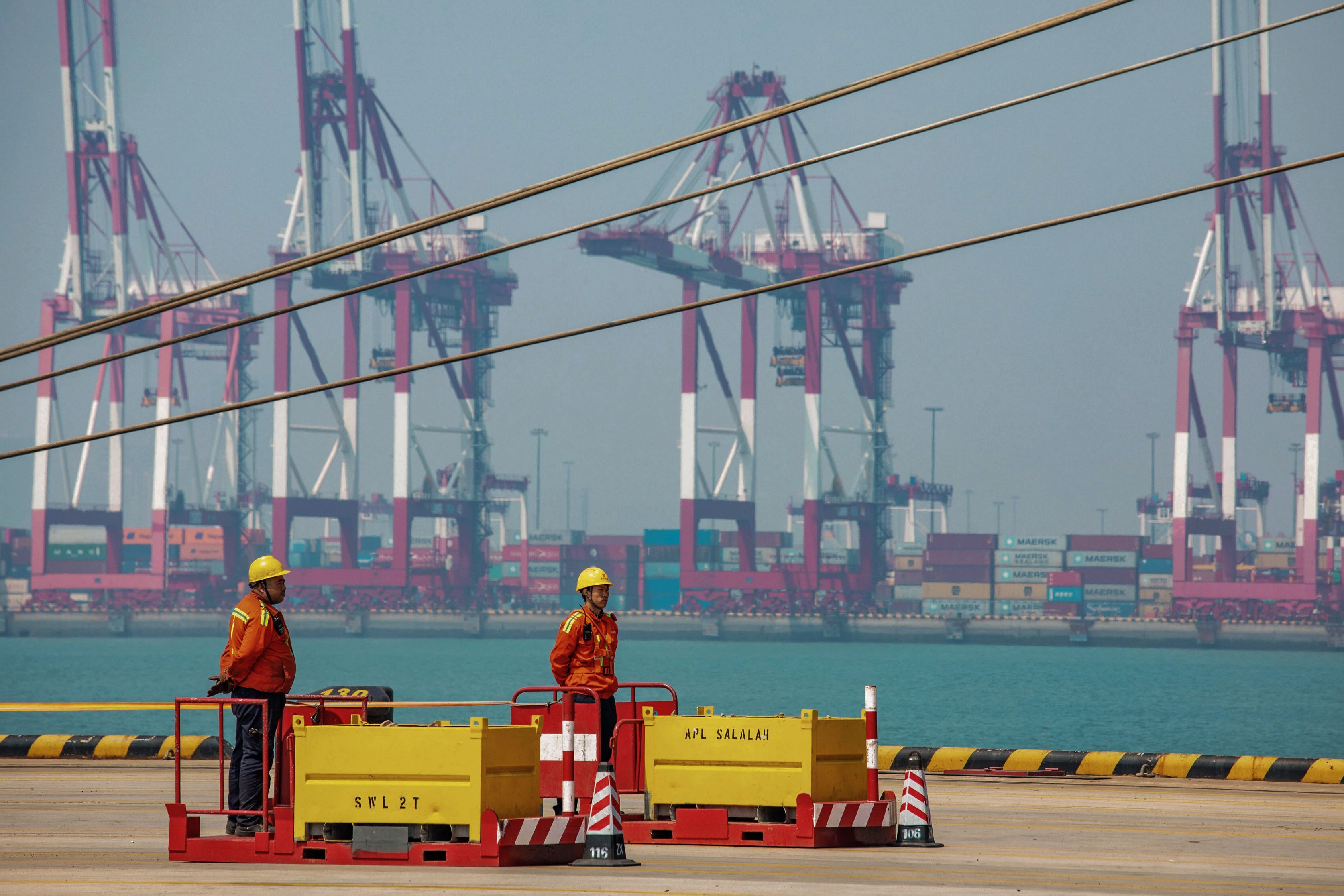
In order to keep production growing, China must either increase investment, and with it its debt burden, or increase its trade surplus.

Michael Pettis

As tech competition moves into the biotech sector, China is increasingly shifting its focus to nearby regions to alleviate U.S.-induced supply chain pressures. As part of this transition, Southeast Asia has emerged as a favored destination.

Xue Gong