

Commentary
Malaysia’s chairmanship sought to fend off short-term challenges while laying the groundwork for minimizing ASEAN’s longer-term exposure to external stresses.
Elina Noor

As the melting Arctic ice cap opens new shipping lanes and makes it easier to access strategic energy reserves, countries are racing to gain control over the Arctic’s abundant natural resources.
The Arctic is emerging as the world’s next hot spot for oil and gas development. As the melting ice cap opens new shipping lanes and makes it easier to access strategic energy reserves, countries are racing to gain control over the Arctic’s abundant natural resources.
In a report, Dmitri Trenin and Pavel Baev offer a view from Moscow on what the opening of the Arctic means. While there is a strong desire to compete over the resources in order to meet increasing energy demands, Trenin and Baev argue that all countries—with Russia in a leading role—can benefit more through cooperation.
“As countries around the globe continue to rely on a dwindling number of oil and gas reserves to serve their energy needs, the Arctic territory—parts of which remain unclaimed—will continue to be an area of intense geopolitical interest,” Trenin and Baev write. “Russia’s role in fostering either goodwill or rivalry will have implications for countries far from the Arctic’s icy waters.”
Carnegie does not take institutional positions on public policy issues; the views represented herein are those of the author(s) and do not necessarily reflect the views of Carnegie, its staff, or its trustees.
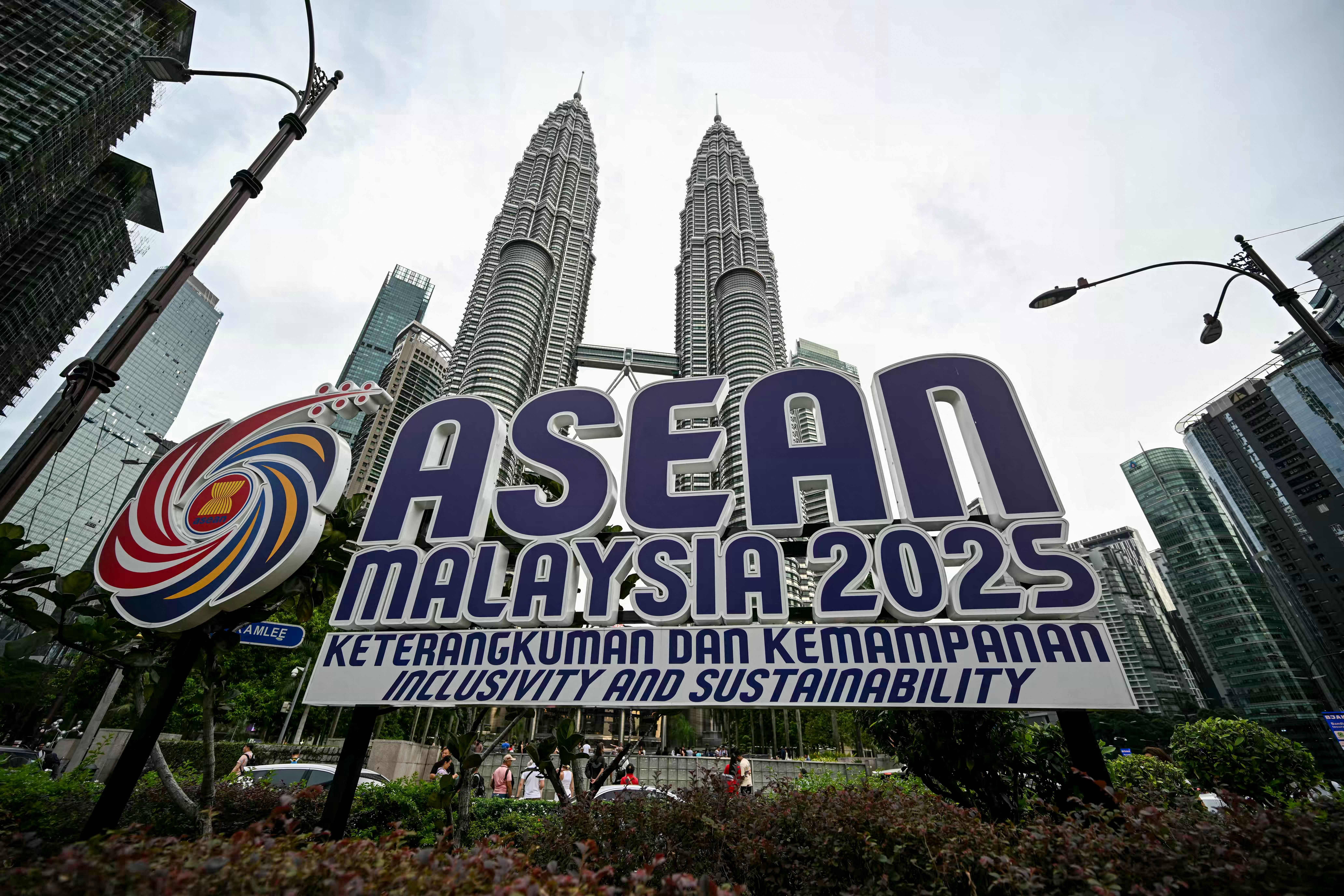
Malaysia’s chairmanship sought to fend off short-term challenges while laying the groundwork for minimizing ASEAN’s longer-term exposure to external stresses.

Elina Noor

For Malaysia, the conjunction that works is “and” not “or” when it comes to the United States and China.
Elina Noor
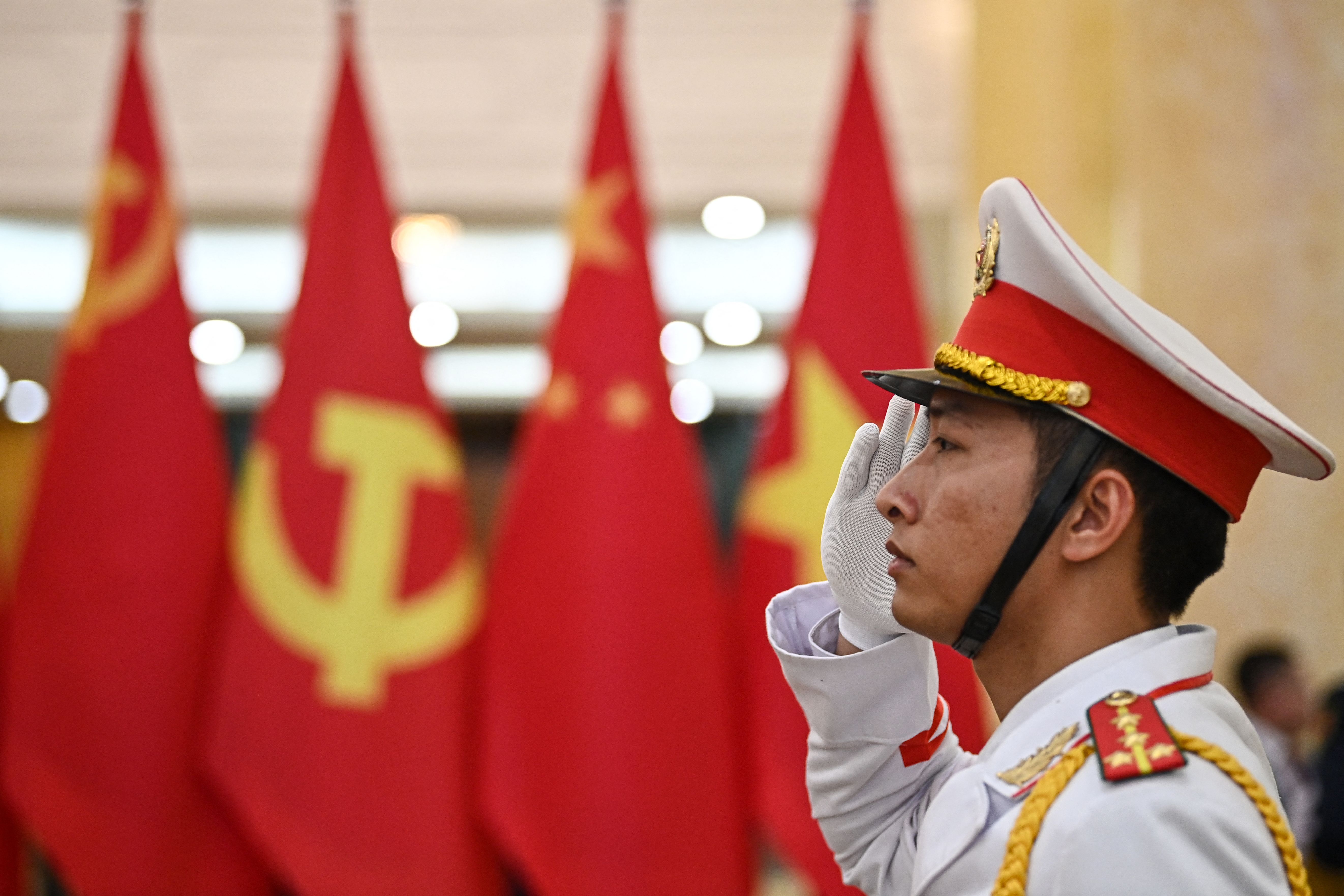
In July 2025, Vietnam and China held their first joint army drill, a modest but symbolic move reflecting Hanoi’s strategic hedging amid U.S.–China rivalry.

Nguyễn Khắc Giang
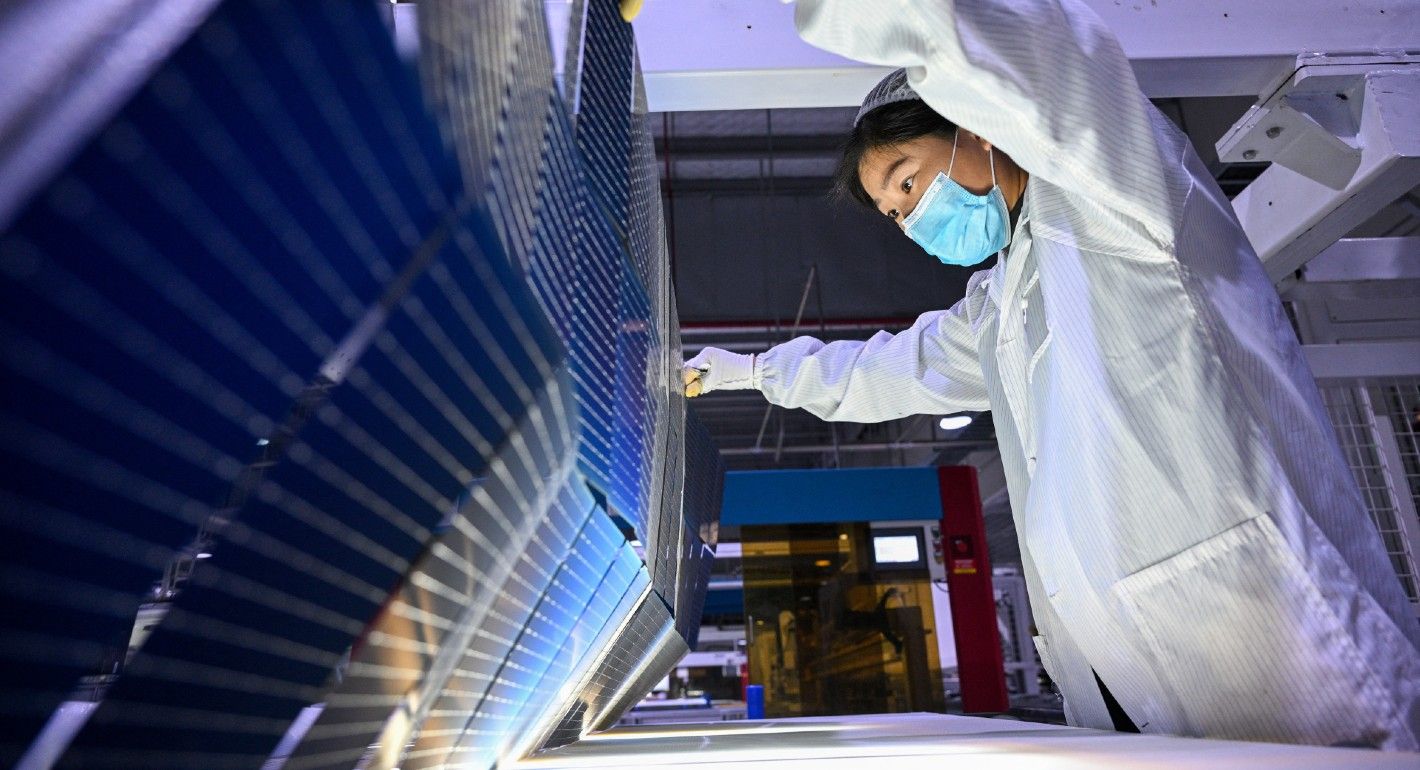
Rather than climate ambitions, compatibility with investment and exports is why China supports both green and high-emission technologies.

Mathias Larsen
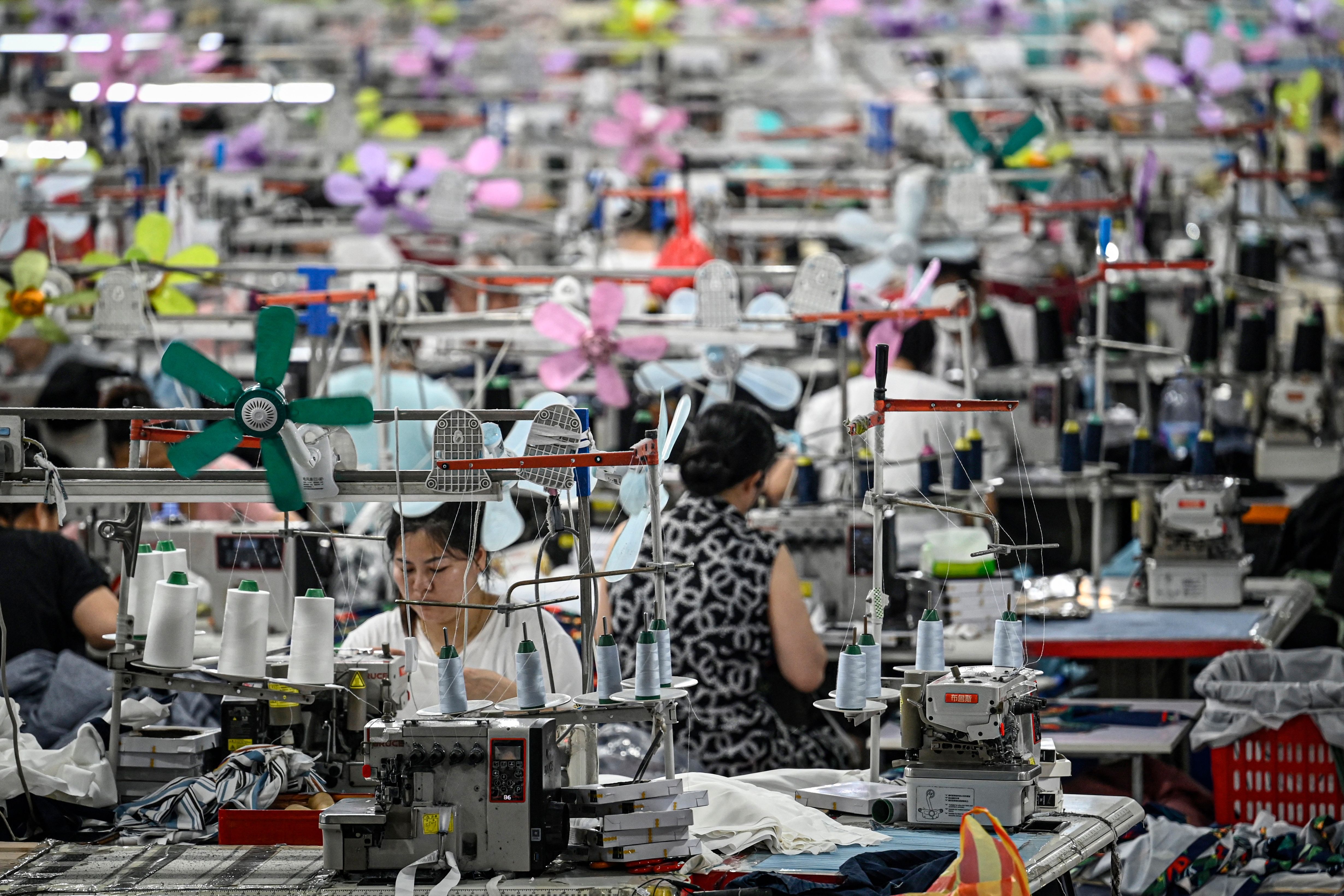
“Involution” is a new word for an old problem, and without a very different set of policies to rein it in, it is a problem that is likely to persist.

Michael Pettis