

Commentary
European reactions to the war in Iran have lost sight of wider political dynamics. The EU must position itself for the next phase of the crisis without giving up on its principles.
Richard Youngs
{
  "authors": [],
  "type": "pressRelease",
  "centerAffiliationAll": "dc",
  "centers": [
    "Carnegie Endowment for International Peace"
  ],
  "collections": [],
  "englishNewsletterAll": "ctw",
  "nonEnglishNewsletterAll": "",
  "primaryCenter": "Carnegie Endowment for International Peace",
  "programAffiliation": "SCP",
  "programs": [
    "Sustainability, Climate, and Geopolitics"
  ],
  "projects": [],
  "regions": [
    "North America",
    "United States"
  ],
  "topics": []
}
REQUIRED IMAGE
ExxonMobil announced that it will contribute $500,000 to support the Carnegie Endowment for International Peace’s New Vision of pioneering the first global think tank.
WASHINGTON, June 5—ExxonMobil today announced that it will contribute $500,000 to support the Carnegie Endowment for International Peace’s New Vision of pioneering the first global think tank.
“We are immensely grateful to ExxonMobil for its generous support of and investment in the Endowment’s New Vision. With offices now up and running in China, Russia, the Middle East, Europe and the United States, this financial support is a further endorsement of the mission we are pursuing,” said Jessica T. Mathews, President of the Carnegie Endowment.
“ExxonMobil is proud to support the Carnegie Endowment for International Peace with a major contribution to its New Vision initiative. For years the Endowment has sought greater understanding and cooperation around the world. We hope that our contribution will enable Carnegie to continue and enhance this important work,” said Rex W. Tillerson, Chairman and Chief Executive Officer, Exxon Mobil Corporation.
Through its New Vision, Carnegie aims to promote sustained, international collaboration by developing improved understanding in the United States of thinking in other countries and regions; developing deeper understanding abroad of U.S. thinking; and developing, on both sides, a critical mass of research-based insights on vital issues.
Carnegie’s leading experts on international affairs, from nonproliferation to democracy promotion, produce first-rate, independent research to help policy makers formulate better courses of action.
Carnegie is the only think tank with a commitment to fluency in relevant languages and to publishing in hard copy and on the web in Russian, Chinese and Arabic, as well as other languages where appropriate.
###
NOTES
Carnegie does not take institutional positions on public policy issues; the views represented herein are those of the author(s) and do not necessarily reflect the views of Carnegie, its staff, or its trustees.
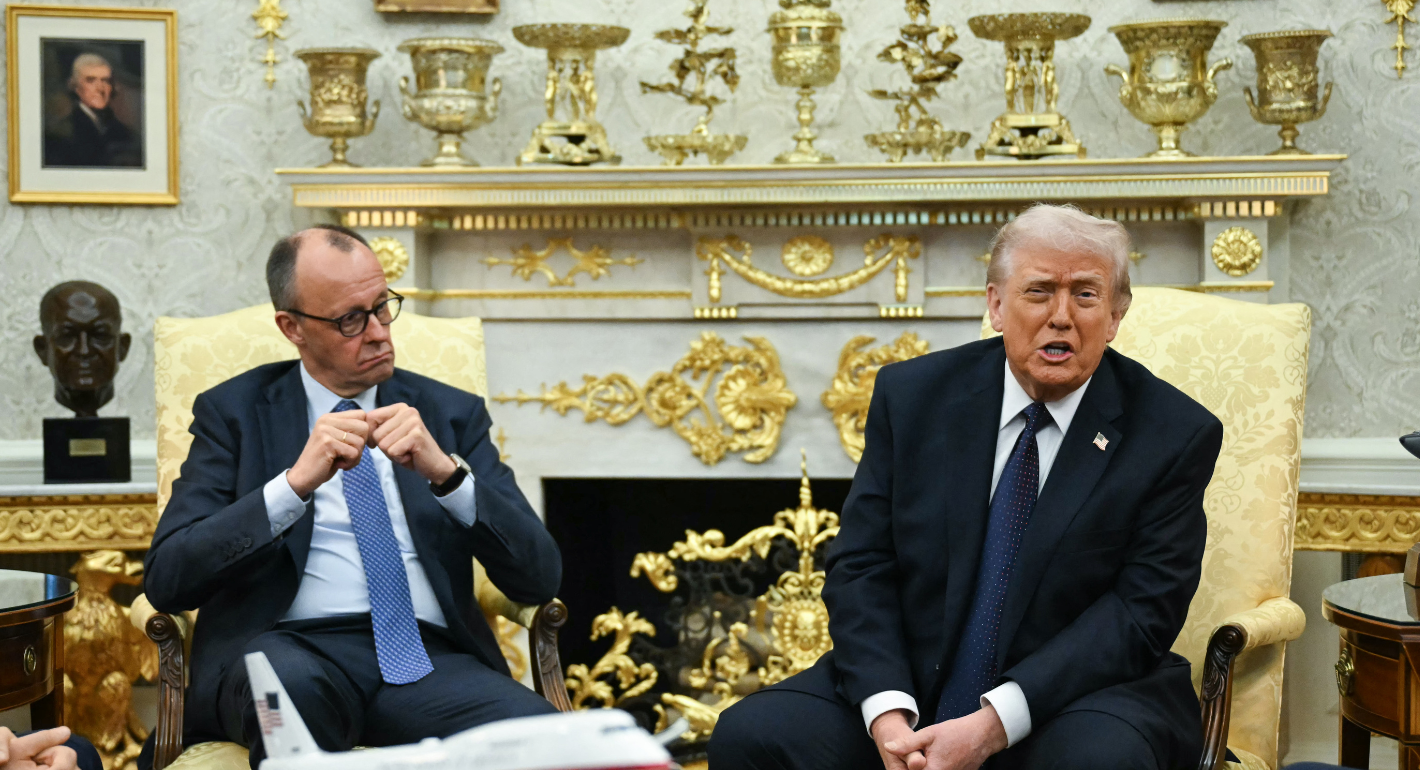
European reactions to the war in Iran have lost sight of wider political dynamics. The EU must position itself for the next phase of the crisis without giving up on its principles.

Richard Youngs
For years, the United States anchored global cyber diplomacy. As Washington rethinks its leadership role, the launch of the UN’s Cyber Global Mechanism may test how allies adjust their engagement.
Patryk Pawlak, Chris Painter
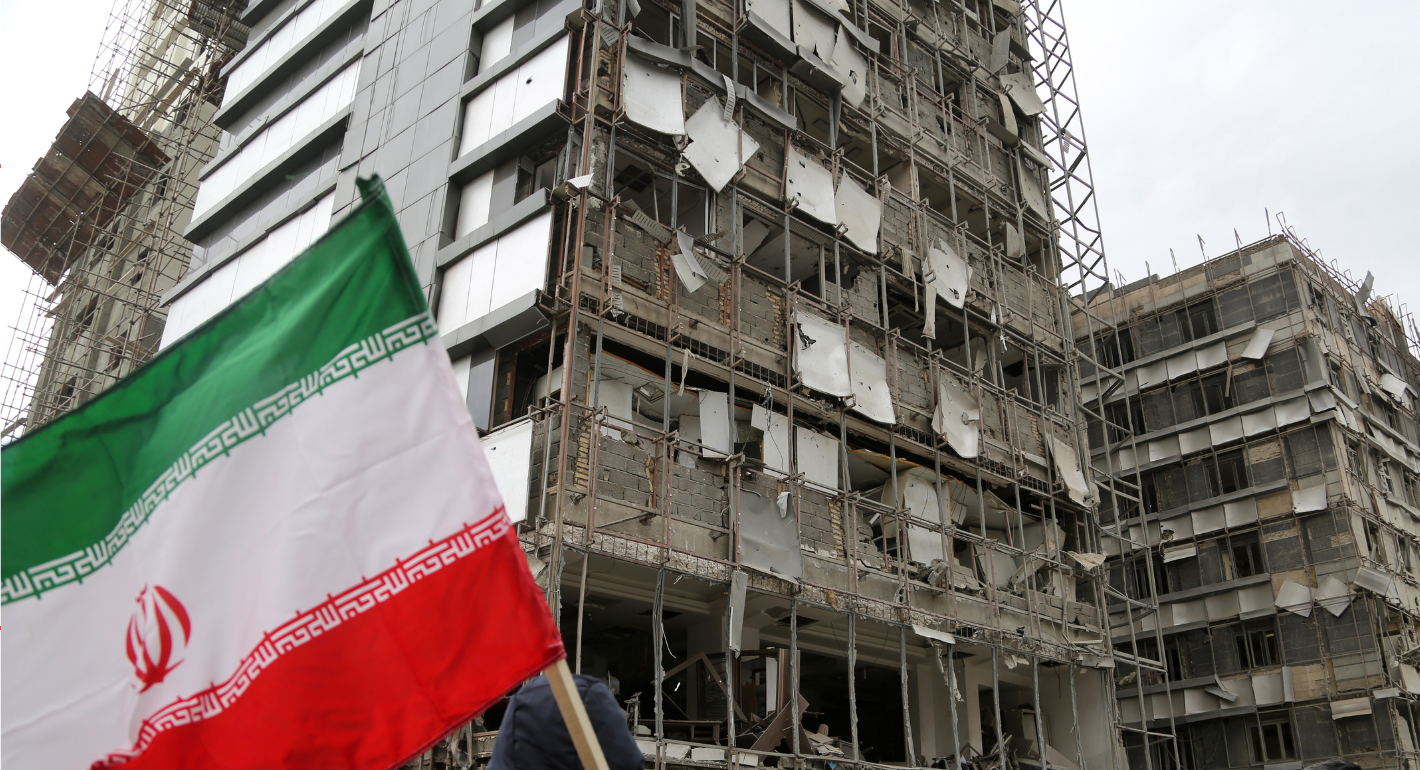
Europe’s reaction to the war in Iran has been disunited and meek, a far cry from its previously leading role in diplomacy with Tehran. To avoid being condemned to the sidelines while escalation continues, Brussels needs to stand up for international law.

Pierre Vimont
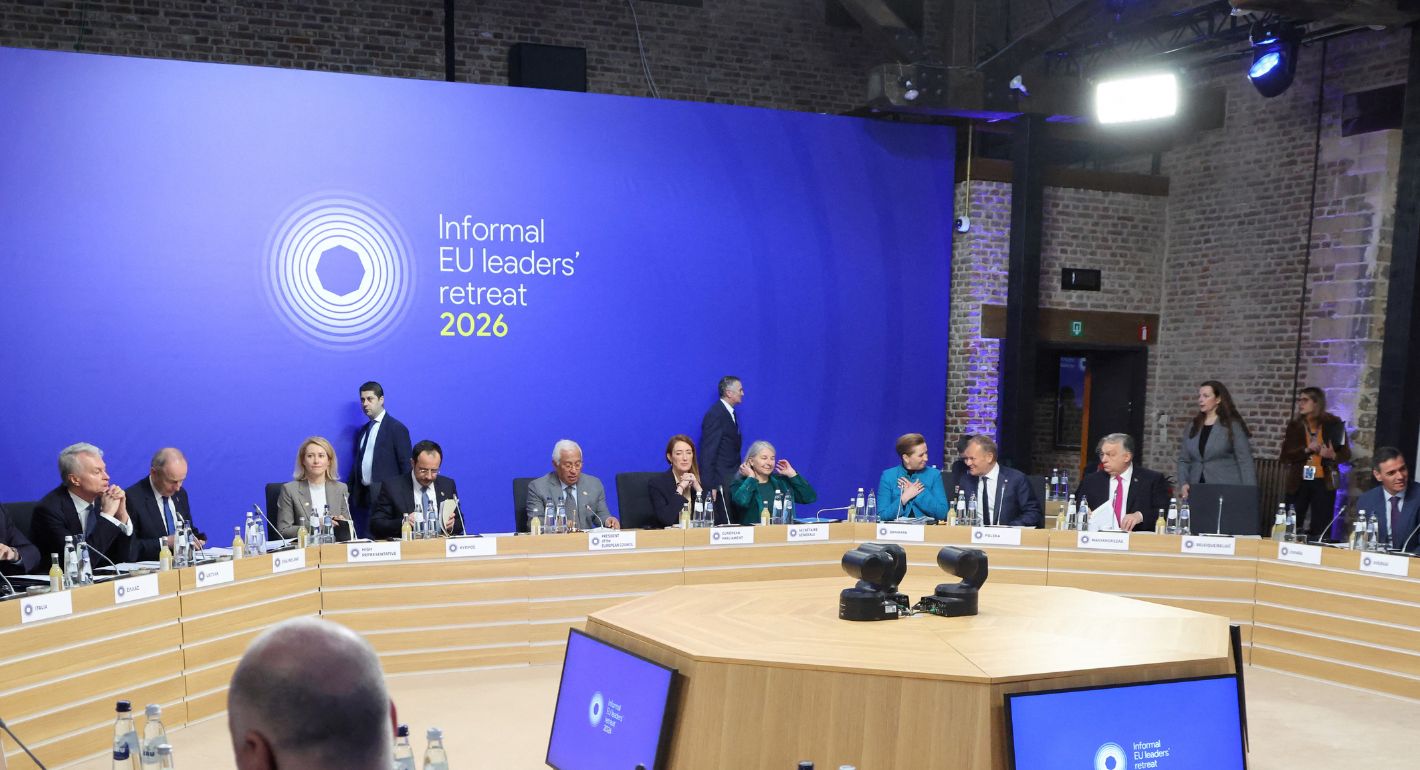
EU member states clash over how to boost the union’s competitiveness: Some want to favor European industries in public procurement, while others worry this could deter foreign investment. So, can the EU simultaneously attract global capital and reduce dependencies?

Rym Momtaz, ed.
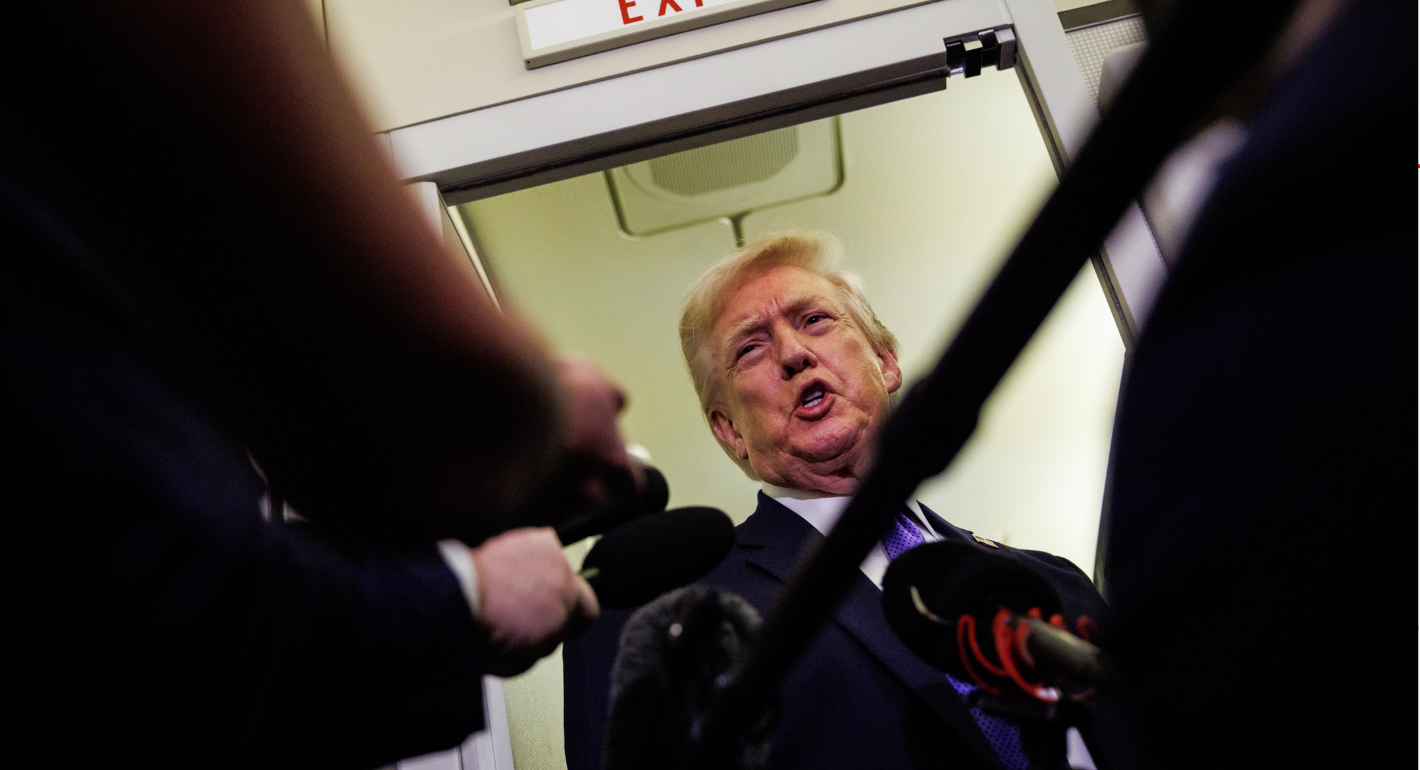
Europe’s policy of subservience to the Trump administration has failed. For Washington to take the EU seriously, its leaders now need to combine engagement with robust pushback.

Stefan Lehne