

Commentary
European reactions to the war in Iran have lost sight of wider political dynamics. The EU must position itself for the next phase of the crisis without giving up on its principles.
Richard Youngs
{
  "authors": [
    "Nima Gerami",
    "James M. Acton"
  ],
  "type": "legacyinthemedia",
  "centerAffiliationAll": "dc",
  "centers": [
    "Carnegie Endowment for International Peace"
  ],
  "collections": [],
  "englishNewsletterAll": "ctw",
  "nonEnglishNewsletterAll": "",
  "primaryCenter": "Carnegie Endowment for International Peace",
  "programAffiliation": "NPP",
  "programs": [
    "Nuclear Policy"
  ],
  "projects": [],
  "regions": [
    "Middle East",
    "Iran"
  ],
  "topics": [
    "Nuclear Policy",
    "Nuclear Energy"
  ]
}
Source: Getty
Iran's month-long delay in inspections of the Qom facility has important implications for the IAEA's ability to properly understand the nature of the previously undeclared enrichment site.
Source: Foreign Policy

A month may not seem like much, but it has important implications for the IAEA's ability to properly understand the nature of the Qom facility.
Iran's delay might be a shrewd political tactic to put off publication of results from next week's inspection. By the time the IAEA Board of Governors meets on Nov. 23 to receive the director general's next report on Iran, the agency will not have received laboratory analysis of environmental samples taken from equipment within the Qom facility. It is standard practice for the IAEA to use swipe samples to verify that there have been no undeclared nuclear activities at a site. This sort of environmental monitoring is critical to understanding a new facility.
However, swipe samples take weeks to analyze. Thus, Iran's delay ensures that the results of the swipe samples will not be available by the November Board of Governors meeting. By the time they are available -- probably for the first board meeting next year -- the current sense of urgency will have been lost.
Moreover, there are likely to be differences between facilities designed to produce low-enriched uranium and those for high-enriched, weapons-grade uranium in terms of layout and certain types of equipment. A month would allow Iran to hide such items and modify any blueprints requested by the IAEA.
In the longer term, Iran's delay creates a bad precedent. It sets a corrosive example that Iran -- or any other state -- can invoke if it wants to delay IAEA access to nuclear facilities. IAEA officials regularly complain about their lack of legal authority. This delay erodes the authority that they already have.
Some in the United States have been keen to blame President Barack Obama for the delay. He demanded on Oct. 1 that Iran grant the IAEA "unfettered access" to the Qom facility within two weeks. By the time inspectors are granted access it will have been three. But ultimately, Iran's ability to circumvent early inspections of the Qom facility was not Obama's fault. As director general of the IAEA, Mohamed ElBaradei is charged with leading investigations of a state's nuclear activities and was tasked with negotiating arrangements for inspections with Iran. Yet ElBaradei's reaction to Iran's delay was uncritical. He should have pursued negotiations sooner and publicly criticized Iran when it refused quick access. Given the unity among the P5+1 about the need for immediate access, this kind of public statement would have put considerable pressure on Iran.
ElBaradei and his successor, Yukiya Amano, would therefore be well-advised to be more vocal when a state delays access to nuclear facilities and to call out that state if it refuses to oblige. The task of the IAEA director general is to implement safeguards as effectively as possible. He should push hard for access and, if an impasse is reached, speak out rather than settling silently for a poor deal. Only by doing so can the director general prevent the erosion of the IAEA's authority and ensure that states take IAEA pronouncements about their nuclear programs seriously.
Nima Gerami and James M. Acton are, respectively, research assistant and associate in the Nonproliferation Program at the Carnegie Endowment for International Peace.
Nima Gerami
Former Research Assistant, Nuclear Policy Program

Jessica T. Mathews Chair, Co-director, Nuclear Policy Program
Acton holds the Jessica T. Mathews Chair and is co-director of the Nuclear Policy Program at the Carnegie Endowment for International Peace.
Carnegie does not take institutional positions on public policy issues; the views represented herein are those of the author(s) and do not necessarily reflect the views of Carnegie, its staff, or its trustees.
European reactions to the war in Iran have lost sight of wider political dynamics. The EU must position itself for the next phase of the crisis without giving up on its principles.

Richard Youngs
Europe’s reaction to the war in Iran has been disunited and meek, a far cry from its previously leading role in diplomacy with Tehran. To avoid being condemned to the sidelines while escalation continues, Brussels needs to stand up for international law.

Pierre Vimont
France has stopped clinging to notions of being a great power and is embracing the middle power moment. But Emmanuel Macron has his work cut out if he is to secure his country’s global standing before his term in office ends.

Rym Momtaz
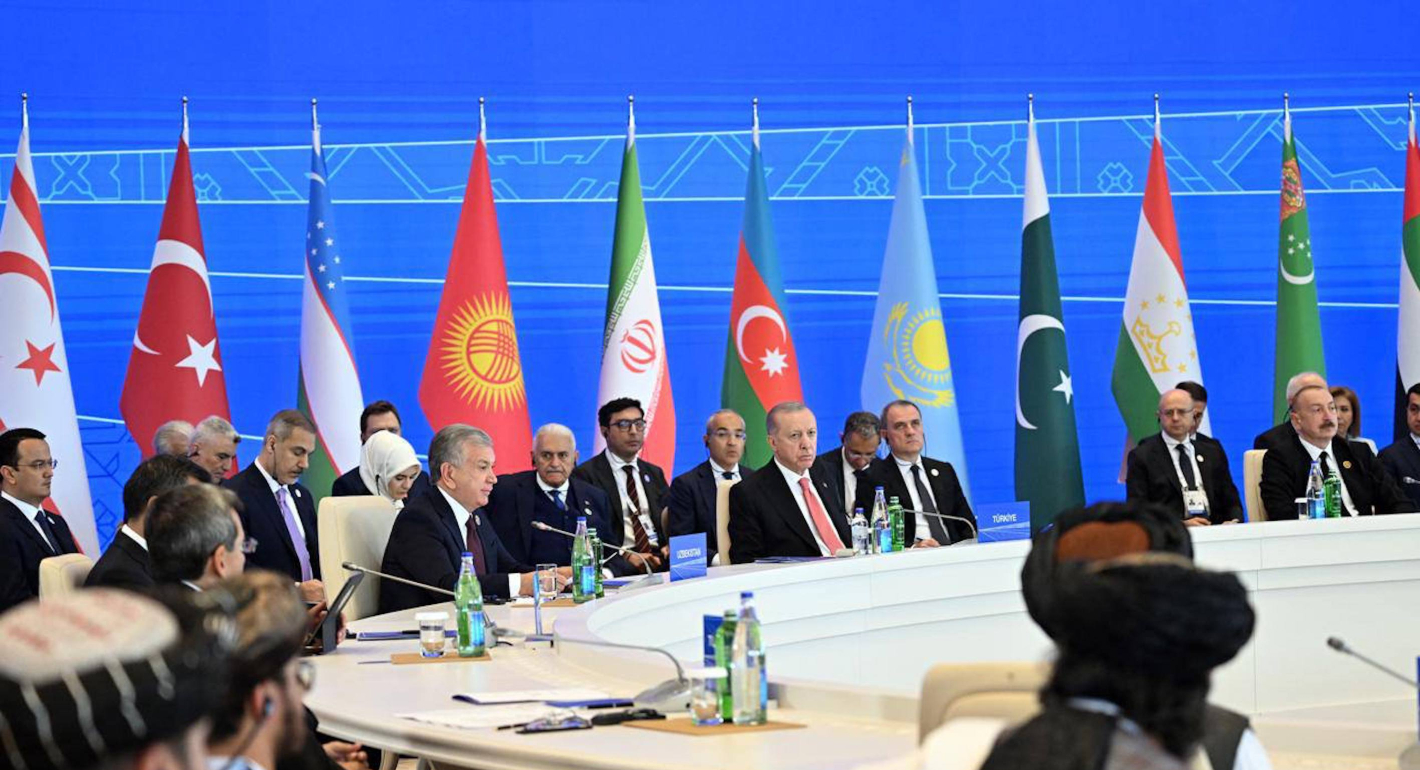
Over the past two decades, regional collaboration in the South Caucasus has intensified. Turkey and the EU should establish a cooperation framework to accelerate economic development and diversification.


Feride İnan, Güven Sak, Berat Yücel
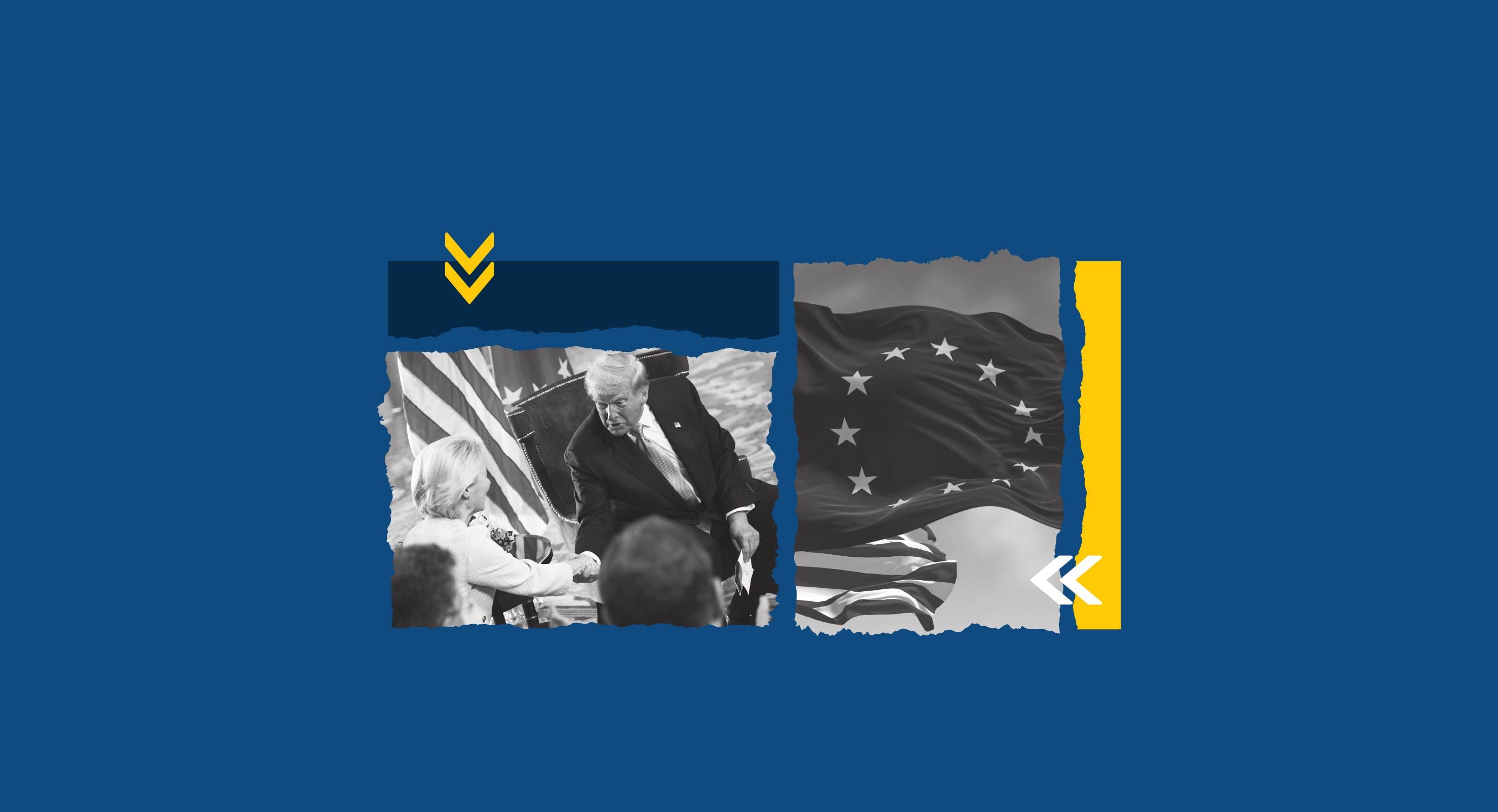
In Donald Trump’s second term in office, the transatlantic relationship that helped define the postwar European project and global order appears broken. Is it time for Brussels to chart its own path?

Nathalie Tocci, Jan Techau