• Research
  • About
  • Experts
Carnegie India logoCarnegie lettermark logo
Technology
{
  "authors": [
    "Alexey Malashenko"
  ],
  "type": "commentary",
  "centerAffiliationAll": "",
  "centers": [
    "Carnegie Endowment for International Peace",
    "Carnegie Russia Eurasia Center"
  ],
  "collections": [],
  "englishNewsletterAll": "",
  "nonEnglishNewsletterAll": "",
  "primaryCenter": "Carnegie Russia Eurasia Center",
  "programAffiliation": "",
  "programs": [],
  "projects": [],
  "regions": [
    "Caucasus",
    "Russia"
  ],
  "topics": [
    "Political Reform",
    "Security",
    "Religion"
  ]
}
Commentary
Carnegie Russia Eurasia Center

Dagestan on the Eve of the Olympics

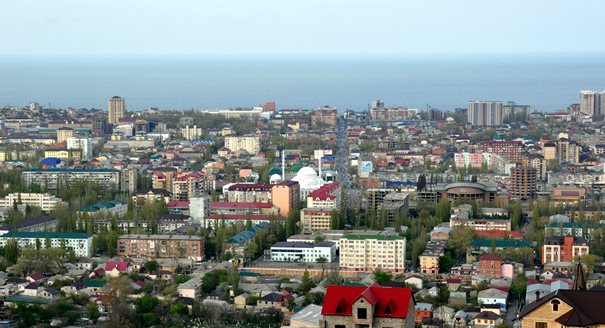
The situation in Dagestan is chronically tense, and many analysts think that the civil war there continues. The conflict is accompanied by social Islamicization, as well as the growing influence of radical Islam and Salafi movements.

Link Copied
By Alexey Malashenko
Published on Jan 16, 2014

Lives are lost in Dagestan practically every day. The situation in the republic is chronically tense, and many analysts, including those in the region, think that the civil war there continues. Dagestanis are tired of this war; they are sick of permanently living under stress. War has become part of their lives, and some even learned to talk about it with a morbid sense of humor.

The question of what sparked the civil war is no longer relevant. The question of how order in the republic can be restored has been left unanswered for almost two decades. Hardly anyone believes that the conflict can be resolved. Ramazan Abdulatipov, Dagestan’s president who was appointed in 2013, promised to restore order, but has found himself unable to effect any meaningful change.

The conflict is accompanied by Dagestan’s social Islamicization, as well as the growing influence of radical Islam and Salafi movements. The term “shariatization” is now increasingly used to describe the revival of sharia legal system (more than twenty sharia courts operate in Dagestan), the establishment of behavioral norms based exclusively on Islamic values, and the strict observance of religious restrictions. In some reported instances, “unknown assailants” knocked kvass (non-alcoholic Russian beverage) mugs out of people’s hands on the streets. It has become extremely hard to buy alcohol in Dagestan, even in its capital Makhachkala, despite the fact that 86 percent of Russian brandy is produced in Dagestan. Alcohol vendors have every reason to fear for their lives—a few stores and kiosks that sold alcoholic beverages were blown up by the militants.

Dagestani society is essentially split into three groups.

The first more numerous one adheres to traditional Islam and is supportive of the authorities.

The second one is smaller but more active. To varying degrees it endorses the Salafi ideas, and opposes the regime.

In general, both these groups support Dagestan’s Islamicization. However, while the first group believes this can be accomplished within the framework of the Russian Federation, the second group sees the creation of an Islamic state as the eventual goal, which is only possible outside of Russia. In other words, the second group harbors separatist aspirations.

There is also a third group which continues to stand up for the secular state, believing that Islamicization reverses modern trends and takes Dagestan farther away from Russia. This situation contributes to turning Dagestan and some other Caucasus regions into Russia’s internal abroad, living in accordance to their own traditions and norms. It appears that those supporting the secular state are gradually losing their positions.

During my Dagestan trip in December 2013, I occasionally came across the view that the tensions there may escalate even more, and a new flare-up of terrorist attacks is possible. The low-level civil war continues.

Alexey Malashenko
Former Scholar in Residence, Religion, Society, and Security Program
Alexey Malashenko
Political ReformSecurityReligionCaucasusRussia

Carnegie India does not take institutional positions on public policy issues; the views represented herein are those of the author(s) and do not necessarily reflect the views of Carnegie, its staff, or its trustees.

More Work from Carnegie India

  • Commentary
    The Impact of U.S. Sanctions and Tariffs on India’s Russian Oil Imports

    This piece examines India’s response to U.S. sanctions and tariffs, specifically assessing the immediate market consequences, such as alterations in import costs, and the broader strategic implications for India’s energy security and foreign policy orientation.

      Vrinda Sahai
  • Article
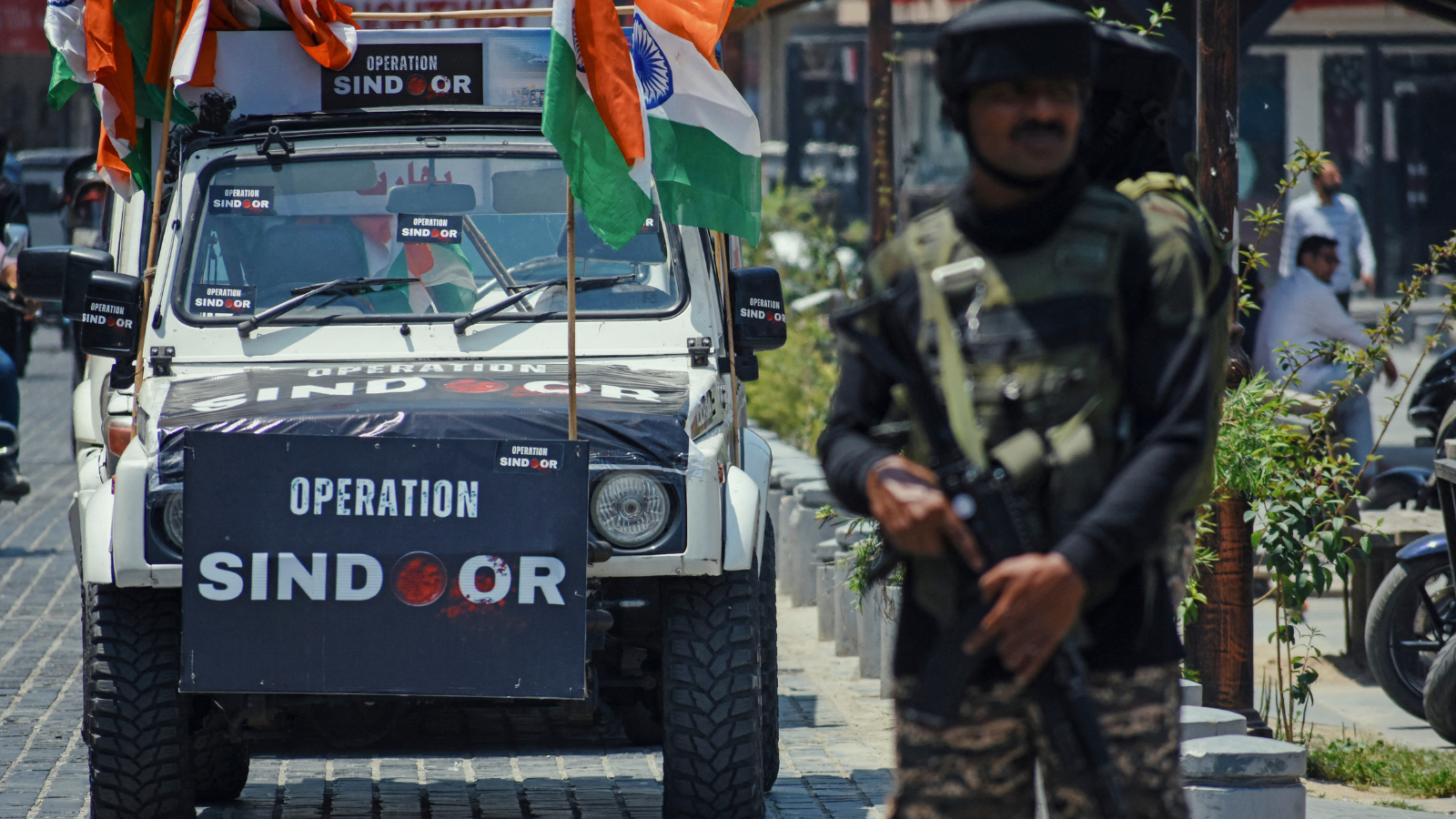
    Military Lessons from Operation Sindoor

    The India-Pakistan conflict that played out between May 6 and May 10, 2025, offers several military lessons. This article presents key takeaways from Operation Sindoor and breaks down how India’s preparations shaped the outcome and what more is needed to strengthen future readiness.

      Dinakar Peri

  • Book
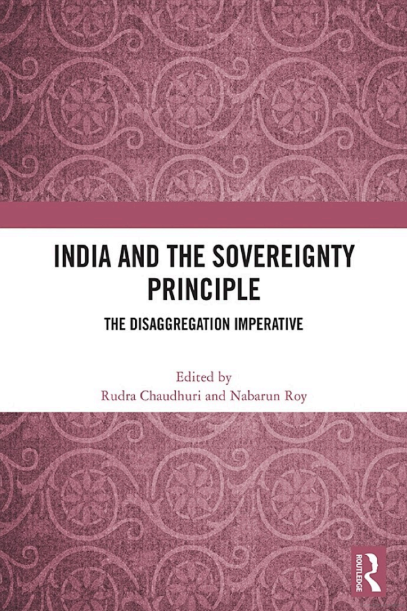
    India and the Sovereignty Principle: The Disaggregation Imperative

    This book offers a comprehensive analysis of India's evolving relationship with sovereignty in a complex global order. Moving beyond conventional narratives, it examines how the sovereignty principle shapes India's behavior across four critical domains—from traditional military power to contemporary data governance.

      Rudra Chaudhuri, Nabarun Roy

  • Article
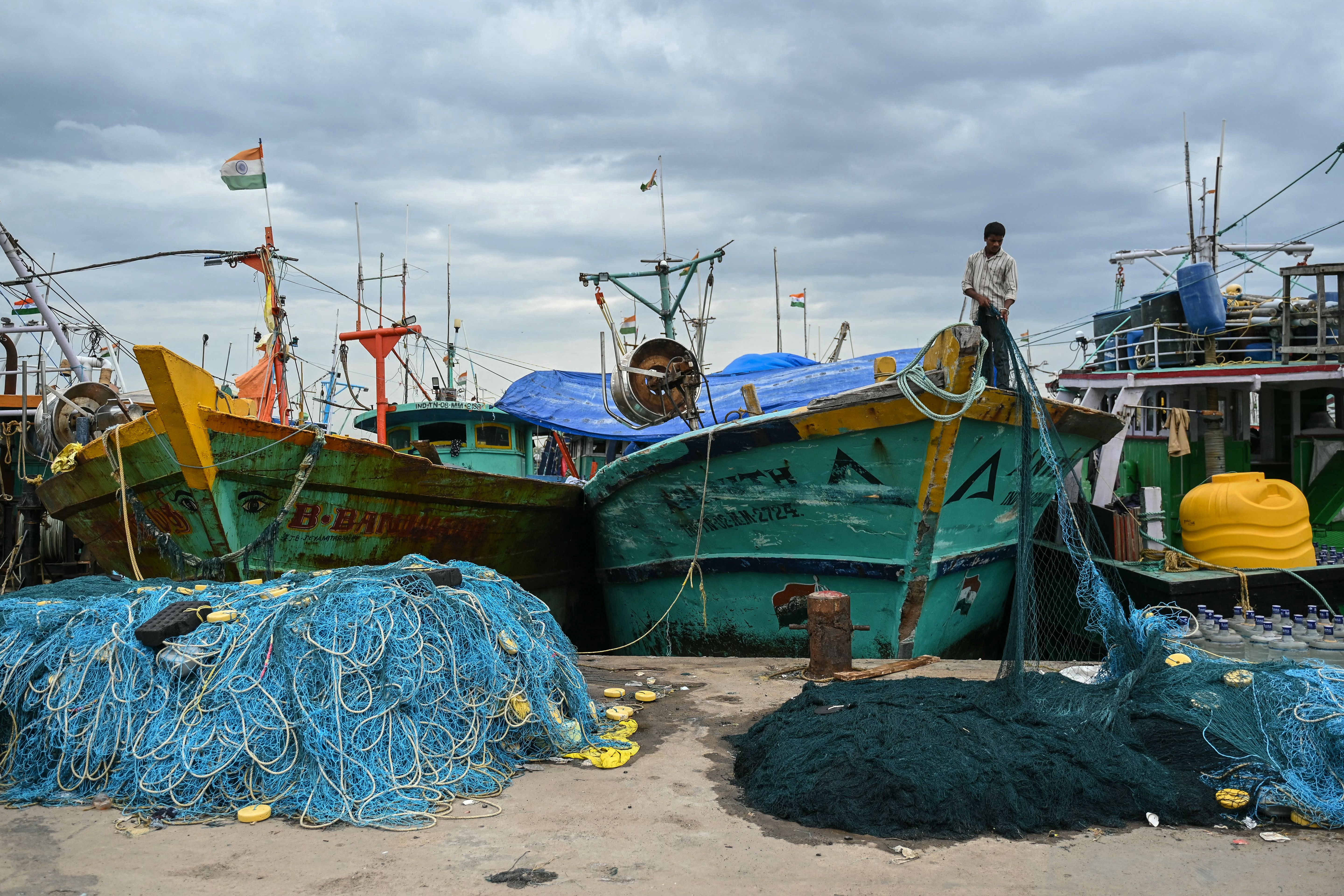
    Hidden Tides: IUU Fishing and Regional Security Dynamics for India

    This article examines the scale and impact of Chinese IUU fishing operations globally and identifies the nature of the challenge posed by IUU fishing in the Indian Ocean Region (IOR). It also investigates why existing maritime law and international frameworks have struggled to address this growing threat.

      Ajay Kumar, Charukeshi Bhatt

  • Book
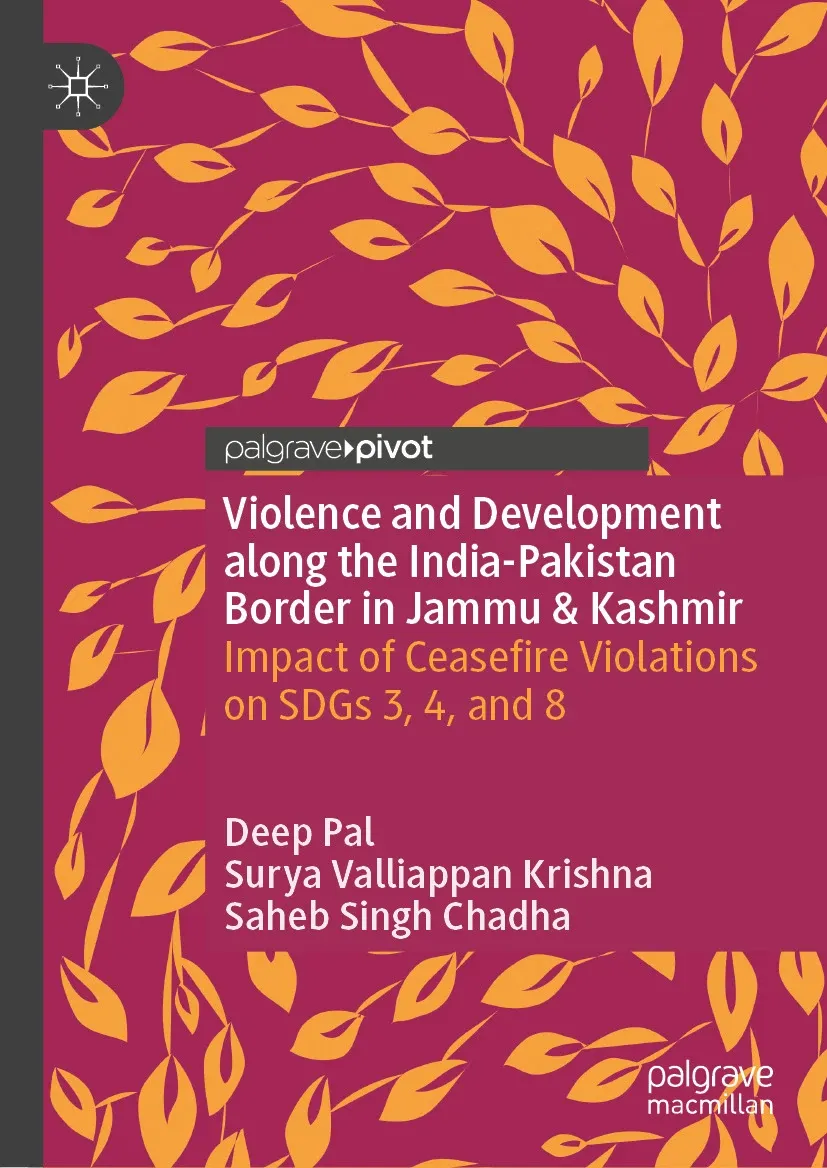
    Violence and Development Along the India-Pakistan Border in Jammu and Kashmir

    This book examines the impact of cross-border violence on communities living along the Line of Control and the International Border in Jammu and Kashmir, India.

      Deep Pal, Surya Valliappan Krishna, Saheb Singh Chadha

Get more news and analysis from
Carnegie India
Carnegie India logo, white
Unit C-4, 5, 6, EdenparkShaheed Jeet Singh MargNew Delhi – 110016, IndiaPhone: 011-40078687
  • Research
  • About
  • Experts
  • Projects
  • Events
  • Contact
  • Careers
  • Privacy
  • For Media
Get more news and analysis from
Carnegie India
© 2026 Carnegie Endowment for International Peace. All rights reserved.