

Commentary
Thomas de Waal
{
  "authors": [
    "Thomas de Waal"
  ],
  "type": "commentary",
  "centerAffiliationAll": "dc",
  "centers": [
    "Carnegie Endowment for International Peace",
    "Carnegie Europe"
  ],
  "collections": [
    "Aso Tavitian Initiative"
  ],
  "englishNewsletterAll": "",
  "nonEnglishNewsletterAll": "",
  "primaryCenter": "Carnegie Europe",
  "programAffiliation": "EP",
  "programs": [
    "Europe"
  ],
  "projects": [],
  "regions": [
    "Caucasus",
    "Azerbaijan",
    "Armenia",
    "Iran"
  ],
  "topics": [
    "Democracy",
    "Security"
  ]
}
Source: Getty
Shifting alliances and the potential of a mass exodus could turn the conflict into a humanitarian disaster.
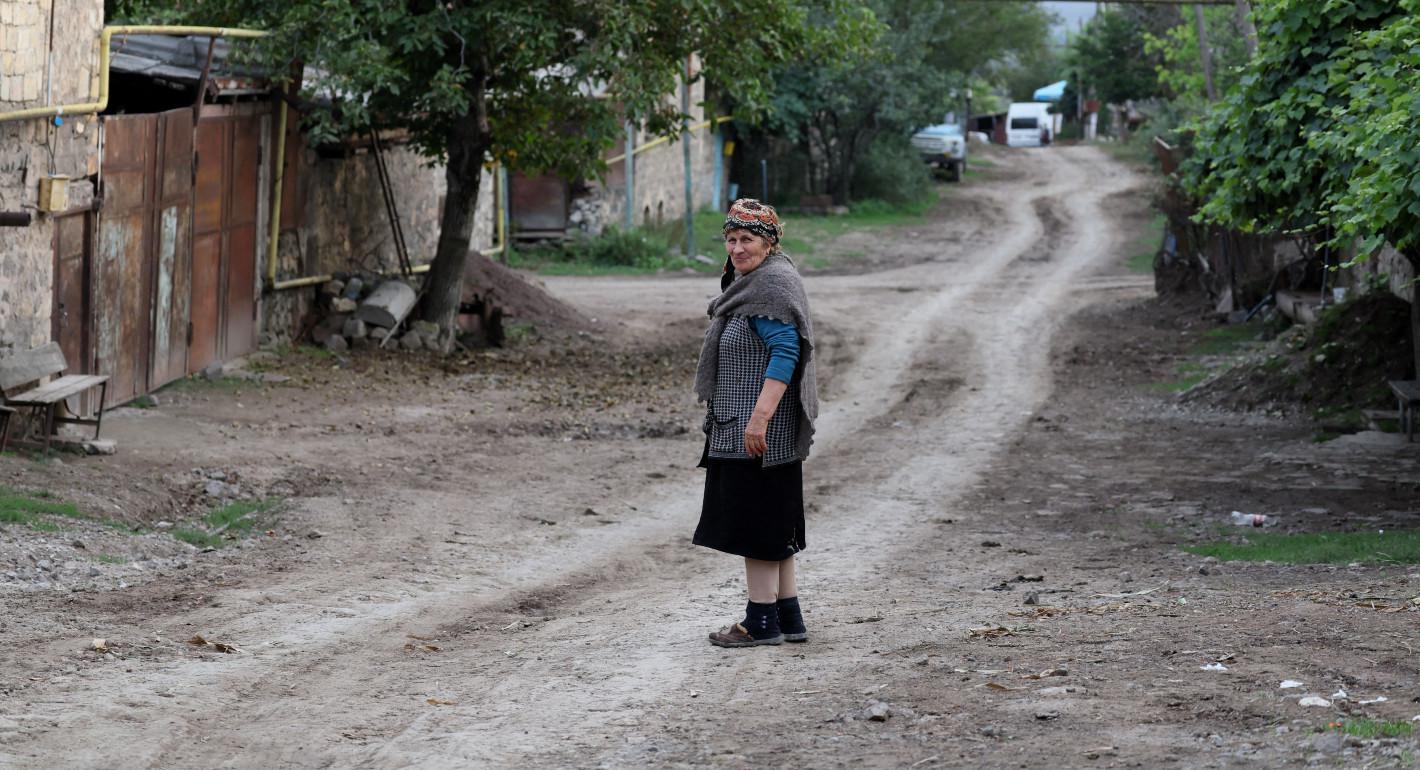
A fresh disaster may be looming in Nagorny Karabakh, the majority-Armenian highland enclave within the borders of Azerbaijan.
On September 19, a lightning Azerbaijani offensive overwhelmed inferior Armenian forces, and Azerbaijan took possession of the province it had not controlled in thirty-five years. Locals reported at least 200 casualties, and there were credible reports of civilian deaths.
A day later, the Karabakh Armenians signed a ceasefire agreement under duress, by which they agreed to dismantle their local self-defense force. Talks took place between local Karabakhi Armenians and emissaries from Baku, but the Azerbaijani side is offering neither autonomy nor an elected local government. In a speech, Azerbaijan President Ilham Aliyev said that the Armenians could enjoy educational, cultural, and religious rights—a meager offer from the leader of an authoritarian one-party state to people who largely do not speak the same language. In essence, Karabakhis are now negotiating the terms of their own surrender, and for many, that will mean exodus from their homeland.
Force, not diplomacy, has decided the course of this conflict since it first flared up during the era of former Soviet president Mikhail Gorbachev. (Some would say it originated well before, in the early twentieth century.) In 1988, the Karabakhi Armenians tried to break away from Soviet Azerbaijan and join Soviet Armenia in a dispute that developed into armed conflict. In the 1990s, the Armenians prevailed on the battlefield, occupying large parts of Azerbaijani territory and driving hundreds of thousands of inhabitants from their homes. In 2020, the Azerbaijanis reversed the situation, recapturing their lost territories and taking parts of Karabakh, too.
To the frustration of Baku, the Karabakhis did not act like a defeated party in 2020. They invited sympathetic foreigners—including a French presidential candidate—to visit the region they still referred to by a medieval Armenian name, Artsakh. Azerbaijan alleged that weapons and land mines were being transported along the so-called Lachin Corridor, the only road connecting Karabakh to Armenia.
Diplomacy resumed, with the European Union, the United States, and Russia all negotiating between Armenia and Azerbaijan. The competing mediators made progress on bilateral issues, but the Karabakh issue remained unresolved. Armenian Prime Minister Nikol Pashinyan agreed, along with the rest of the world, to recognize Azerbaijan’s territorial integrity (including Nagorny Karabakh), but the vital question of the inhabitants’ rights and security remained unresolved.
The Karabakhis’ fate was probably sealed in April, when Azerbaijan established a checkpoint on the Lachin Corridor. This de facto blockade deepened in the summer, and the situation became desperate for tens of thousands of people remaining in Karabakh (estimates range from 50,000 to 120,000) who began to run out of food and medicine.
There is a geopolitical game here. A small Russian peacekeeping force was established in Karabakh in 2020. Moscow, which has always wavered between and manipulated both sides, had presented itself as the protector of the Karabakhis. President Vladimir Putin publicly told them his peacekeepers would guarantee their safe return from Armenia and continued residence in their homeland. But the Russian soldiers stood by as the checkpoint was set up on the Lachin road earlier this year, fracturing trust held in the peacekeeping force.
The context is that after Russia invaded Ukraine, the Armenian government began to pivot toward the West, and Azerbaijan—with which Russia shares a land border and an authoritarian model of government—looked like a more valuable partner.
Over the summer, the EU and United States were hopeful that a deal had been reached to reopen the Lachin road, as well as a road via the Azerbaijani city of Aghdam, to resupply Karabakh. Senior figures, notably U.S. Secretary of State Antony Blinken and European Council President Charles Michel, sent messages to Aliyev that the use of force was unacceptable. On September 18, in a hopeful sign, two small humanitarian convoys reached Karabakh down the two roads, after a long pause.
The military offensive on September 19 caught Western officials by surprise, which became more understandable when news broke that Russian peacekeepers simply stood down and let the assault happen. The impression that there had been a side deal between Moscow and Baku deepened when Russian officials blamed Pashinyan and his pro-Western tendencies, not Azerbaijan, for the fighting.
At the United Nations, German Foreign Minister Annalena Baerbock called out Azerbaijan, saying, “Baku again assured that it would refrain from using force, but this promise was broken, and it caused enormous suffering to the population in dire straits.” By contrast, the Russian representative to the UN only noted that “the armed confrontation in Nagorno-Karabakh escalated dramatically.”
In the darker European order of the past decade, where normative values and a multilateral framework have been devalued, Azerbaijan cares less about statements of condemnation from Western governments. The key thing is almost certainly the support of two regional powers and neighbors: the full backing of Türkiye and deliberate equivocation from Russia, which looks more concerned about keeping its military base on the ground in Azerbaijan and humiliating the government in Yerevan than in ensuring the rights of local Karabakh Armenians.
The only international organization on the ground in Karabakh is the International Committee of the Red Cross. Western officials have called for an international humanitarian and monitoring presence on the ground analogous to the missions deployed in the Balkan wars of the 1990s, but Azerbaijan and Russia—which seeks to justify its peacekeeping force—will try to block this.
Barring an unexpected international initiative, the main question may now be whether a mass exodus of Karabakhis to Armenia will happen in an orderly fashion or with bloodshed and detentions of male residents. There are modest signs that the Azerbaijanis will allow the former, but the situation on the ground is messy and volatile—as could only be expected when combatants in a three-decade-long conflict confront one another again, face to face. The repercussions of the third Karabakh war will be long and hard.

Senior Fellow, Carnegie Europe
De Waal is a senior fellow at Carnegie Europe, specializing in Eastern Europe and the Caucasus.
Recent Work
Thomas de Waal
Thomas de Waal, ed.

This piece examines India’s response to U.S. sanctions and tariffs, specifically assessing the immediate market consequences, such as alterations in import costs, and the broader strategic implications for India’s energy security and foreign policy orientation.
Vrinda Sahai
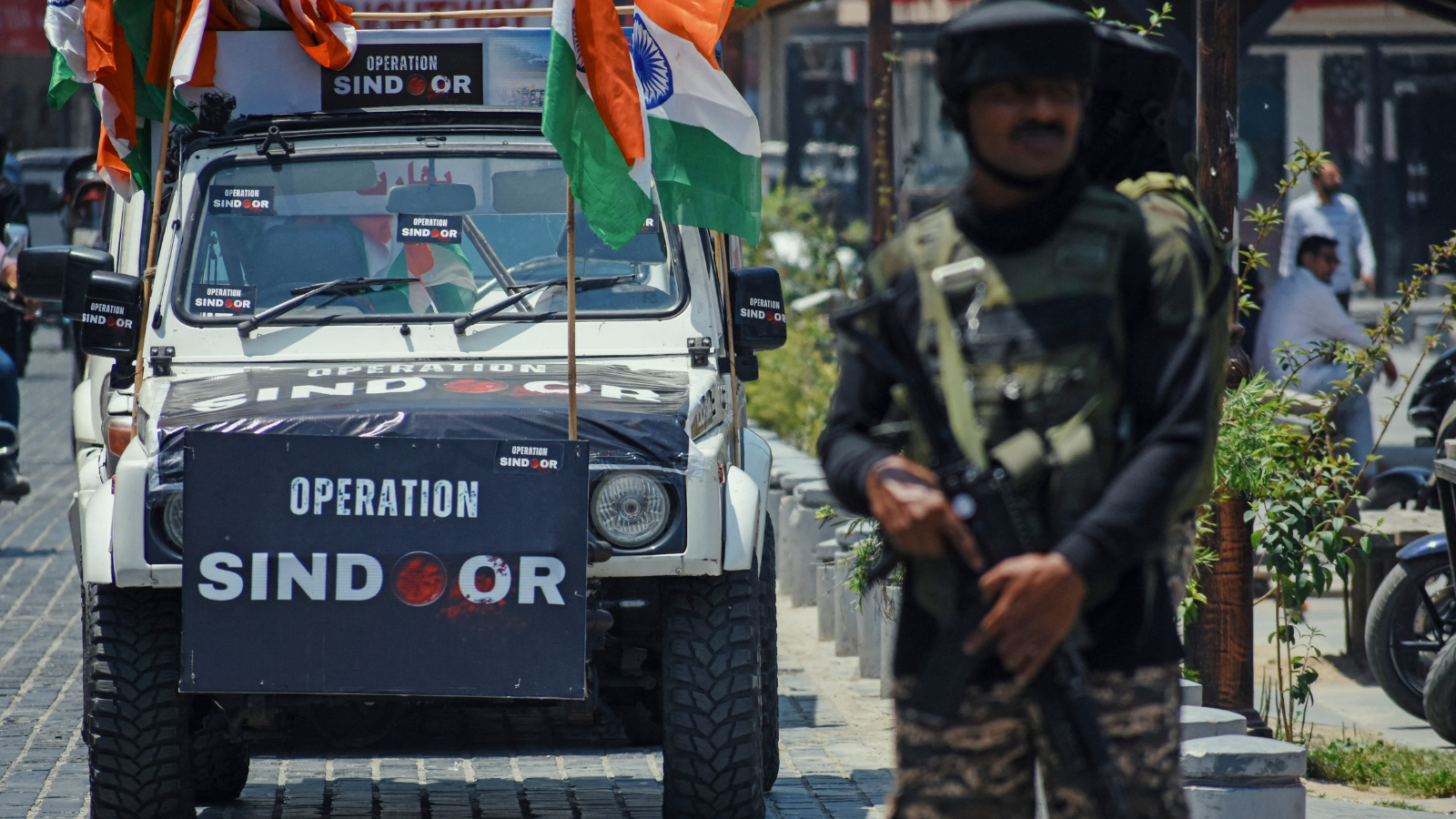
The India-Pakistan conflict that played out between May 6 and May 10, 2025, offers several military lessons. This article presents key takeaways from Operation Sindoor and breaks down how India’s preparations shaped the outcome and what more is needed to strengthen future readiness.

Dinakar Peri
This book offers a comprehensive analysis of India's evolving relationship with sovereignty in a complex global order. Moving beyond conventional narratives, it examines how the sovereignty principle shapes India's behavior across four critical domains—from traditional military power to contemporary data governance.

Rudra Chaudhuri, Nabarun Roy
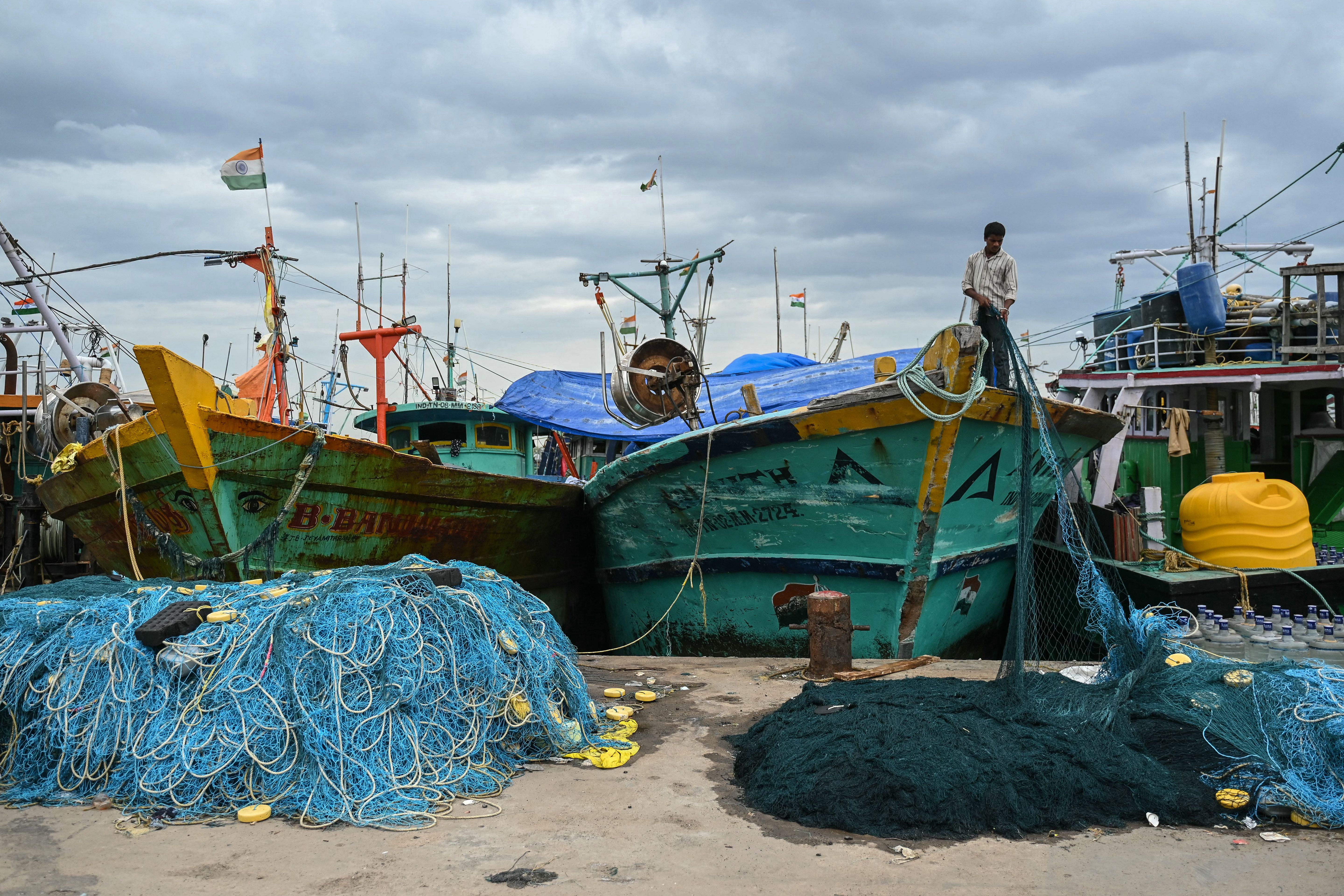
This article examines the scale and impact of Chinese IUU fishing operations globally and identifies the nature of the challenge posed by IUU fishing in the Indian Ocean Region (IOR). It also investigates why existing maritime law and international frameworks have struggled to address this growing threat.


Ajay Kumar, Charukeshi Bhatt
This book examines the impact of cross-border violence on communities living along the Line of Control and the International Border in Jammu and Kashmir, India.



Deep Pal, Surya Valliappan Krishna, Saheb Singh Chadha