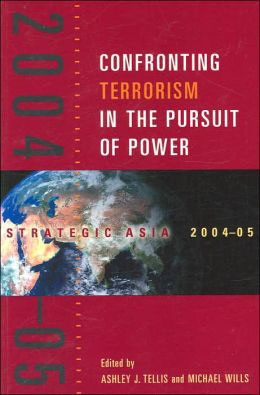
Strategic Asia 2004-05: Confronting Terrorism in the Pursuit of Power
A new book provides broad trend analyses of the major Asian sub-regions, as well as an array of transnational topical studies. It also evaluates current threats to regional peace and stability, considering how the strategic environment in Asia could change.
"The Strategic Asia Program is ambitious by drawing upon the best people in the nation, by analyzing key dynamics, and by tracking changes in the region."
—Robert A. Scalapino, University of California at Berkeley
Edited by Ashley J. Tellis and Michael Wills, and written by some of America’s leading specialists including Michael Swaine, senior associate at the Carnegie Endowment for International Peace, this new study provides an authoritative, independent assessment of the implications of the U.S.-led war on terrorism in Asia and analyzes its effects on the grand strategies of the region’s major powers.
Strategic Asia 2004–05: Confronting Terrorism in the Pursuit of Power includes broad trend analyses of the major Asian sub-regions, as well as an array of transnational topical studies. The reportcontains studies of five major powers in the region—the United States, China, Japan, Korea, and Russia—and regional studies on Central, South, and Southeast Asia, and the Middle East. It includes special studies on trends in energy security, proliferation of weapons of mass destruction, and science and technology in Asia, as well as alternative outcomes to the North Korean nuclear crisis.The book also evaluates current threats to regional peace and stability, and, through innovative forecasts, considers how the strategic environment in Asia could change surprisingly and underscores the reasons for, and implications of, such strategic discontinuities.
Carnegie India does not take institutional positions on public policy issues; the views represented herein are those of the author(s) and do not necessarily reflect the views of Carnegie, its staff, or its trustees.
Connecting real-world AI use cases across sectors such as health, education, agriculture, and livelihoods can help policymakers, innovators, and institutions align around a shared goal. This article looks at a framework ensuring that AI works for everyone.
This piece examines India’s response to U.S. sanctions and tariffs, specifically assessing the immediate market consequences, such as alterations in import costs, and the broader strategic implications for India’s energy security and foreign policy orientation.
This article looks at the progress of the Semiconductor Laboratory fab modernization plan based on publicly available documents, and potential learnings for future upgrades to government-owned fabs and India’s larger semiconductor ecosystem, especially regarding the use of refurbished equipment.
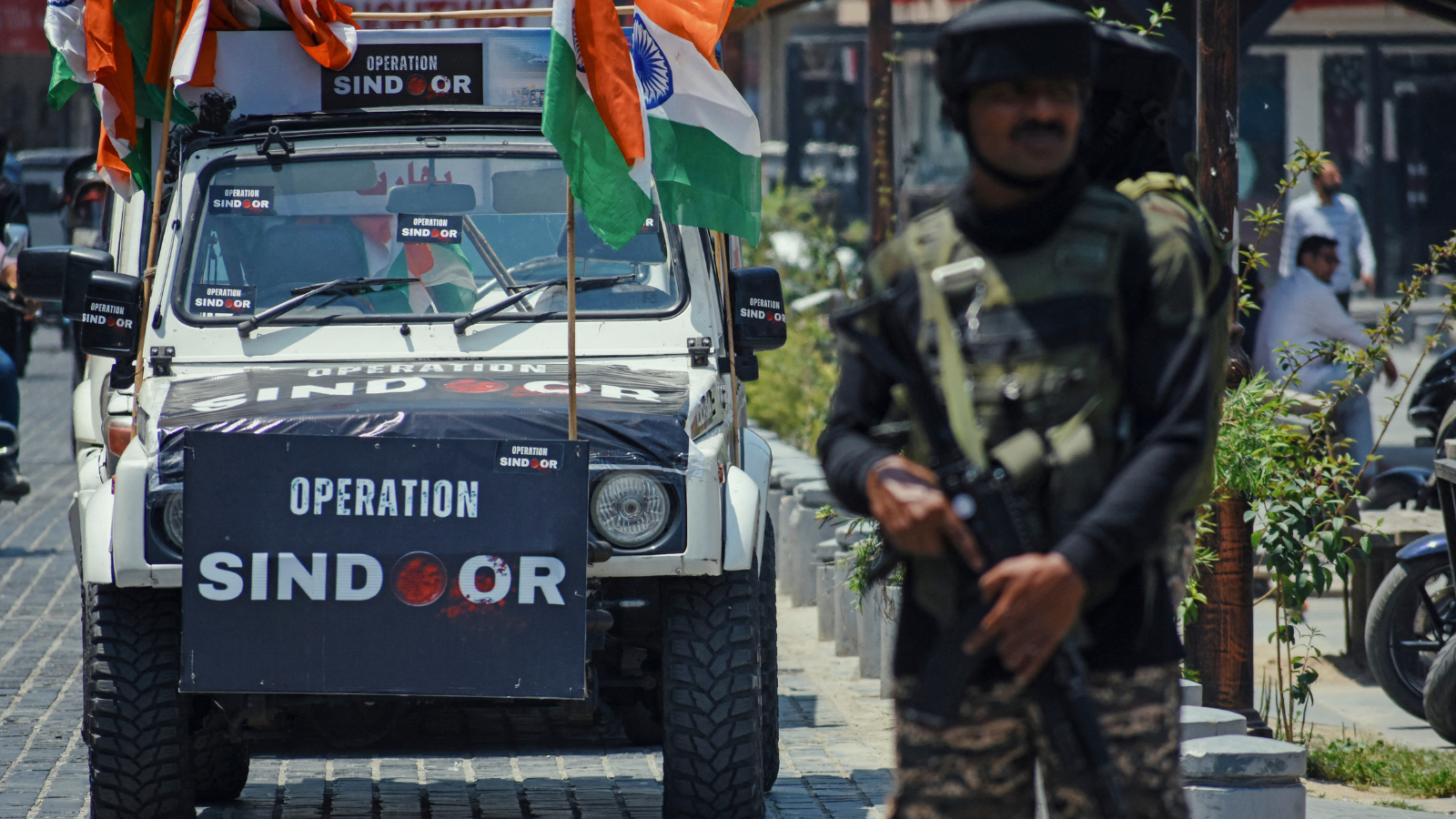
The India-Pakistan conflict that played out between May 6 and May 10, 2025, offers several military lessons. This article presents key takeaways from Operation Sindoor and breaks down how India’s preparations shaped the outcome and what more is needed to strengthen future readiness.
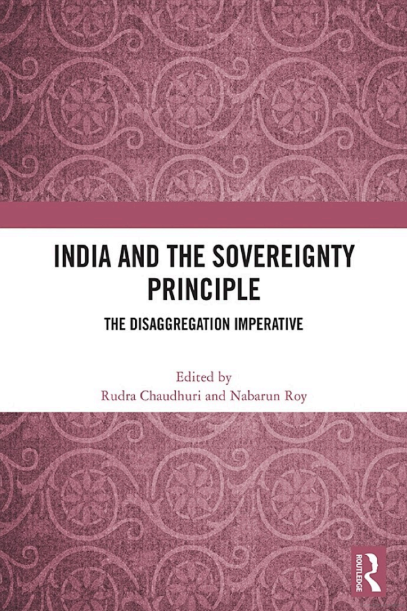
This book offers a comprehensive analysis of India's evolving relationship with sovereignty in a complex global order. Moving beyond conventional narratives, it examines how the sovereignty principle shapes India's behavior across four critical domains—from traditional military power to contemporary data governance.