

Commentary
In an interview, Ishac Diwan looks at the merits and flaws in the draft legislation distributing losses from the financial collapse.
Michael Young
{
  "authors": [
    "Mohanad Hage Ali"
  ],
  "type": "commentary",
  "blog": "Diwan",
  "centerAffiliationAll": "",
  "centers": [
    "Carnegie Endowment for International Peace",
    "Malcolm H. Kerr Carnegie Middle East Center"
  ],
  "collections": [
    "Three Question Time"
  ],
  "englishNewsletterAll": "",
  "nonEnglishNewsletterAll": "",
  "primaryCenter": "Malcolm H. Kerr Carnegie Middle East Center",
  "programAffiliation": "",
  "programs": [
    "Middle East"
  ],
  "projects": [],
  "regions": [
    "Middle East",
    "North Africa",
    "East Asia",
    "China"
  ],
  "topics": [
    "Economy",
    "Trade"
  ]
}
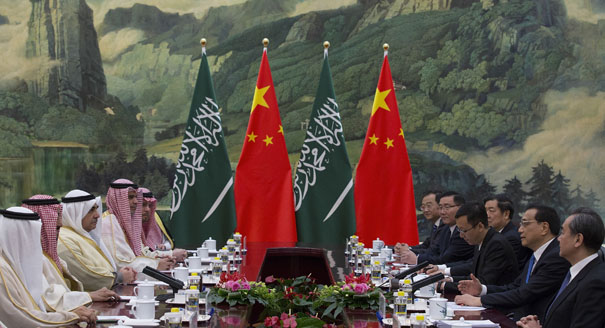
Academic Yang Guang discusses an ambitious plan that includes future Chinese cooperation with the Middle East.
The Middle East is vital for Chinese President Xi Jinping’s One Belt, One Road project. On April 6, Beirut hosted a conference, whose aim, according to the sponsors, was “confirming Lebanon on the One Belt, One Road map, and strengthening its position as a major hub for China’s exposure to the Middle East and North Africa region in business, trade, finance, infrastructure, culture and tourism.” In this interview,Yang Guang, the director-general of the Institute of West-Asian and African Studies at the Chinese Academy of Social Sciences, who was in Beirut at the time, discusses the impact of the One Belt, One Road project on the Middle East.
Carnegie does not take institutional positions on public policy issues; the views represented herein are those of the author(s) and do not necessarily reflect the views of Carnegie, its staff, or its trustees.
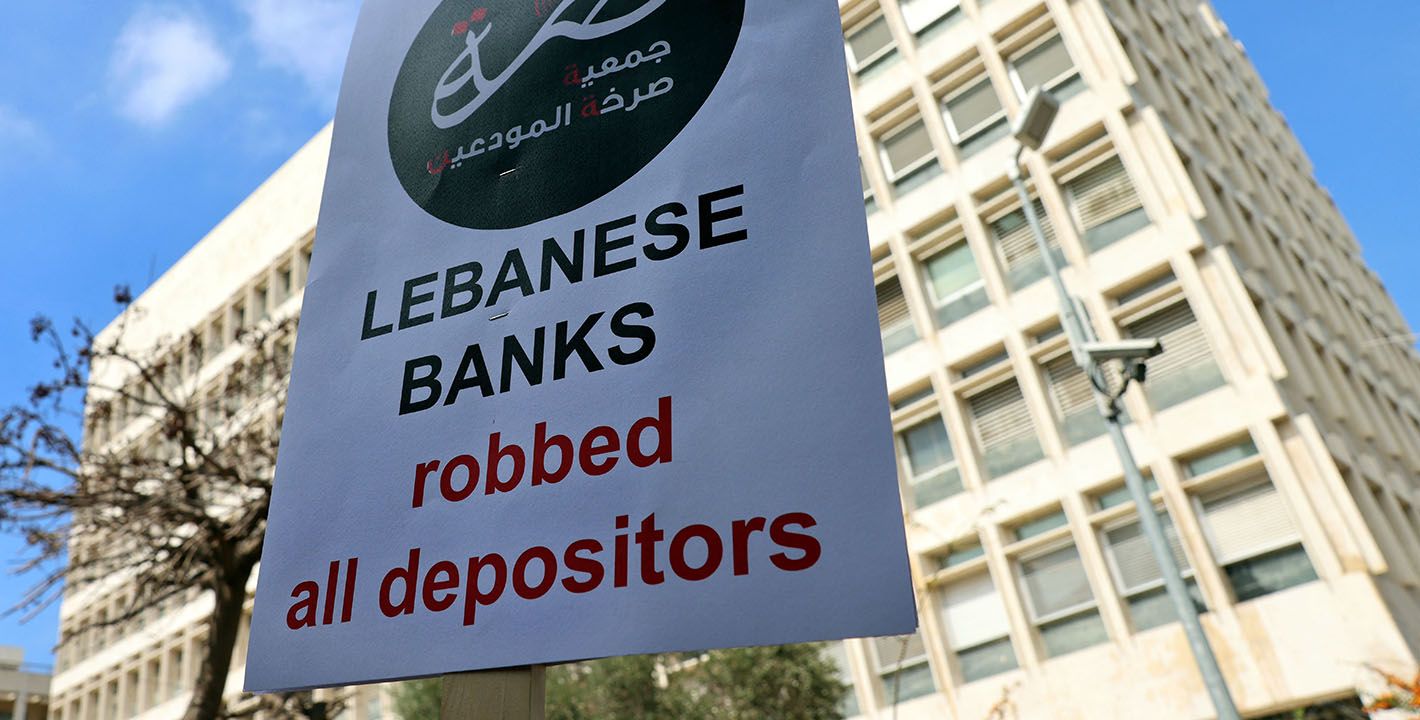
In an interview, Ishac Diwan looks at the merits and flaws in the draft legislation distributing losses from the financial collapse.
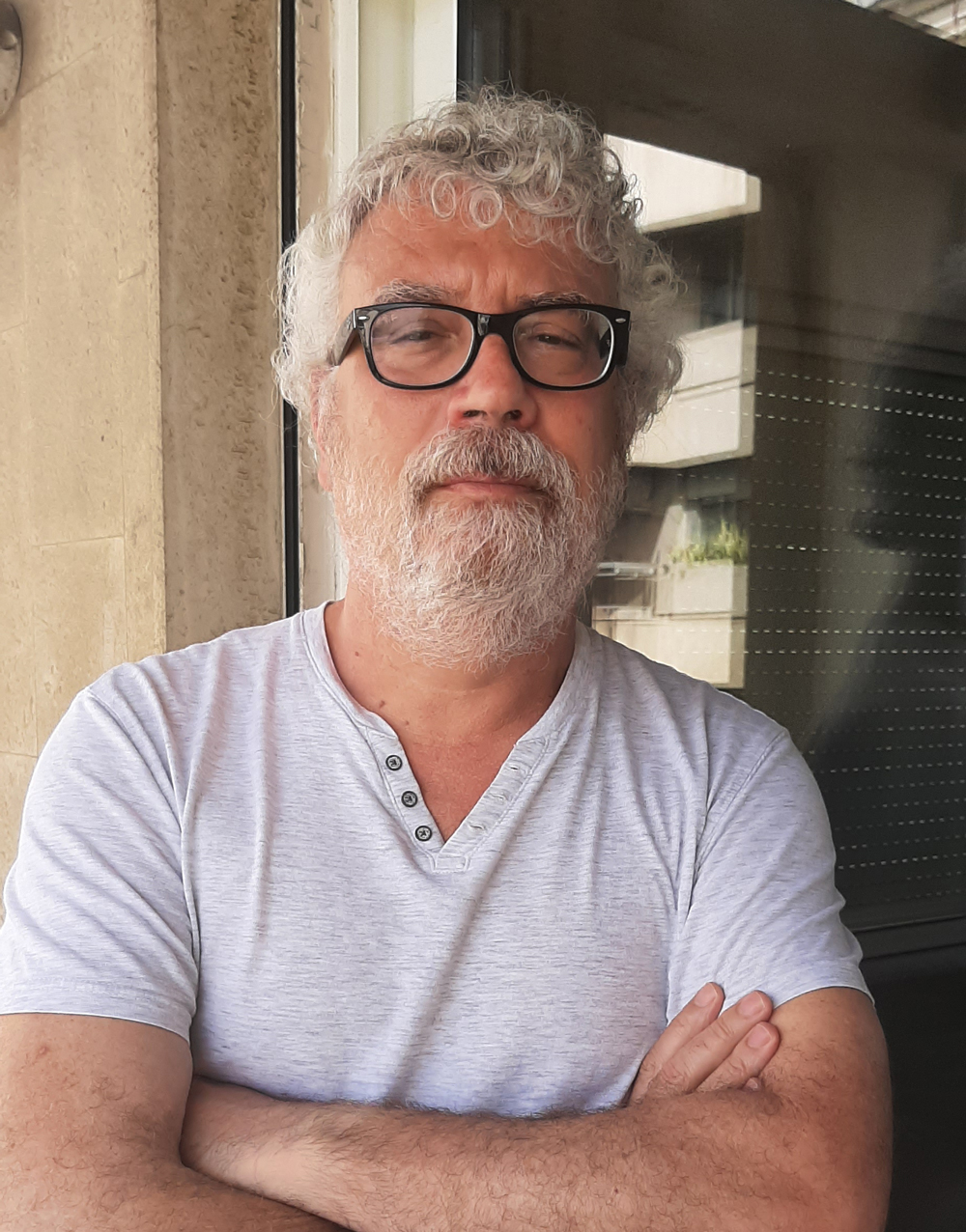
Michael Young
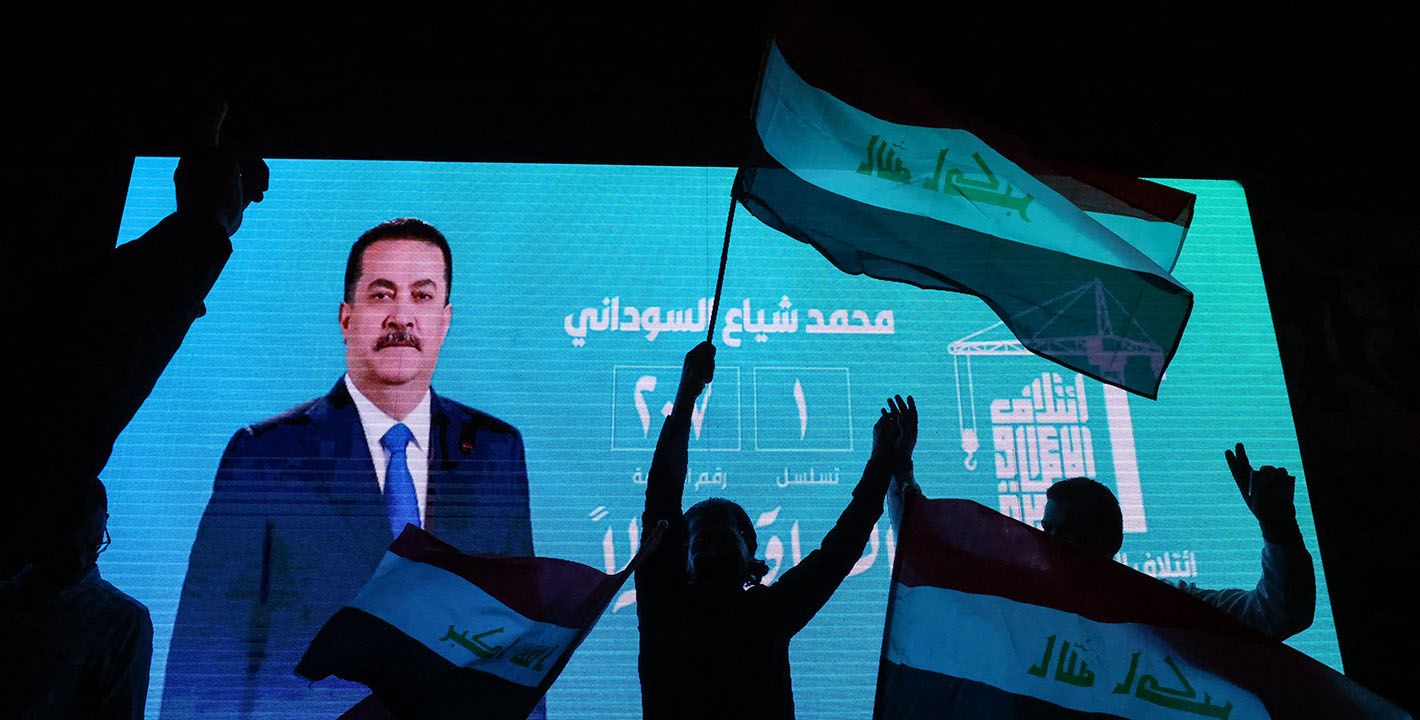
In an interview, Shahla al-Kli discusses the country’s parliamentary elections and what they reveal.
Rayyan Al-Shawaf
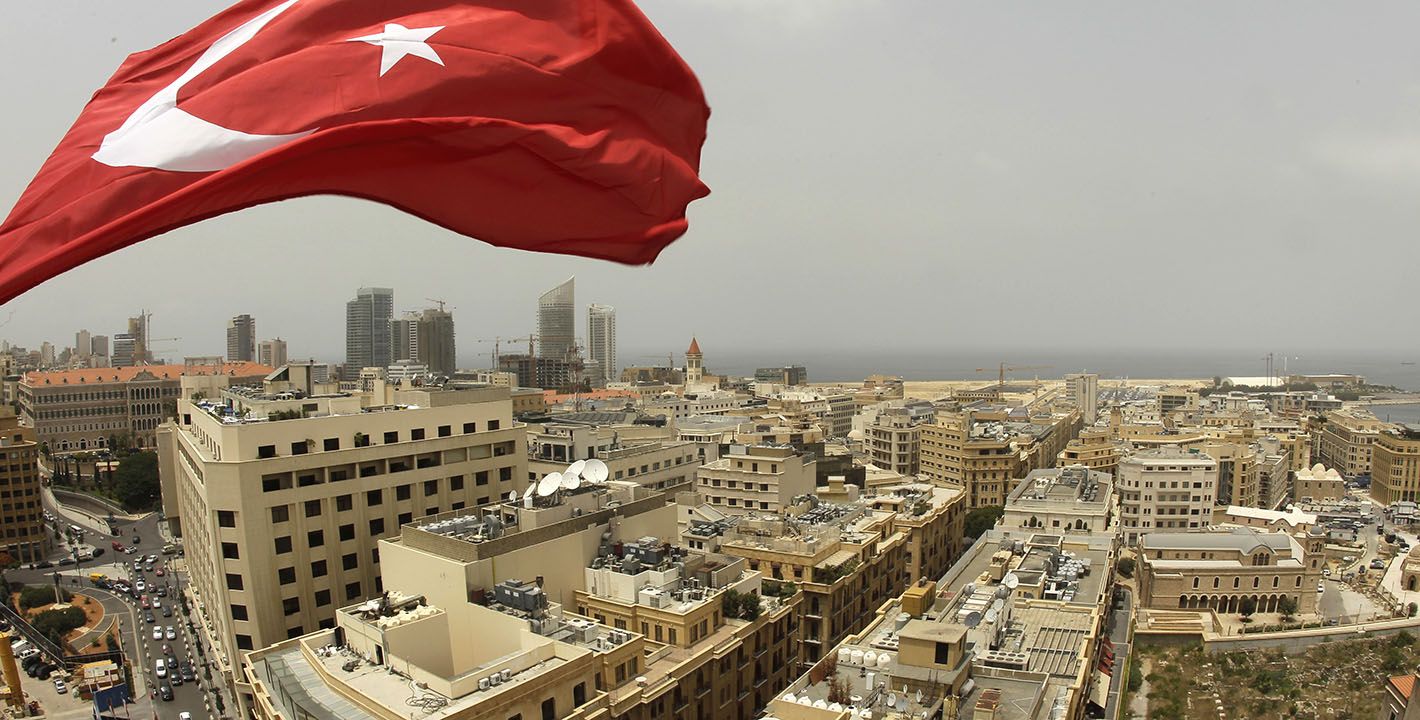
Ankara may seek to annul a maritime deal with Cyprus and expand its influence in the next parliament.
Mohanad Hage Ali
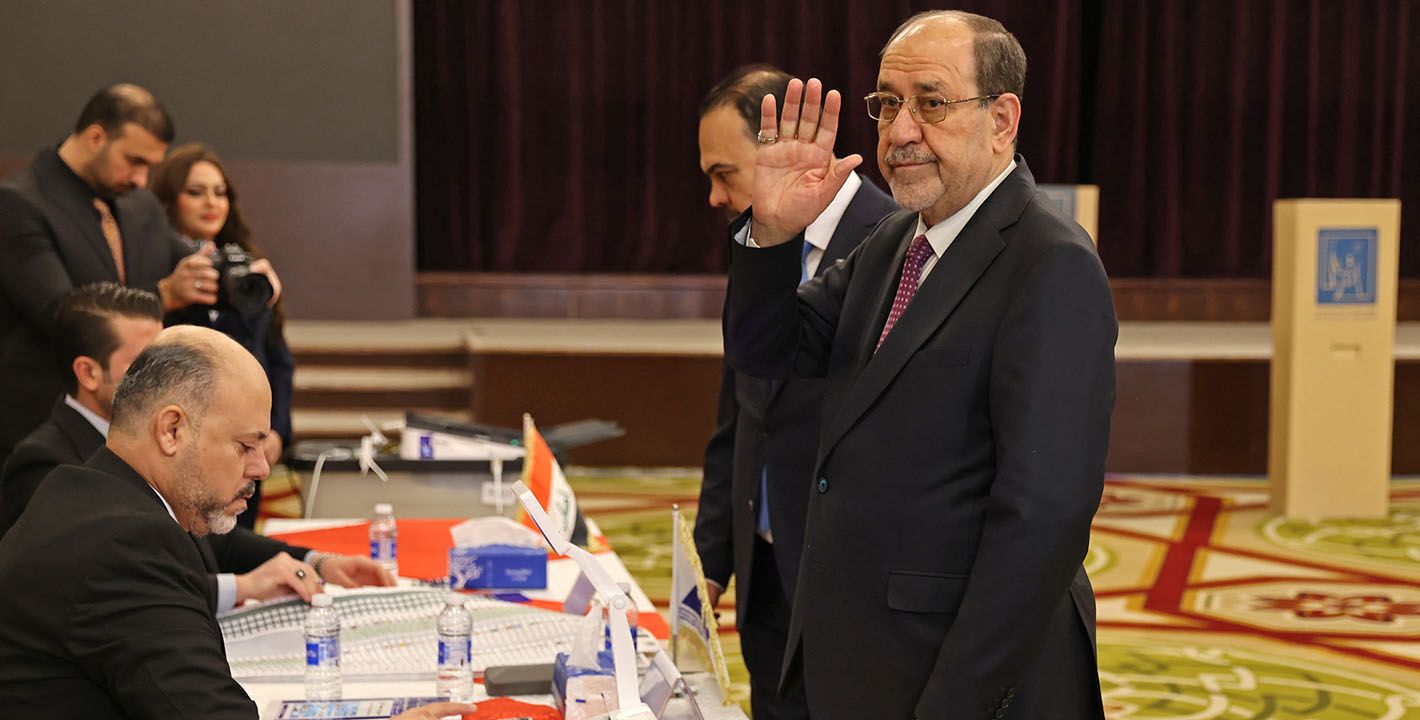
Recent election results have placed Nouri al-Maliki in a strong position to name the next prime minister.
Wladimir van Wilgenburg
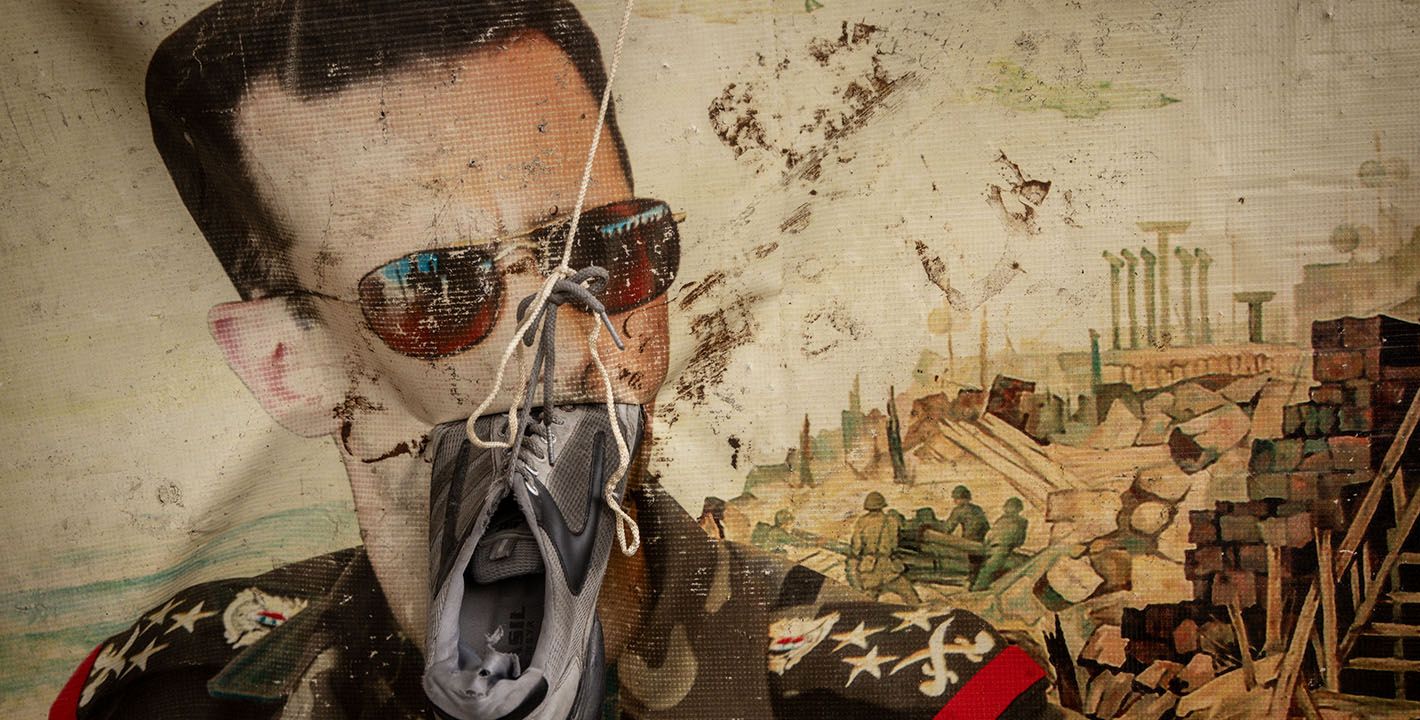
A regular survey of experts on matters relating to Middle Eastern and North African politics and security.
Michael Young