

Commentary
Israeli-Lebanese talks have stalled, and the reason is that the United States and Israel want to impose normalization.
Michael Young
{
  "authors": [
    "Ghida Tayara",
    "Yezid Sayigh"
  ],
  "type": "commentary",
  "blog": "Diwan",
  "centerAffiliationAll": "",
  "centers": [
    "Carnegie Endowment for International Peace",
    "Malcolm H. Kerr Carnegie Middle East Center"
  ],
  "collections": [
    "Three Question Time"
  ],
  "englishNewsletterAll": "",
  "nonEnglishNewsletterAll": "",
  "primaryCenter": "Malcolm H. Kerr Carnegie Middle East Center",
  "programAffiliation": "",
  "programs": [],
  "projects": [],
  "regions": [
    "United States",
    "Israel",
    "Palestine"
  ],
  "topics": []
}
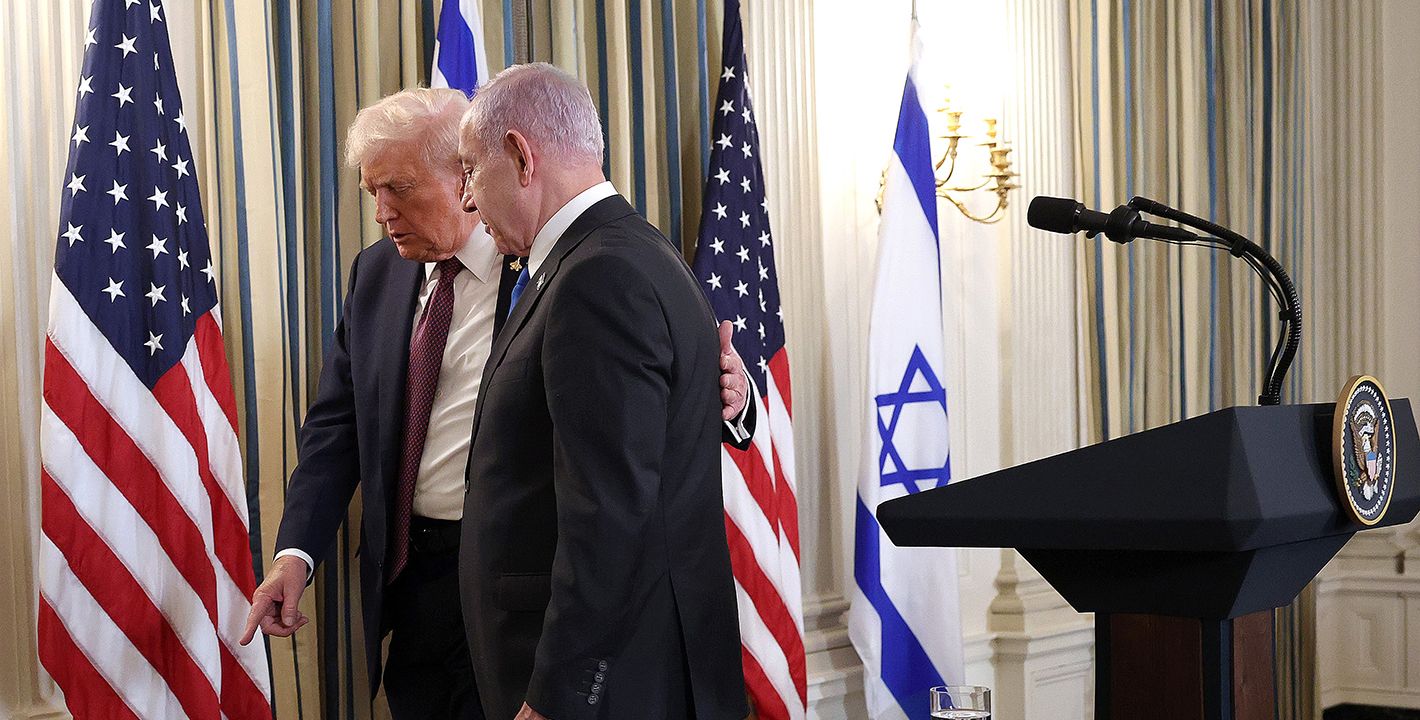
In an interview, Yezid Sayigh looks at the different dimensions of the Trump plan.
Invalid video URL
Yezid Sayigh is a senior fellow at the Malcolm H. Kerr Carnegie Middle East Center in Beirut. His work focuses on the comparative political and economic roles of Arab armed forces and nonstate actors, the impact of war on states and societies, and the politics of post-conflict reconstruction and security sector transformation in Arab transitions, and authoritarian resurgence. Sayigh was also an adviser, negotiator, and policy planner in the Palestinian delegation to the peace talks with Israel in 1991–2002 and advised on Palestinian public institutional reform until 2006. He is the author of the award-winning Armed Struggle and the Search for State: The Palestinian National Movement, 1949–1993 (Oxford, 1997). In early October, Diwan interviewed Sayigh to ask him about President Donald Trump’s plan to bring the conflict in Gaza to an end, whose fate is currently uncertain.
Carnegie does not take institutional positions on public policy issues; the views represented herein are those of the author(s) and do not necessarily reflect the views of Carnegie, its staff, or its trustees.
Israeli-Lebanese talks have stalled, and the reason is that the United States and Israel want to impose normalization.

Michael Young
Beirut and Baghdad are both watching how the other seeks to give the state a monopoly of weapons.
Hasan Hamra

The country’s leadership is increasingly uneasy about multiple challenges from the Levant to the South Caucasus.
Armenak Tokmajyan
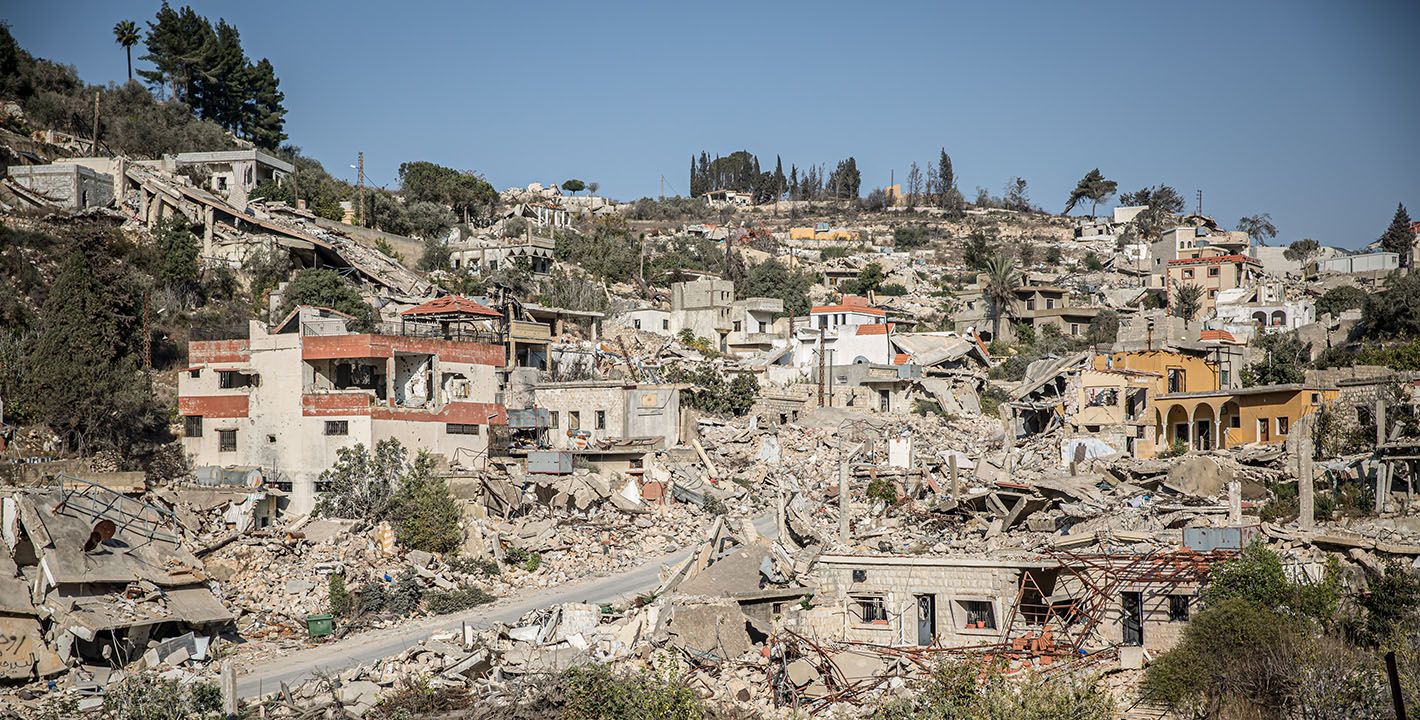
The U.S. is trying to force Lebanon and Syria to normalize with Israel, but neither country sees an advantage in this.
Michael Young
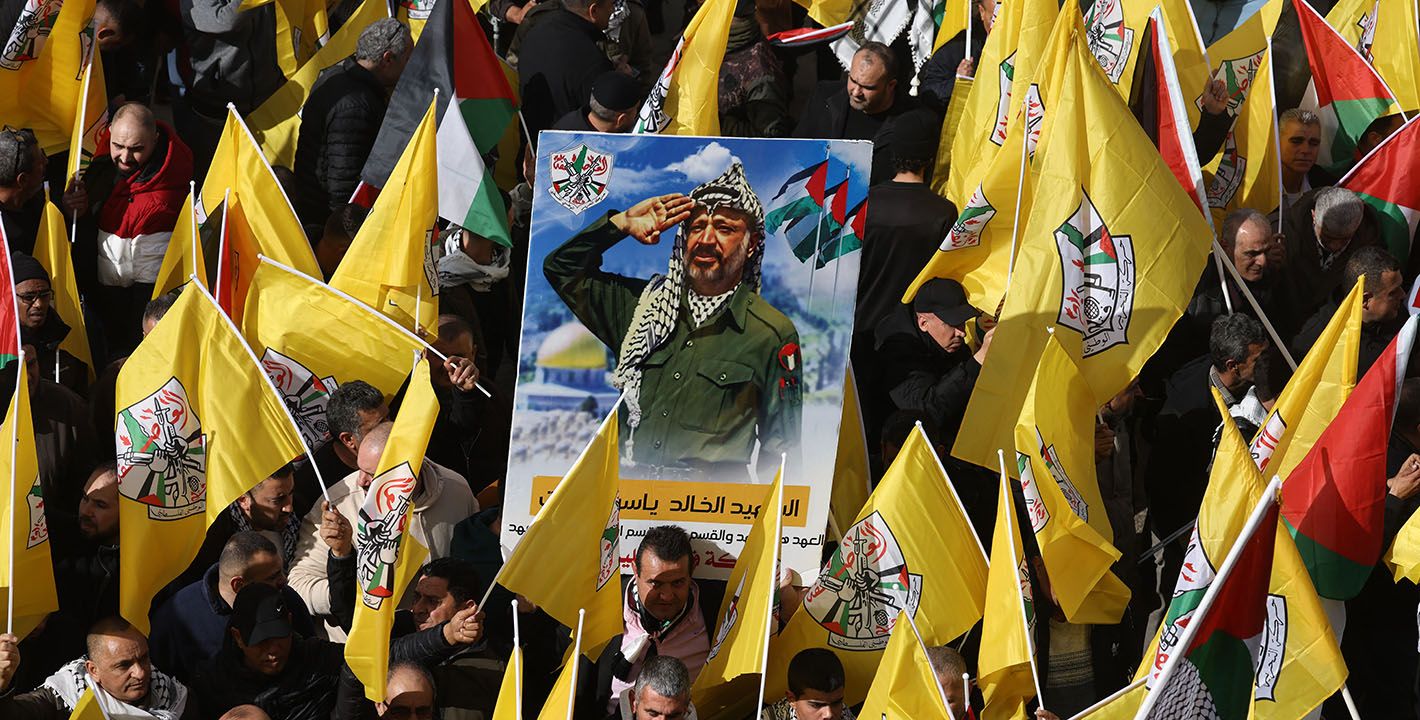
The objective is to lock Hamas out of political life, but the net effect may be negative indeed.

Nathan J. Brown