

Commentary
Fifteen years after the Arab uprisings, a new generation is mobilizing behind an inclusive growth model, and has the technical savvy to lead an economic transformation that works for all.
Jihad Azour
{
  "authors": [
    "Shlomo Avineri"
  ],
  "type": "legacyinthemedia",
  "centerAffiliationAll": "",
  "centers": [
    "Carnegie Endowment for International Peace"
  ],
  "collections": [],
  "englishNewsletterAll": "",
  "nonEnglishNewsletterAll": "",
  "primaryCenter": "Carnegie Endowment for International Peace",
  "programAffiliation": "",
  "programs": [],
  "projects": [],
  "regions": [
    "Middle East"
  ],
  "topics": [
    "Political Reform",
    "Democracy",
    "Security"
  ]
}
REQUIRED IMAGE
Source: Carnegie
A Democratic Deficit© The Jerusalem Post, October 22, 2001
Since September 11 much attention has been paid to various social and political problems besetting the Arab world. One issue, though, has not received the attention it merits, and that is the very significant democratic deficit in the Arab region, and the almost total absence of a viable civil society which could become a vehicle for a democratic transformation.
In the last decade, waves of democratization have swept practically every region of the world. Whether in central and eastern Europe, Latin America, southeast Asia, even Africa, numerous attempts at democratization have been made in dozens upon dozens of countries.
Some have been peaceful, others were violent; some have been more successful than others, and even the dramatic transformation in post-communist societies has been far from an unequivocal success. In many countries there have been reverses, and some of the results are complex and ambivalent - Russia is perhaps a prime example of the limits of democratization in countries whose history may lack the necessary building-blocks for a successful democratic transformation.
But while these tremendous developments have been going on all over the world - admittedly with mixed results - there has been one region where nothing of the sort has occurred. Nowhere in the Arab world have we seen a serious attempt at modernization, nor did a significant movement for democratic reform - an Arab Solidarnocsc or Charter-77 - appear in any Arab country.
This is indeed surprising, since Arab countries are far from uniform, and one would expect that at least in some of them attempts of democratization would have taken place.
Some Arab countries are enormously rich, some are dirt poor; some are big, some are small; some are populous, others are under-populated; some are traditional monarchies, others are military dictatorships; some are extremely religious countries, other are secular; some are tyrannical dictatorships, others are mild authoritarian regimes; some are heterogeneous, others are homogeneous; some have been under European colonial rule in different forms, others have succeeded in maintaining their independence; some have been involved in wars (mainly with Israel), yet others have not.
In other words: you have the whole kaleidoscope of possibilities. Yet, in none of the Arab countries - neither in rich Saudi Arabia nor in poor Egypt, nor in multi-confessional Lebanon nor in monoethnic Kuwait - has there been any attempt at democratization, either from above, or from below.
There is a tendency to see Islam as the cause, yet this seems to be erroneous: Turkey and Indonesia are two, albeit very different examples, of an Islamic background not being an insurmountable stumbling block to democratization; even Pakistan, with its series of military dictators, has seen attempts at democratization, with elections and party politics.
Nothing of this exists in the Arab world, and in this respect the Arab region is an exception to what is a universal phenomenon, an attempt - not always successful - to democratize.
There is probably no easy answer for this Arab exceptionalism: but it has to be addressed. And in this dilemma may lie the key to the fact that, without a visible democratic alternative, opposition to the powers-that-be in so many Arab societies is then inspired by religion - and not in its emancipatory aspect, but in its most retrograde and terroristic.
It is an issue that will have to addressed by the international community if a serious attempt will be made, after this war is over, to reconstruct a better and more just political environment in the Arab world.
Carnegie does not take institutional positions on public policy issues; the views represented herein are those of the author(s) and do not necessarily reflect the views of Carnegie, its staff, or its trustees.
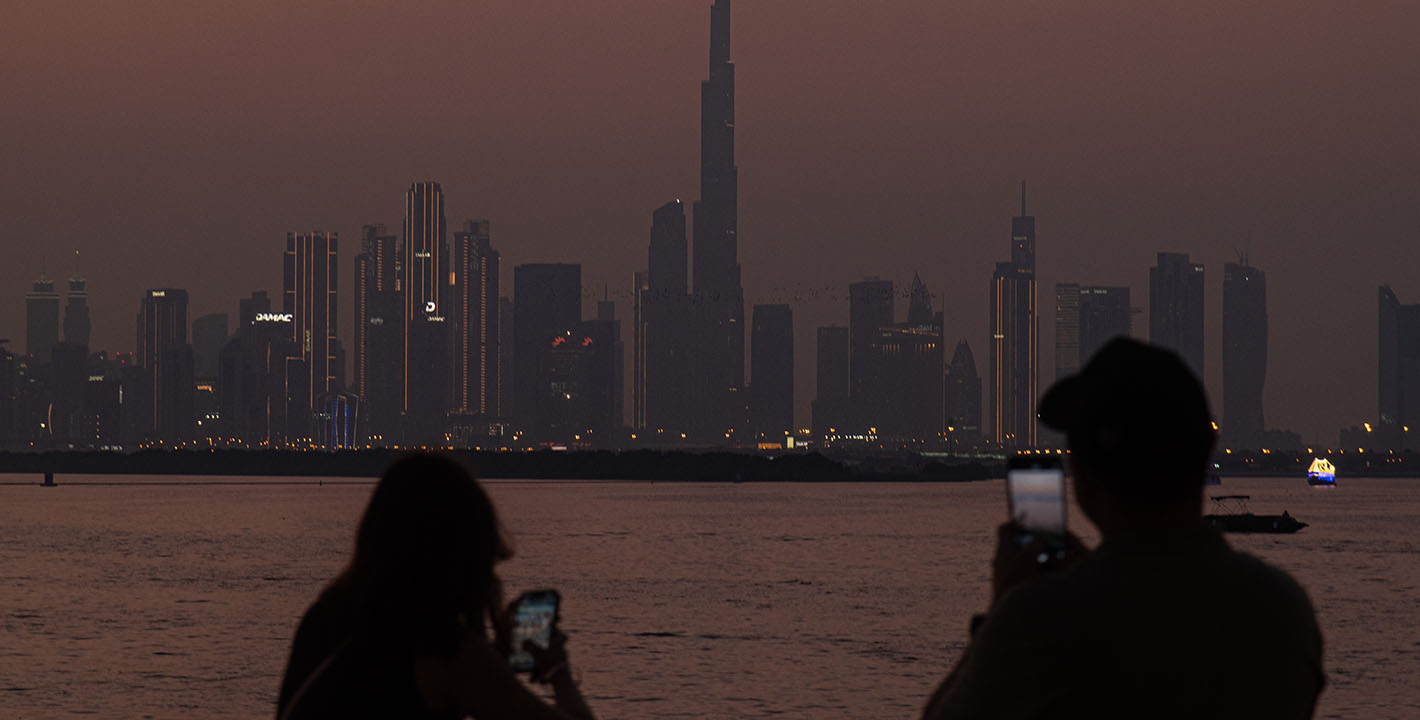
Fifteen years after the Arab uprisings, a new generation is mobilizing behind an inclusive growth model, and has the technical savvy to lead an economic transformation that works for all.
Jihad Azour
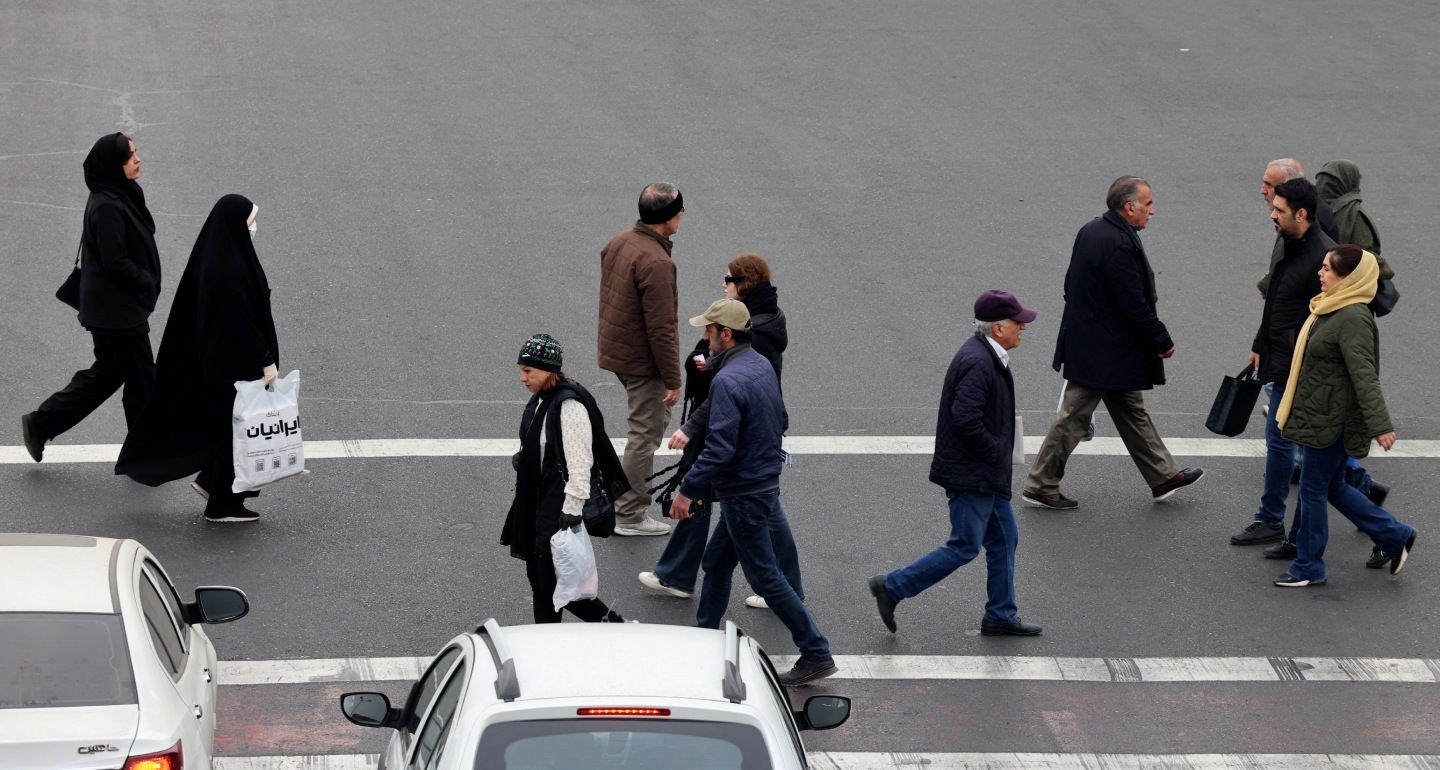
Baku may allow radical nationalists to publicly discuss “reunification” with Azeri Iranians, but the president and key officials prefer not to comment publicly on the protests in Iran.

Bashir Kitachaev
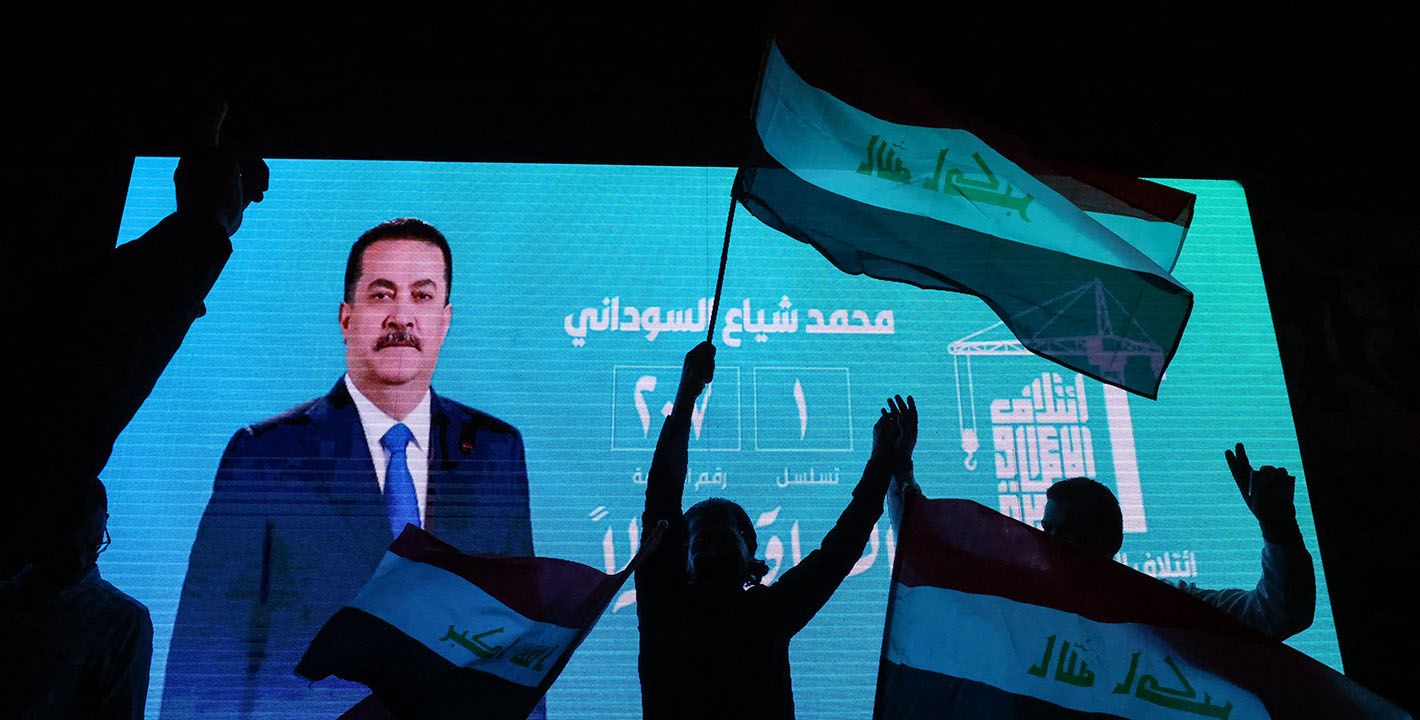
In an interview, Shahla al-Kli discusses the country’s parliamentary elections and what they reveal.
Rayyan Al-Shawaf
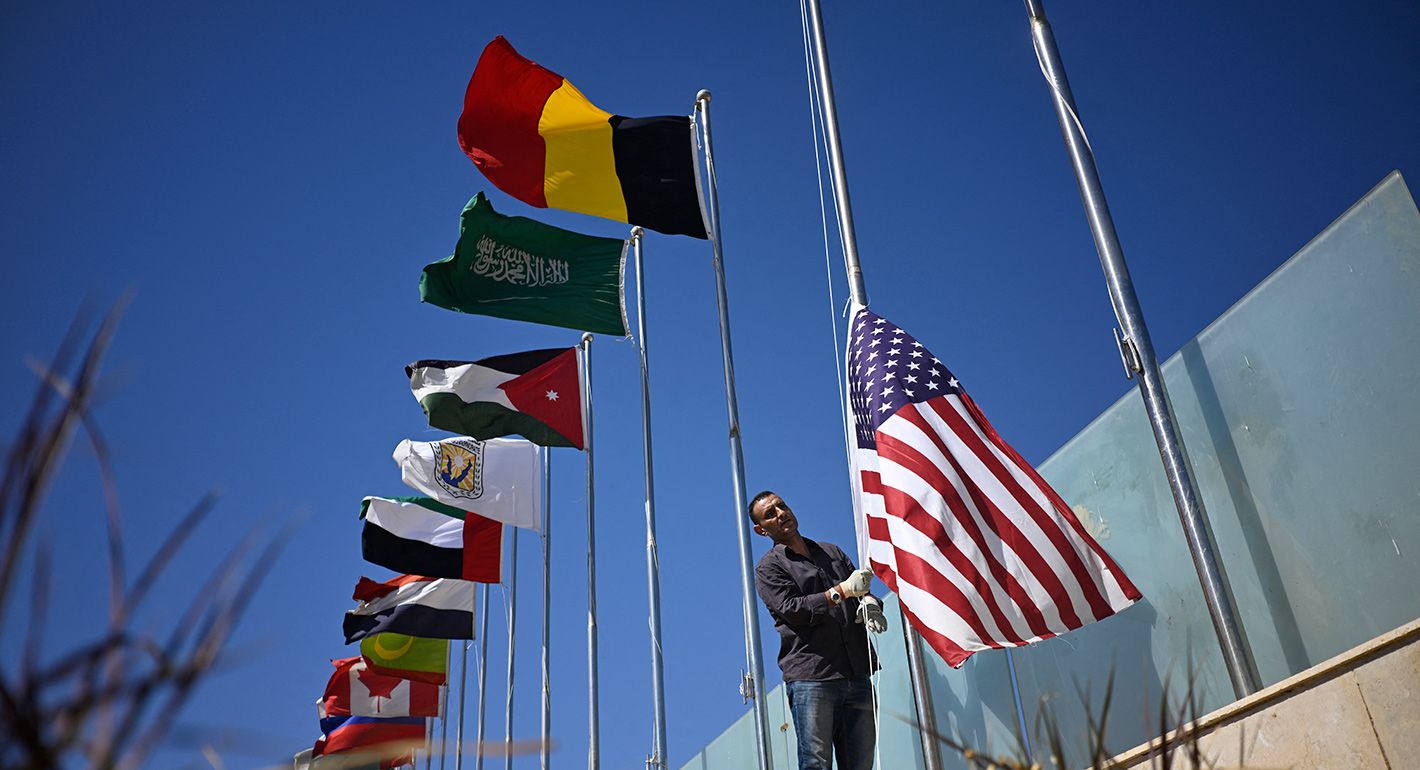
The countries of the region have engaged in sustained competition that has tested their capacities and limitations, while resisting domination by rivals. Can a more stable order emerge from this maelstrom, and what would it require?

Hamza Meddeb, Mohamed Ali Adraoui
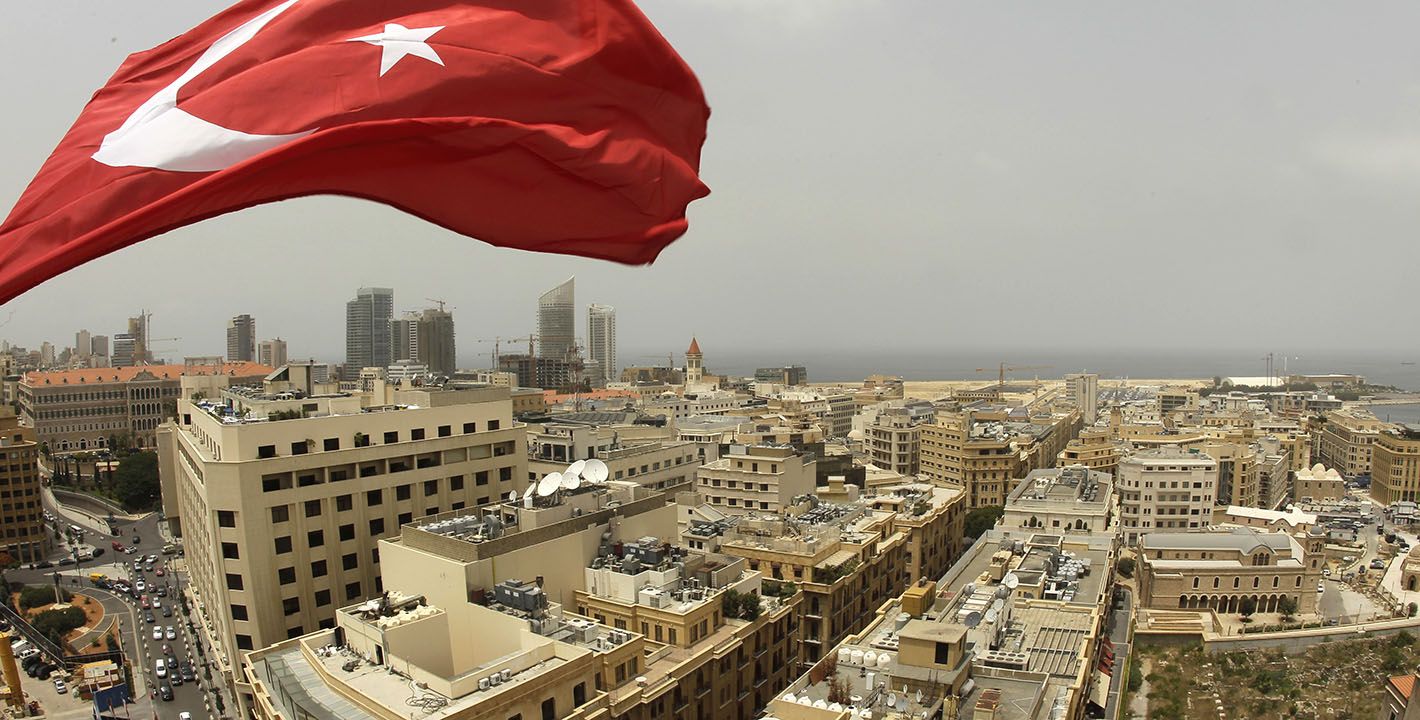
Ankara may seek to annul a maritime deal with Cyprus and expand its influence in the next parliament.
Mohanad Hage Ali