

Commentary
Baku may allow radical nationalists to publicly discuss “reunification” with Azeri Iranians, but the president and key officials prefer not to comment publicly on the protests in Iran.
Bashir Kitachaev
{
  "authors": [],
  "type": "pressRelease",
  "centerAffiliationAll": "",
  "centers": [
    "Carnegie Endowment for International Peace"
  ],
  "collections": [],
  "englishNewsletterAll": "",
  "nonEnglishNewsletterAll": "",
  "primaryCenter": "Carnegie Endowment for International Peace",
  "programAffiliation": "",
  "programs": [
    "Asia"
  ],
  "projects": [],
  "regions": [
    "East Asia",
    "China",
    "Taiwan"
  ],
  "topics": [
    "Security",
    "Military"
  ]
}
REQUIRED IMAGE
The balance of power in the Taiwan Strait has not shifted in China’s favor, but China’s acquisition of new military capabilities threatens cross-strait stability, argues a new volume from the Carnegie Endowment.
FOR IMMEDIATE RELEASE: July 17, 2007
– NEWS RELEASE –
WASHINGTON, July 17—The balance of power in the Taiwan Strait has not shifted in China’s favor, but China’s acquisition of new military capabilities threatens cross-strait stability, argues a new volume from the Carnegie Endowment.
Assessing the Threat: The Chinese Military and Taiwan’s Security, is a comprehensive study of the dangers of military escalation in the Taiwan Strait, the latest advances in capabilities of the People’s Liberation Army, and China’s security relationship with the United States and the Asia-Pacific. Edited by Michael D. Swaine, Andrew N.D. Yang, and Evan S. Medeiros, with Oriana Skylar Mastro, the volume offers concrete suggestions and crisis management practices for government and military leaders in Washington, D.C., Beijing, and Taipei.
Key Conclusions:
If regional relations are mismanaged, Chinese and U.S. actions and reactions in a Taiwan situation could adversely affect Sino-American relations and force other countries in the region to choose sides in a deepening dispute over Taiwan. On the other hand, if properly handled, regional relations with both Beijing and Washington could act as a mutual deterrent to possible provocations originating from Beijing, Washington, and/or Taipei, concludes the volume.
###
Notes:
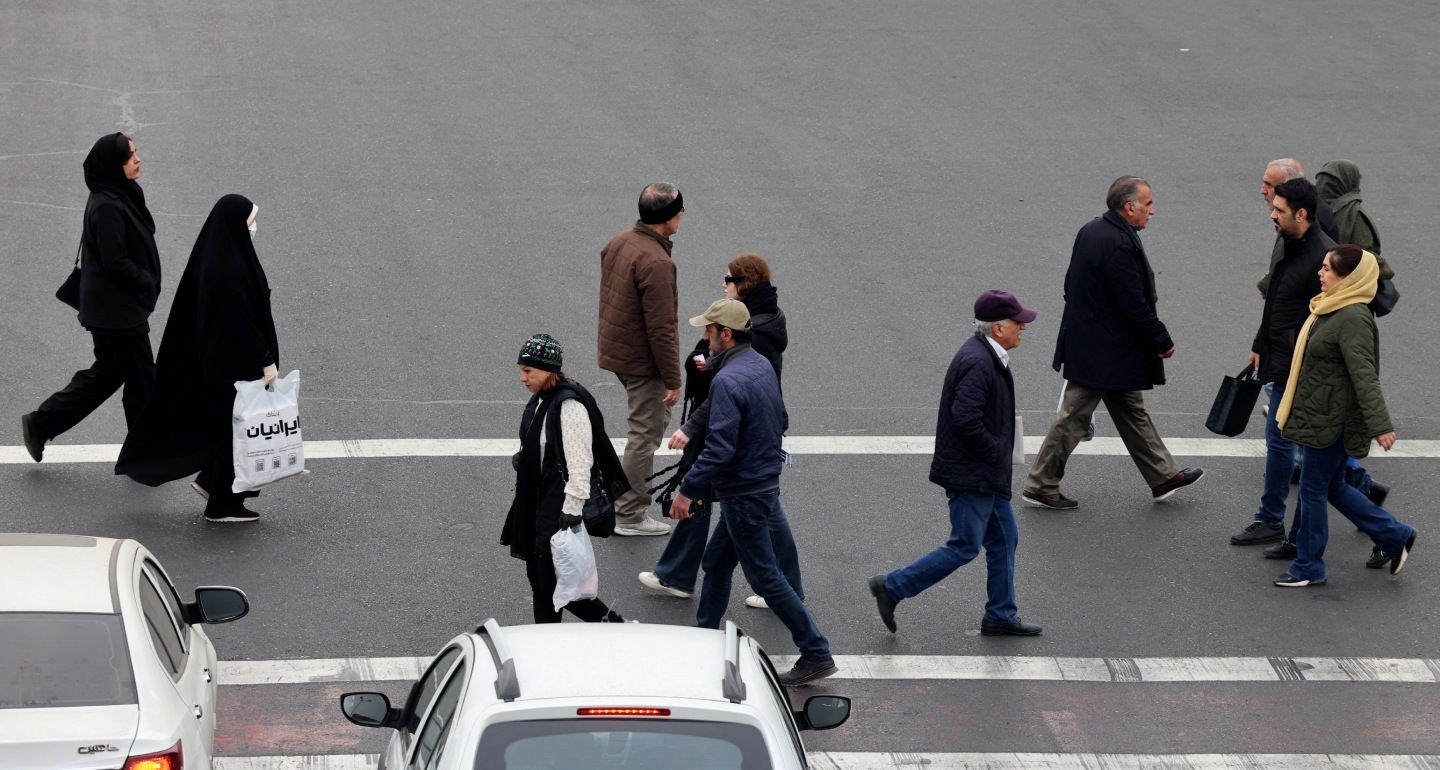
Baku may allow radical nationalists to publicly discuss “reunification” with Azeri Iranians, but the president and key officials prefer not to comment publicly on the protests in Iran.

Bashir Kitachaev

In addressing Hezbollah’s disarmament, the Lebanese state must start by increasing its own leverage.

Michael Young
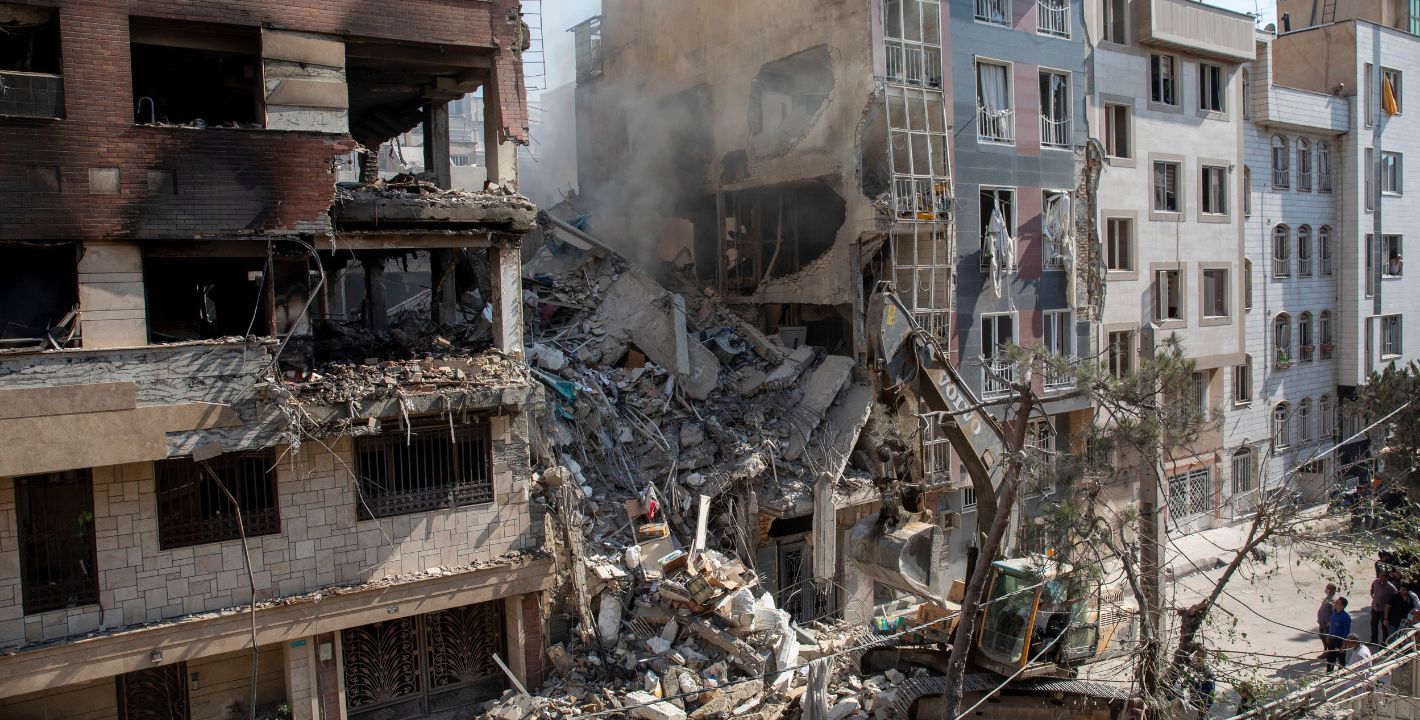
The country’s political and military establishment is still debating how to interpret the recent war’s outcome.

Nicole Grajewski
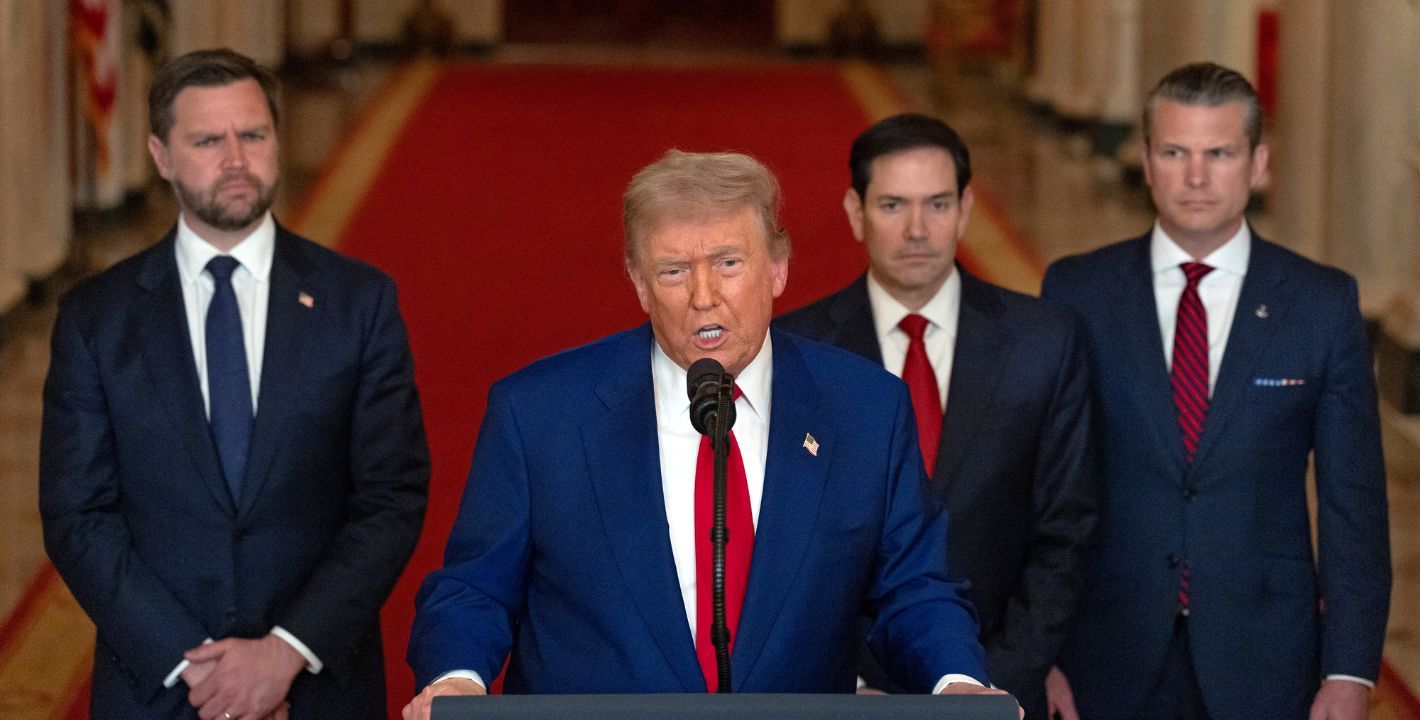
Spot analysis from Carnegie scholars on events relating to the Middle East and North Africa.
Mohanad Hage Ali
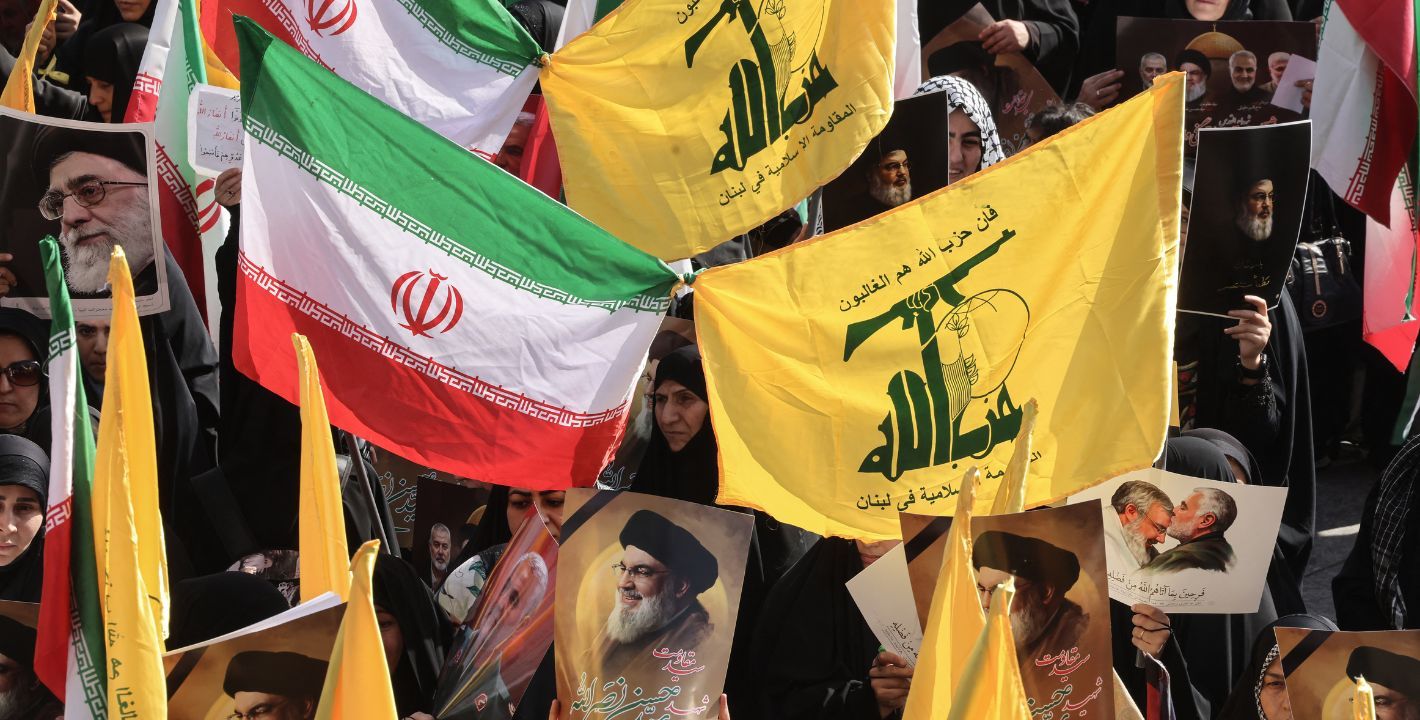
Will the party remain bound to Iran or prioritize its organizational survival and the needs of Lebanon’s Shiite population?
Mohanad Hage Ali