

Commentary
A coalition of states is seeking to avert a U.S. attack, and Israel is in the forefront of their mind.
Michael Young
{
  "authors": [
    "Christopher Boucek"
  ],
  "type": "legacyinthemedia",
  "centerAffiliationAll": "",
  "centers": [
    "Carnegie Endowment for International Peace"
  ],
  "collections": [],
  "englishNewsletterAll": "",
  "nonEnglishNewsletterAll": "",
  "primaryCenter": "Carnegie Endowment for International Peace",
  "programAffiliation": "",
  "programs": [
    "Middle East"
  ],
  "projects": [],
  "regions": [
    "Middle East",
    "Yemen"
  ],
  "topics": [
    "Political Reform",
    "Economy",
    "Foreign Policy"
  ]
}
Source: Getty
An international approach is needed to mitigate Yemen’s economic and security challenges before it becomes a failed state, creating a harbor for extremists on the border of Saudi Arabia, the world’s largest oil producer.
Source: Dan Rather Reports
The failed Christmas day bombing attempt drew the attention of the United States and the international community to the threat of terrorism emanating from Yemen. Yet the resurgence of al-Qaeda in Yemen is only one of the myriad challenges the country faces. Endemic corruption, rapidly depleting water and oil reserves, a civil war in the North, and a secessionist movement in the South all threaten to render Yemen a failed state. Yemen's failure would have dire security and economic ramifications for the entire region. In order to prevent this, “an international approach is needed. These challenges need to be met immediately or it could be too late for Yemen,” warns Christopher Boucek.
Carnegie does not take institutional positions on public policy issues; the views represented herein are those of the author(s) and do not necessarily reflect the views of Carnegie, its staff, or its trustees.
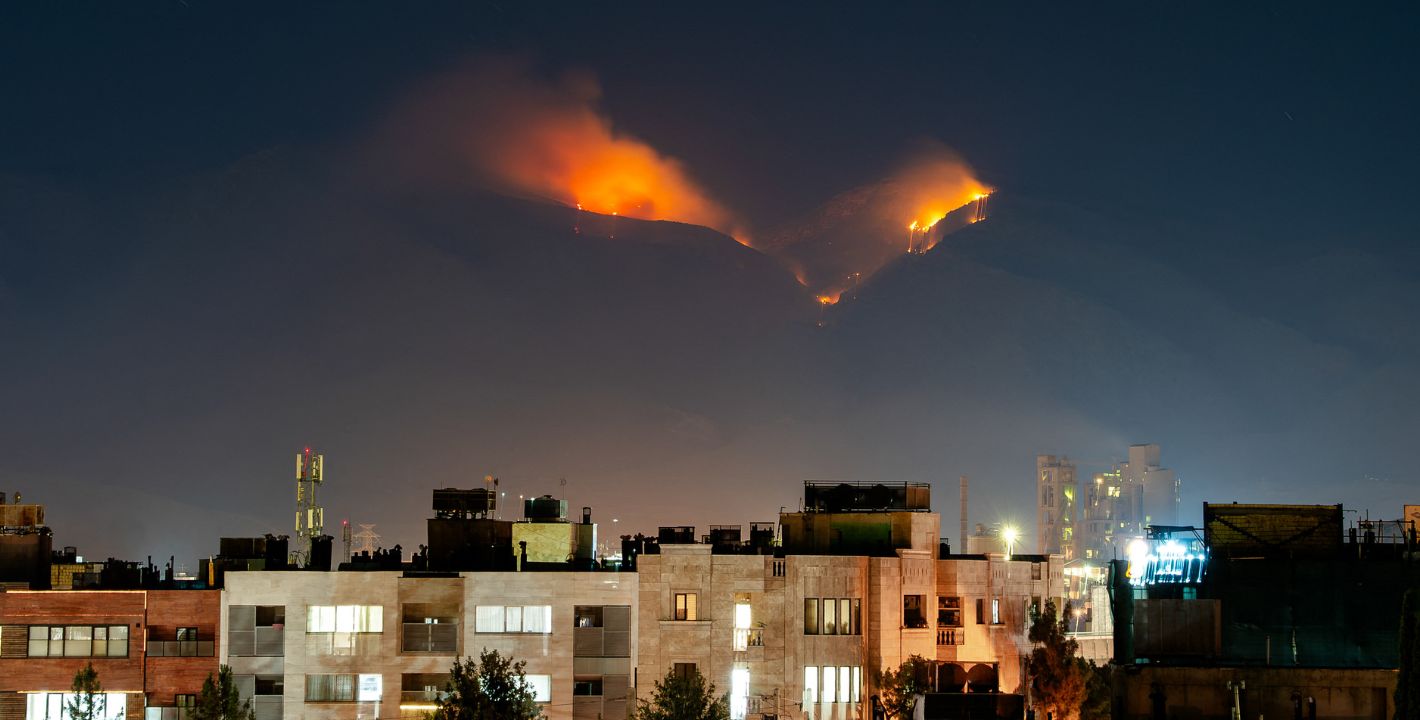
A coalition of states is seeking to avert a U.S. attack, and Israel is in the forefront of their mind.
Michael Young

Fifteen years after the Arab uprisings, a new generation is mobilizing behind an inclusive growth model, and has the technical savvy to lead an economic transformation that works for all.
Jihad Azour
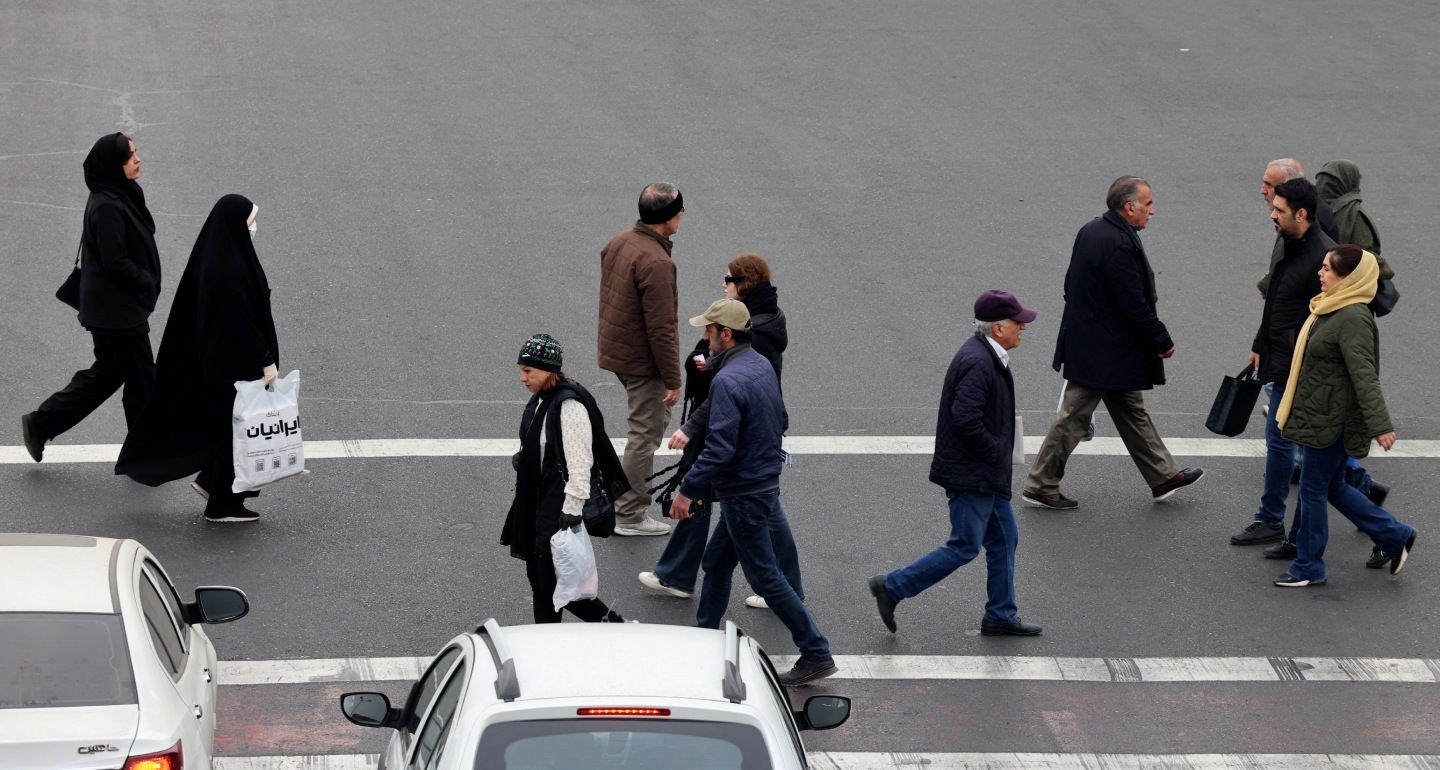
Baku may allow radical nationalists to publicly discuss “reunification” with Azeri Iranians, but the president and key officials prefer not to comment publicly on the protests in Iran.

Bashir Kitachaev

The country’s leadership is increasingly uneasy about multiple challenges from the Levant to the South Caucasus.
Armenak Tokmajyan
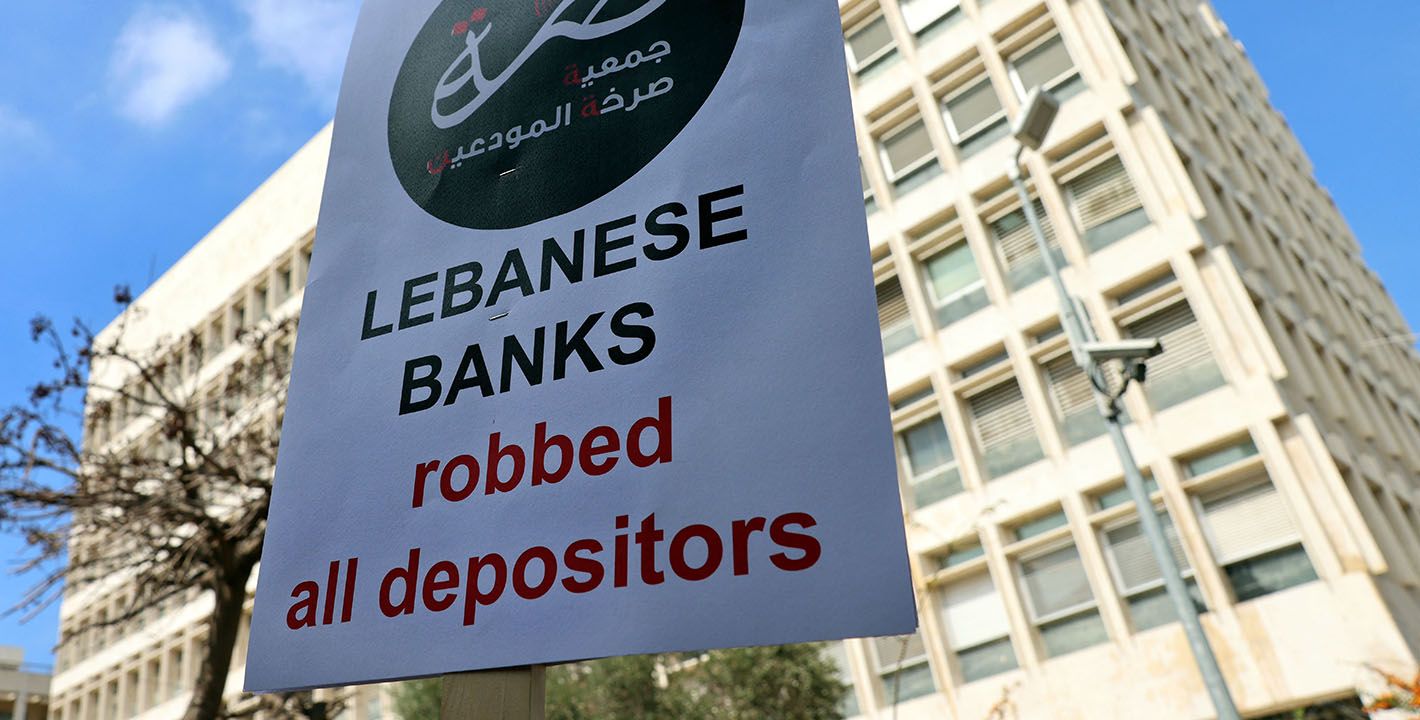
In an interview, Ishac Diwan looks at the merits and flaws in the draft legislation distributing losses from the financial collapse.
Michael Young