

Commentary
Israeli-Lebanese talks have stalled, and the reason is that the United States and Israel want to impose normalization.
Michael Young
{
  "authors": [
    "Andrew S. Weiss"
  ],
  "type": "legacyinthemedia",
  "centerAffiliationAll": "",
  "centers": [
    "Carnegie Endowment for International Peace",
    "Carnegie Russia Eurasia Center"
  ],
  "collections": [],
  "englishNewsletterAll": "",
  "nonEnglishNewsletterAll": "",
  "primaryCenter": "Carnegie Endowment for International Peace",
  "programAffiliation": "",
  "programs": [
    "Russia and Eurasia"
  ],
  "projects": [],
  "regions": [
    "North America",
    "United States",
    "Russia"
  ],
  "topics": [
    "Foreign Policy"
  ]
}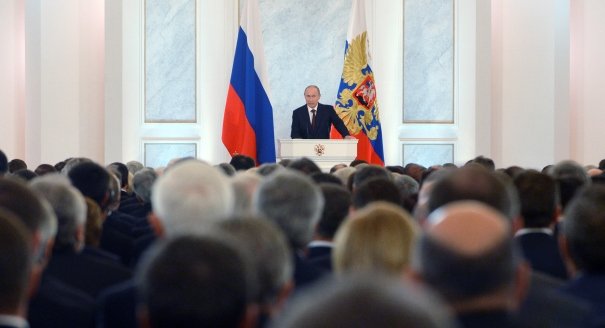
The Obama administration was correct to cancel the summit with Russian President Vladimir Putin because Russia had recently stonewalled Obama’s agenda.
Source: NPR’s Diane Rehm Show
Speaking on NPR’s Diane Rehm Show, Carnegie’s Andrew Weiss explained that President Barack Obama made the right choice in cancelling his summit with Russian President Vladimir Putin because Russia had stonewalled Obama’s agenda over the past several months. Given the already slim prospects for the summit, Russia’s handling of Edward Snowden showed that the Russian government was not willing to make serious progress on the issues, he said. Weiss described the Russian government’s growing anti-American and anti-gay rhetoric as an effort by Putin to reach out to “Ivan Sixpack”—the Russian political base—and portray his opponents as un-Russian.
This discussion was originally aired on NPR’s Diane Rehm Show.
Carnegie does not take institutional positions on public policy issues; the views represented herein are those of the author(s) and do not necessarily reflect the views of Carnegie, its staff, or its trustees.
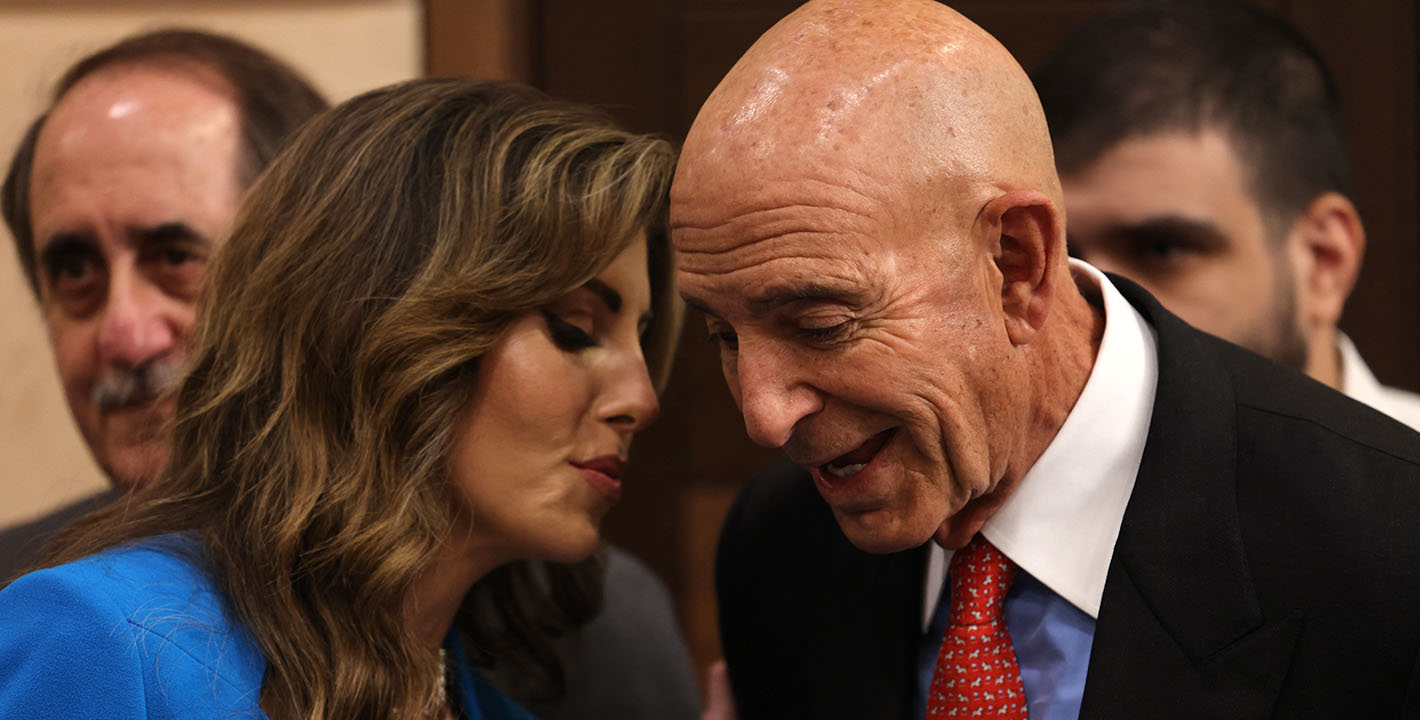
Israeli-Lebanese talks have stalled, and the reason is that the United States and Israel want to impose normalization.
Michael Young
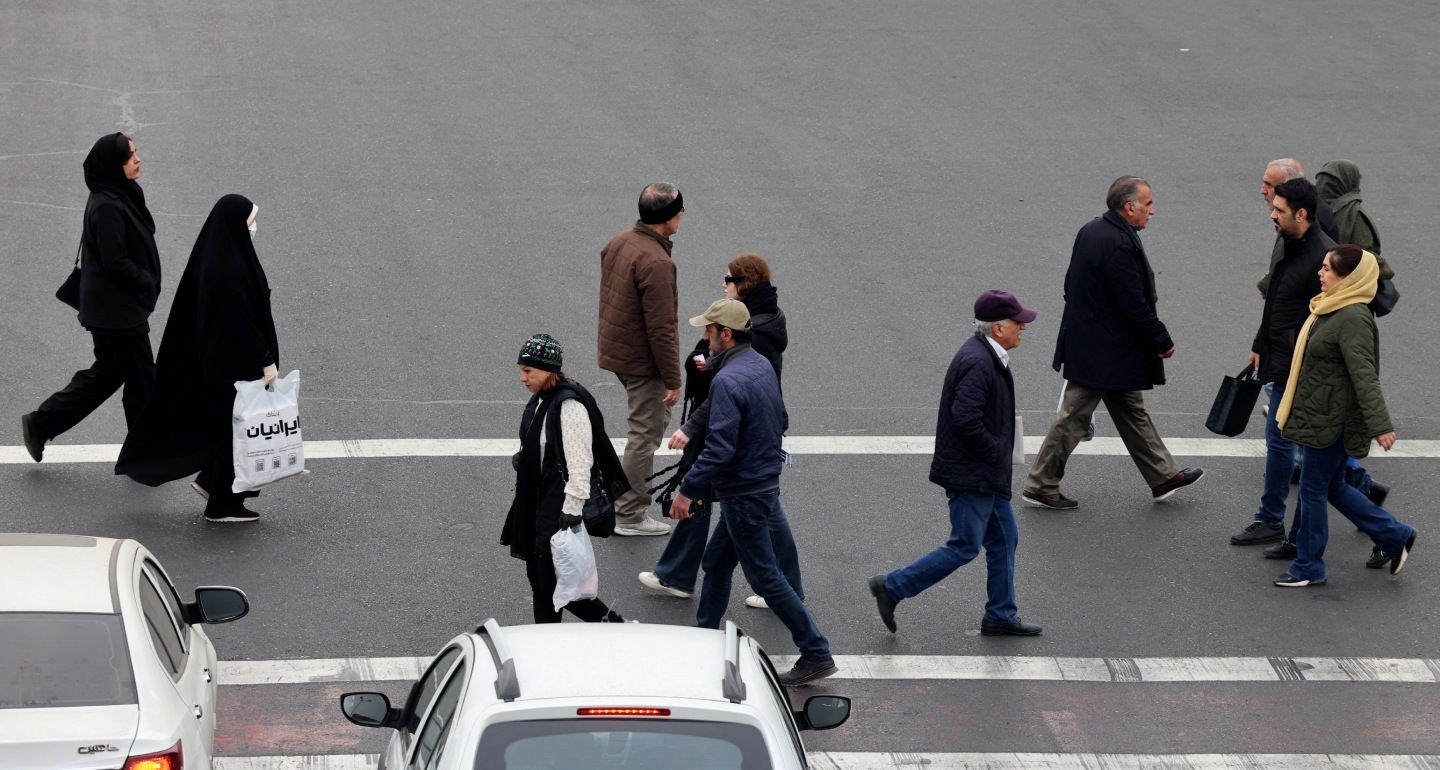
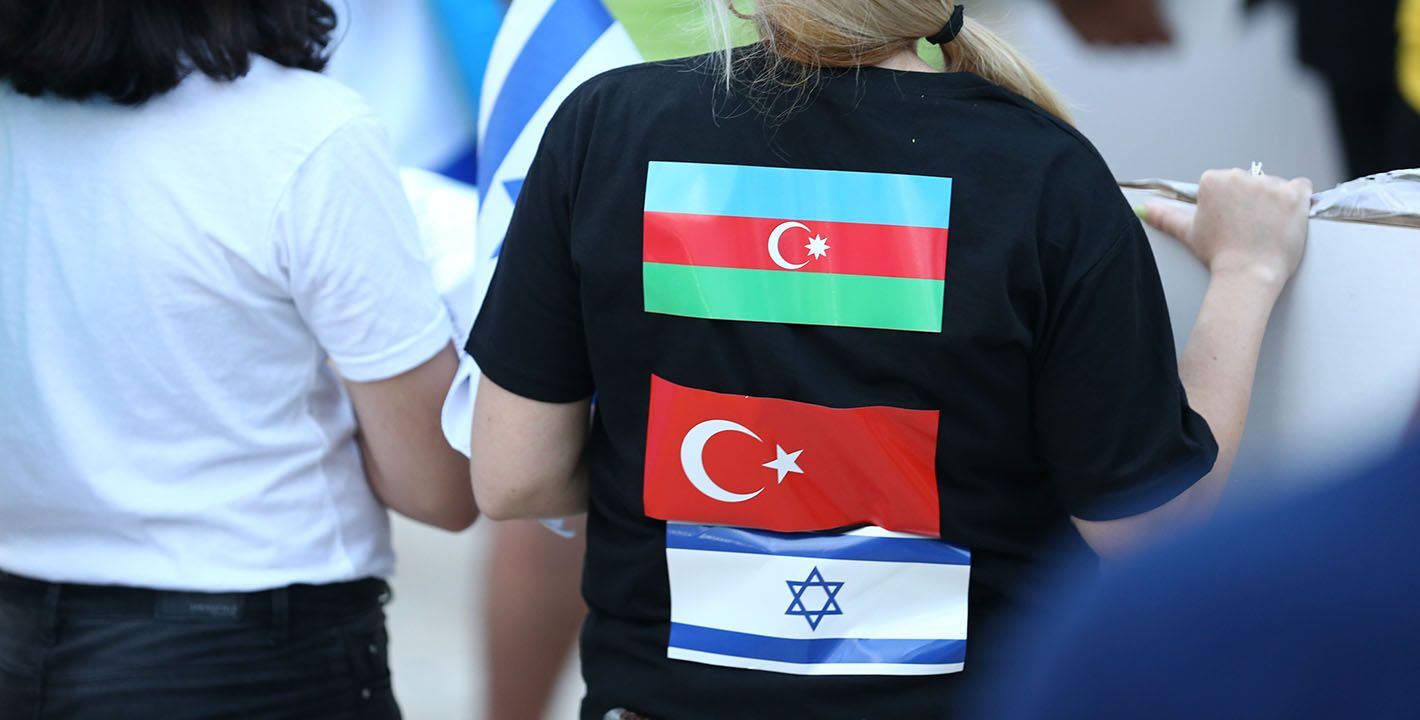
Baku may allow radical nationalists to publicly discuss “reunification” with Azeri Iranians, but the president and key officials prefer not to comment publicly on the protests in Iran.

Bashir Kitachaev
The country’s leadership is increasingly uneasy about multiple challenges from the Levant to the South Caucasus.
Armenak Tokmajyan
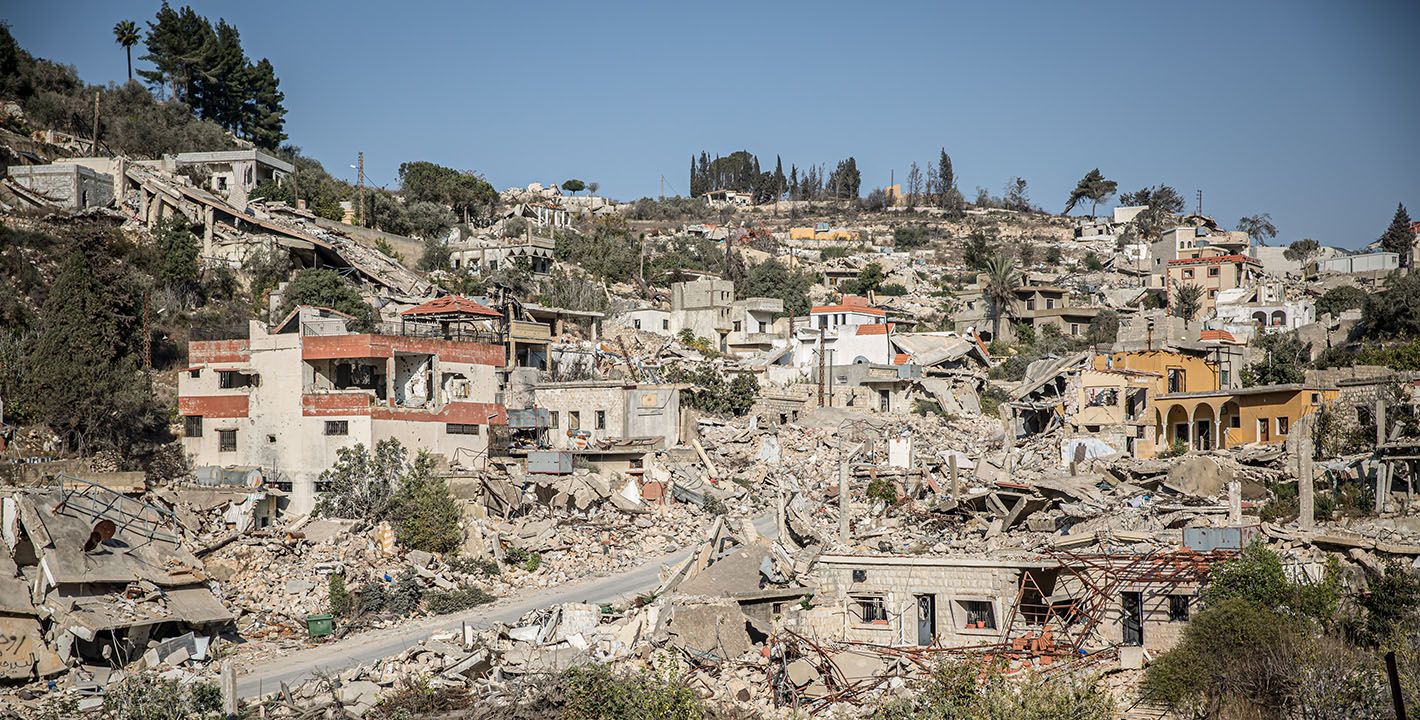
The U.S. is trying to force Lebanon and Syria to normalize with Israel, but neither country sees an advantage in this.
Michael Young
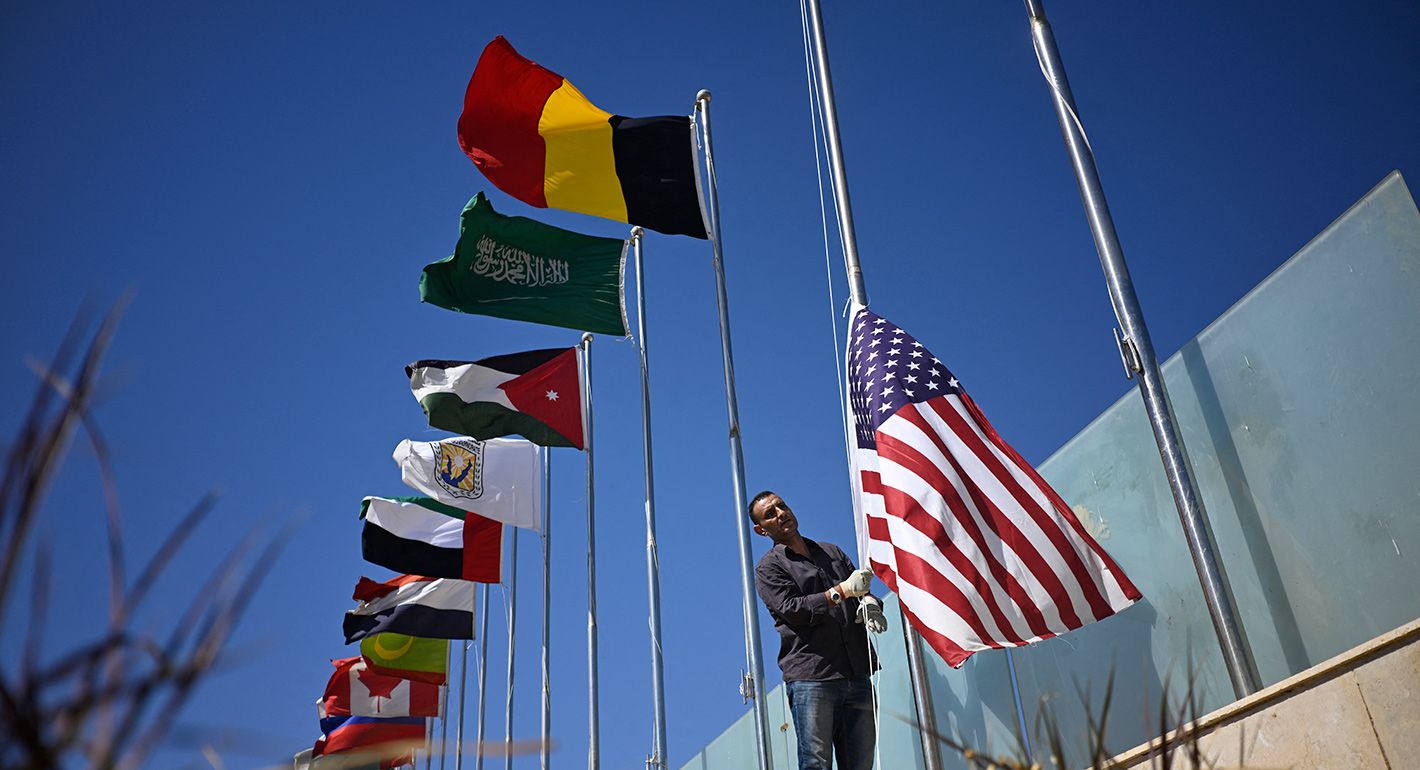
The countries of the region have engaged in sustained competition that has tested their capacities and limitations, while resisting domination by rivals. Can a more stable order emerge from this maelstrom, and what would it require?

Hamza Meddeb, Mohamed Ali Adraoui