

Commentary
Baku may allow radical nationalists to publicly discuss “reunification” with Azeri Iranians, but the president and key officials prefer not to comment publicly on the protests in Iran.
Bashir Kitachaev
{
  "authors": [
    "Raphaël Lefèvre"
  ],
  "type": "other",
  "centerAffiliationAll": "",
  "centers": [
    "Carnegie Endowment for International Peace",
    "Malcolm H. Kerr Carnegie Middle East Center"
  ],
  "collections": [],
  "englishNewsletterAll": "",
  "nonEnglishNewsletterAll": "",
  "primaryCenter": "Malcolm H. Kerr Carnegie Middle East Center",
  "programAffiliation": "",
  "programs": [
    "Middle East"
  ],
  "projects": [],
  "regions": [
    "Levant",
    "Lebanon",
    "Syria",
    "Middle East"
  ],
  "topics": [
    "Political Reform",
    "Security"
  ]
}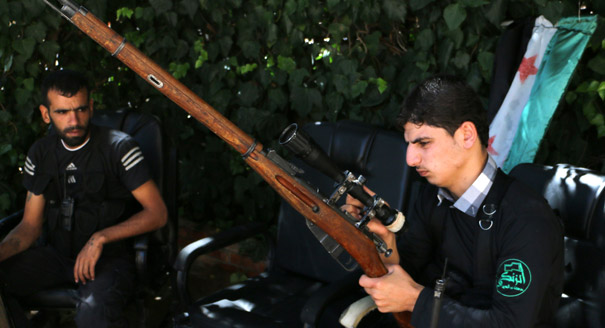
The Syrian Muslim Brotherhood had been in exile for a long time, so it had to work very hard to gain a measure of influence on the Syrian uprisings.
Source: Project on Middle East Political Science
Speaking with George Washington University’s Marc Lynch, director of the Project on Middle East Political Science, Carnegie’s Raphaël Lefèvre discussed the Syrian Muslim Brotherhood, the Syrian civil war, and Lebanon. When asked about the role the Muslim Brotherhood played in the Syrian uprising, Lefèvre explained that the group had been in exile for a long time, so it had to work very hard to gain a measure of influence on the Syrian uprisings.
It did so through various different ways, continued Lefèvre: “At first, it took a leading role in the Syrian opposition—first the Syrian National Council and then the National Coalition. It tried to do some work on-the-ground inside Syria in rebel-held areas, doing some humanitarian work. It started a series of militias as well, trying to gain influence on the Syrian rebel scene, but that was, unfortunately for them, very unsuccessful because at that point in time...the extremists in Syria were on the rise and posed a serious challenge to the Syrian Muslim Brotherhood.”
This interview was originally published by the Project on Middle East Political Science (POMEPS).
Carnegie does not take institutional positions on public policy issues; the views represented herein are those of the author(s) and do not necessarily reflect the views of Carnegie, its staff, or its trustees.
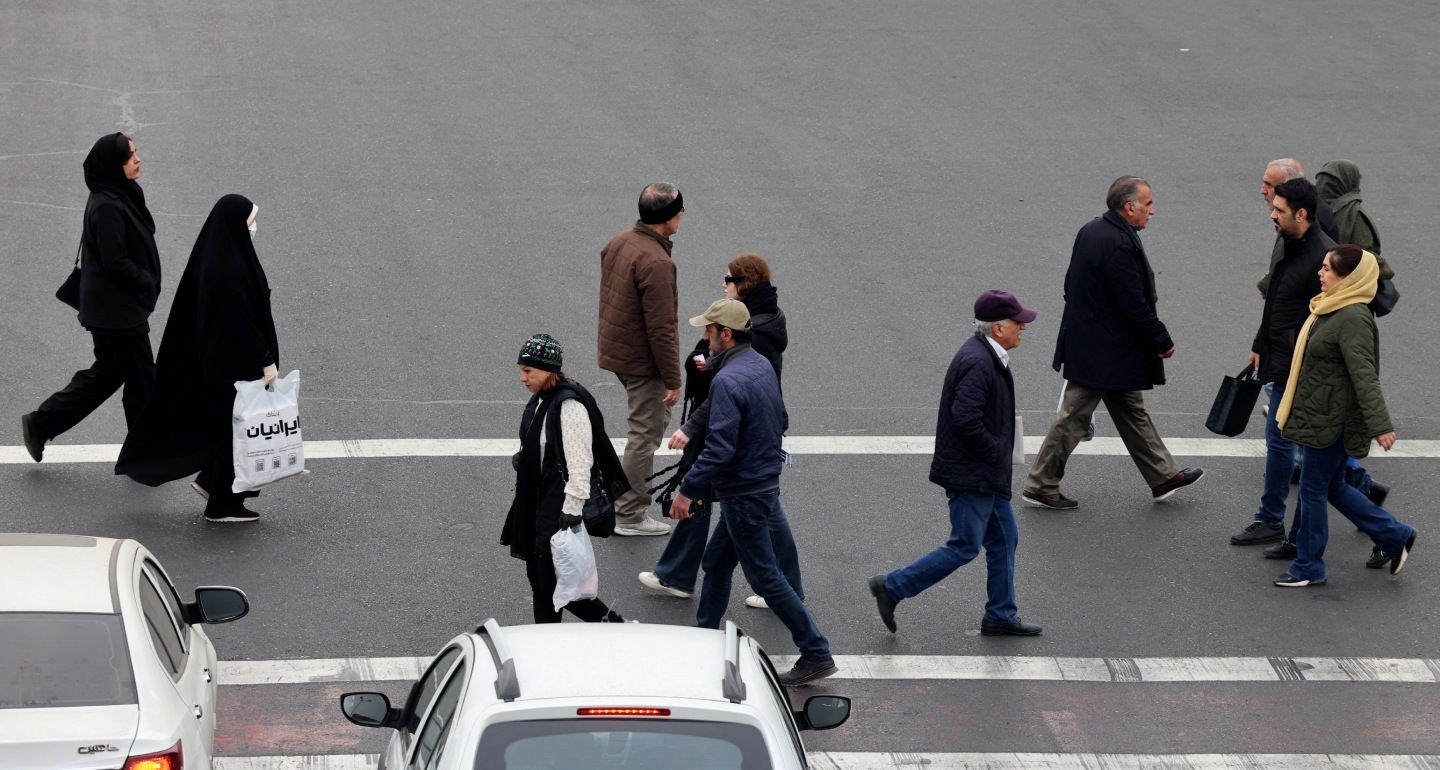
Baku may allow radical nationalists to publicly discuss “reunification” with Azeri Iranians, but the president and key officials prefer not to comment publicly on the protests in Iran.
Bashir Kitachaev
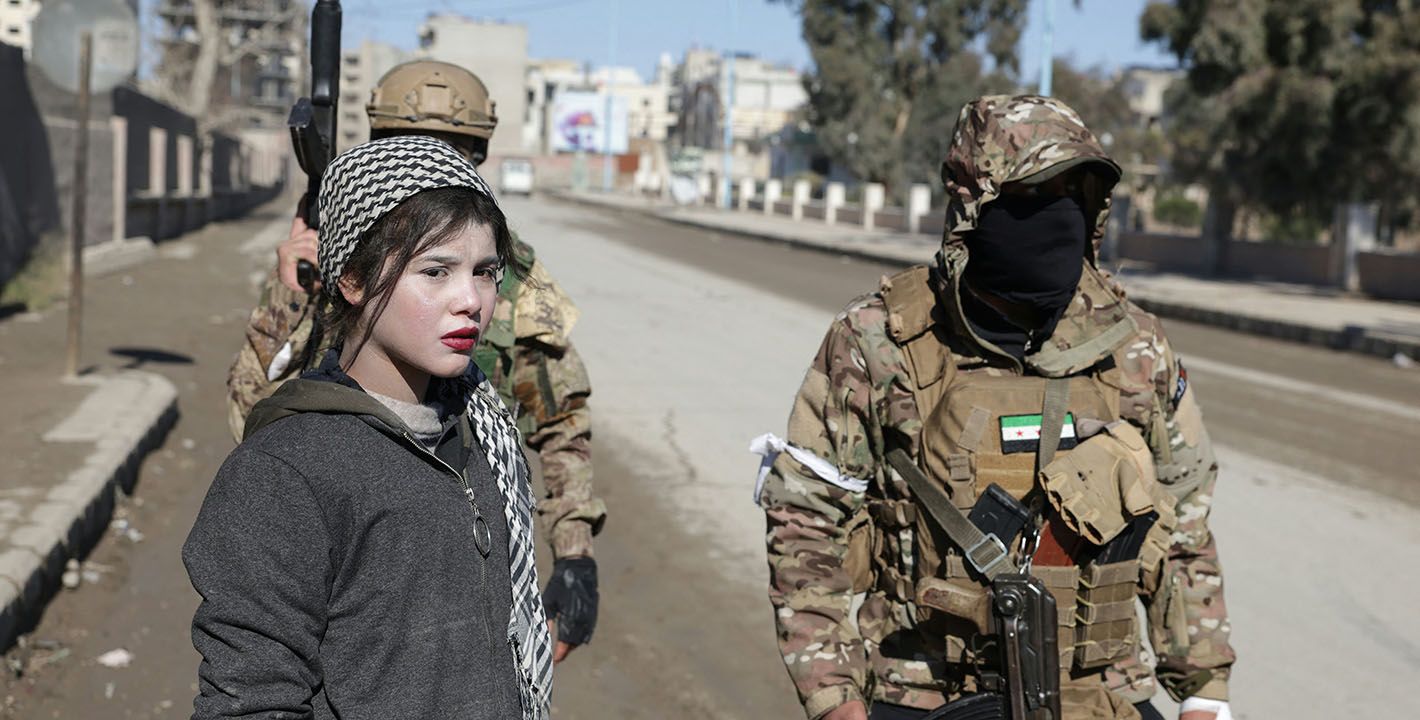
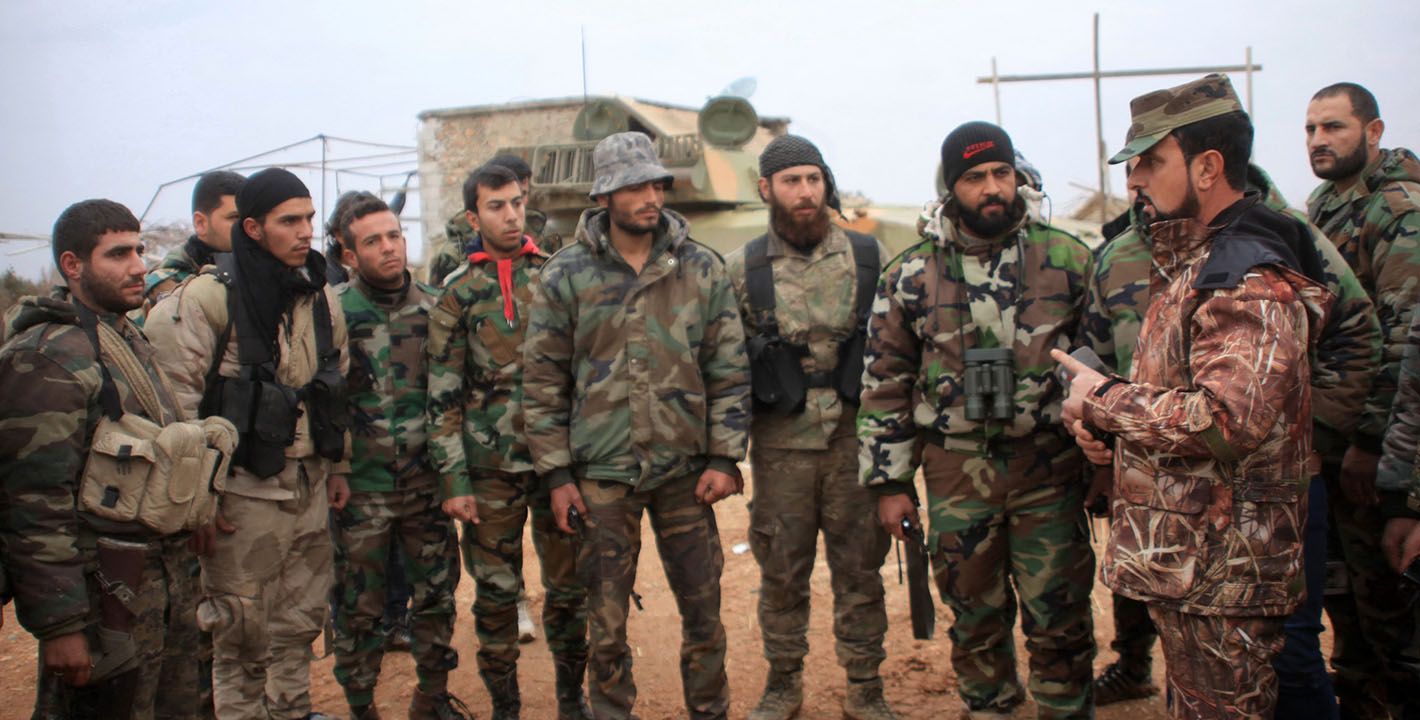
The government’s gains in the northwest will have an echo nationally, but will they alter Israeli calculations?
Armenak Tokmajyan
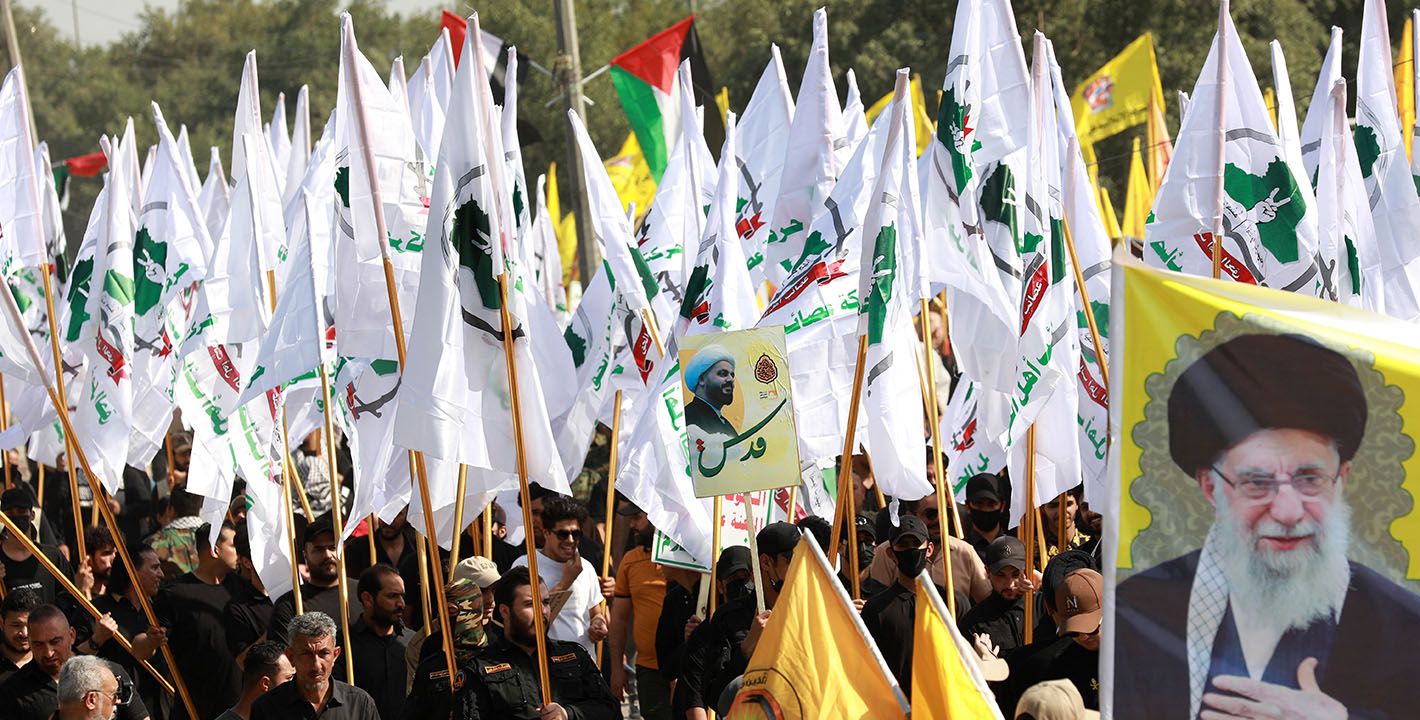
Beirut and Baghdad are both watching how the other seeks to give the state a monopoly of weapons.
Hasan Hamra
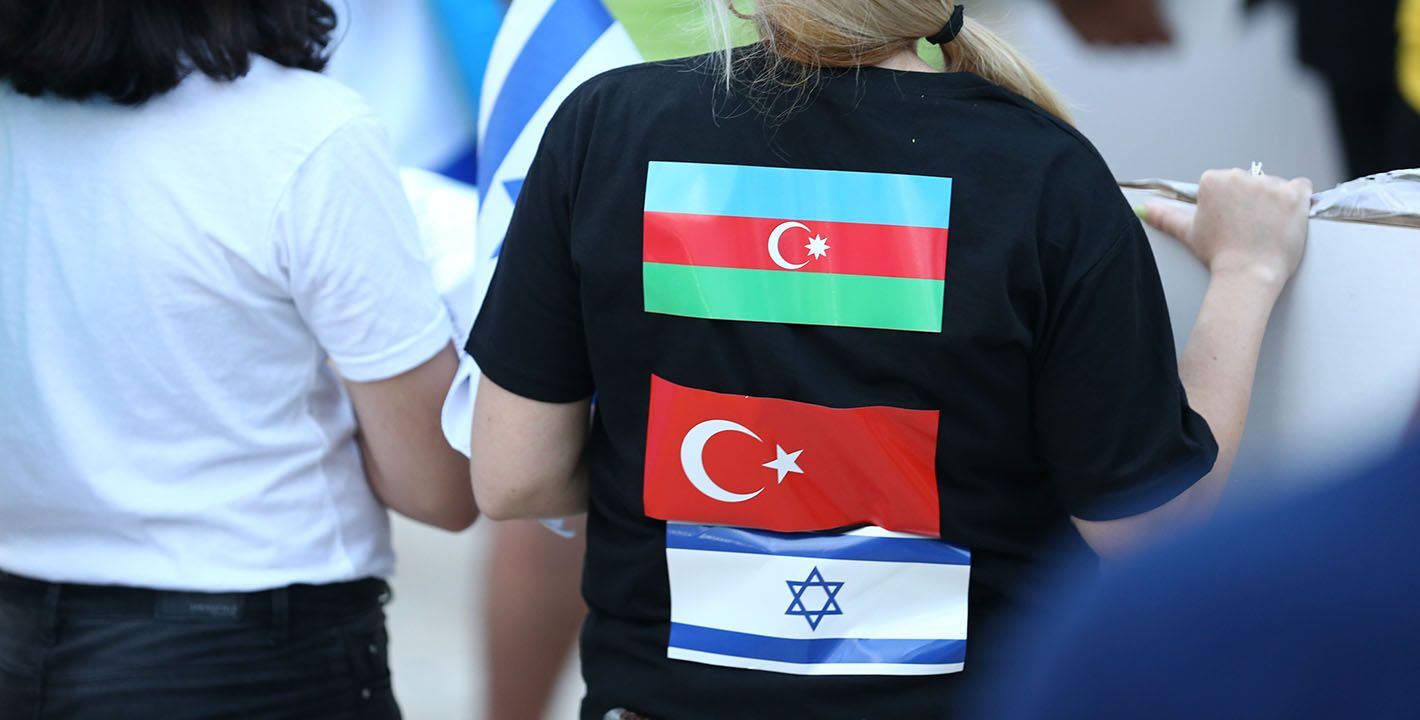
The country’s leadership is increasingly uneasy about multiple challenges from the Levant to the South Caucasus.
Armenak Tokmajyan
Recent leaks made public by Al-Jazeera suggest that this is the case, but the story may be more complicated.
Mohamad Fawaz