

Commentary
Baku may allow radical nationalists to publicly discuss “reunification” with Azeri Iranians, but the president and key officials prefer not to comment publicly on the protests in Iran.
Bashir Kitachaev
{
  "authors": [
    "C. Raja Mohan"
  ],
  "type": "legacyinthemedia",
  "centerAffiliationAll": "",
  "centers": [
    "Carnegie Endowment for International Peace",
    "Carnegie India"
  ],
  "collections": [],
  "englishNewsletterAll": "",
  "nonEnglishNewsletterAll": "",
  "primaryCenter": "Carnegie India",
  "programAffiliation": "",
  "programs": [
    "South Asia"
  ],
  "projects": [],
  "regions": [
    "South Asia",
    "India"
  ],
  "topics": [
    "Foreign Policy",
    "Economy",
    "Trade",
    "Climate Change"
  ]
}
Building a causeway across the Palk Strait could become the most powerful symbol of South Asia’s new regionalism.
Source: Indian Express
Call it the “Ram Setu” or “Hanuman Bridge”, the stretch of low-lying banks that connect India to Sri Lanka across the Palk Strait is very much part of the subcontinent’s Ramayana lore. Lord Ram, the story goes, built this bridge with the assistance of Hanuman’s monkey army, walked into Lanka to rescue his consort Sita from King Ravana. That the story has little basis in science is beside the point. What is interesting is the possibility that New Delhi and Colombo can now turn that myth into reality by building a causeway across the 30 km of water between Dhanushkodi near Rameswaram in Tamil Nadu and Talaimannar in northern Sri Lanka.
Promoting connectivity, within and across national boundaries, has been a major priority for Prime Minister Narendra Modi. His Sri Lankan counterpart, Ranil Wickremesinghe, who is visiting Delhi this week, has been a convert to connectivity long before Modi burst upon India’s national scene. When he was PM of Sri Lanka more than a decade ago, Wickremesinghe had proposed the construction of a land bridge across the Palk Strait. An unenthusiastic Delhi and Chennai said “No, thank you.” What gained political traction instead was the proposal for dredging a shipping channel — the Sethusamudram — in the shallow waters around the tip of peninsular India.But the prospect that the Sethusamudram canal would cut across the Ram Setu stirred significant opposition from Hindu groups. The environmentalists too expressed strong reservations against a project that could threaten the sensitive marine ecosystem in the Palk Strait. The Sethusamudram project would have deepened the divide between India and Sri Lanka. At a time when much of the world was moving towards transborder transport and energy corridors, the Sethusamudram project wanted to dig the moat between the two countries deeper.
At precisely the moment Sri Lanka was rediscovering its geopolitical centrality in the Indian Ocean and developing ambitious plans to emerge as the maritime hub of the world’s southern seas, Delhi seemed strangely detached from the imperatives of deeper integration with Lanka. If India increasingly viewed Sri Lanka through the prism of the ethnic conflict between the Sinhalese and the Tamil minority, China began to put the emerald island at the very centre of its Indian Ocean strategy. Delhi’s inability to move forward on transborder infrastructure looked a lot worse in comparison to the dramatic expansion of China’s physical and economic connectivity to India’s neighbours — not just across the Himalayas but in the Indian Ocean as well.
All of India’s neighbours are now part of China’s “one belt, one road” initiative that seeks to integrate the Eurasian land mass as well as the Indian and Pacific Oceans through massive infrastructure projects.
Modi has promised to end India’s sleepwalking on regional connectivity. In his address to the Sri Lankan parliament in March this year, Modi cited the great Tamil poet Subramanya Bharathi to affirm Delhi’s strong commitment to “build a bridge” to Lanka. Modi also travelled to Talaimannar to inaugurate a railway line in northern Sri Lanka that India had built in the last few years. While India’s contribution to rebuilding infrastructure in northern Sri Lanka that was destroyed by the civil war is impressive, Delhi must now focus boldly on transborder connectivity with Sri Lanka.
Union Transport Minister Nitin Gadkari suggested a couple of months ago that Delhi was now ready to talk about Wickremesinghe’s “Hanuman Bridge”. Gadkari added that the Asian Development Bank was eager to support the project that could cost more than $5 billion. The Hanuman Bridge would connect the road and rail networks in both countries and ease the flow of goods and people across the Palk Strait. Not everyone, however, sees the Hanuman Bridge in positive terms.
Some in Lanka worry that the bridge would undermine its territorial sovereignty and integrity. It was the opposition in Tamil Nadu that compelled Delhi to turn its back on the Hanuman Bridge. This is not surprising, given the prolonged civil war in Sri Lanka and its regional consequences. It’s really up to Modi and Wickremesinghe to make the political and commercial case for the causeway and address the issues raised by opponents on both sides.
South Asian nations have been talking about building bridges across borders for nearly two decades. Over the last year and a half, Modi has lent a new urgency to these connectivity projects. Delhi has backed up the PM’s rhetoric with some actions, most notably the signing of the motor vehicle agreement with three eastern neighbours — Bangladesh, Bhutan and Nepal — earlier this year. It’s the Hanuman Bridge, however, that could become the most powerful symbol of the subcontinent’s new regionalism.
This article was originally published in the Indian Express.
Carnegie does not take institutional positions on public policy issues; the views represented herein are those of the author(s) and do not necessarily reflect the views of Carnegie, its staff, or its trustees.
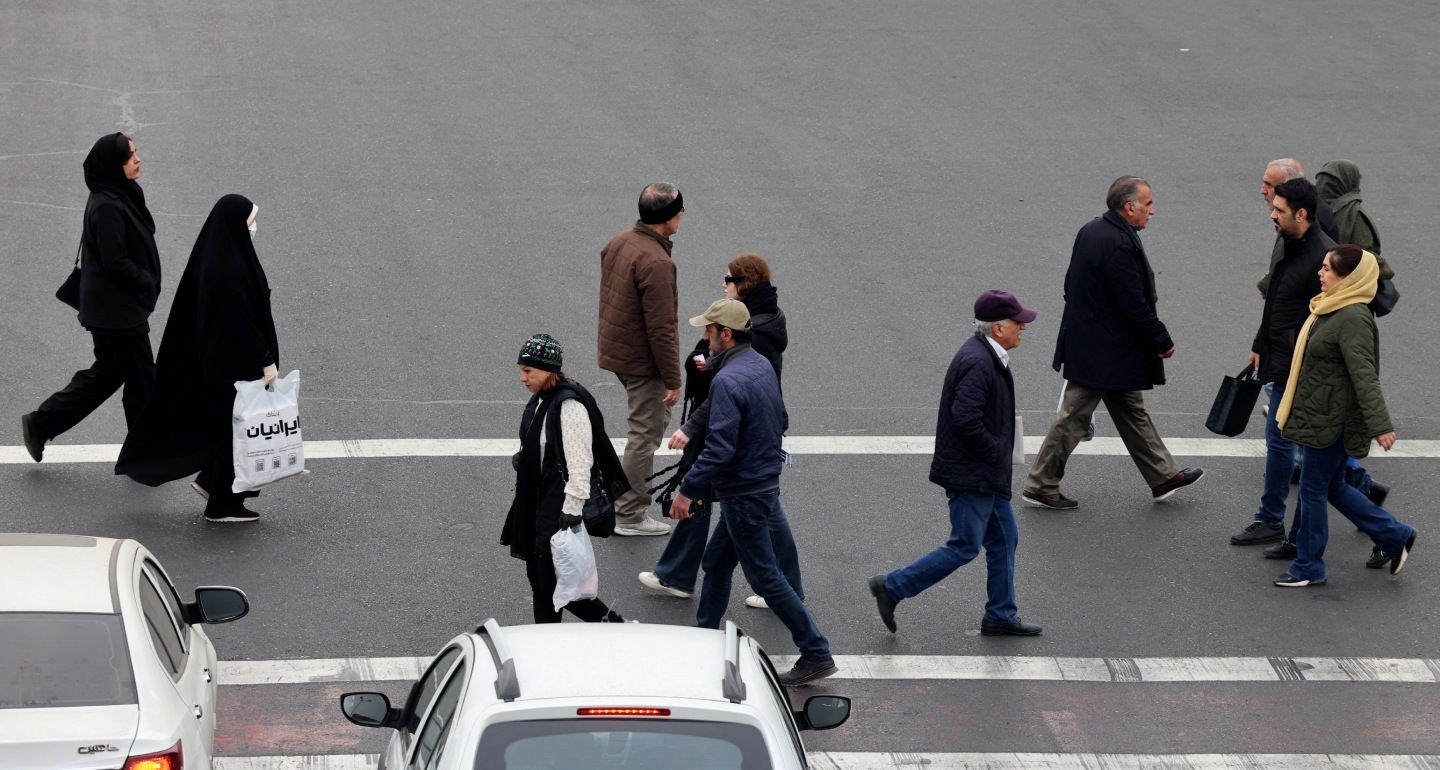
Baku may allow radical nationalists to publicly discuss “reunification” with Azeri Iranians, but the president and key officials prefer not to comment publicly on the protests in Iran.

Bashir Kitachaev
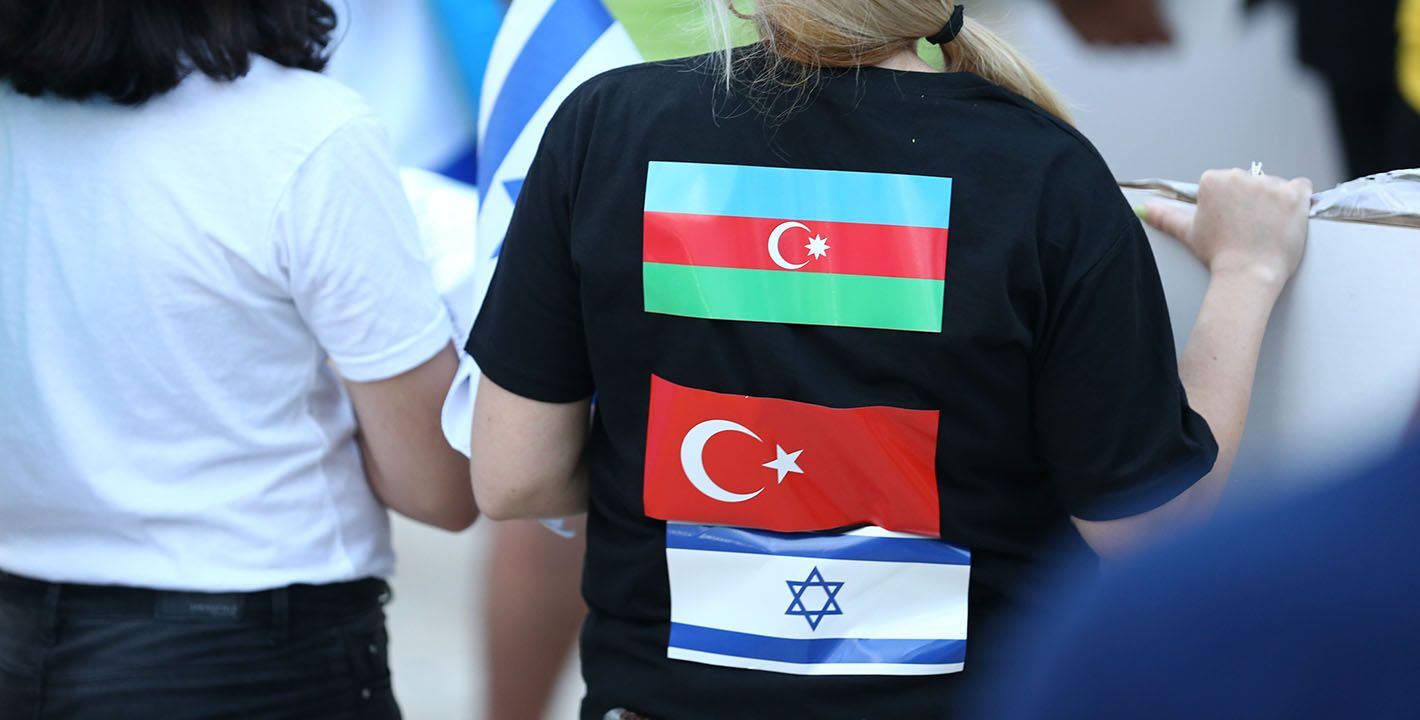
The country’s leadership is increasingly uneasy about multiple challenges from the Levant to the South Caucasus.

Armenak Tokmajyan
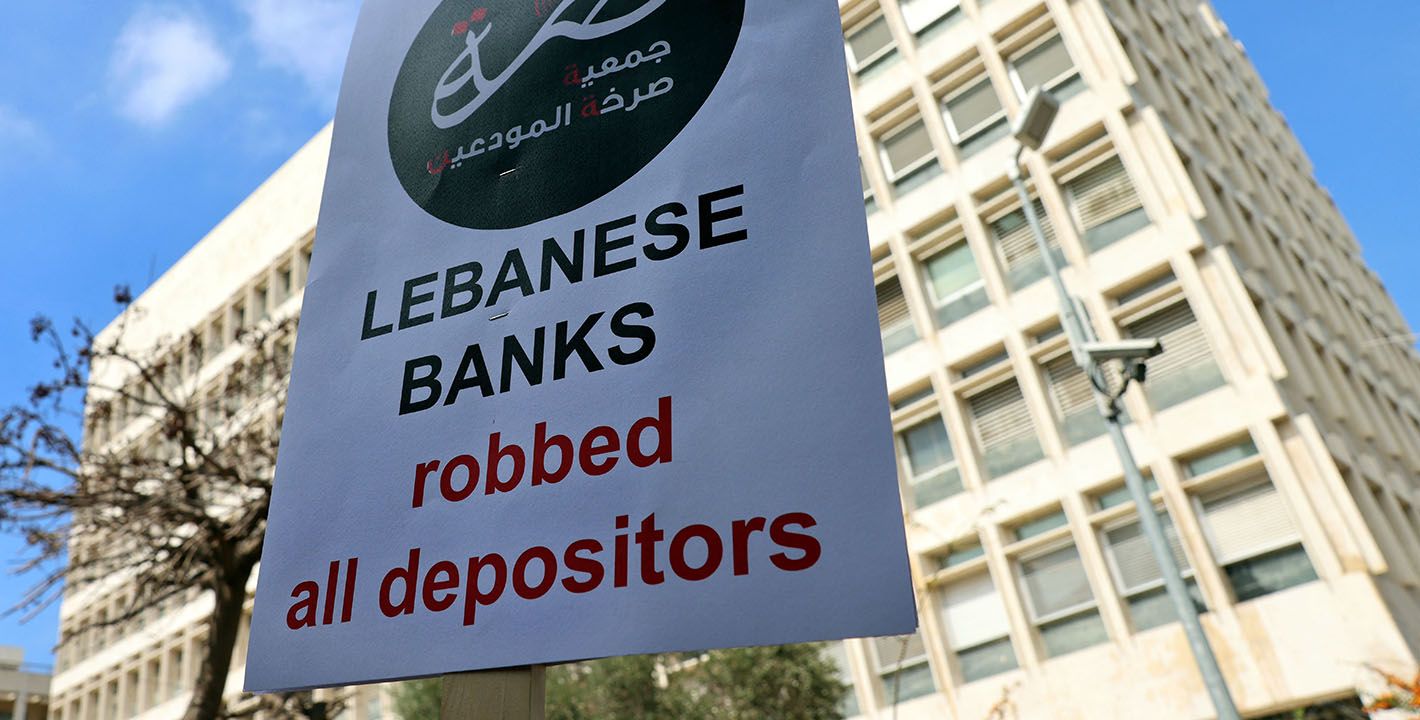
In an interview, Ishac Diwan looks at the merits and flaws in the draft legislation distributing losses from the financial collapse.
Michael Young
The countries of the region have engaged in sustained competition that has tested their capacities and limitations, while resisting domination by rivals. Can a more stable order emerge from this maelstrom, and what would it require?

Hamza Meddeb, Mohamed Ali Adraoui
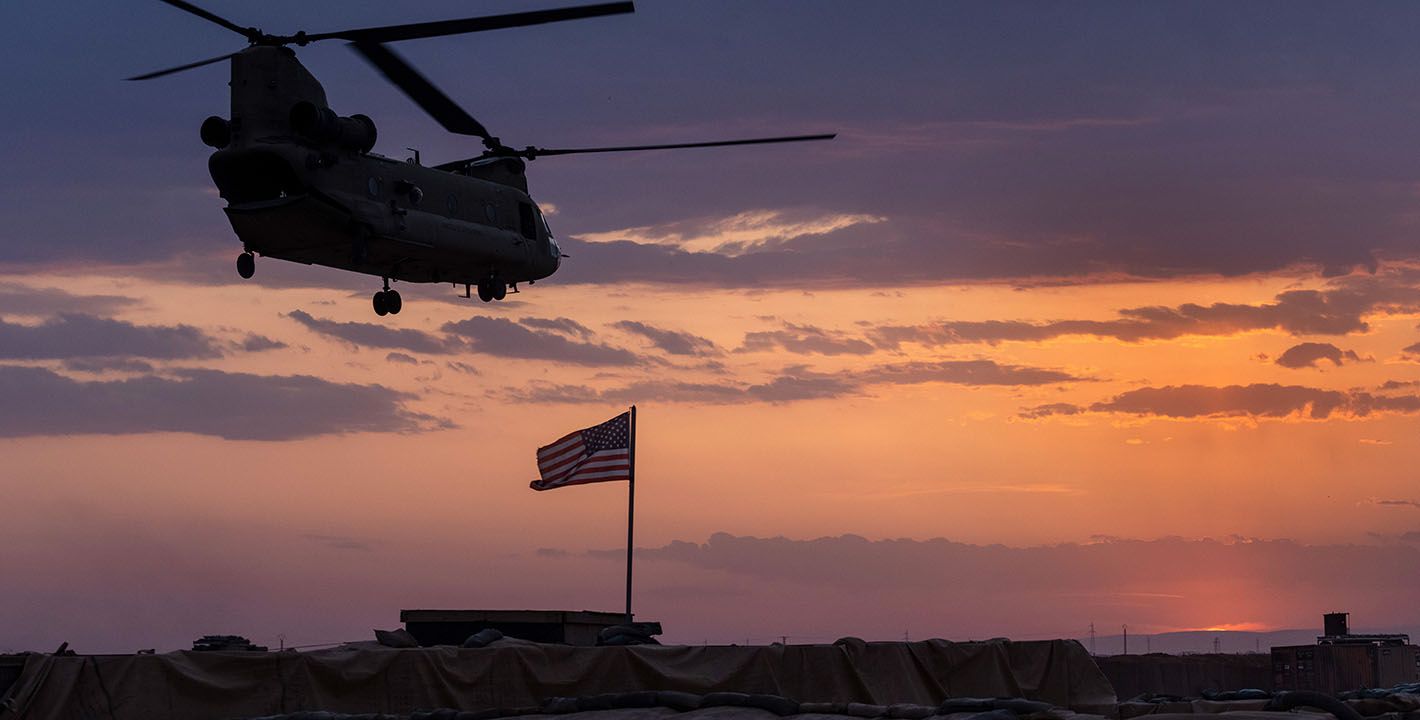
As Washington reduces its presence in the country, the success of its withdrawal and continued containment of the Islamic State will hinge on adopting an approach of flexible oversight built around three priorities, as well as balancing Turkish and Israeli red lines.
Kheder Khaddour, Issam Kayssi