

Commentary
Baku may allow radical nationalists to publicly discuss “reunification” with Azeri Iranians, but the president and key officials prefer not to comment publicly on the protests in Iran.
Bashir Kitachaev
{
  "authors": [
    "Sinan Ülgen"
  ],
  "type": "other",
  "centerAffiliationAll": "",
  "centers": [
    "Carnegie Endowment for International Peace",
    "Carnegie Europe"
  ],
  "collections": [
    "Turkey’s Transformation",
    "EU Integration and Enlargement"
  ],
  "englishNewsletterAll": "",
  "nonEnglishNewsletterAll": "",
  "primaryCenter": "Carnegie Europe",
  "programAffiliation": "",
  "programs": [
    "Europe"
  ],
  "projects": [],
  "regions": [
    "Europe",
    "Türkiye",
    "Middle East",
    "Iran"
  ],
  "topics": [
    "EU",
    "Political Reform"
  ]
}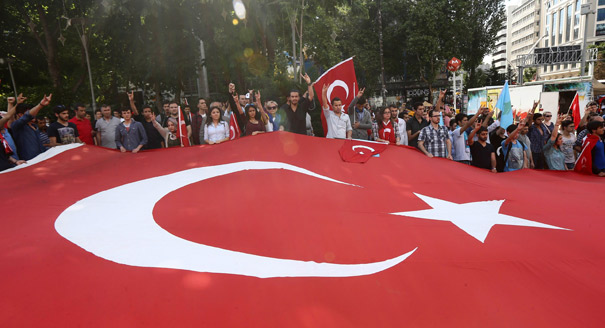
The Turkey-EU agenda should include a resilience action plan to improve the capacity of Turkish institutions and society to withstand—and eventually seek to roll back—challenges to democracy.
Source: International Affairs Institute
The concept of “building resilience” in Turkey can be defined as improving the capacity of institutions and society to withstand and eventually seek to roll back a sustained challenge to democratic norms. From the perspective of Turkish society, the threat originates from the wide disparities in regional incomes that are themselves a by-product in the equally wide disparities in educational achievements and employable skills. Nevertheless, Turkish society retains important elements of resilience. This is the end result of a flawed and yet very real experience with multi-party democracy for over seven decades. At the same time Turkey is a failed accession state and the frustrations as well as the acrimony generated by this hapless state of affairs will have implications for any other EU engagement strategy with Ankara. It is therefore necessary to build the resilience action plan as a component of the formal Turkey–EU agenda, which is broader than the accession track. The soon-to-be-launched negotiations for the modernization of the EU–Turkey Customs Union provide a timely and useful option.
This report was originally published by the International Affairs Institute.
Carnegie does not take institutional positions on public policy issues; the views represented herein are those of the author(s) and do not necessarily reflect the views of Carnegie, its staff, or its trustees.
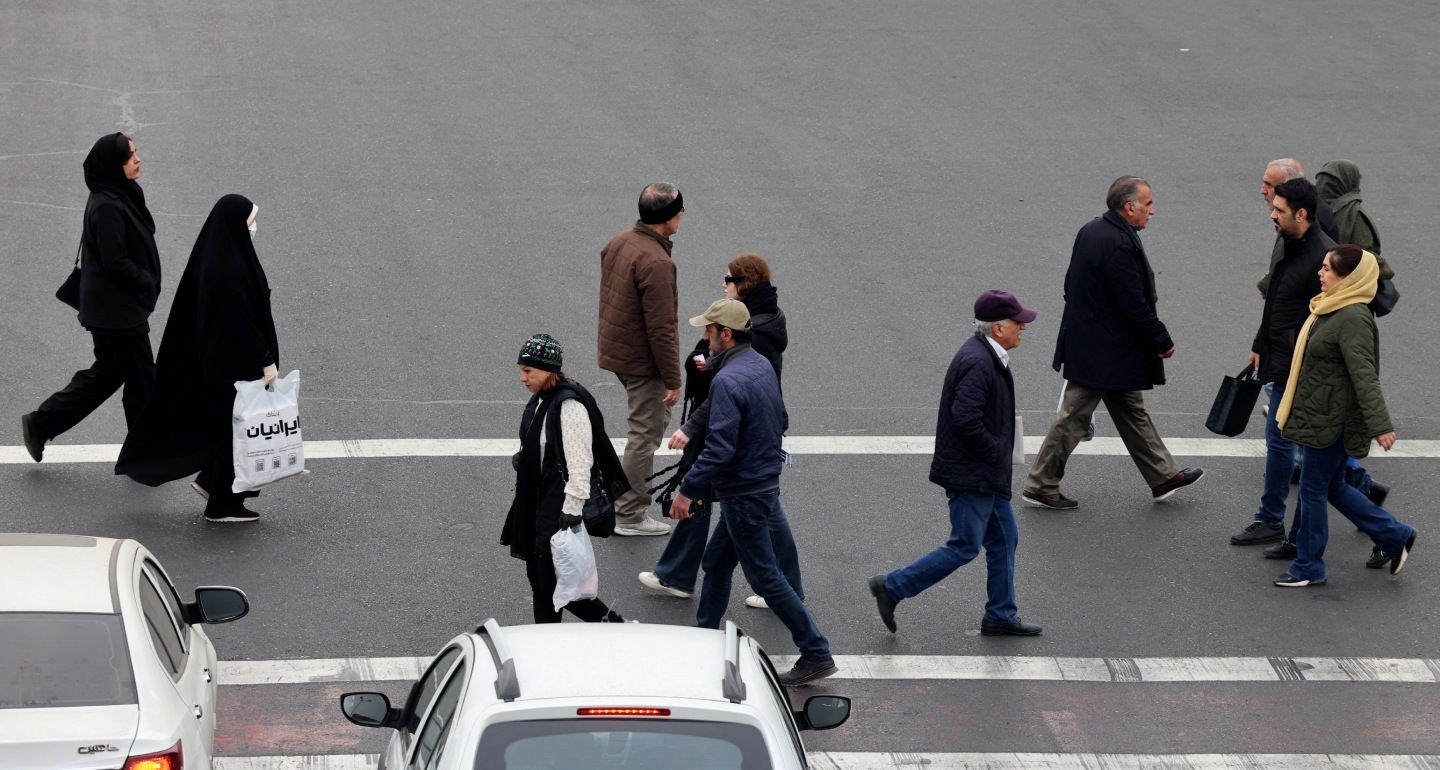
Baku may allow radical nationalists to publicly discuss “reunification” with Azeri Iranians, but the president and key officials prefer not to comment publicly on the protests in Iran.

Bashir Kitachaev
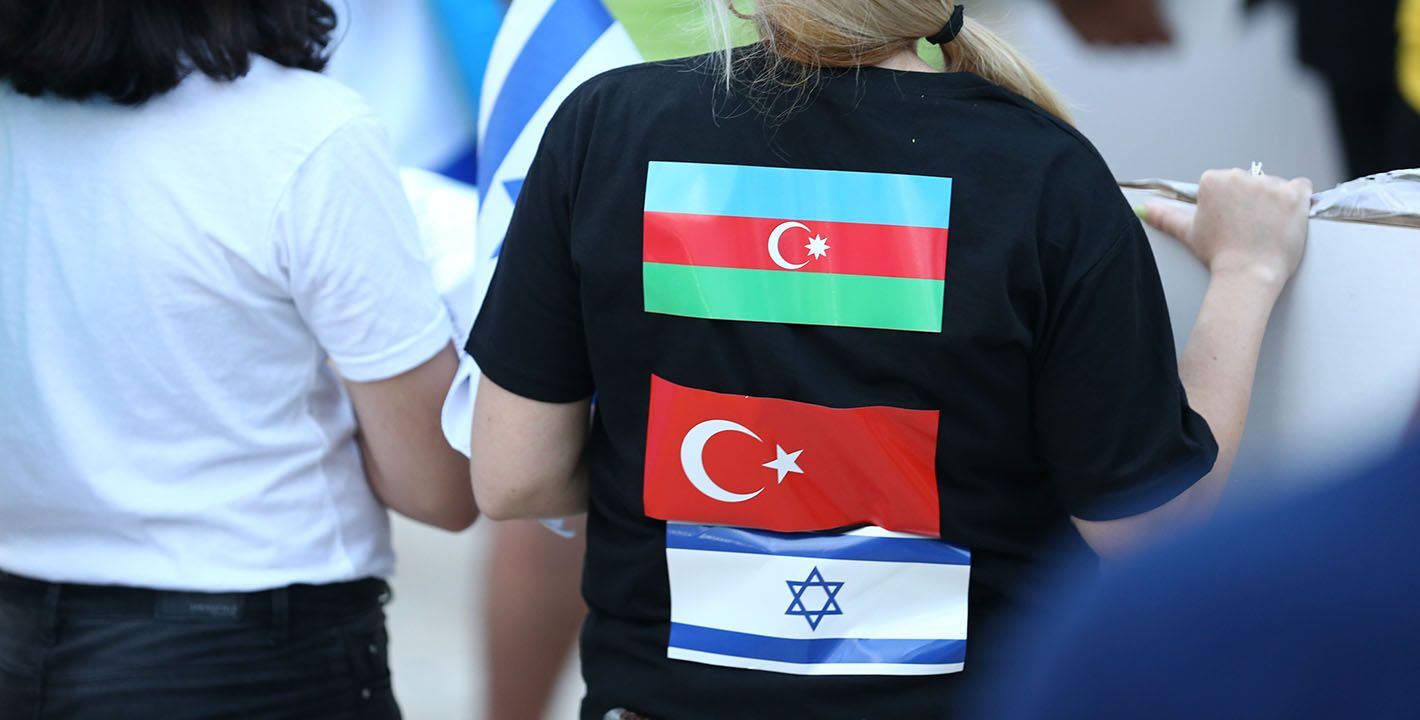
The country’s leadership is increasingly uneasy about multiple challenges from the Levant to the South Caucasus.

Armenak Tokmajyan
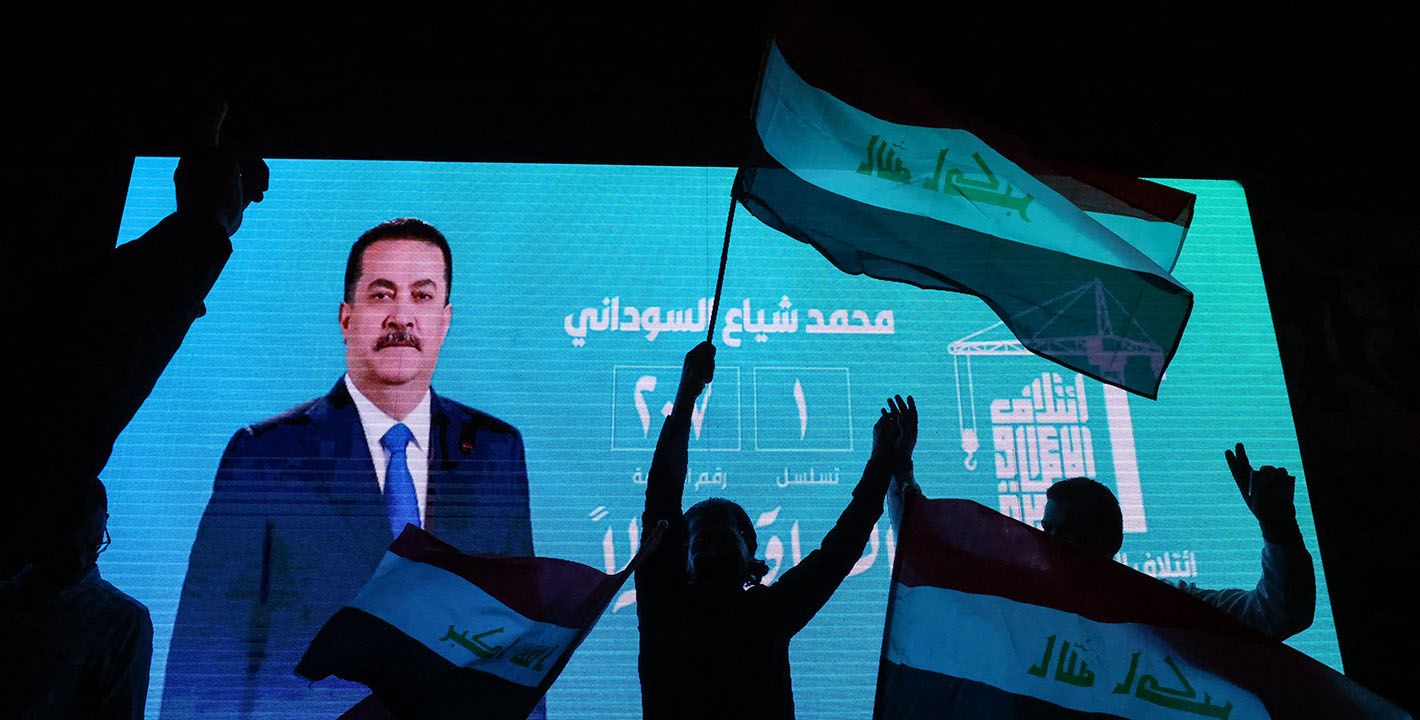
In an interview, Shahla al-Kli discusses the country’s parliamentary elections and what they reveal.
Rayyan Al-Shawaf
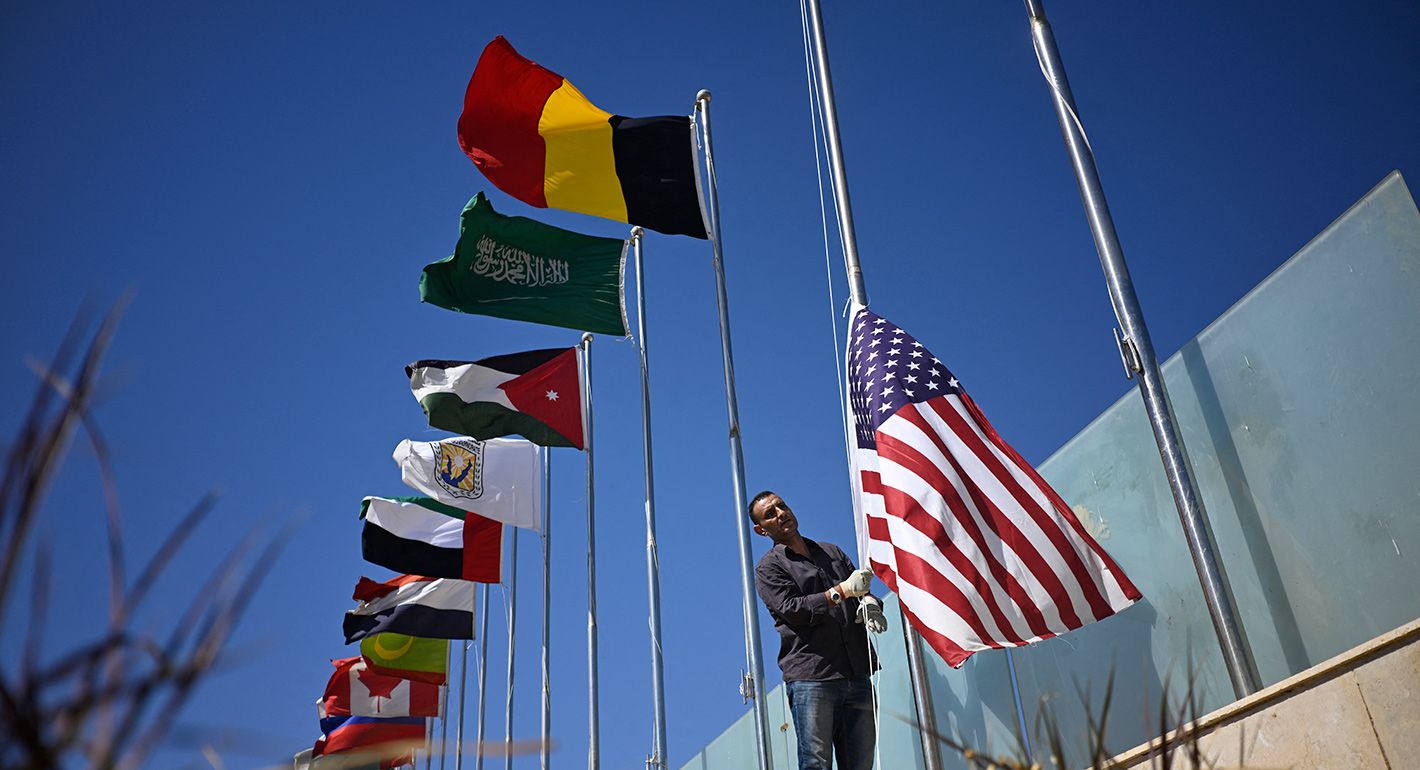
The countries of the region have engaged in sustained competition that has tested their capacities and limitations, while resisting domination by rivals. Can a more stable order emerge from this maelstrom, and what would it require?


Hamza Meddeb, Mohamed Ali Adraoui
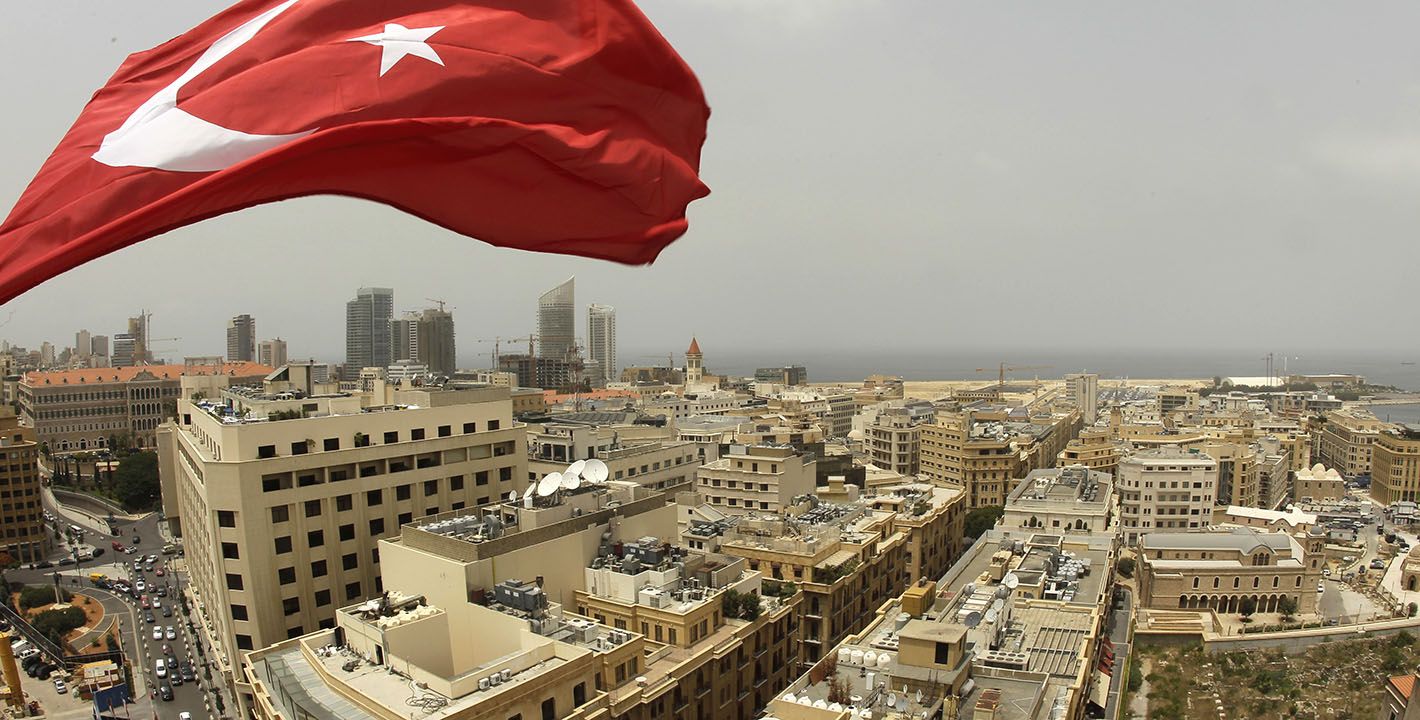
Ankara may seek to annul a maritime deal with Cyprus and expand its influence in the next parliament.
Mohanad Hage Ali