

Commentary
Israeli-Lebanese talks have stalled, and the reason is that the United States and Israel want to impose normalization.
Michael Young
{
  "authors": [
    "Brett McGurk"
  ],
  "type": "legacyinthemedia",
  "centerAffiliationAll": "",
  "centers": [
    "Carnegie Endowment for International Peace"
  ],
  "collections": [],
  "englishNewsletterAll": "",
  "nonEnglishNewsletterAll": "",
  "primaryCenter": "Carnegie Endowment for International Peace",
  "programAffiliation": "",
  "programs": [],
  "projects": [],
  "regions": [],
  "topics": []
}
The Trump White House runs a foreign policy with irreconcilable objectives, no internal coherence, and no pretense of gaming out critical decisions before they are taken.
Source: Foreign Affairs
Shortly after taking office, U.S. President Dwight D. Eisenhower gathered senior advisers in the White House solarium to discuss policy toward the Soviet Union. In attendance was his hawkish secretary of state, John Foster Dulles, who had been a vocal critic of Harry Truman’s policy of containment and instead advocated an offensive policy whereby the United States would seek to “roll back” Soviet influence across Europe and Asia.
Afternoon light from the southern exposure would have contrasted with the darkening mood inside the White House. Diplomacy to end the Korean War was deadlocked. The United States was entering a nuclear arms race with the Soviet Union. Joseph Stalin was dead, but Eisenhower’s calls for dialogue with Moscow had gone unanswered. Defense spending seemed unsustainable.
Carnegie does not take institutional positions on public policy issues; the views represented herein are those of the author(s) and do not necessarily reflect the views of Carnegie, its staff, or its trustees.
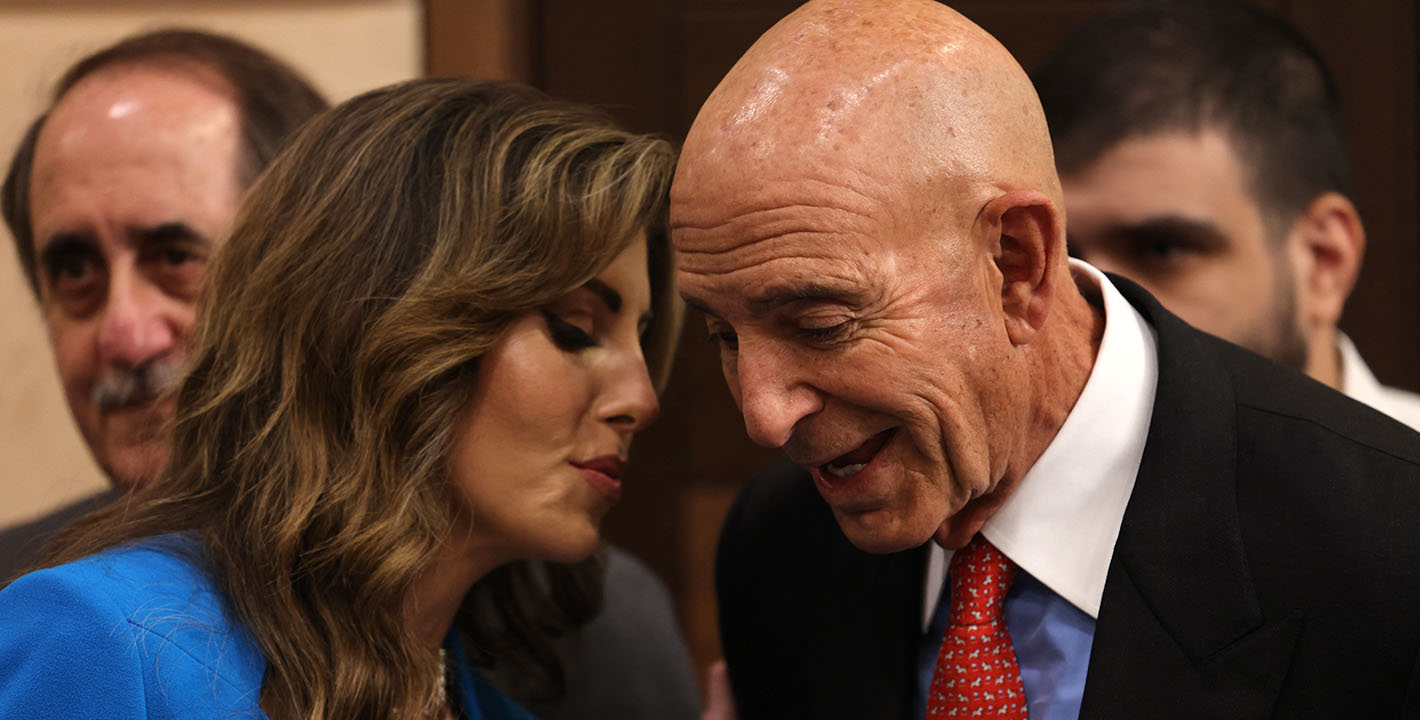
Israeli-Lebanese talks have stalled, and the reason is that the United States and Israel want to impose normalization.
Michael Young
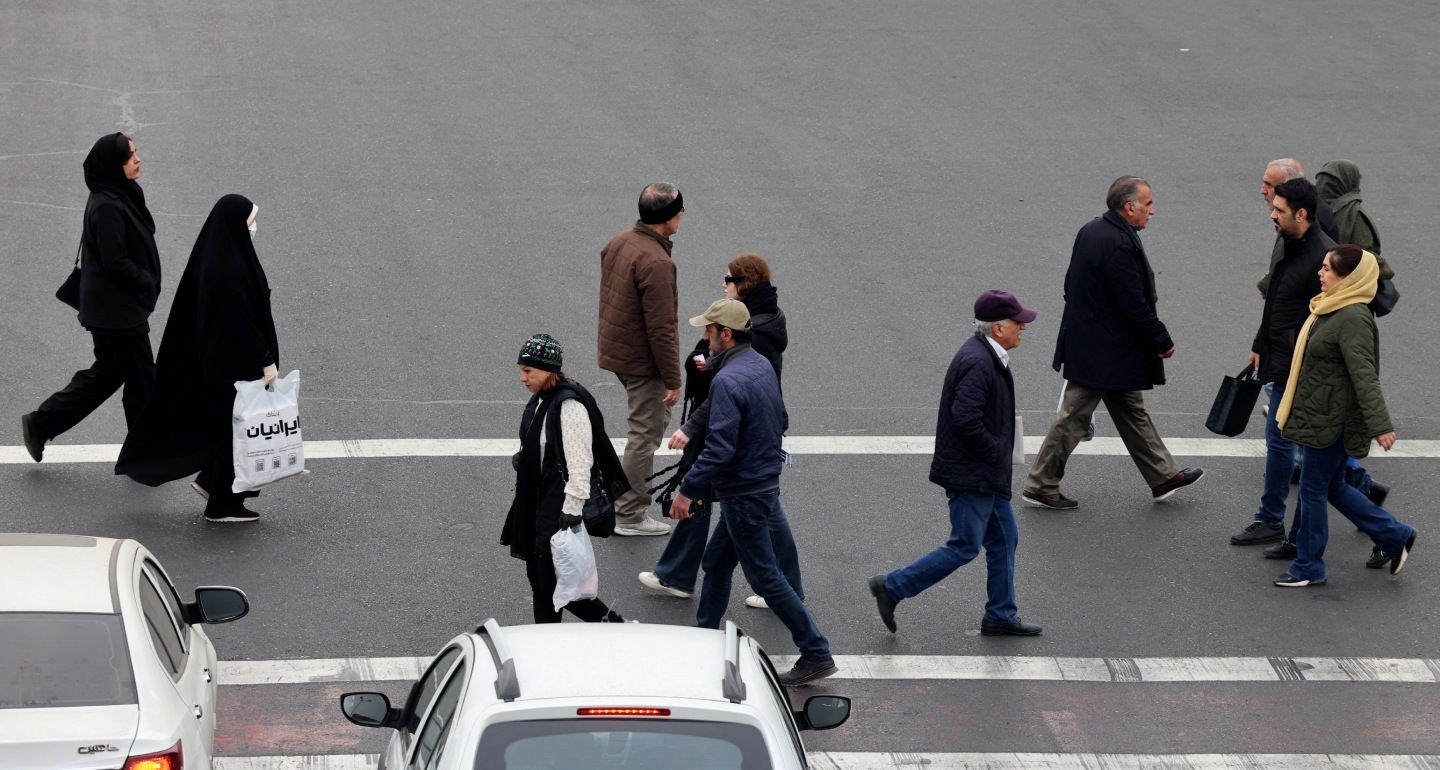
Baku may allow radical nationalists to publicly discuss “reunification” with Azeri Iranians, but the president and key officials prefer not to comment publicly on the protests in Iran.

Bashir Kitachaev
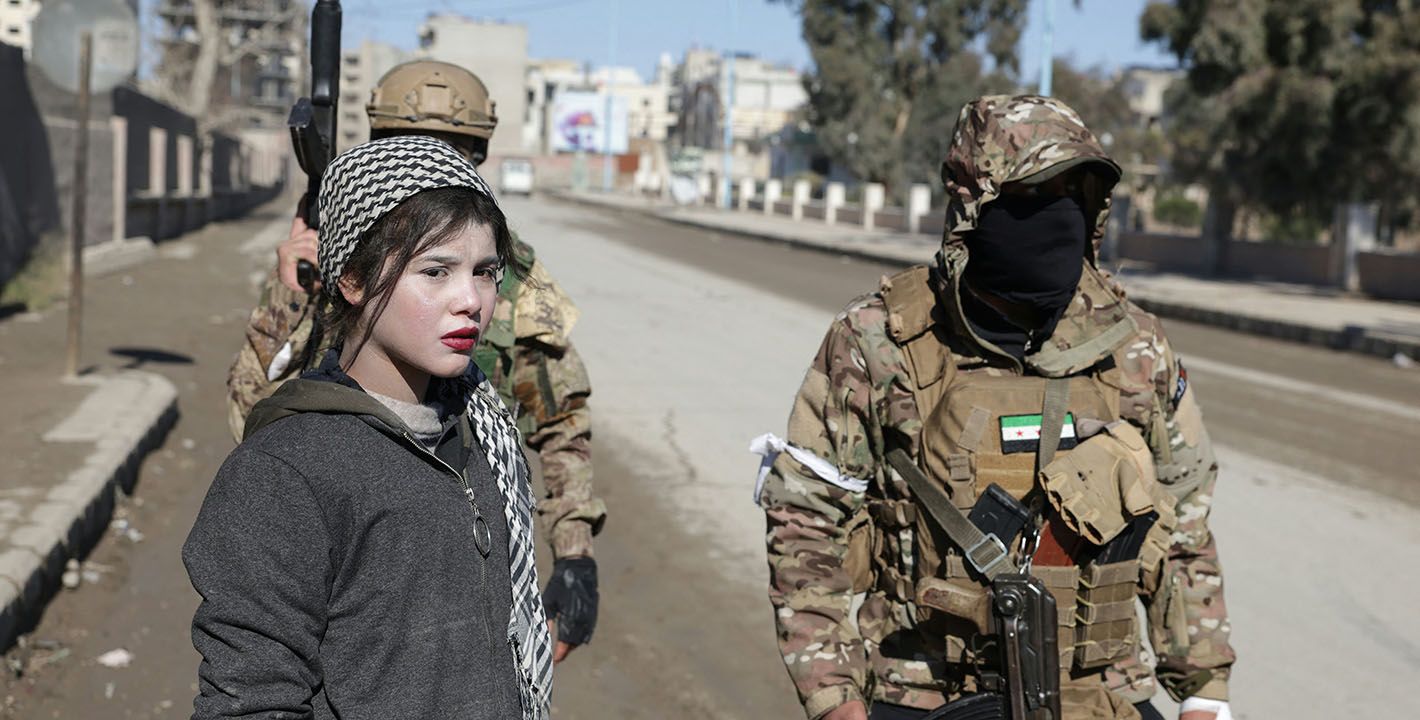
The government’s gains in the northwest will have an echo nationally, but will they alter Israeli calculations?
Armenak Tokmajyan
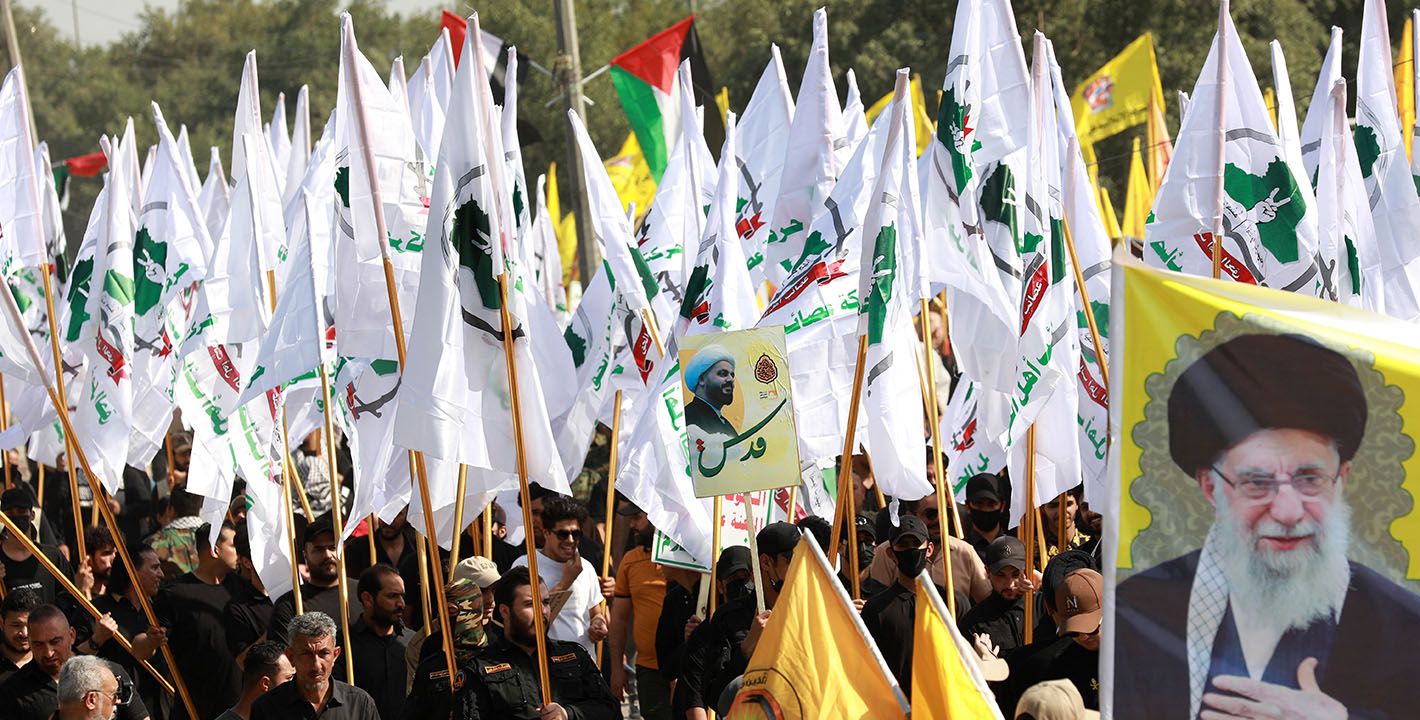
Beirut and Baghdad are both watching how the other seeks to give the state a monopoly of weapons.
Hasan Hamra
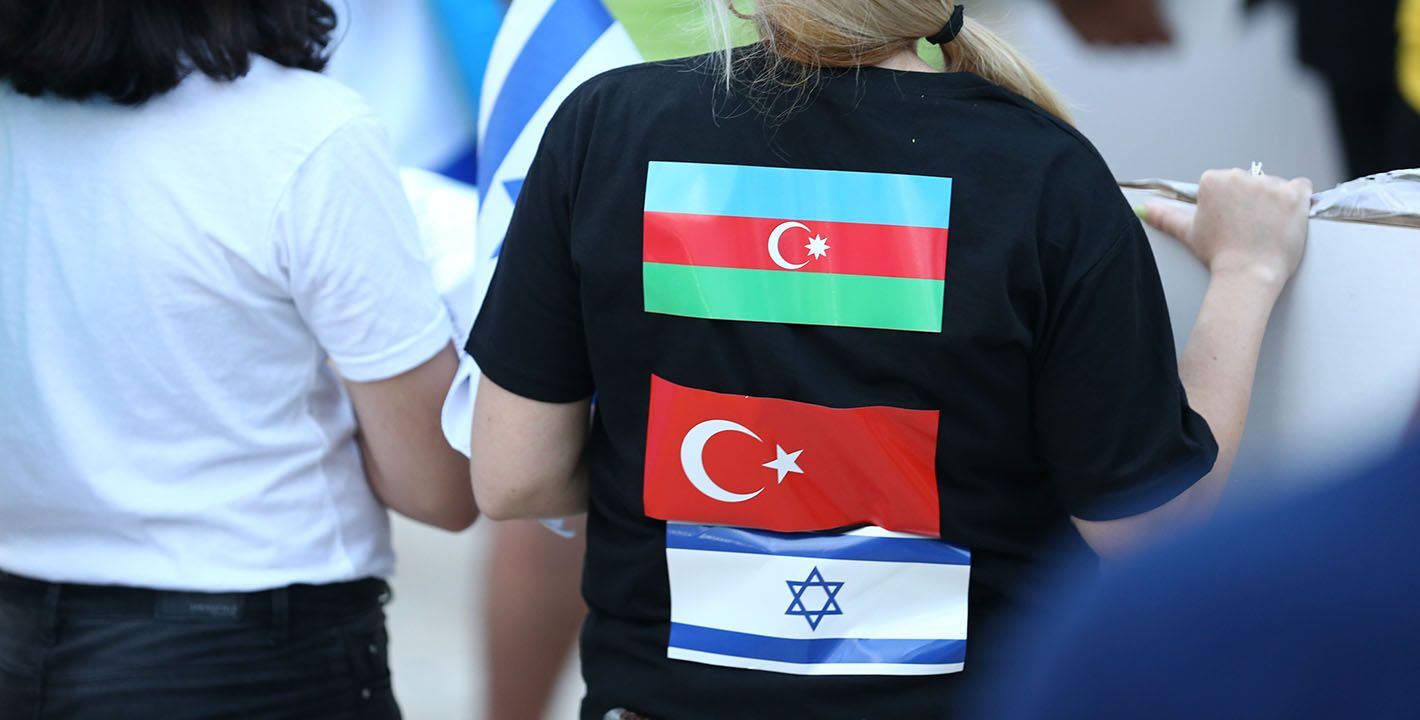
The country’s leadership is increasingly uneasy about multiple challenges from the Levant to the South Caucasus.
Armenak Tokmajyan