

Commentary
Baku may allow radical nationalists to publicly discuss “reunification” with Azeri Iranians, but the president and key officials prefer not to comment publicly on the protests in Iran.
Bashir Kitachaev
{
  "authors": [
    "Sarah Yerkes"
  ],
  "type": "legacyinthemedia",
  "centerAffiliationAll": "",
  "centers": [
    "Carnegie Endowment for International Peace",
    "Malcolm H. Kerr Carnegie Middle East Center"
  ],
  "collections": [],
  "englishNewsletterAll": "",
  "nonEnglishNewsletterAll": "",
  "primaryCenter": "Carnegie Endowment for International Peace",
  "programAffiliation": "",
  "programs": [
    "Middle East"
  ],
  "projects": [
    "Tunisia Monitor"
  ],
  "regions": [
    "North Africa",
    "Tunisia",
    "Maghreb"
  ],
  "topics": [
    "Political Reform",
    "Foreign Policy"
  ]
}
The current parliament is the most fractured in Tunisia’s history, with no party holding even one-quarter of the seats.
Source: World Politics Review
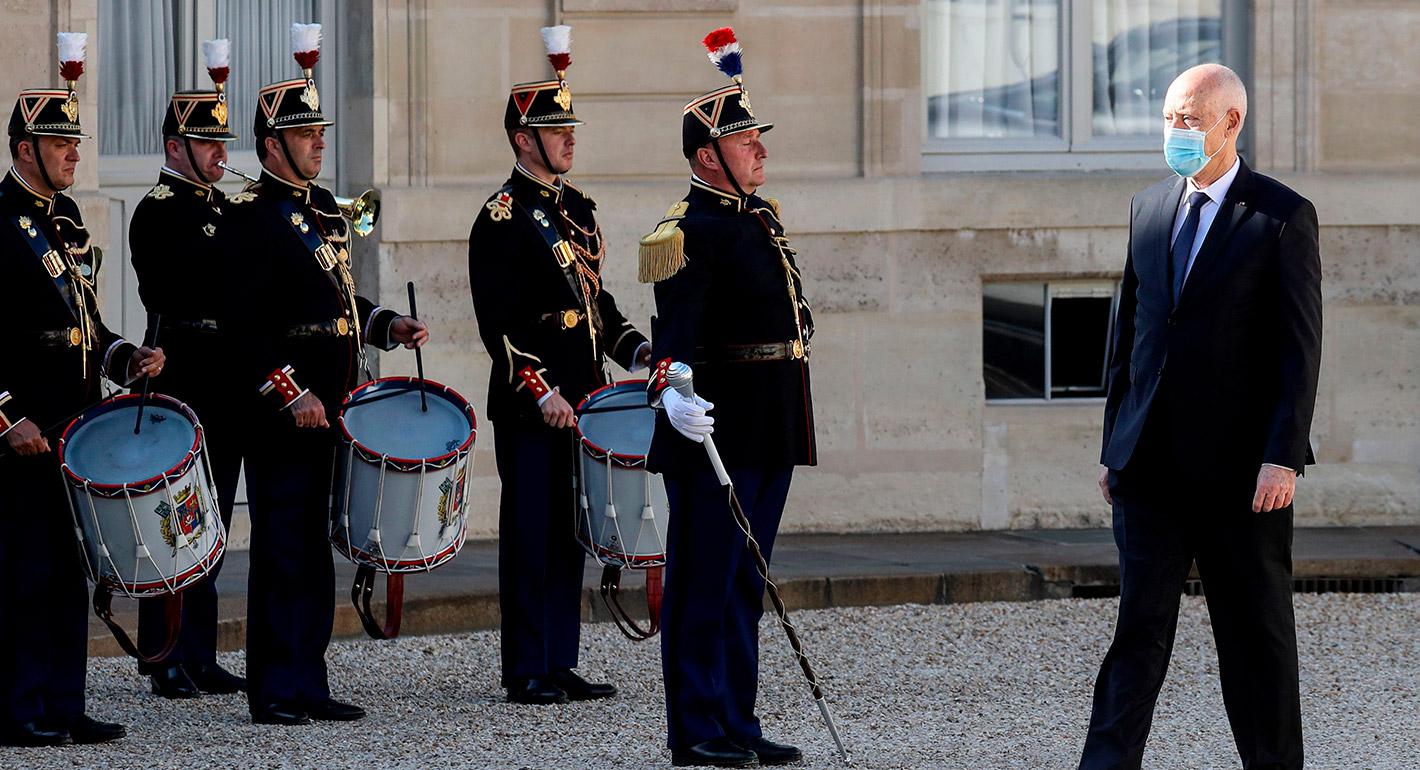
Following the resignation of Elyes Fakhfakh as prime minister of Tunisia in mid-July, amid corruption allegations and after just five months in office, President Kais Saied designated one of his own advisers, Hichem Mechichi, as the new prime minister. Mechichi has until Aug. 25 to form a government that can win parliamentary approval. Should he fail, Saied has the constitutional right to call for new elections—an arduous task, particularly as Tunisia struggles with a deepening economic crisis and a spike in COVID-19 cases triggered by reopening the country’s borders in late June.
Before he even takes office, Mechichi faces several hurdles, the biggest of which is cobbling together a government that simultaneously appeases enough of Tunisia’s political parties to be approved by parliament, but does not appear too partisan or vest too much power in any one group. This is a particular challenge given that the current parliament is the most fractured in Tunisia’s history, with no party holding even one-quarter of the seats.
This article was originally published by World Politics Review.
Carnegie does not take institutional positions on public policy issues; the views represented herein are those of the author(s) and do not necessarily reflect the views of Carnegie, its staff, or its trustees.
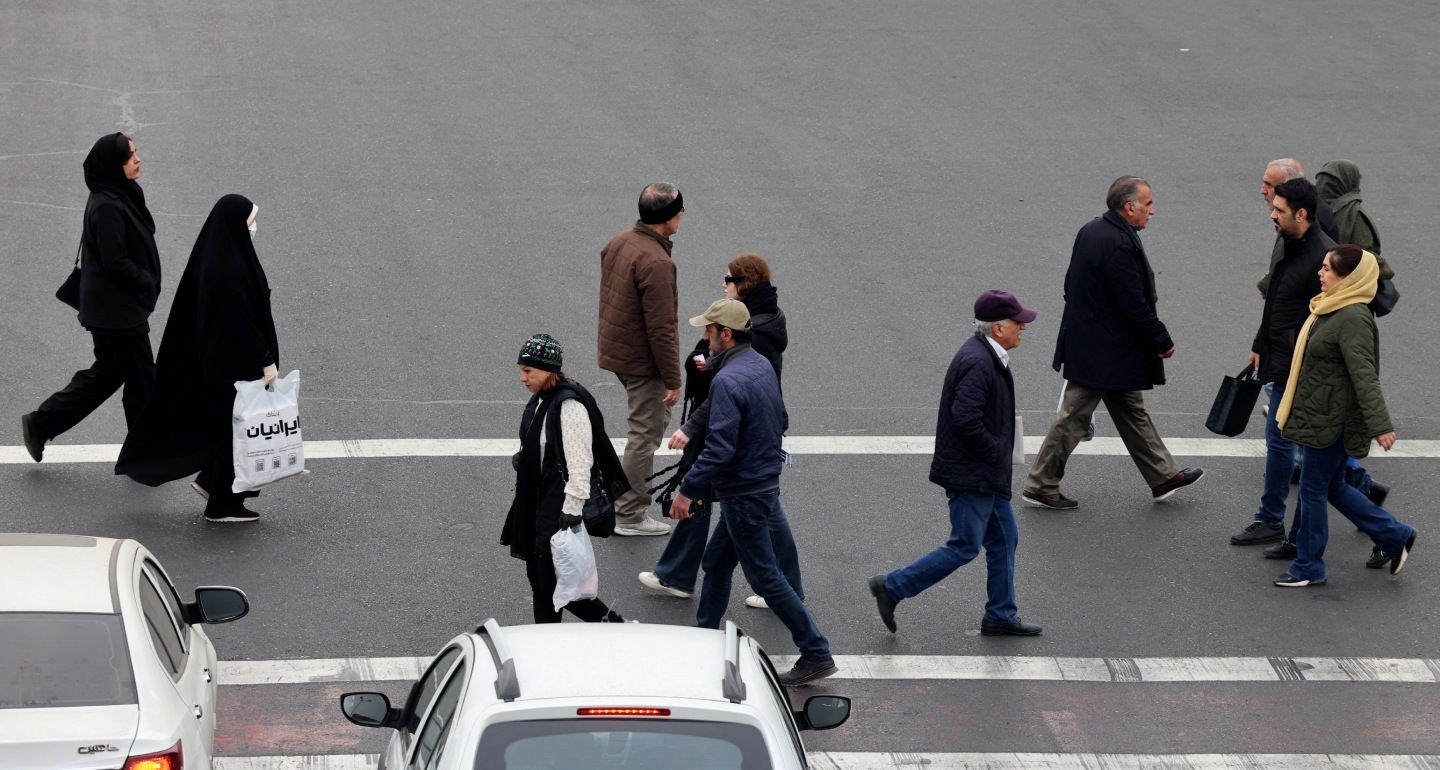
Baku may allow radical nationalists to publicly discuss “reunification” with Azeri Iranians, but the president and key officials prefer not to comment publicly on the protests in Iran.

Bashir Kitachaev
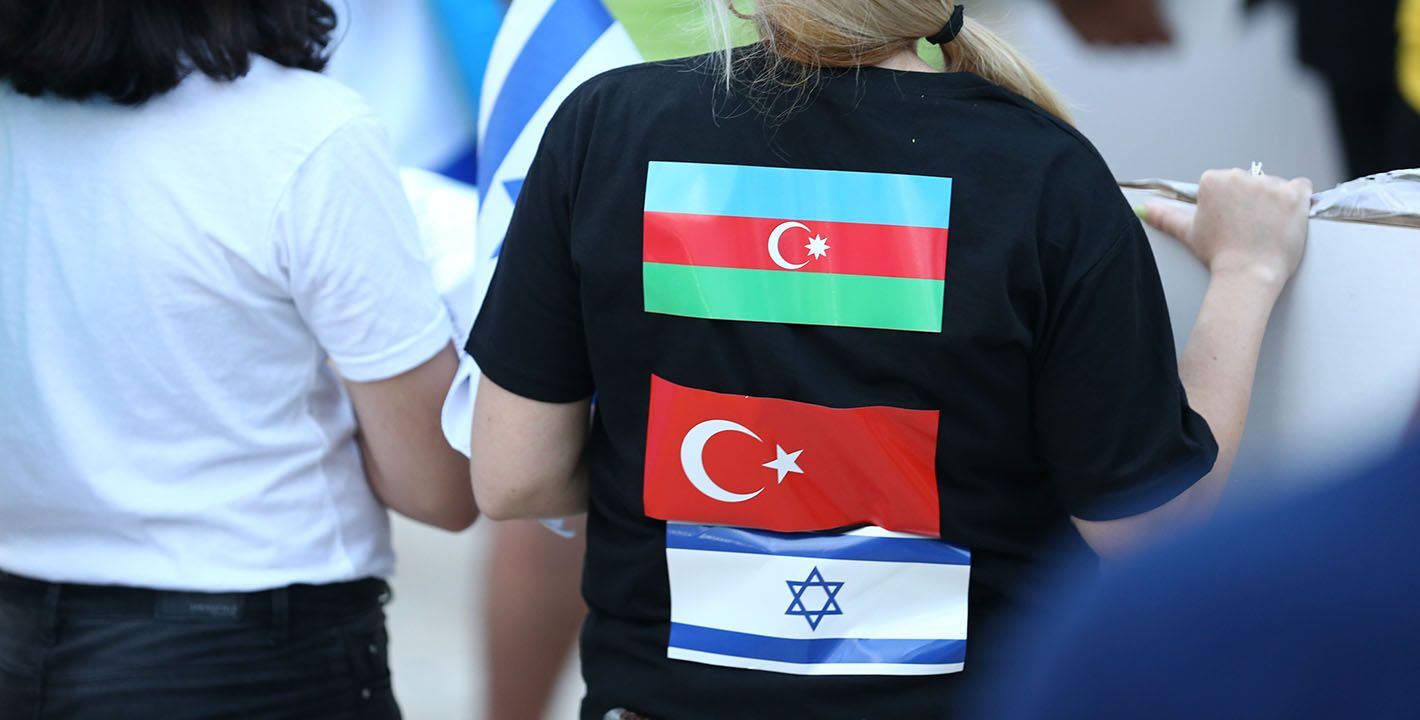
The country’s leadership is increasingly uneasy about multiple challenges from the Levant to the South Caucasus.
Armenak Tokmajyan
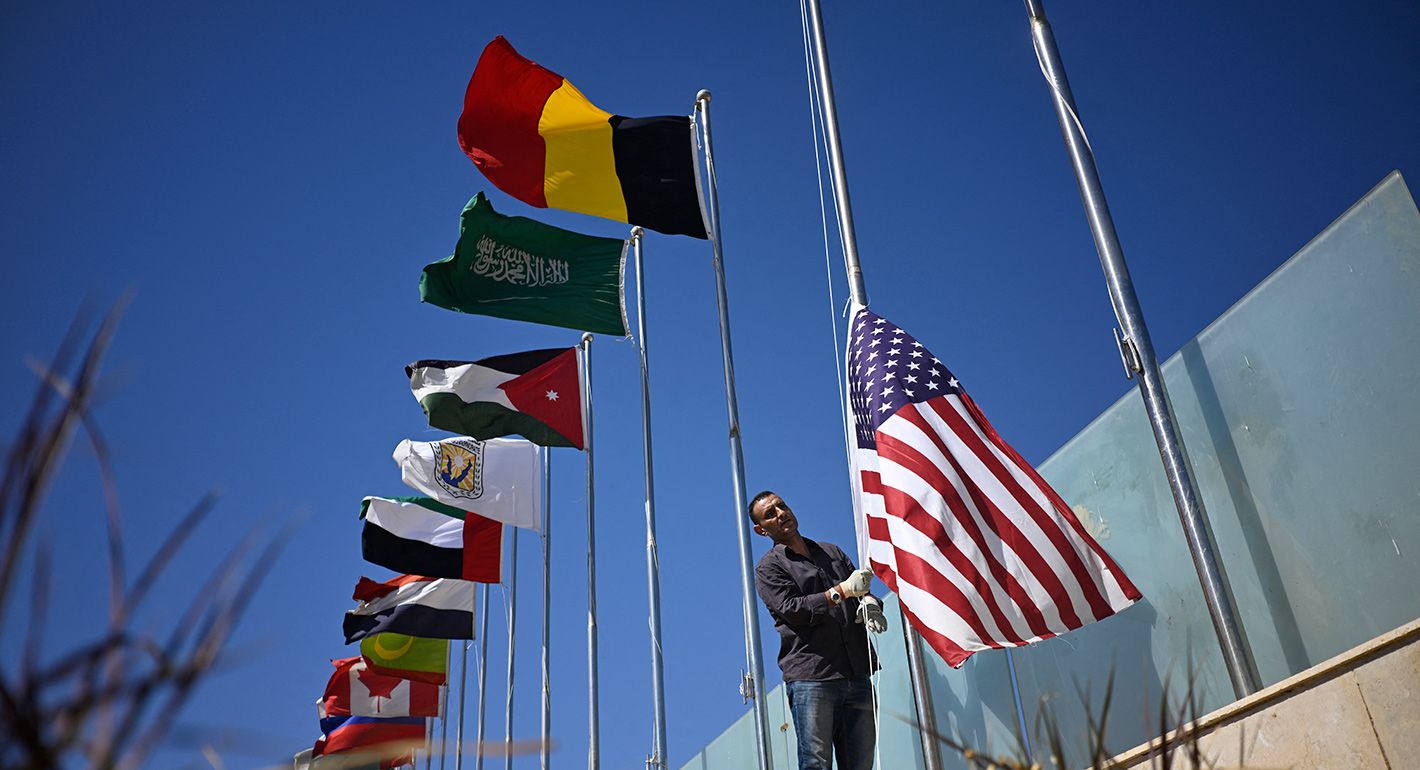
The countries of the region have engaged in sustained competition that has tested their capacities and limitations, while resisting domination by rivals. Can a more stable order emerge from this maelstrom, and what would it require?
Hamza Meddeb, Mohamed Ali Adraoui
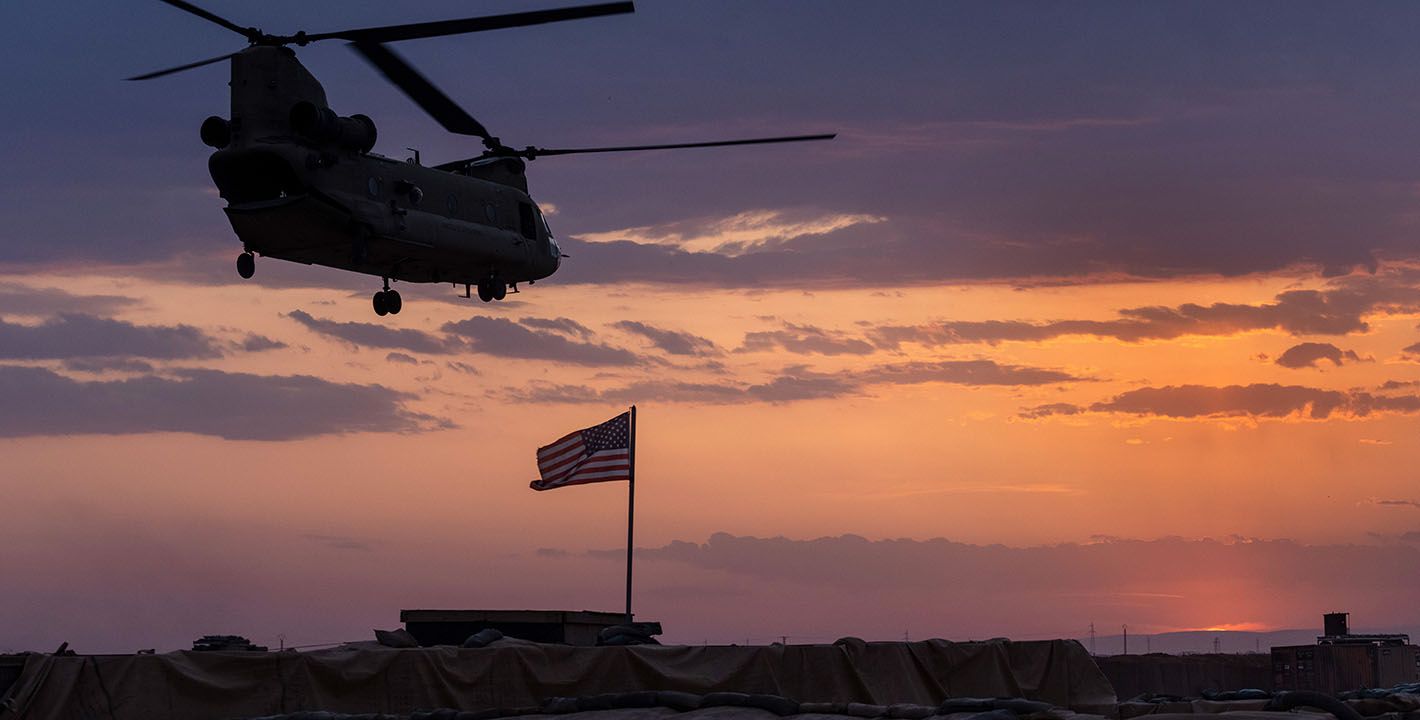
As Washington reduces its presence in the country, the success of its withdrawal and continued containment of the Islamic State will hinge on adopting an approach of flexible oversight built around three priorities, as well as balancing Turkish and Israeli red lines.
Kheder Khaddour, Issam Kayssi
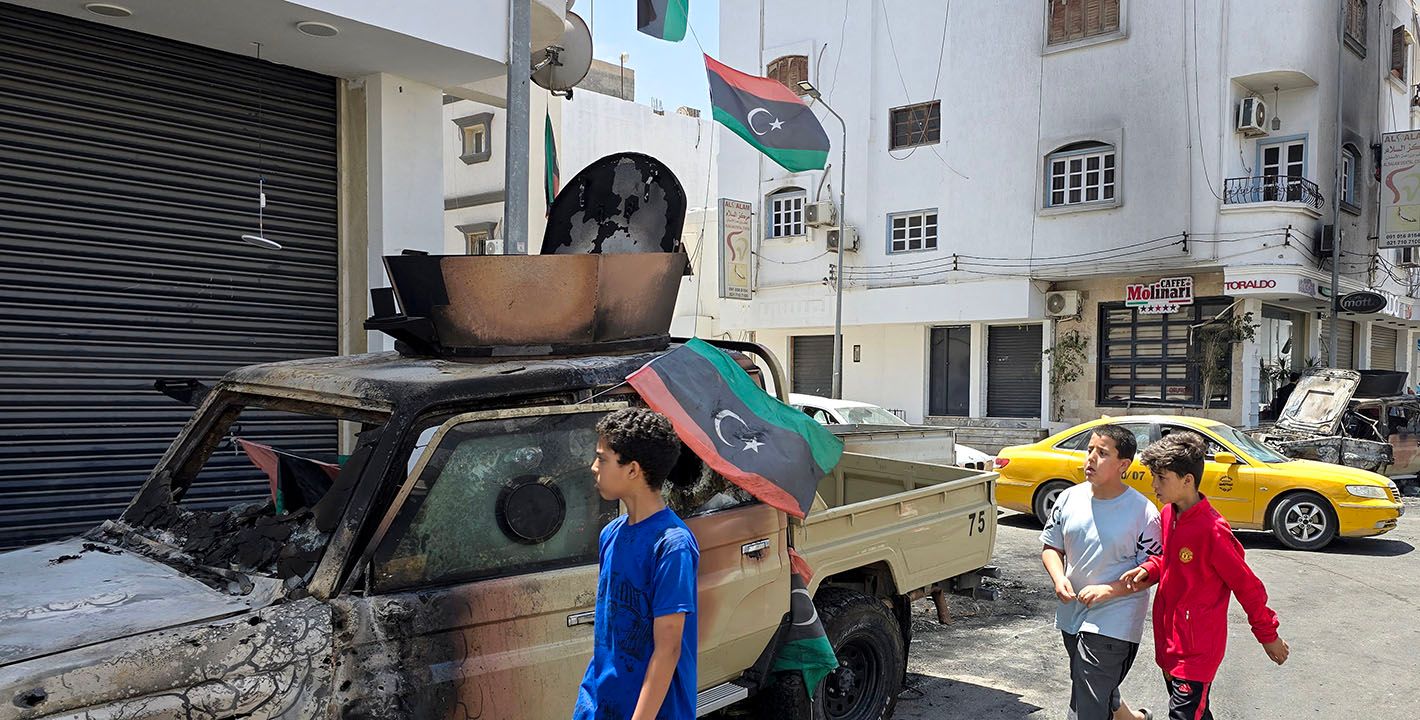
The UN Support Mission in the country should reassess its approach so that consensus between the warring parties becomes the eventual goal, rather than a procedural matter that dogs the negotiating process at every turn.
Soraya Rahem