

Commentary
A recent offensive by Damascus and the Kurds’ abandonment by Arab allies have left a sense of betrayal.
Wladimir van Wilgenburg
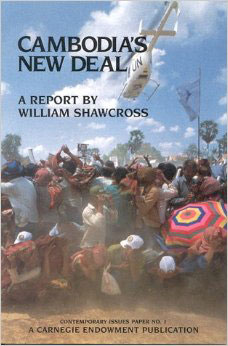
In a study sponsored by the Carnegie Endowment, William Shawcross, author of two previous books on Cambodia, details the steps leading to Cambodia's new coalition government; paints an intimate portrait of the national scene; and offers his own deeply knowledgeable perspective on the problems that a new Cambodia must face if it is to fully restore itself to national life.
Source: Washington, DC: Carnegie Endowment for International Peace, 1994
In May 1993, after two decades of civil war, the people of Cambodia boldly embraced peace as nearly 90 percent of registered voters cast ballots in a U.N.-sponsored election. In a study sponsored by the Carnegie Endowment, William Shawcross, author of two previous books on Cambodia (Sideshow: Kissinger, Nixon and the Destruction of Cambodia and The Quality of Mercy: Cambodia, Holocaust and Modern Conscience), details the steps leading to Cambodia's new coalition government; paints an intimate portrait of the national scene; and offers his own deeply knowledgeable perspective on the problems that a new Cambodia must face if it is to fully restore itself to national life.
Carnegie does not take institutional positions on public policy issues; the views represented herein are those of the author(s) and do not necessarily reflect the views of Carnegie, its staff, or its trustees.
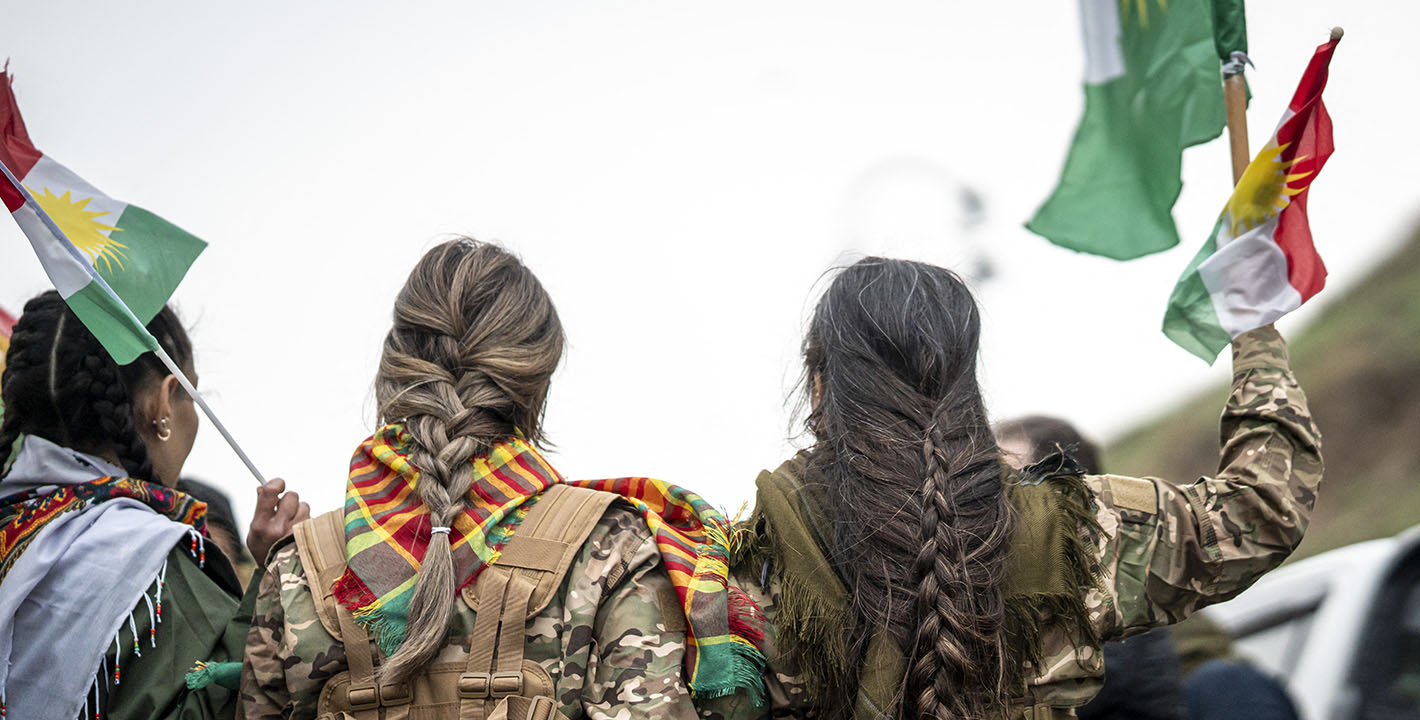
A recent offensive by Damascus and the Kurds’ abandonment by Arab allies have left a sense of betrayal.
Wladimir van Wilgenburg
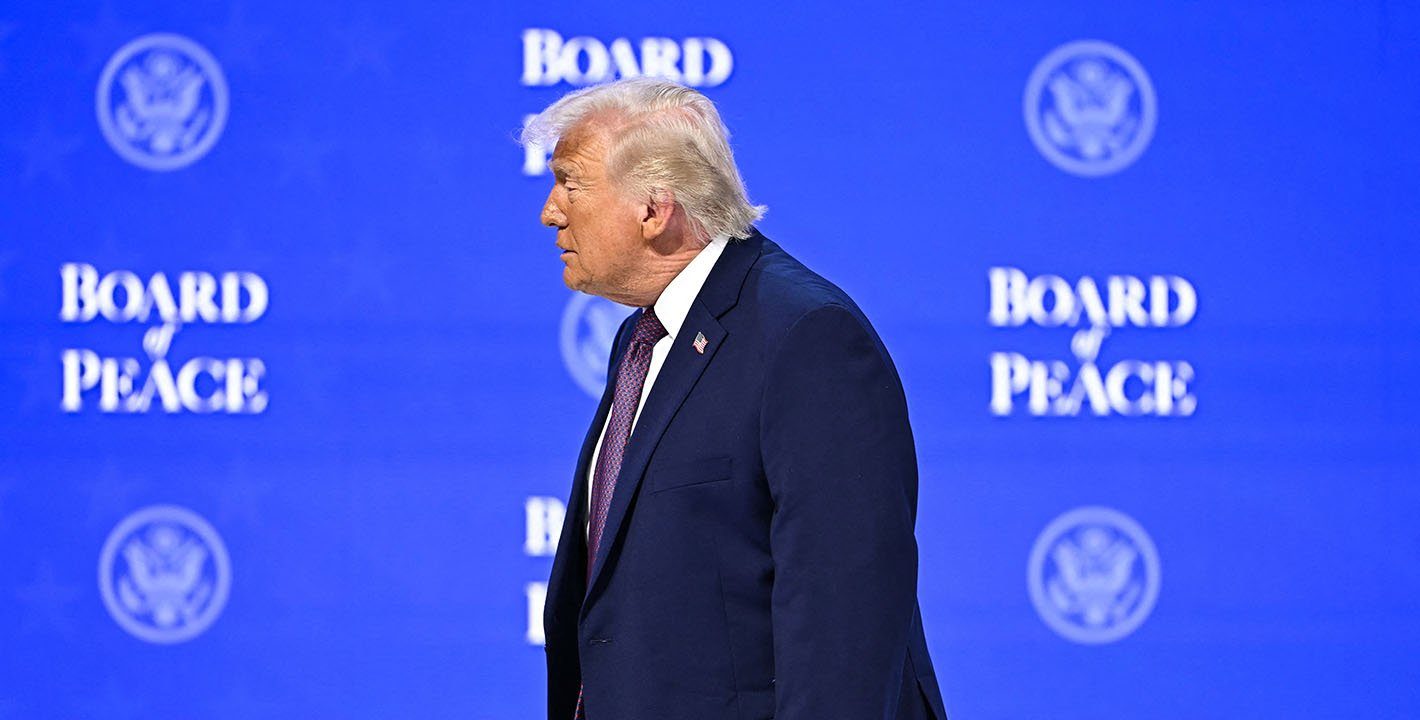
Implementing Phase 2 of Trump’s plan for the territory only makes sense if all in Phase 1 is implemented.
Yezid Sayigh

Fifteen years after the Arab uprisings, a new generation is mobilizing behind an inclusive growth model, and has the technical savvy to lead an economic transformation that works for all.
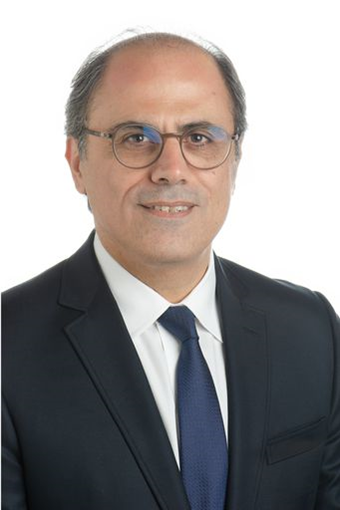
Jihad Azour
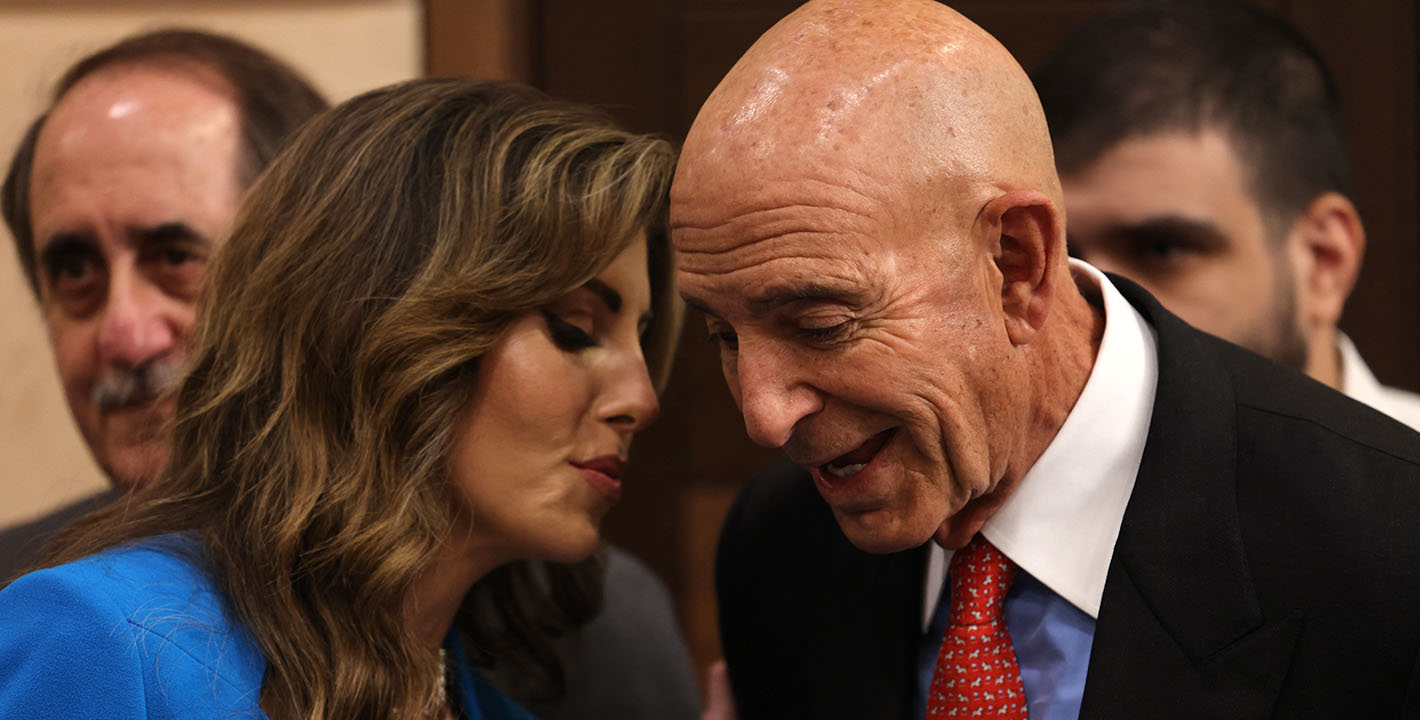
Israeli-Lebanese talks have stalled, and the reason is that the United States and Israel want to impose normalization.
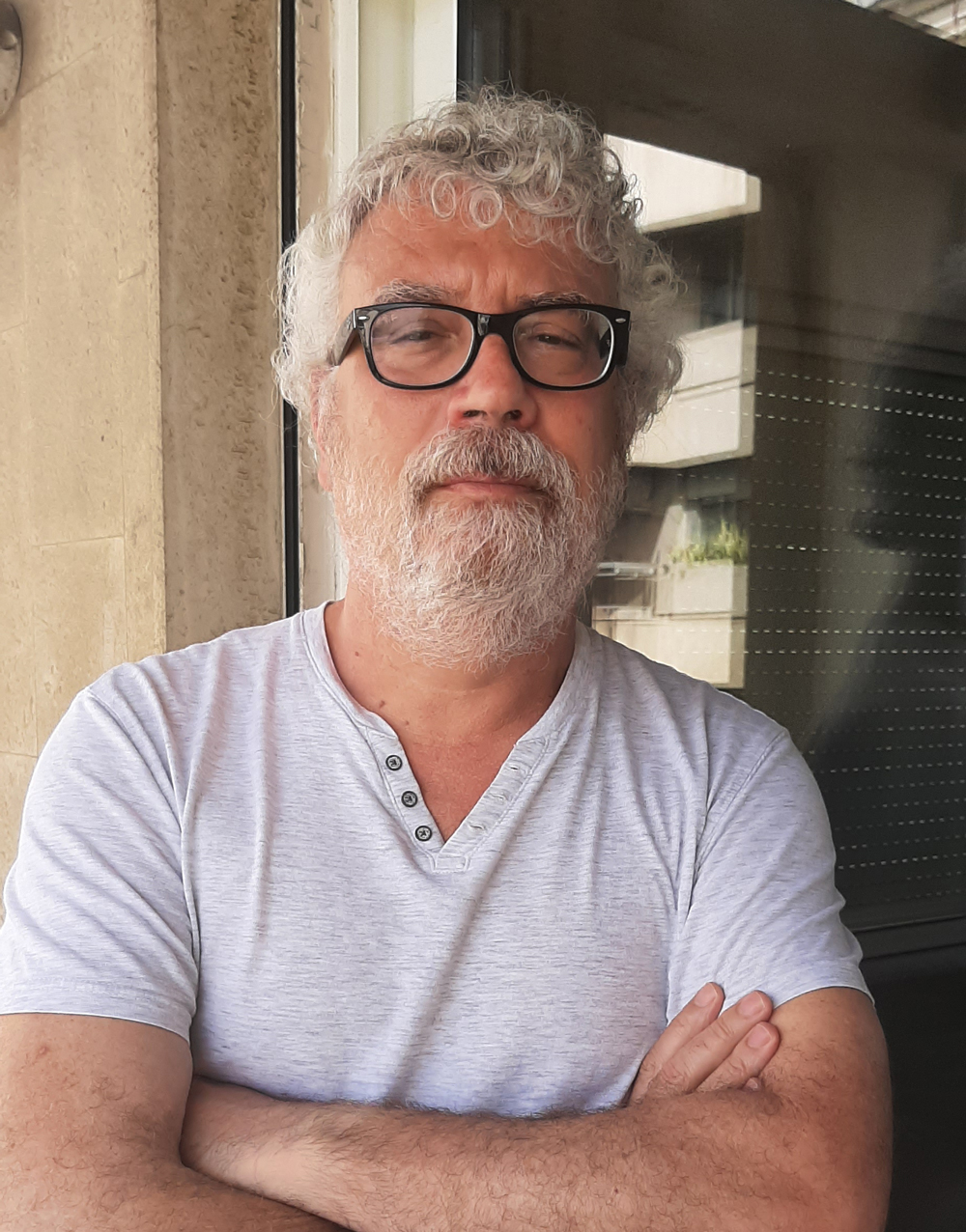
Michael Young
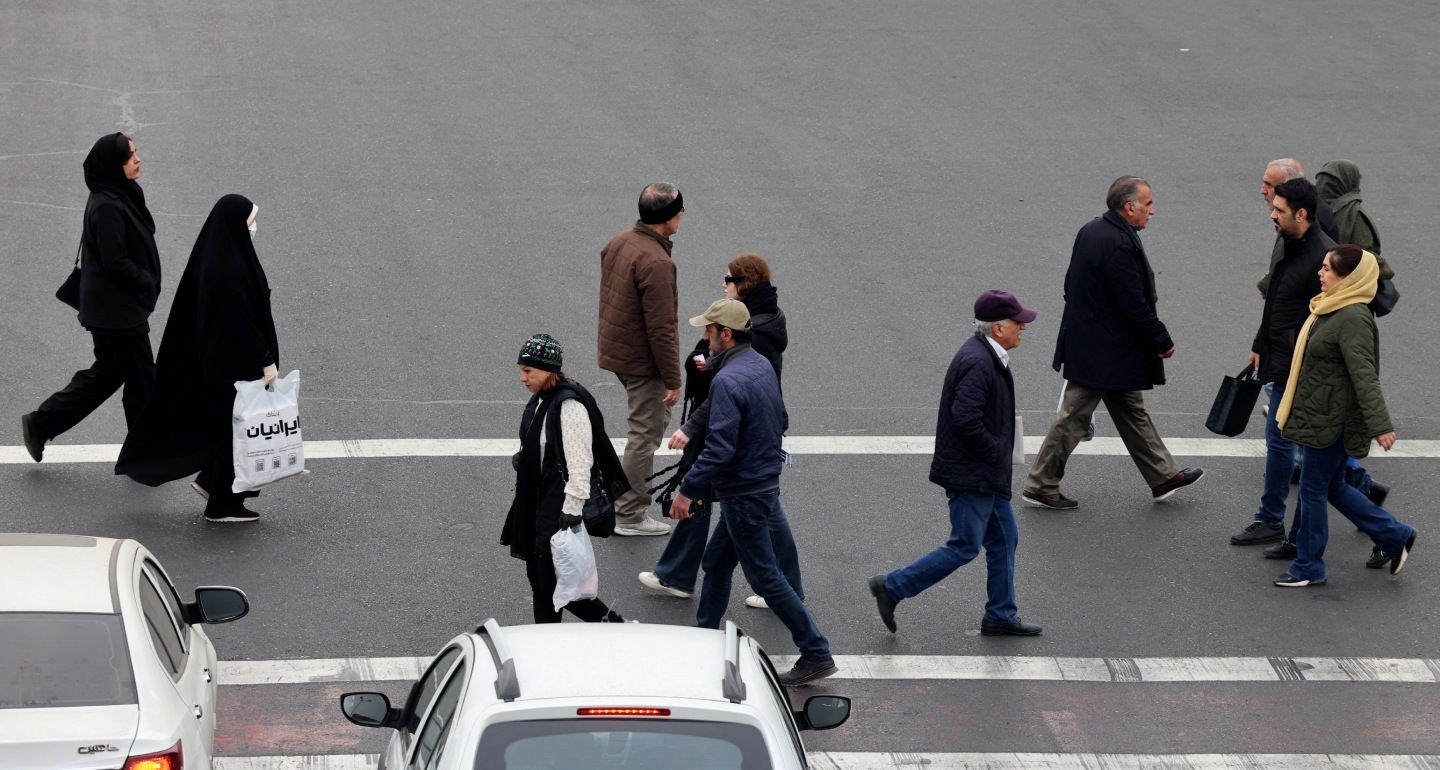
Baku may allow radical nationalists to publicly discuss “reunification” with Azeri Iranians, but the president and key officials prefer not to comment publicly on the protests in Iran.
Bashir Kitachaev