

Commentary
Baku may allow radical nationalists to publicly discuss “reunification” with Azeri Iranians, but the president and key officials prefer not to comment publicly on the protests in Iran.
Bashir Kitachaev
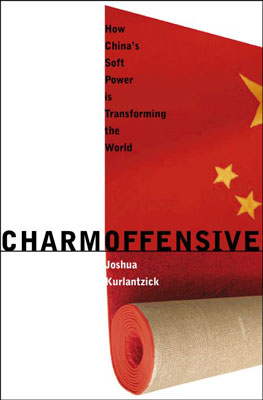
At the beginning of the twenty-first century, China is poised to become a major global power. And though much has been written of China’s rise, a crucial aspect of this transformation has gone largely unnoticed: the way that China is using soft power to appeal to its neighbors and to distant countries alike.
Source: Yale University Press

This book is the first to examine the significance of China’s recent reliance on soft power—diplomacy, trade incentives, cultural and educational exchange opportunities, and other techniques—to project a benign national image, position itself as a model of social and economic success, and develop stronger international alliances. Drawing on years of experience tracking China’s policies in Southeast Asia, Latin America, and Africa, Joshua Kurlantzick reveals how China has wooed the world with a "charm offensive" that has largely escaped the attention of American policy makers.
Beijing’s new diplomacy has altered the political landscape in Southeast Asia and far beyond, changing the dynamics of China’s relationships with other countries. China also has worked to take advantage of American policy mistakes, Kurlantzick contends. In a provocative conclusion, he considers a future in which China may be the first nation since the Soviet Union to rival the United States in international influence.
Nominated for the 2008 Arthur Ross Book Award.
This book is available from Yale University Press.
To order the book from Yale University Press, please click here.
Joshua Kurlantzick is special correspondent for the New Republic and visiting scholar at the Carnegie Endowment for International Peace. He has covered Southeast Asia and China as a correspondent for U.S. News and World Report and The Economist, and his writings on Asia have appeared in Foreign Affairs, the New York Times Magazine, and many other publications.
Carnegie does not take institutional positions on public policy issues; the views represented herein are those of the author(s) and do not necessarily reflect the views of Carnegie, its staff, or its trustees.
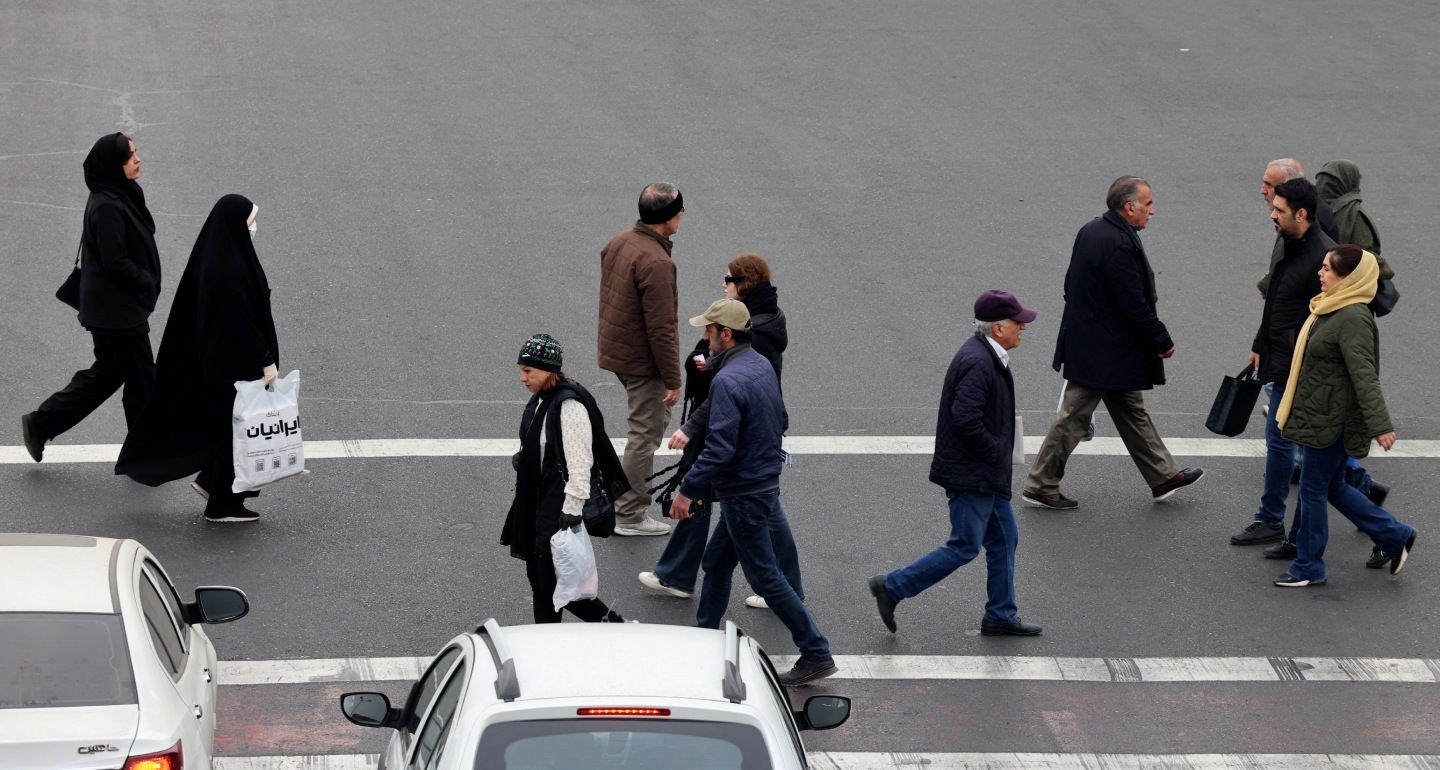
Baku may allow radical nationalists to publicly discuss “reunification” with Azeri Iranians, but the president and key officials prefer not to comment publicly on the protests in Iran.

Bashir Kitachaev
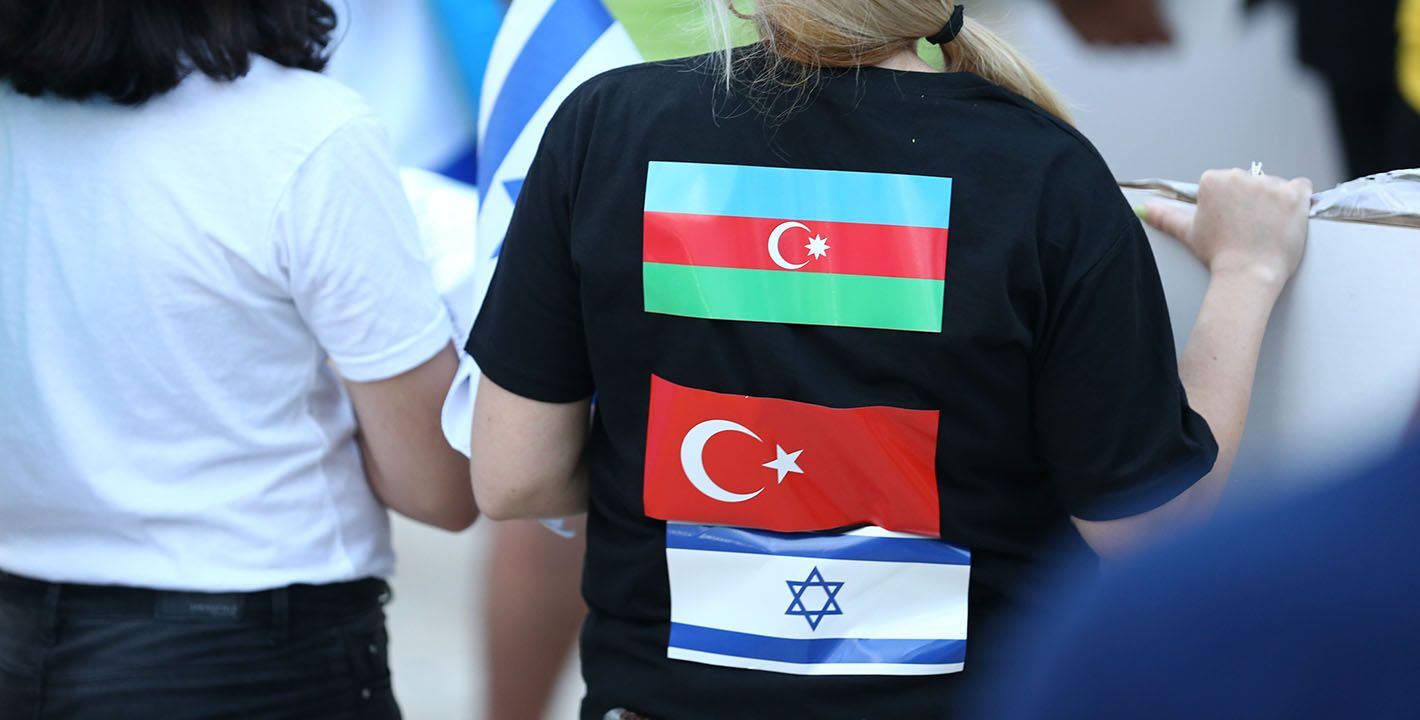
The country’s leadership is increasingly uneasy about multiple challenges from the Levant to the South Caucasus.
Armenak Tokmajyan
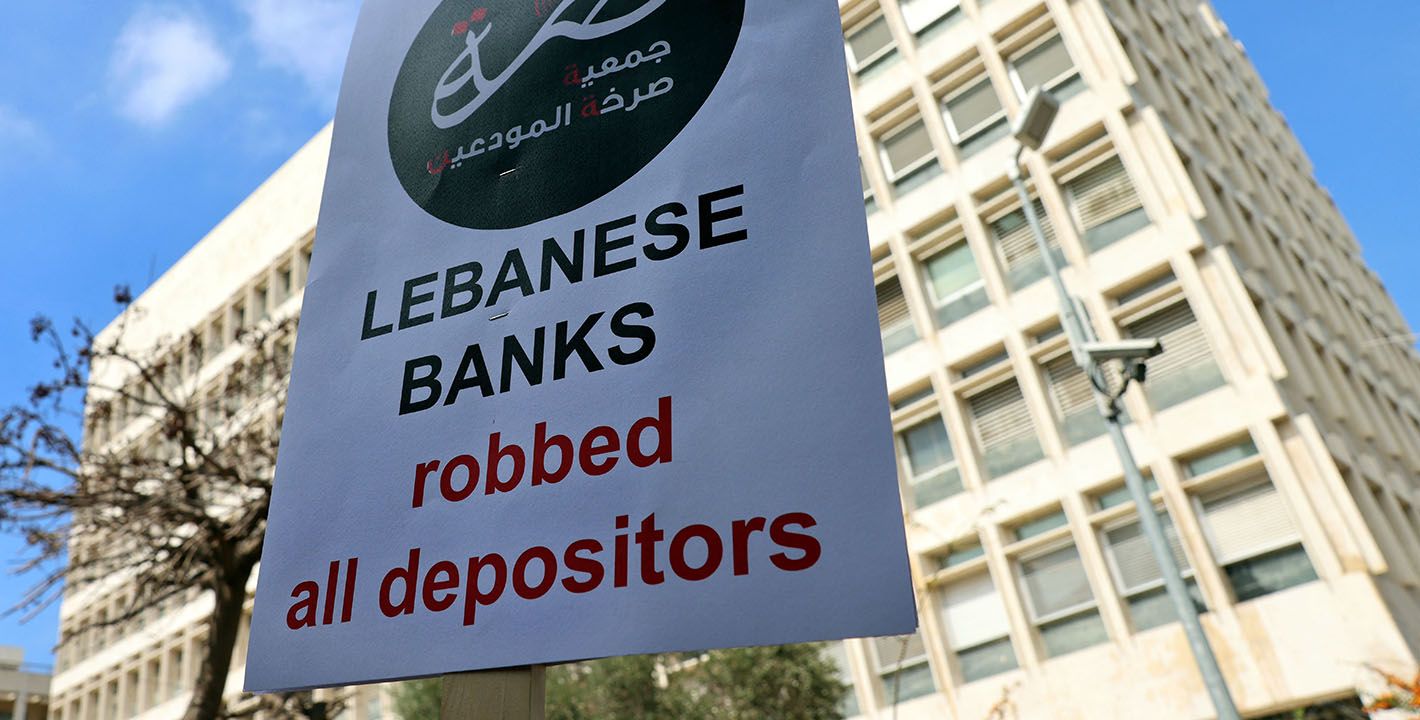
In an interview, Ishac Diwan looks at the merits and flaws in the draft legislation distributing losses from the financial collapse.

Michael Young
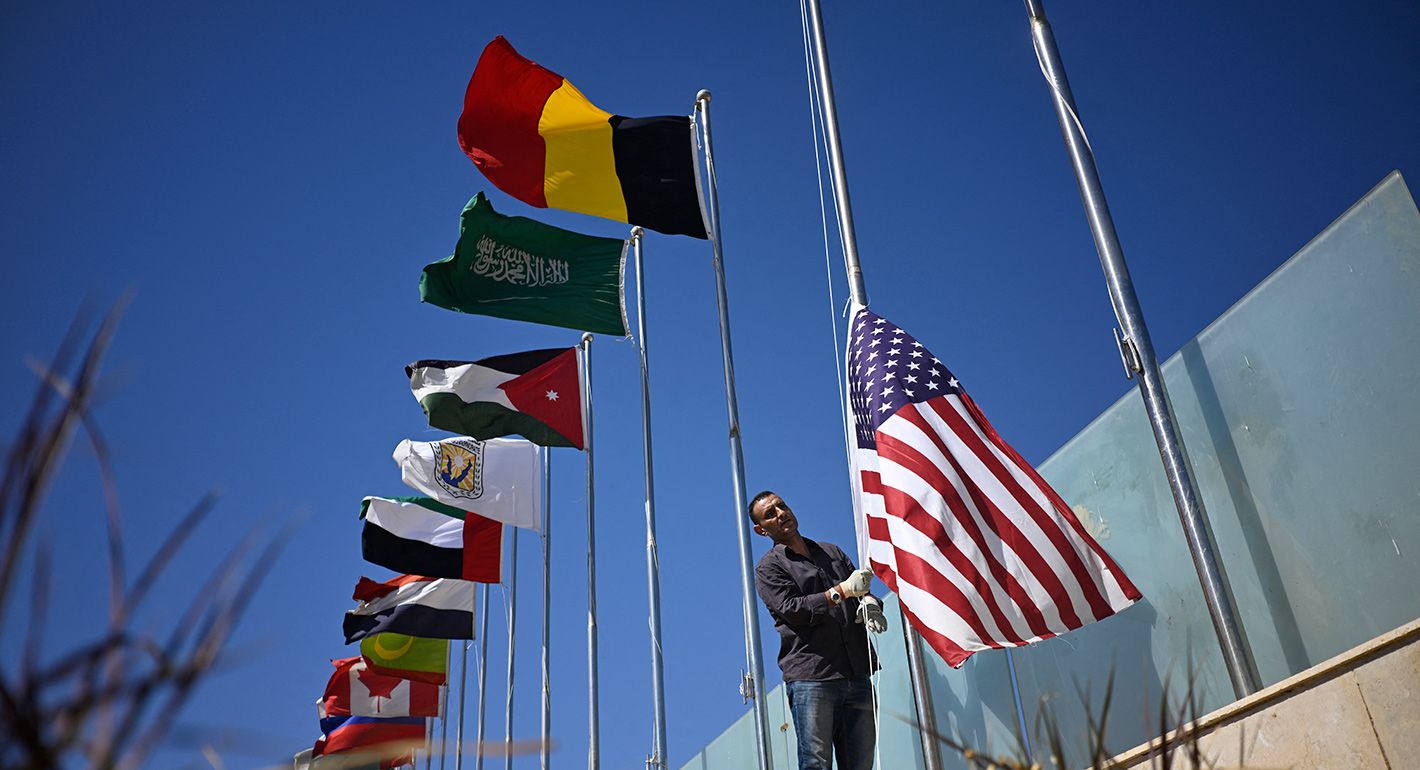
The countries of the region have engaged in sustained competition that has tested their capacities and limitations, while resisting domination by rivals. Can a more stable order emerge from this maelstrom, and what would it require?

Hamza Meddeb, Mohamed Ali Adraoui

As Washington reduces its presence in the country, the success of its withdrawal and continued containment of the Islamic State will hinge on adopting an approach of flexible oversight built around three priorities, as well as balancing Turkish and Israeli red lines.
Kheder Khaddour, Issam Kayssi