

Commentary
A coalition of states is seeking to avert a U.S. attack, and Israel is in the forefront of their mind.
Michael Young

Remarkably little attention is paid to Brazilian voices on the country’s nuclear policy. Brazilians paint a picture of an emerging power seeking nuclear independence and searching for its role in the global order.
There is no shortage of international commentary on Brazil’s nuclear policy, especially its advanced nuclear fuel cycle and nuclear submarine program. But remarkably little attention is paid to Brazilian voices on these issues. Brazilians paint a picture of an emerging power seeking nuclear independence and searching for its role in the global order.
The nuclear industry is more ambitious than the government. Industry representatives believe Brazil could industrialize uranium conversion and enrichment if the government prioritizes the effort.
The nuclear submarine program has multiple drivers. Brazil is pursuing development of a nuclear submarine to protect its coast and offshore natural resources and to stave off potential enemies approaching from the sea. Naval bureaucratic interests also drive the program. But above all, this quest reflects Brazil’s desire to bolster its international standing.
Brazil will forcefully defend its interests on the global nuclear scene. Brasília’s assertive nuclear policy is indicative of the tensions intensifying within the global nuclear order between nuclear-armed and non-nuclear-weapon states, between disarmament and nonproliferation, and between nonproliferation and peaceful uses of nuclear energy. Brasília, for the foreseeable future, will criticize the unfairness of the nuclear order while attempting to carve out a role for itself in it.
For Brazil, the nuclear order is a microcosm of the world order. Brazil sees the global nuclear order and the world order more broadly as unfair and antiquated.
Carnegie does not take institutional positions on public policy issues; the views represented herein are those of the author(s) and do not necessarily reflect the views of Carnegie, its staff, or its trustees.
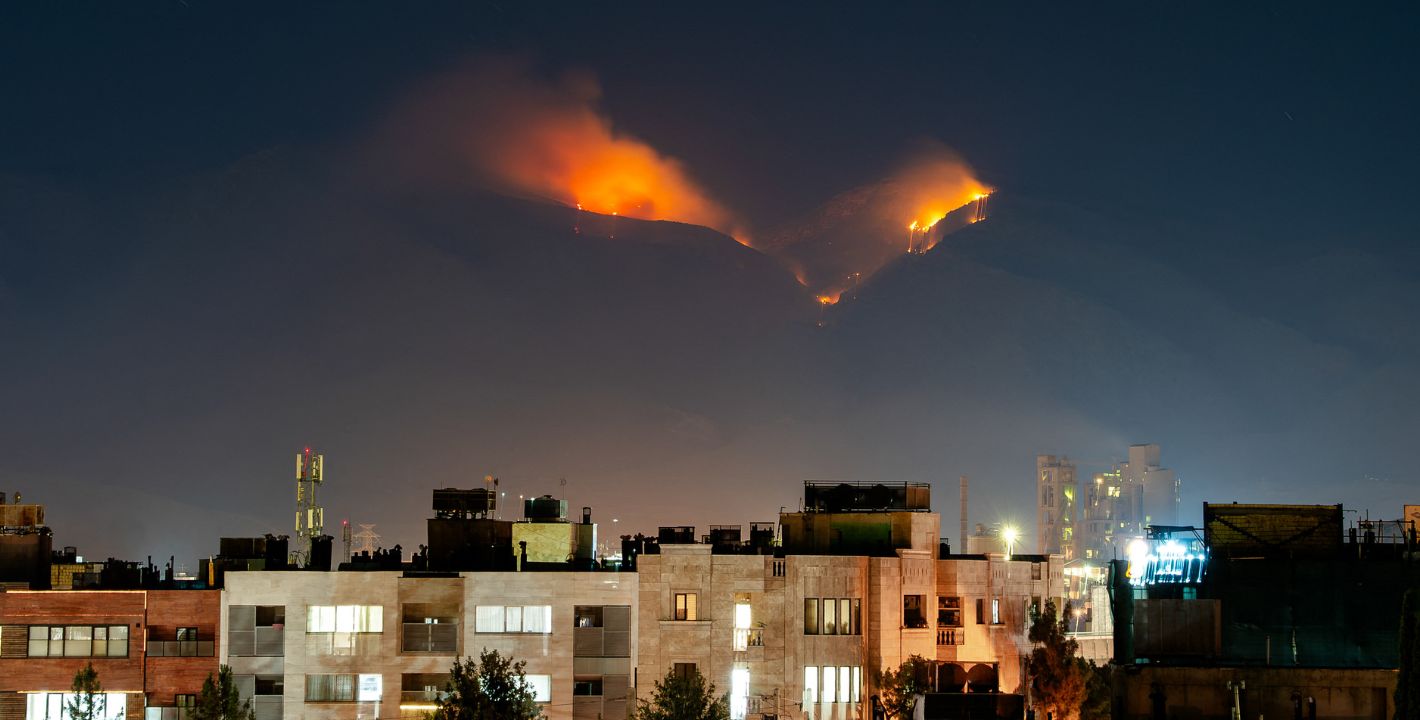
A coalition of states is seeking to avert a U.S. attack, and Israel is in the forefront of their mind.

Michael Young
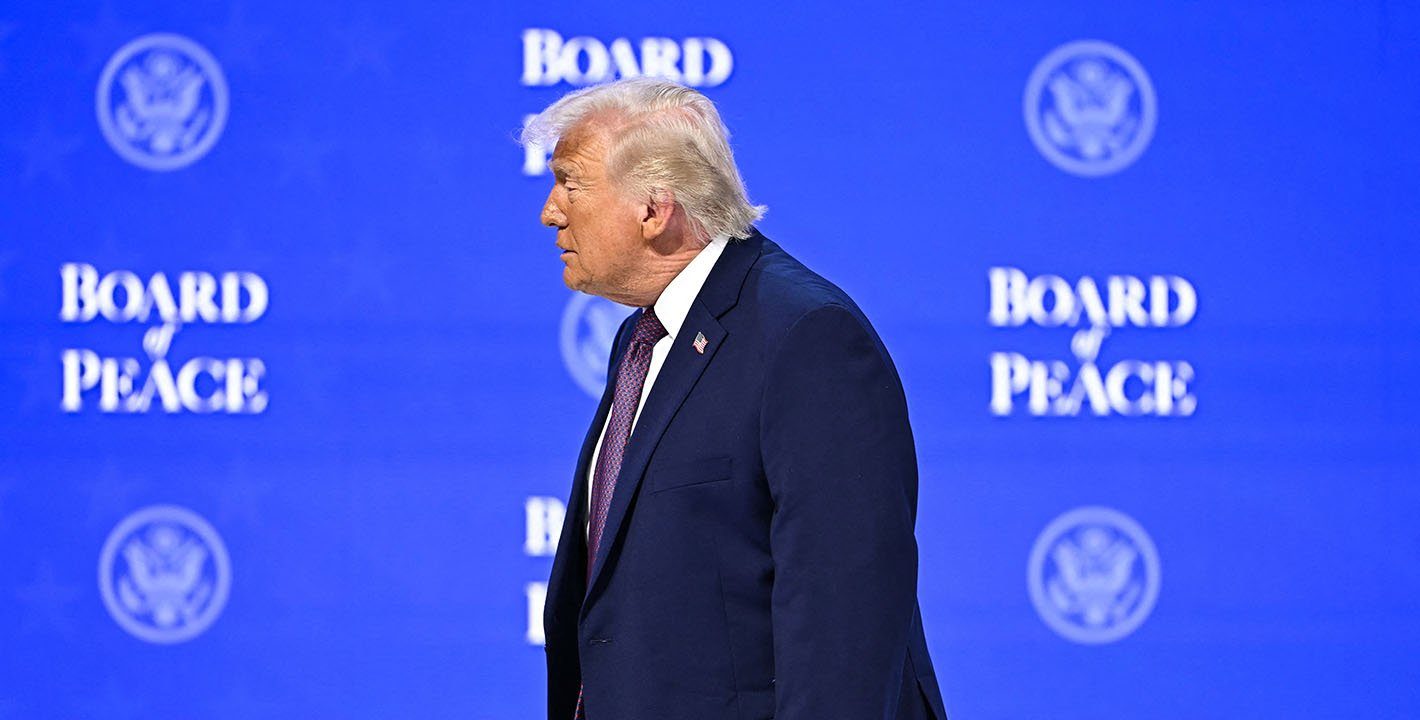
Implementing Phase 2 of Trump’s plan for the territory only makes sense if all in Phase 1 is implemented.

Yezid Sayigh
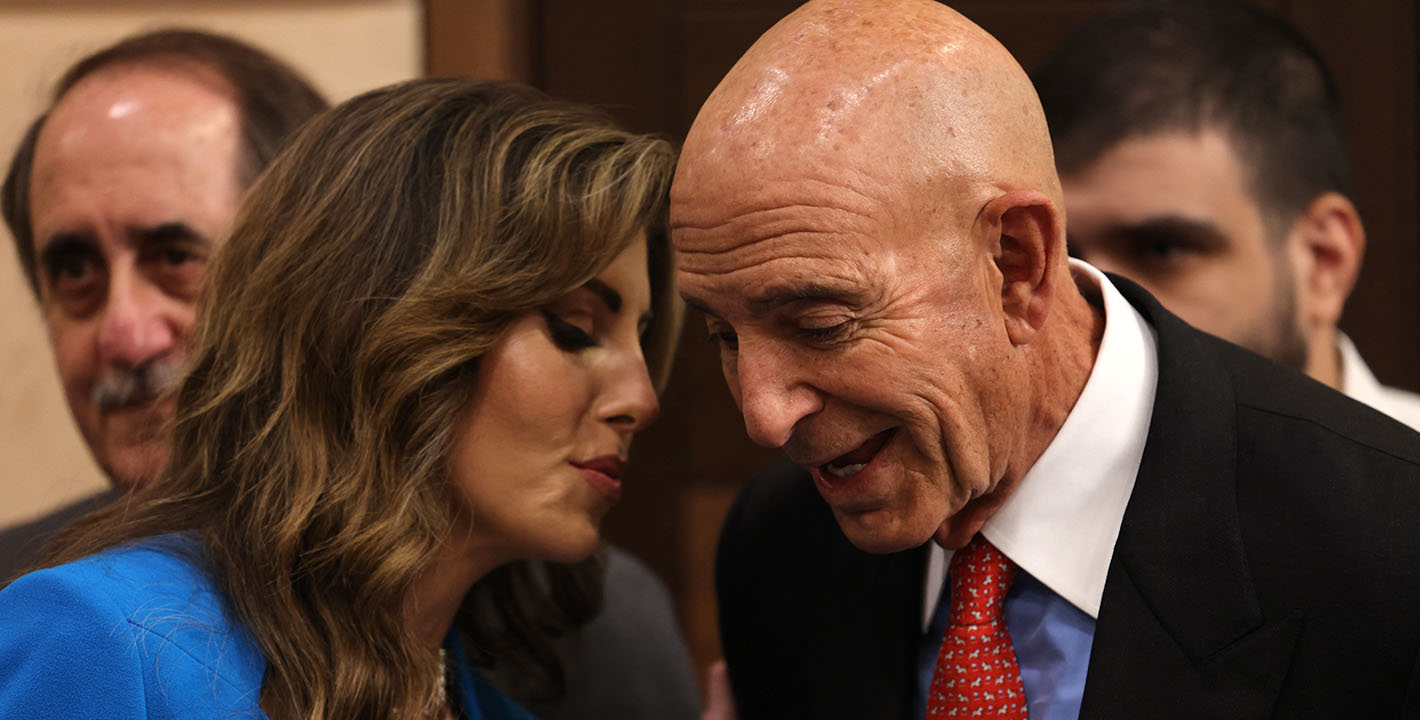
Israeli-Lebanese talks have stalled, and the reason is that the United States and Israel want to impose normalization.
Michael Young

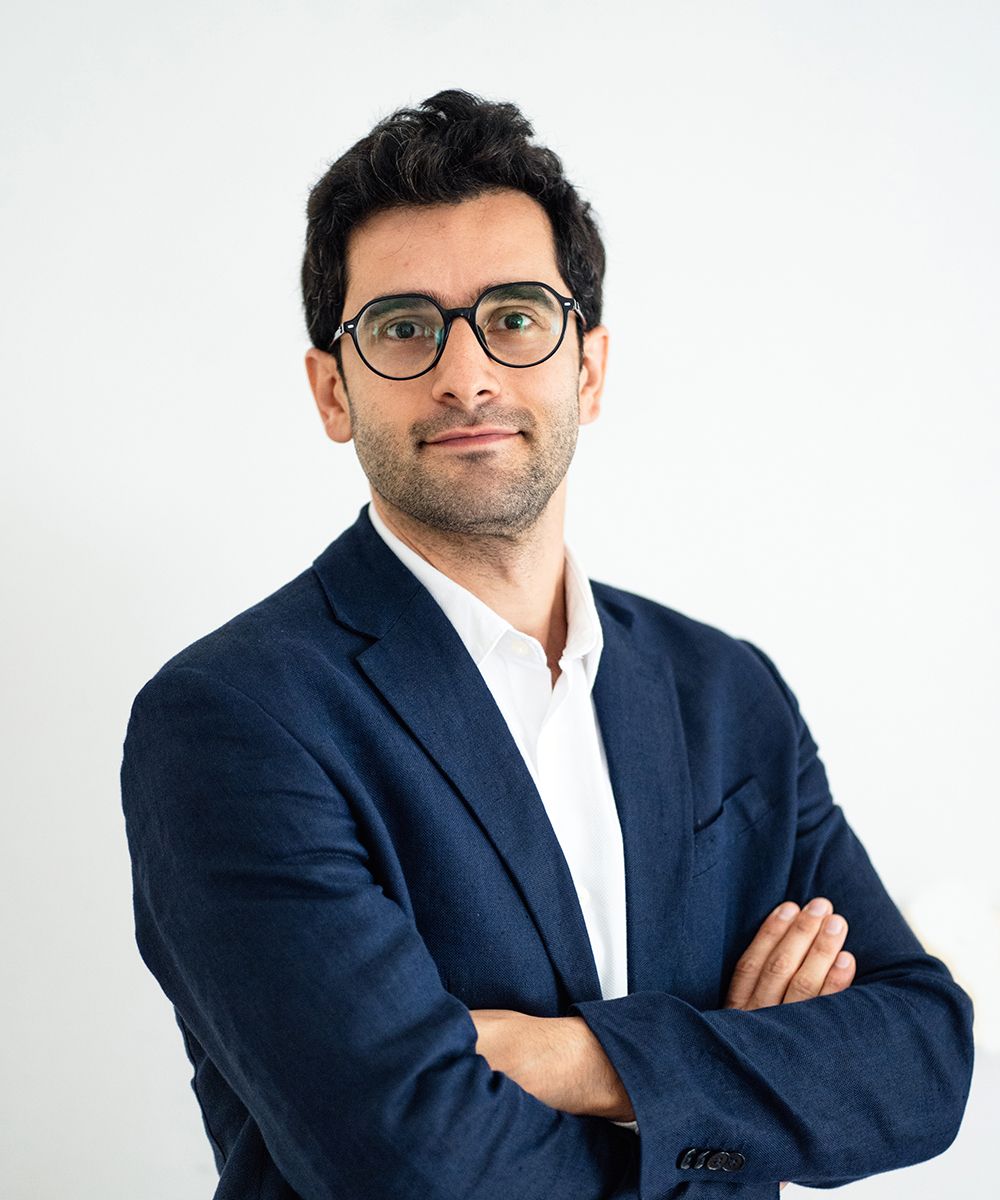
The country’s leadership is increasingly uneasy about multiple challenges from the Levant to the South Caucasus.
Armenak Tokmajyan
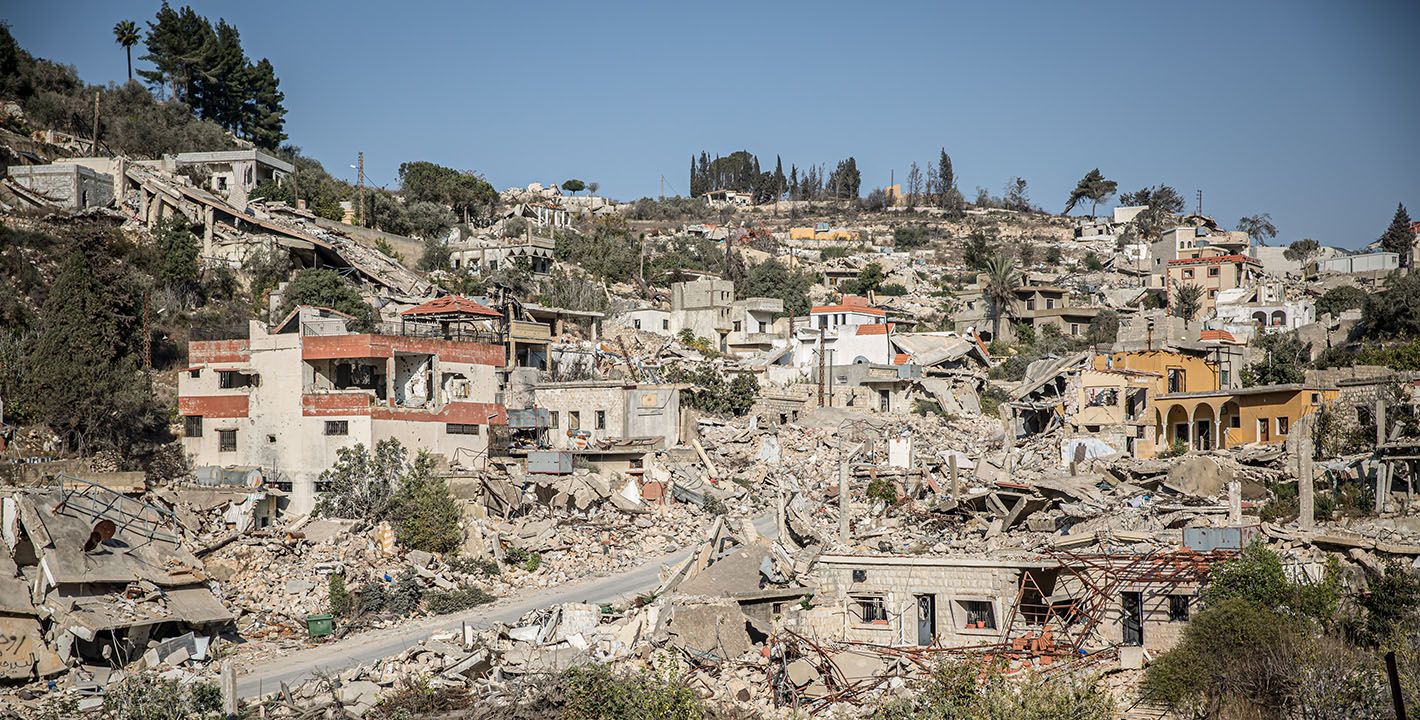
The U.S. is trying to force Lebanon and Syria to normalize with Israel, but neither country sees an advantage in this.
Michael Young