

Commentary
The story of a has-been politician apparently caught red-handed is intersecting with the larger forces at work in the Ukrainian parliament.
Konstantin Skorkin
{
  "authors": [
    "Konstantin Skorkin"
  ],
  "type": "commentary",
  "blog": "Carnegie Politika",
  "centerAffiliationAll": "",
  "centers": [
    "Carnegie Endowment for International Peace",
    "Carnegie Russia Eurasia Center"
  ],
  "englishNewsletterAll": "",
  "nonEnglishNewsletterAll": "",
  "primaryCenter": "Carnegie Russia Eurasia Center",
  "programAffiliation": "",
  "programs": [],
  "projects": [],
  "regions": [
    "Ukraine"
  ],
  "topics": [
    "Domestic Politics",
    "Political Reform"
  ]
}
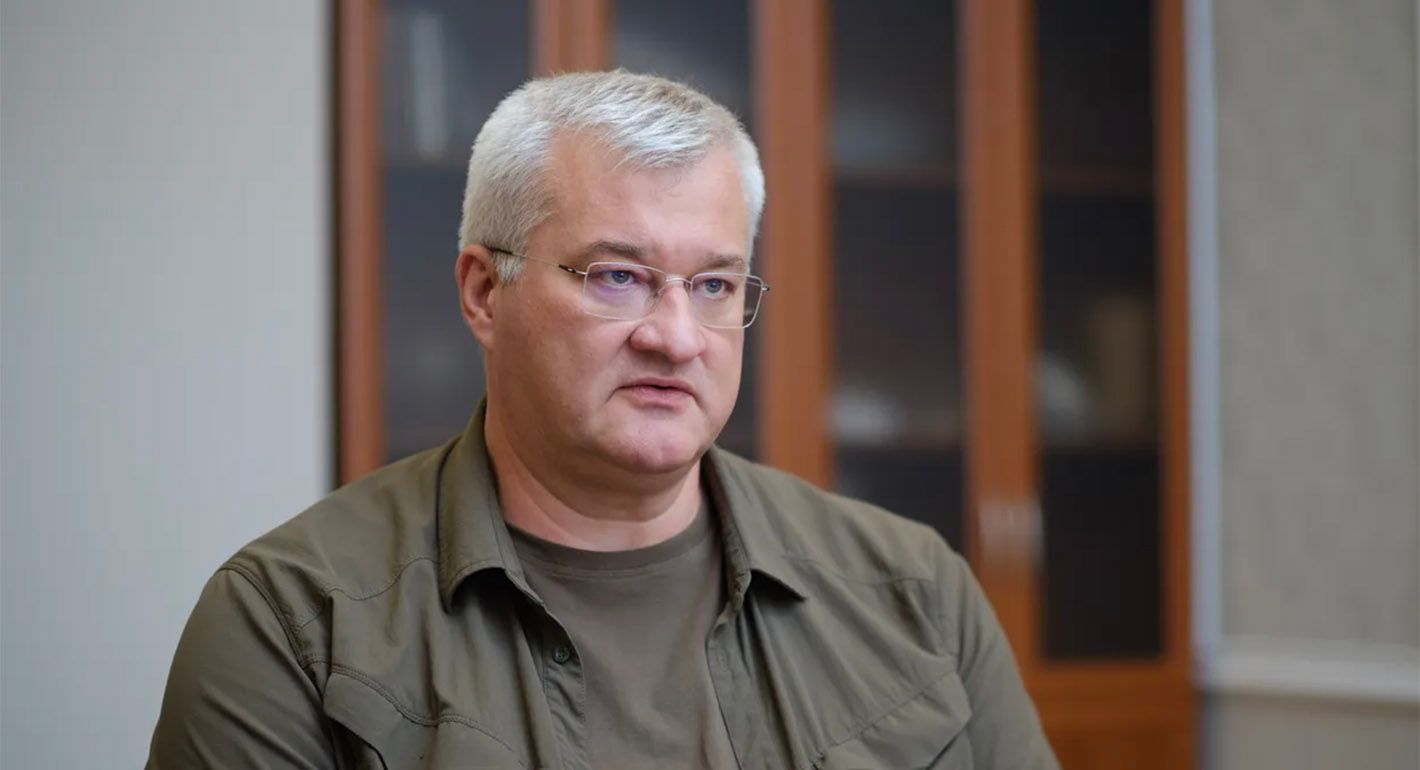
Perhaps the most notable dismissal in a recent reshuffle that brought no radical changes was that of Dmytro Kuleba as foreign minister.
In February 2024, upon dismissing the popular Valery Zaluzhny as commander in chief of the Ukrainian armed forces, President VolodymyrZelensky hinted at a wider reshuffle. The president’s team dealt with the military brass quickly enough, but it has taken months for the government’s civilian side to be overhauled.
In the spring, many of Zelensky’s old allies were replaced by associates of Andriy Yermak, Zelensky’s chief of staff. However, only in September did the first ministers fall, most notably Foreign Minister DmytroKuleba.
For all the many dismissals, it’s notable that Denys Shmyhal is staying on as prime minister. In the role since March 2020, despite repeated rumors that he was on the chopping block, Shmyhal has proven to be a survivor, at least by the standards of Zelensky’s turbulent presidency.
Just this summer, many anticipated that Yulia Svyrydenko—the first deputy prime minister and economic development and trade minister, who is close to Yermak—would take Shmyhal’s place, only for him to cling on.
The secret to Shmyhal’s longevity in office is simple. A low-profile technocrat, he readily agrees that in wartime, Ukraine’s government should play handmaiden to the president and dutifully carry out his agenda.
There is no hint of tension in Kyiv today between the president and the prime minister, whose offices have been at odds for much of Ukraine’s post-independence history. Little surprise, then, that Zelensky opted yet again against dismissing a loyal and tested technocrat without political ambition, especially with so shallow a pool from which to draw.
That Zelensky’s reserves of talent are thin is clear from his recent appointments, which resemble a castling move rather than an attempt at renewal. Iryna Vereshchuk, hitherto the deputy prime minister in charge of reintegrating the territories occupied by Russia, has moved to the presidential administration. Olha Stefanishyna, formerly the deputy prime minister for European integration, is the new justice minister.
Andriy Sybiha, until now the first deputy foreign minister, has succeeded Kuleba, his old boss. Oleksandr Kamyshin has also effectively been promoted, from minister of strategic industries to presidential adviser. The strategic industries ministry will be headed up by Herman Smetanin, director of the state defense conglomerate Ukroboronprom. State Property Fund chief Vitaliy Koval has been appointed agriculture minister. Only Rostyslav Shurma, an economic aide to Zelensky accused of mismanaging the energy situation, has been fired outright.
All in all, there have been no radical changes. Not that one would necessarily expect any from Zelensky, who has been afflicted by personnel problems since before the invasion. In wartime, with the government’s powers sharply curtailed and its agenda reduced to crisis management, there are understandably few takers for ministerial posts.
Bereft of new faces and breakthrough ideas, the best Zelensky’s team can do is redistribute ministerial responsibilities. For example, Oleksiy Kuleba, a former Kyiv region governor who is close to Yermak (and of no relation to Dmytro Kuleba), will oversee both the reintegration of the occupied territories and the development of communities, regions, and infrastructure.
However, there is no clear plan behind these efforts. Even as officials talk of the need to reduce the number of ministries in Ukraine, they are contemplating the creation of a vague new “ministry for the return of Ukrainians.”
Even Zelensky’s allies in parliament are unconvinced. Lawmakers are unimpressed by the lack of timely information and the failure of some outgoing ministers to appear before them to be held to account. Some dismissals had to be voted on twice before they were approved. For lawmakers, the reshuffle was a rare opportunity to assert parliament’s independence from the presidential administration and demonstrate its ability to obstruct Zelensky’s agenda.
Perhaps the most notable dismissal was Dmytro Kuleba’s, as foreign minister. Appointed in March 2020, he spearheaded the presidential administration’s creeping encroachment into foreign policy, which gradually came under Yermak’s personal control. These days, Yermak is behind practically every Ukrainian foreign policy initiative.
The Foreign Ministry has been weakened to the point where it is often left out of the loop even on Zelensky’s international trips, leading Ukraine’s embassies to complain that they have been reduced to the president’s “PR agency and ticket office.” More and more career diplomats are resigning.
What’s more, Zelensky’s team insists that Ukraine’s ambassadors take a firm and aggressive tone like that of Andriy Melnyk, the former ambassador to Germany and deputy foreign minister now posted in Brazil. Indeed, one of the president’s grievances with Kuleba centered on his half-hearted push for arms supplies to Ukraine.
Having served as ambassador to Turkey from 2016 to 2021, Sybiha is certainly an experienced diplomat. Crucially, he went on to work under Yermak as deputy chief of staff to Zelensky until April 2024. In this capacity, Sybiha became the architect of the controversial decision not to issue any official documents to military-age Ukrainian men abroad.
Sybiha’s return to the Foreign Ministry as first deputy foreign minister this past April presaged both Kuleba’s dismissal and the presidential administration’s complete takeover of foreign policy. Only the prospect of a backlash from Kuleba’s long-established contacts in Washington prevented his immediate replacement with Sybiha. Five months later, with the November presidential election preoccupying the White House, Zelensky fired Kuleba, in the latest sign that he increasingly sees little need to consider the opinions of Ukraine’s allies.
In the absence of elections, for Zelensky, appointments are at present virtually the only way to signal to Ukrainians that change is happening and give them encouragement. Yet the effect is to further centralize—and cement the presidential administration’s monopoly on—power, a process that began before the invasion but has accelerated in wartime as the president’s faith in individuals over institutions has deepened.
Carnegie does not take institutional positions on public policy issues; the views represented herein are those of the author(s) and do not necessarily reflect the views of Carnegie, its staff, or its trustees.
The story of a has-been politician apparently caught red-handed is intersecting with the larger forces at work in the Ukrainian parliament.

Konstantin Skorkin
For years, the Russian government has promoted “sovereign” digital services as an alternative to Western ones and introduced more and more online restrictions “for security purposes.” In practice, these homegrown solutions leave people vulnerable to data leaks and fraud.

Maria Kolomychenko
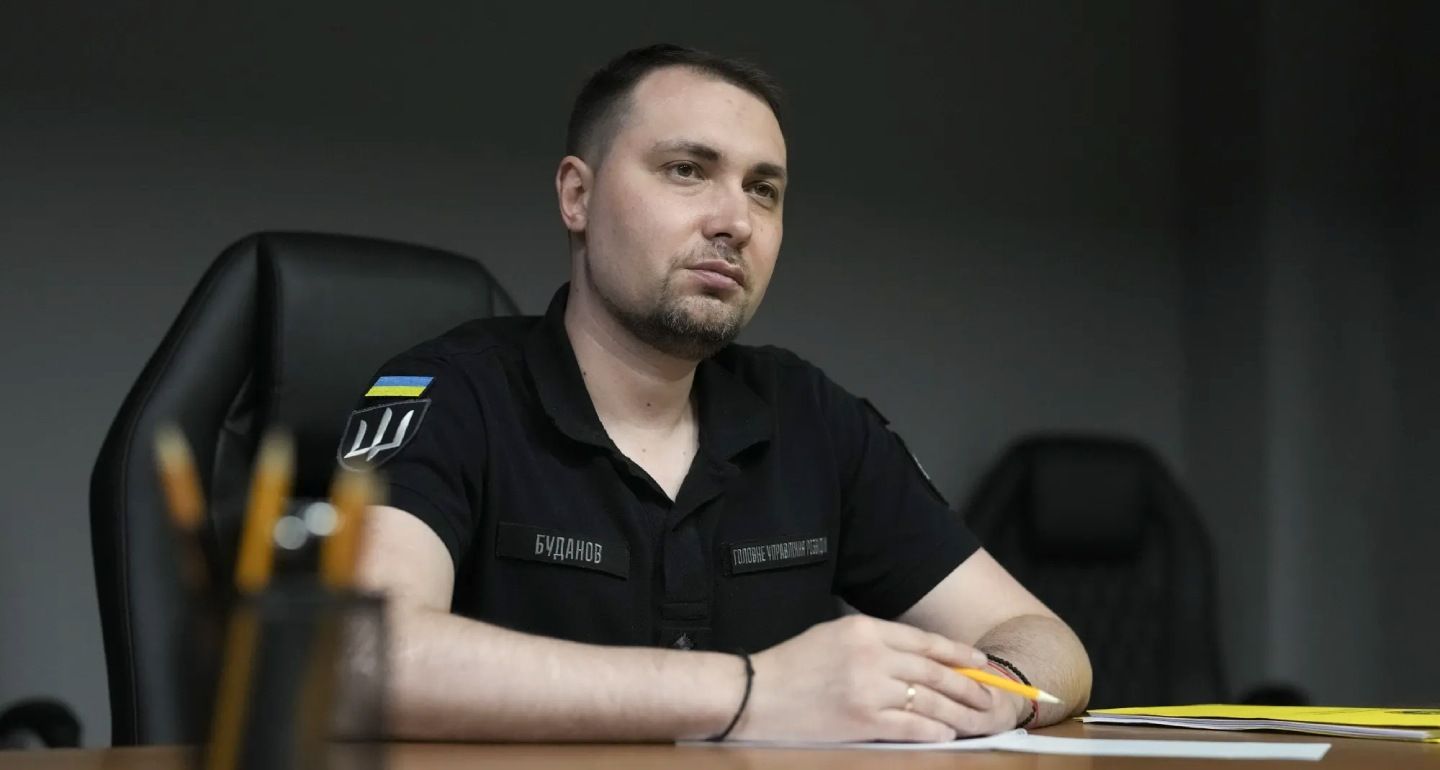
While appointing Kyrylo Budanov will help shore up Zelensky’s political authority and balance the president’s inner circle, the spy chief’s political ambitions mean he could be a threat.
Konstantin Skorkin
While signaling internationally that it wants peace, the Azerbaijani regime continues to promote anti-Armenian sentiment at home to mobilize domestic support.

Bashir Kitachaev
Putin used his annual Q&A to make it perfectly clear: he will not agree to an end to the war until he at least gets control of the entire Donbas.
Vladislav Gorin