

Commentary
Baku may allow radical nationalists to publicly discuss “reunification” with Azeri Iranians, but the president and key officials prefer not to comment publicly on the protests in Iran.
Bashir Kitachaev
{
  "authors": [
    "Bashir Kitachaev"
  ],
  "type": "commentary",
  "blog": "Carnegie Politika",
  "centerAffiliationAll": "",
  "centers": [
    "Carnegie Endowment for International Peace",
    "Carnegie Russia Eurasia Center"
  ],
  "englishNewsletterAll": "",
  "nonEnglishNewsletterAll": "",
  "primaryCenter": "Carnegie Russia Eurasia Center",
  "programAffiliation": "",
  "programs": [],
  "projects": [],
  "regions": [
    "Azerbaijan",
    "Caucasus"
  ],
  "topics": [
    "Domestic Politics",
    "Political Reform"
  ]
}
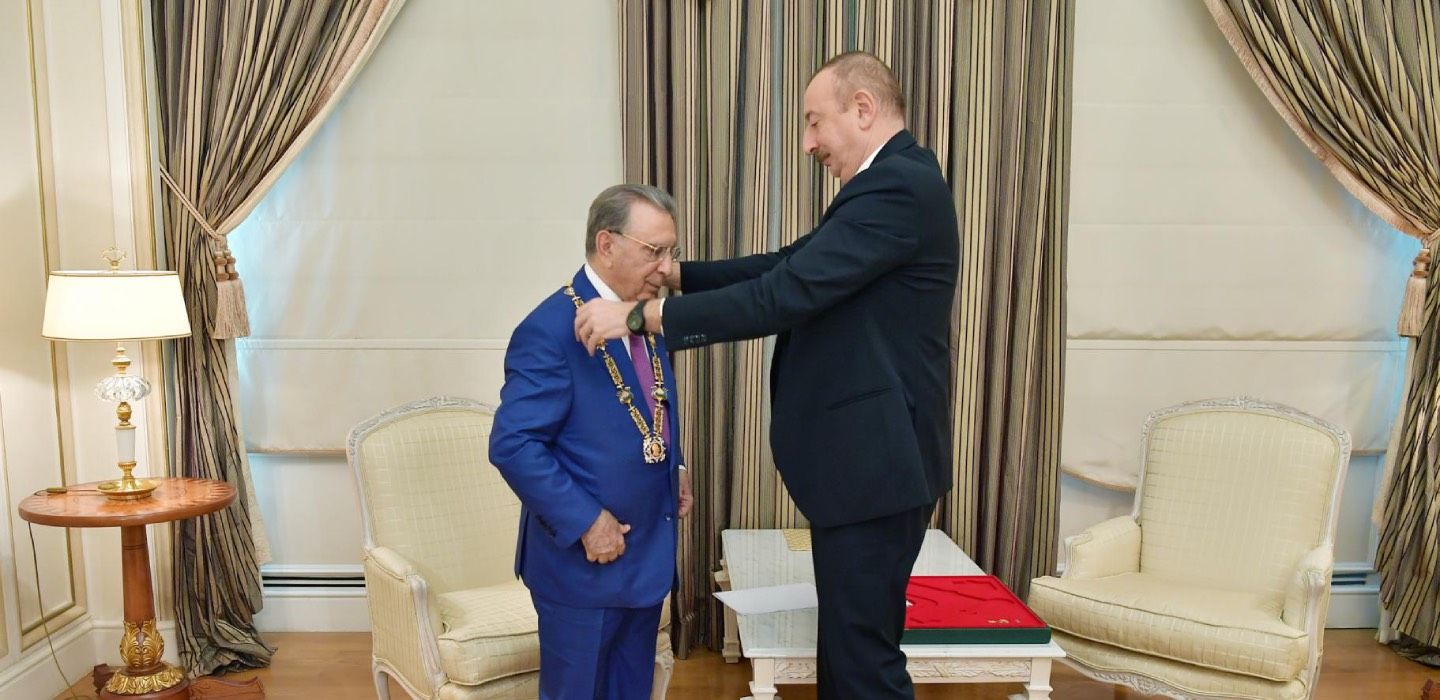
Mehdiyev appears to have fallen victim to a combination of circumstances: a clan war, the ongoing consolidation of power, and the Azerbaijani leadership’s attempts to establish a strict monopoly on direct contact with Moscow.
Ramiz Mehdiyev, who was for decades one of Azerbaijan’s most influential politicians and helped Ilham Aliyev to succeed his father to the presidency, was arrested in Baku last month. At the age of eighty-seven, he stands accused of plotting a Russia-backed coup d’état.
His arrest, which took place following a recent standoff between Baku and Moscow, is being interpreted either as proof that Russia really was attempting to oust Aliyev, or, conversely, as the result of a friendly gesture from Aliyev’s Russian counterpart Vladimir Putin, who supposedly warned the Azerbaijani leader of an imminent plot at their reconciliation meeting on October 9. The reality is far more prosaic: the logic of ever-increasing power consolidation is pushing the Azerbaijani authorities to purge even the slightest hint of alternative centers of influence, and Mehdiyev’s long-standing direct contacts in Moscow seemingly served as an aggravating factor.
Mehdiyev’s political career began back in the Soviet Union. He rose from the post of a functionary in the Soviet youth organization Komsomol to be a professor of scientific communism and then the head of the science and education department of the Central Committee of Azerbaijan’s Communist Party. It was back then that he became a close associate of future president Heydar Aliyev, who led the Azerbaijan Soviet Socialist Republic from the 1970s.
Following the collapse of the Soviet Union, from the mid-1990s to 2019, Mehdiyev headed the presidential administration. In this key position for post-Soviet regimes, he oversaw personnel policy and the information and ideology agenda, and was involved in making key decisions. Many observers believe that after Heydar Aliyev’s death in 2003, it was Mehdiyev who played the deciding role in ensuring that the late president was succeeded by his son, Ilham.
For a long time, it seemed he had backed the right horse. Mehdiyev remained head of the presidential administration for another sixteen years under Ilham Aliyev. It was only in 2019—a year in which Aliyev retired many senior officials from his father’s entourage—that he was honorably retired to head the country’s National Academy of Sciences.
In 2022, Mehdiyev retired from that post too, and seemed to have been forgotten. Then, suddenly, in mid-October, he was put under house arrest on suspicion of attempting to overthrow the government, treason, and laundering criminally acquired assets. Mehdiyev had allegedly planned to remove Aliyev and create a transitional government led by none other than himself.
It’s particularly interesting that Mehdiyev was arrested immediately after the reconciliation meeting between the leaders of Azerbaijan and Russia in Dushanbe. Aliyev and Putin used the meeting to officially end their fallout, which began over the downing of an Azerbaijani airliner over the Russian city of Grozny in December 2024. Pro-government media in Azerbaijan were quick to claim that this timing was no coincidence, and that during the closed meeting, Putin had warned Aliyev that Mehdiyev was planning a coup.
However outlandish the idea of an eighty-seven-year-old pensioner attempting a coup d’état may sound, the emphasis on the pro-Russian nature of the plot is in keeping with Mehdiyev’s reputation as a politician close to the Kremlin. His ties to former security council secretary Nikolai Patrushev and other Moscow dignitaries are well known.
Mehdiyev also received prestigious state awards from Russia, was a member of Russian academic institutions, and frequently appeared at public ceremonies related to Russia. He was even accused at one point of promoting pro-Russian officials to important positions in Azerbaijan.
These long-standing contacts within the Russian leadership could have created additional risks for Mehdiyev. Several months of a standoff with Moscow have made Baku particularly wary of any uncontrolled connections between the Kremlin and members of the Azerbaijani elite.
Still, no serious evidence has yet been presented that Mehdiyev was actually planning a coup. The Azerbaijani authorities often imprison inconvenient figures such as independent journalists for reasons that are very different from the formal charges.
Clouds began gathering over Mehdiyev back in February, when, amid escalating tensions with Moscow, state media reported that he was hosting banquets with representatives of Russian intelligence and effectively leading a “Russian fifth column” in Azerbaijan. Other former ministers—including one who had died back in 2021—were also named as alleged members of this pro-Russian network.
This supposed expose was full of inconsistencies and somewhat unconvincing: it’s hard to imagine that a Russian agent could have led Azerbaijan’s presidential administration for over twenty years. But pro-government media wouldn’t have published such material without orders from above, meaning the arrest had been in the works for a long time.
Mehdiyev appears to have fallen victim to a combination of circumstances: a clan war, the ongoing consolidation of power, and the Azerbaijani leadership’s attempts to establish a strict monopoly on direct contact with Moscow.
The veteran politician is one of the most prominent members of the Nakhchivan clan that dominated senior posts in Azerbaijan under Heydar Aliyev, who also hailed from the exclave. But in the last decade, the Baku-based clan of the president’s wife (and vice president) Mehriban Aliyeva—the Pashayevs—has come to the fore. Their PASHA Holding is gaining control of all new businesses in the country, aggressively squeezing out competitors.
With the help of his wife’s clan, Ilham Aliyev has gradually dismissed the aging Nakhchivan officials he inherited from his father, replacing them with younger technocrats. The biggest purge took place in 2019–2020, when, in addition to Mehdiyev, several other long-serving senior figures lost their posts and were replaced by officials connected to the Pashayev clan’s business structures.
Mehdiyev retreated from the limelight back then, but the logic of an authoritarian regime dictates that influential figures should be treated with caution, even if they’re well into their eighties and have long since retired. Plus, the bloated repressive apparatus demands ever more arrests. When real opponents have long been imprisoned or driven abroad, the authorities begin to suppress any hint of an alternative, even if it’s only represented by elderly veterans of the previous generation of the same regime.
We may therefore see further arrests of other former senior officials whose names are already appearing in state media reports about the “pro-Russian conspiracy.” That will allow Aliyev to rid himself once and for all of those to whom he once owed his power and who know more about him than he would like.
Mehdiyev and other former officials also accumulated considerable volumes of real estate, companies, and other assets for themselves and their families during their years in power. Now, decades later, pro-government media outlets are suddenly discovering that all of this was “acquired through criminal means,” and therefore should be redistributed to more deserving members of the regime.
Riding high on a wave of foreign policy victories, Aliyev is rushing to consolidate his power as much as possible. In addition to the accusations against former officials, state media have called for a ban on the country’s remaining opposition parties, the Azerbaijani Popular Front Party and Musavat, even though they have long existed only on paper, and have not engaged in any opposition activity. All of this is accompanied by slogans about combating “internal threats,” “defending national identity,” and “sovereignty.”
Mehdiyev was once a symbol of the regime’s stability and continuity. Now he is fueling a new round of the monopolization of both domestic and foreign policy.
Carnegie does not take institutional positions on public policy issues; the views represented herein are those of the author(s) and do not necessarily reflect the views of Carnegie, its staff, or its trustees.
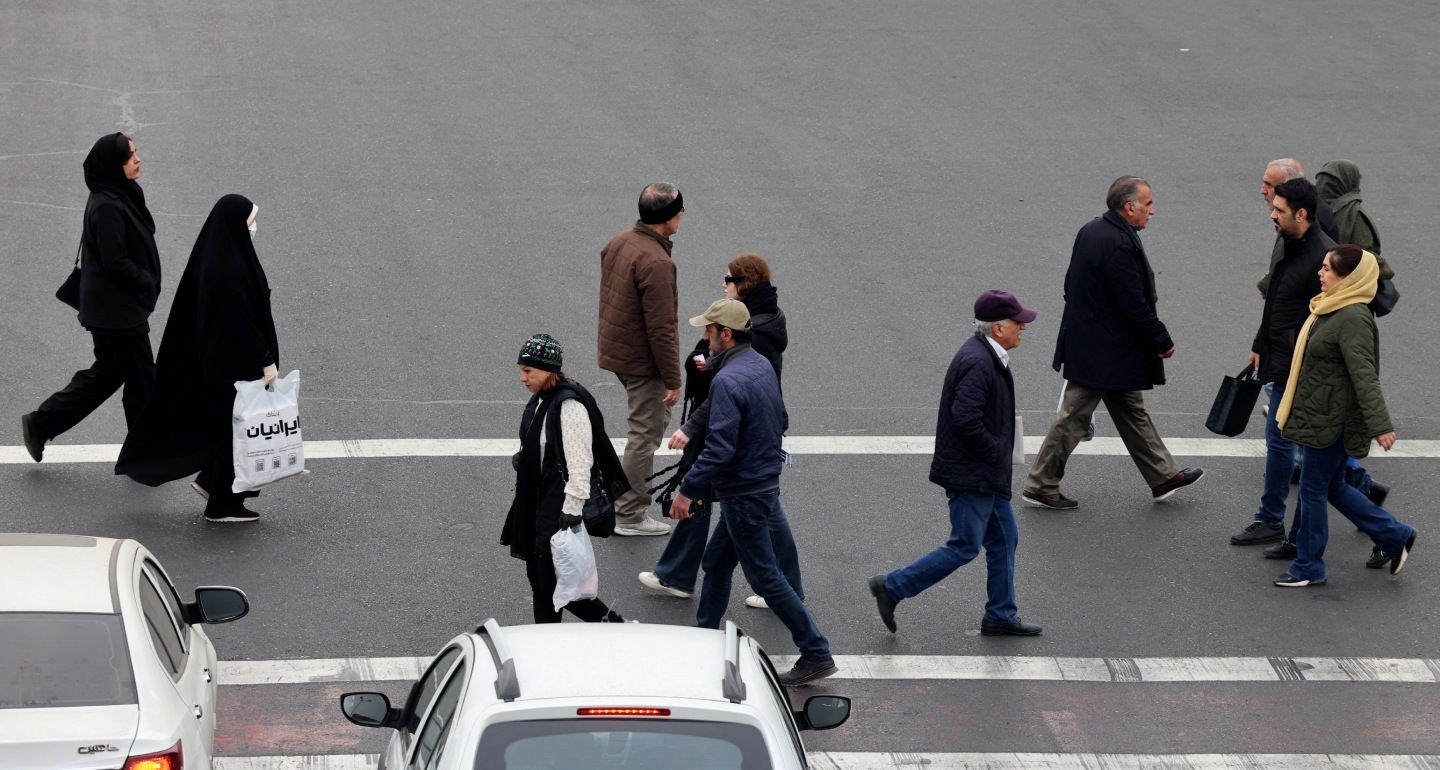
Baku may allow radical nationalists to publicly discuss “reunification” with Azeri Iranians, but the president and key officials prefer not to comment publicly on the protests in Iran.
Bashir Kitachaev
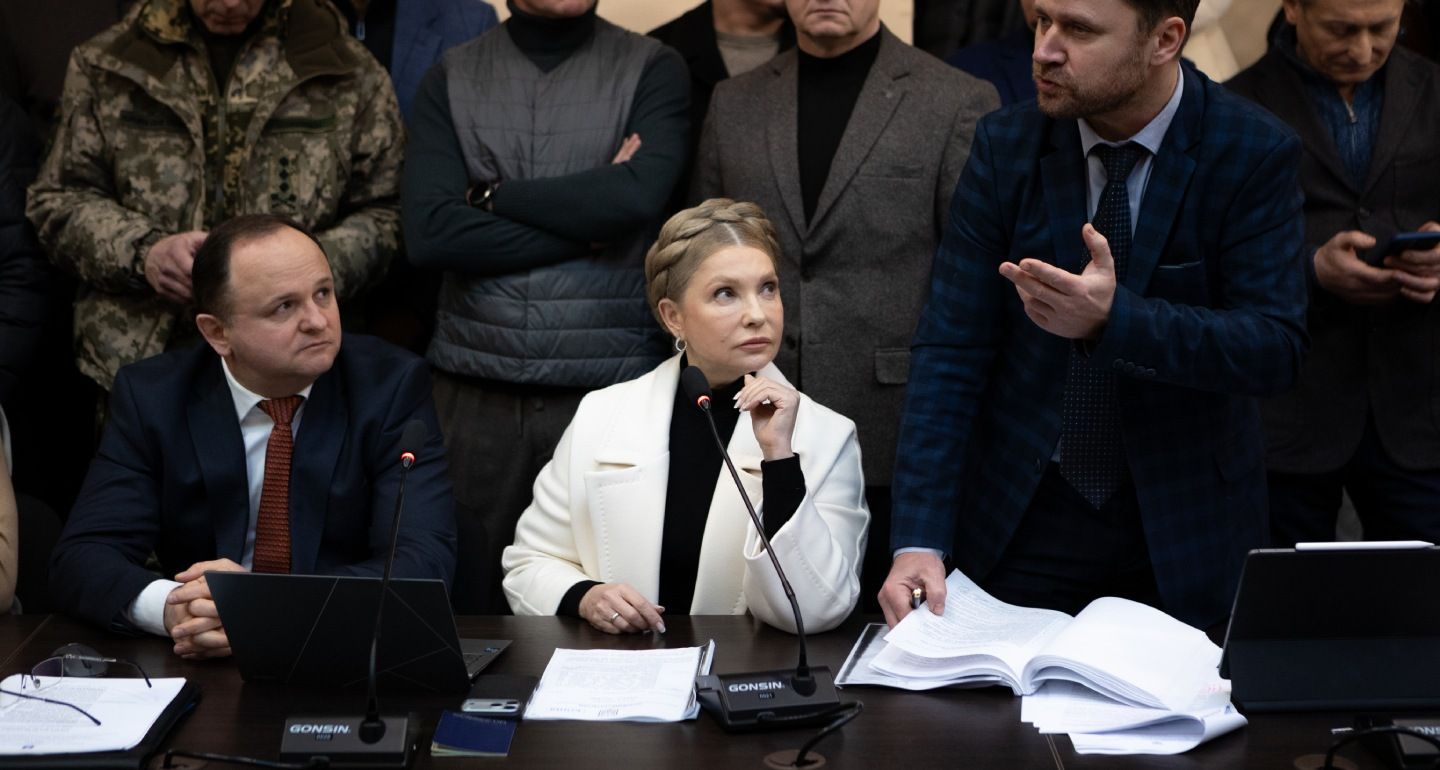
The story of a has-been politician apparently caught red-handed is intersecting with the larger forces at work in the Ukrainian parliament.

Konstantin Skorkin
For years, the Russian government has promoted “sovereign” digital services as an alternative to Western ones and introduced more and more online restrictions “for security purposes.” In practice, these homegrown solutions leave people vulnerable to data leaks and fraud.

Maria Kolomychenko
While appointing Kyrylo Budanov will help shore up Zelensky’s political authority and balance the president’s inner circle, the spy chief’s political ambitions mean he could be a threat.
Konstantin Skorkin
While signaling internationally that it wants peace, the Azerbaijani regime continues to promote anti-Armenian sentiment at home to mobilize domestic support.
Bashir Kitachaev