

Commentary
Unexpectedly, Trump’s America appears to have replaced Putin’s Russia’s as the world’s biggest disruptor.
Alexander Baunov
{
  "authors": [
    "Tatiana Stanovaya"
  ],
  "type": "commentary",
  "blog": "Carnegie Politika",
  "centerAffiliationAll": "",
  "centers": [
    "Carnegie Endowment for International Peace",
    "Carnegie Russia Eurasia Center"
  ],
  "collections": [
    "Politika: The Best of 2025"
  ],
  "englishNewsletterAll": "",
  "nonEnglishNewsletterAll": "",
  "primaryCenter": "Carnegie Russia Eurasia Center",
  "programAffiliation": "",
  "programs": [],
  "projects": [],
  "regions": [
    "Ukraine",
    "Russia",
    "United States"
  ],
  "topics": [
    "Foreign Policy",
    "Security",
    "NATO",
    "Defense",
    "Global Governance"
  ]
}
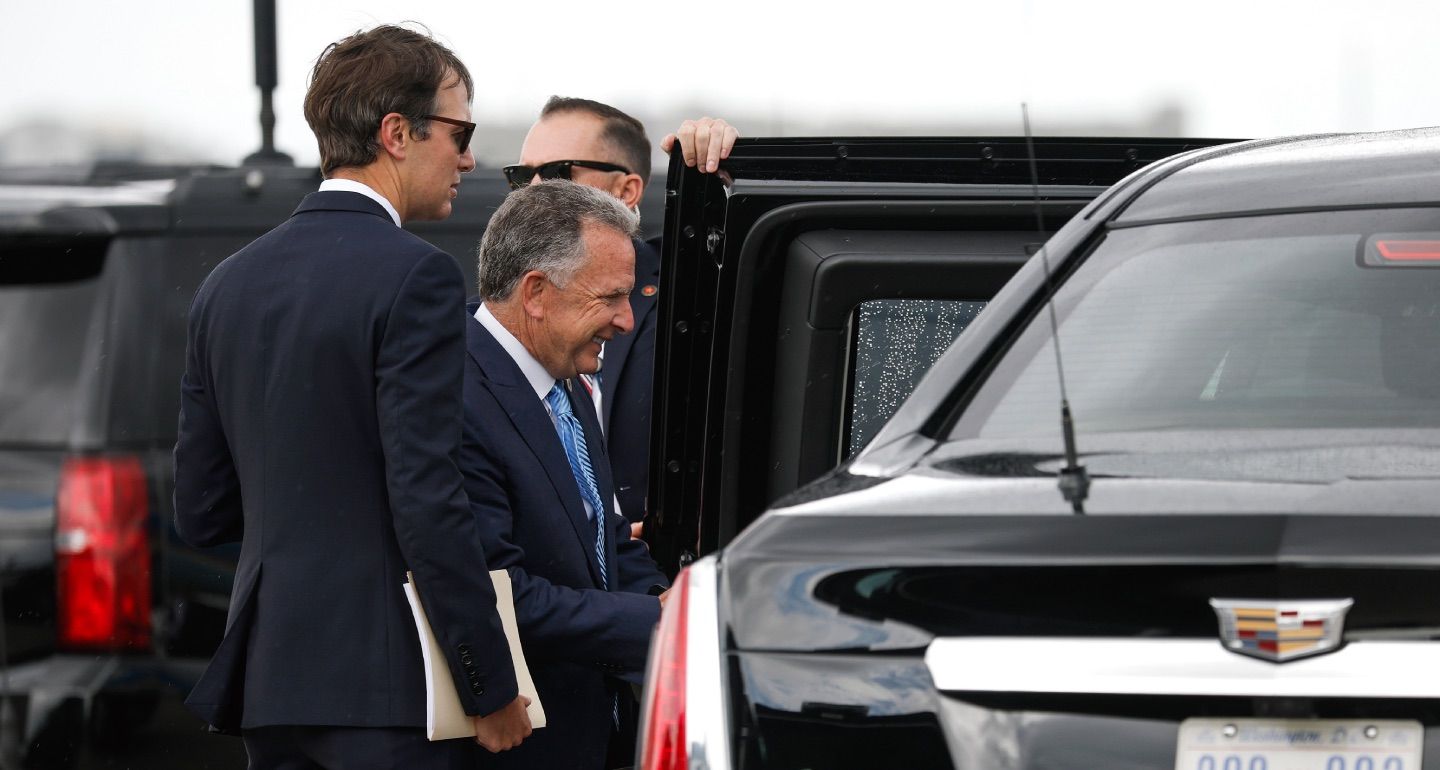
The White House wants to take advantage of Kyiv’s mounting problems—on and off the battlefield—to impose a peace agreement more favorable to Russia.
Over the last month, the pace of negotiations to end the war in Ukraine has made it hard to draw conclusions about what exactly is unfolding. However, beyond the breathless media reporting, there have been two noteworthy changes to the political context of the back-and-forth between Moscow, Washington, and Kyiv.
First, after delivering a ceasefire in Gaza, United States special envoy Steve Witkoff switched his focus to the Russia-Ukraine war, muscling out his competitors to become Washington’s chief negotiator. U.S. President Donald Trump’s special envoy for Ukraine, Keith Kellogg, proved unacceptable for Moscow because of his pro-Kyiv views, and Secretary of State Marco Rubio has been unable to make progress by talking to his Russian counterpart, Sergei Lavrov, who just repeats the same old Kremlin narratives.
Even before the Gaza deal, Witkoff had twice tried to broker an agreement between Moscow and Kyiv. Back in April, after conversations involving Russian President Vladimir Putin, Kremlin foreign policy aide Yuri Ushakov, and Kirill Dmitriev, head of the Russian Direct Investment Fund and a key interlocutor with the White House, Witkoff came up with a proposal that was rejected by Kyiv and its European partners (and did not generate much enthusiasm in the Kremlin).
Then, in August, Trump and Putin met in Alaska after one of Witkoff’s visits to Moscow. While the encounter garnered a lot of attention, misunderstandings on both sides meant it delivered few results. Washington thought Putin had promised to meet Ukrainian President Volodymyr Zelensky, and Moscow believed it had agreed to Western security guarantees for Ukraine similar to NATO’s Article 5 in exchange for Kyiv withdrawing troops from the Donbas region. When neither were delivered, both sides felt let down.
The second factor is that the situation inside Ukraine has changed. Mounting problems at the front, the looming possibility of a financial crisis, damage to the energy sector from Russian attacks, and a major corruption scandal have made the Ukrainian leadership more open to options that would have been unacceptable just a few months ago.
Witkoff’s current attempt at a peace deal—his third—would have been doomed to meet the fate of his previous two if it were not for these developments in Ukraine. But now the Trump administration—which has a difficult relationship with Zelensky, to put it mildly—is seeking to take advantage of Kyiv’s mounting problems to restart talks on conditions that are more favorable to Moscow.
The many leaks to Western media (including phone calls involving Witkoff, Ushakov, and Dmitriev reported by Bloomberg news agency) make it possible to construct a timeline of events. It seems that, for his third attempt at a peace deal, Witkoff began by using his previous conversations with Putin and Ushakov as the basis for a text. Then he received a new Russian proposal—described as “maximalist” by Ushakov—and incorporated it into a final version.
The result was a twenty-eight-point plan mostly reflecting Russia’s demands. However, it was not just a Russian wish list: there were also points that raised concerns in the Kremlin. These included a cap on the Ukrainian army of 600,000 soldiers (Moscow wanted it to be 100,000), and no ban on the deployment of long-range weapons to Ukraine. In addition, the plan was worded in such a way as to leave it open to being watered down into something else during subsequent negotiations about implementation. Ultimately, the Kremlin had mixed feelings. On the one hand, it would give Russia a lot of what it wants. On the other, there was sufficient vagueness to give cause for concern.
The young U.S. Army Secretary Daniel Driscoll (a law school classmate of U.S. Vice President JD Vance) was sent to Kyiv to deliver the twenty-eight-point plan. Along with Driscoll, Vance also stepped into the spotlight, apparently convinced that Washington would be able to carry out a “peace blitzkrieg” while the Ukrainians were dealing with a multi-faceted crisis, and in the face of objections from the penniless Europeans. However, Rubio slowed down the process by taking the plan to Geneva to discuss with a Ukrainian delegation. The upshot was that the twenty-eight-point plan became a nineteen-point plan.
This was followed by the leak of the U.S.-Russian telephone conversations that appeared designed to undermine Witkoff. For the moment, it’s unclear whether the revelations will affect Witkoff’s influence in the White House, or his relationship with Trump. He’s still due to make an imminent visit to Moscow.
Nevertheless, going forward, Witkoff will find it difficult to shake the image of being pro-Kremlin. And that is a problem not only for Witkoff, but also for Moscow. Witkoff’s delicate position and the attempts to undermine his push to reach a peace deal devalue the whole U.S. negotiating position and leave the Kremlin inclined to believe that the battlefield is a more reliable way of achieving its goals.
Today, Moscow’s main problem when it comes to relations with Washington is the lack of a clear discussion agenda. The Kremlin wants something official—and in writing—instead of endless versions of a chameleon-like “peace plan” that changes color according to which officials were involved in its drafting.
Nor is it entirely clear to the Kremlin with whom it should engage. Witkoff goes to Moscow, listens to his Russian interlocutors, and leaves—only to get lost in the maze of geopolitics and domestic U.S. politics. Trump appears to have distanced himself from the details, and only wants to get involved at the final stage of signing a deal. And Moscow has found it hard to establish a working relationship with Rubio. Beyond these three men, there are no other obvious candidates.
Even so, the momentum building from the White House’s attempts to find a resolution to the conflict, coupled with Ukraine’s mounting problems, mean the current U.S. effort could be more successful than its predecessors. Indeed, the current negotiations have taken on a different tenor. Given the West’s unwillingness to enter the war on Ukraine’s side, the conversation is now dominated by the question of what price Kyiv will be forced to pay to end the fighting.
Carnegie does not take institutional positions on public policy issues; the views represented herein are those of the author(s) and do not necessarily reflect the views of Carnegie, its staff, or its trustees.
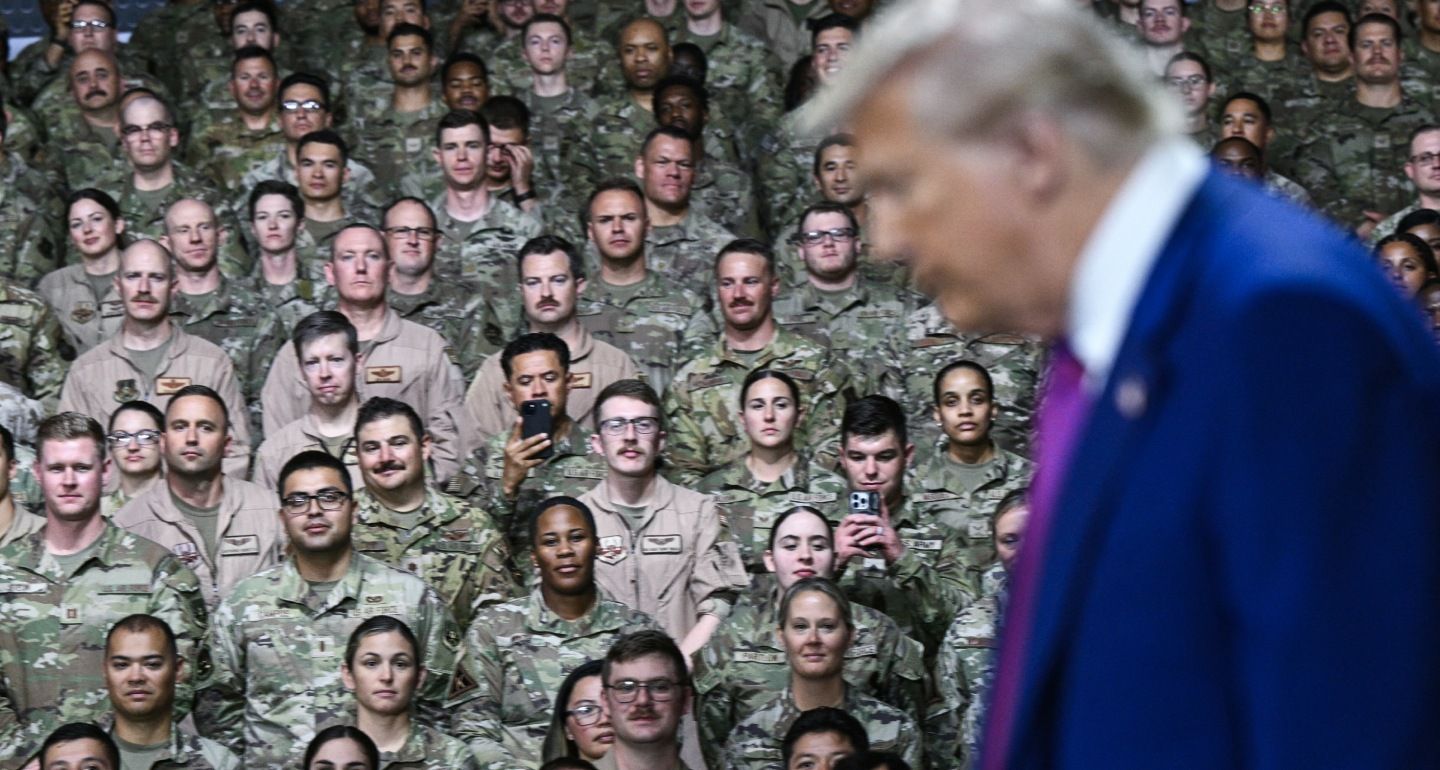
Unexpectedly, Trump’s America appears to have replaced Putin’s Russia’s as the world’s biggest disruptor.
Alexander Baunov
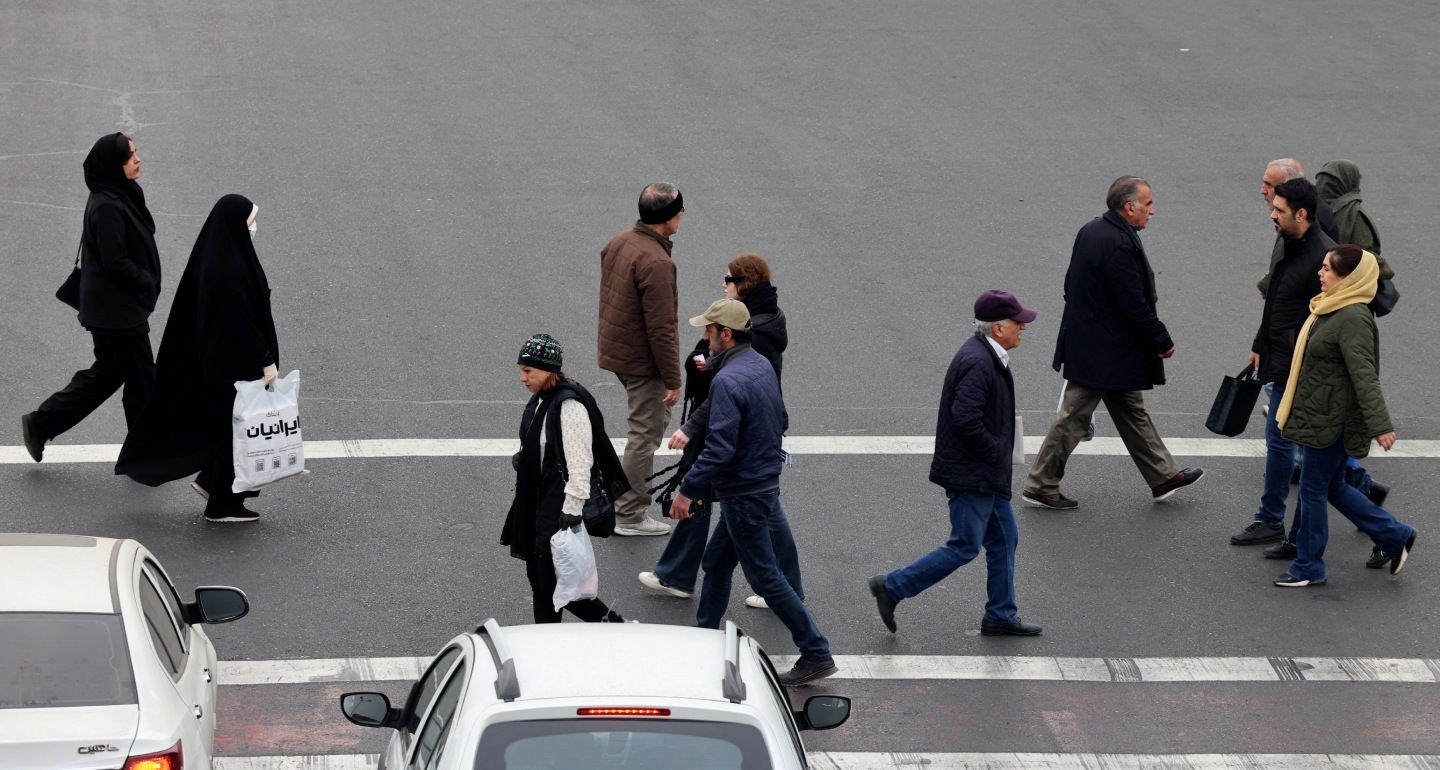
Baku may allow radical nationalists to publicly discuss “reunification” with Azeri Iranians, but the president and key officials prefer not to comment publicly on the protests in Iran.

Bashir Kitachaev

The Kremlin will only be prepared to negotiate strategic arms limitations if it is confident it can secure significant concessions from the United States. Otherwise, meaningful dialogue is unlikely, and the international system of strategic stability will continue to teeter on the brink of total collapse.

Maxim Starchak
The story of a has-been politician apparently caught red-handed is intersecting with the larger forces at work in the Ukrainian parliament.

Konstantin Skorkin
For years, the Russian government has promoted “sovereign” digital services as an alternative to Western ones and introduced more and more online restrictions “for security purposes.” In practice, these homegrown solutions leave people vulnerable to data leaks and fraud.

Maria Kolomychenko