

Commentary
The story of a has-been politician apparently caught red-handed is intersecting with the larger forces at work in the Ukrainian parliament.
Konstantin Skorkin
{
  "authors": [],
  "type": "pressRelease",
  "centerAffiliationAll": "",
  "centers": [
    "Carnegie Endowment for International Peace"
  ],
  "collections": [],
  "englishNewsletterAll": "",
  "nonEnglishNewsletterAll": "",
  "primaryCenter": "Carnegie Endowment for International Peace",
  "programAffiliation": "",
  "programs": [
    "Middle East"
  ],
  "projects": [],
  "regions": [
    "North Africa",
    "Egypt",
    "Algeria",
    "Morocco",
    "Bahrain",
    "Saudi Arabia",
    "Yemen"
  ],
  "topics": [
    "Political Reform"
  ]
}
REQUIRED IMAGE
Despite passing considerable economic and social reforms Arab regimes continue to avoid substantive political reforms that would jeopardize their own power. Reformers in ruling establishments recognize the need for change to increase economic competitiveness, but the preferred process of “managed reform” is leading to further political stagnation.
WASHINGTON, Dec 12— Despite passing considerable economic and social reforms Arab regimes continue to avoid substantive political reforms that would jeopardize their own power. Reformers in ruling establishments recognize the need for change to increase economic competitiveness, but the preferred process of “managed reform” is leading to further political stagnation, says a new paper from the Carnegie Endowment for International Peace.
In Incumbent Regimes and the “King's Dilemma” in the Arab World: Promise and Threat of Managed Reform, Carnegie Senior Associates Marina Ottaway and Michele Dunne argue that emerging, reform-minded leaders in Arab nations face a dilemma—globalization and better public access to information are prompting calls for modernization, yet history shows that even limited reforms introduced from the top often increase, rather than decrease, bottom-up demand for more radical change, as in the case of the Iranian revolution. To contend with this threat, Arab regimes are attempting to control the process of change through “managed reforms”: the introduction of formal, institutional reform without the transfer of real power (Bahrain and Egypt); substantive improvements in citizens' rights without institutional reform (Morocco); or the limited participation of legitimate opposition groups (Yemen and Algeria).
Key Conclusions:
“The evidence so far is that the top-down process is having very little effect, making at best a marginal difference on specific issues but not leading to the redistribution of power that a true process of democratization and even liberalization would entail. For domestic advocates of managed reform and for outsiders seeking to promote change alike, the lesson appears to be that political reform can never be risk free: Too much close management perpetuates authoritarianism, and unmanaged processes have unpredictable outcomes.”
###
NOTES
Carnegie does not take institutional positions on public policy issues; the views represented herein are those of the author(s) and do not necessarily reflect the views of Carnegie, its staff, or its trustees.
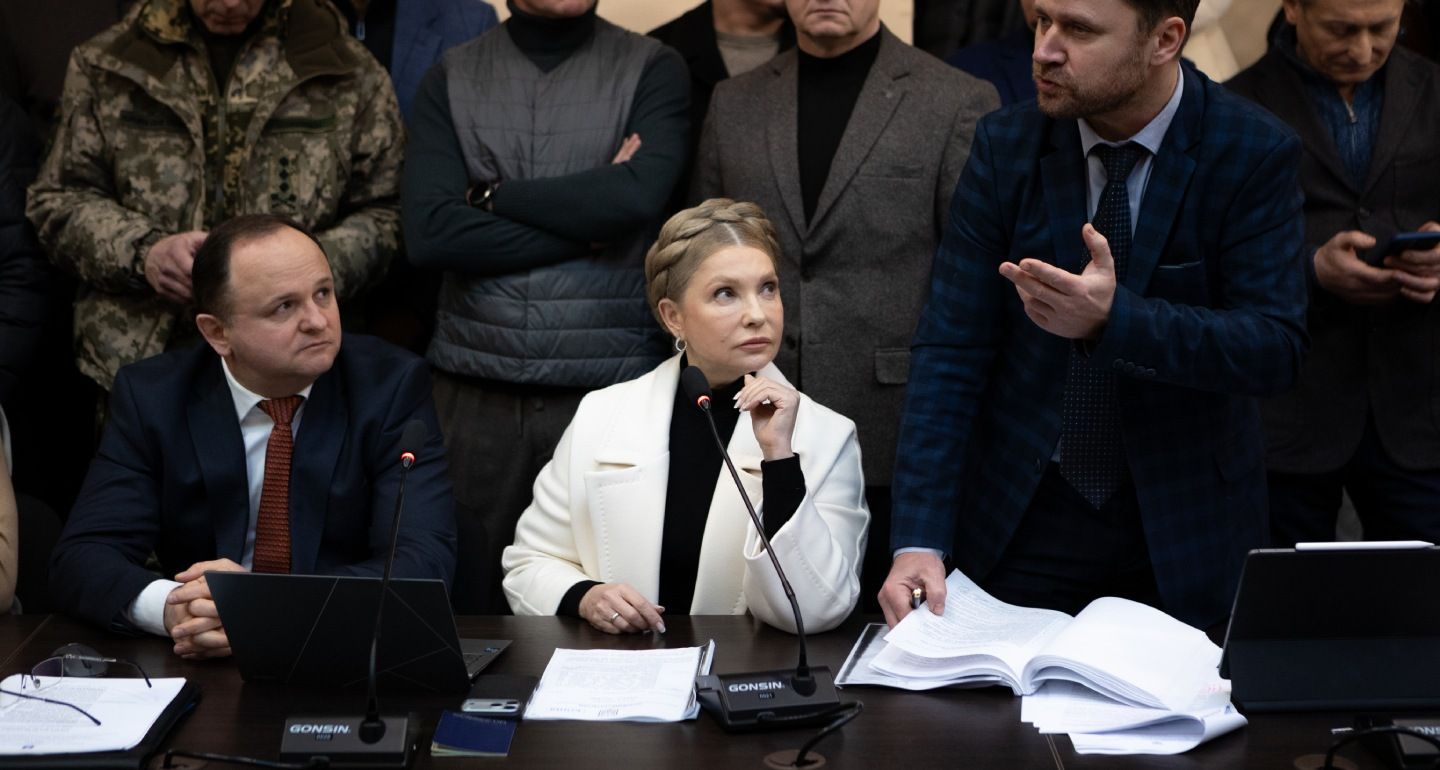
The story of a has-been politician apparently caught red-handed is intersecting with the larger forces at work in the Ukrainian parliament.
Konstantin Skorkin
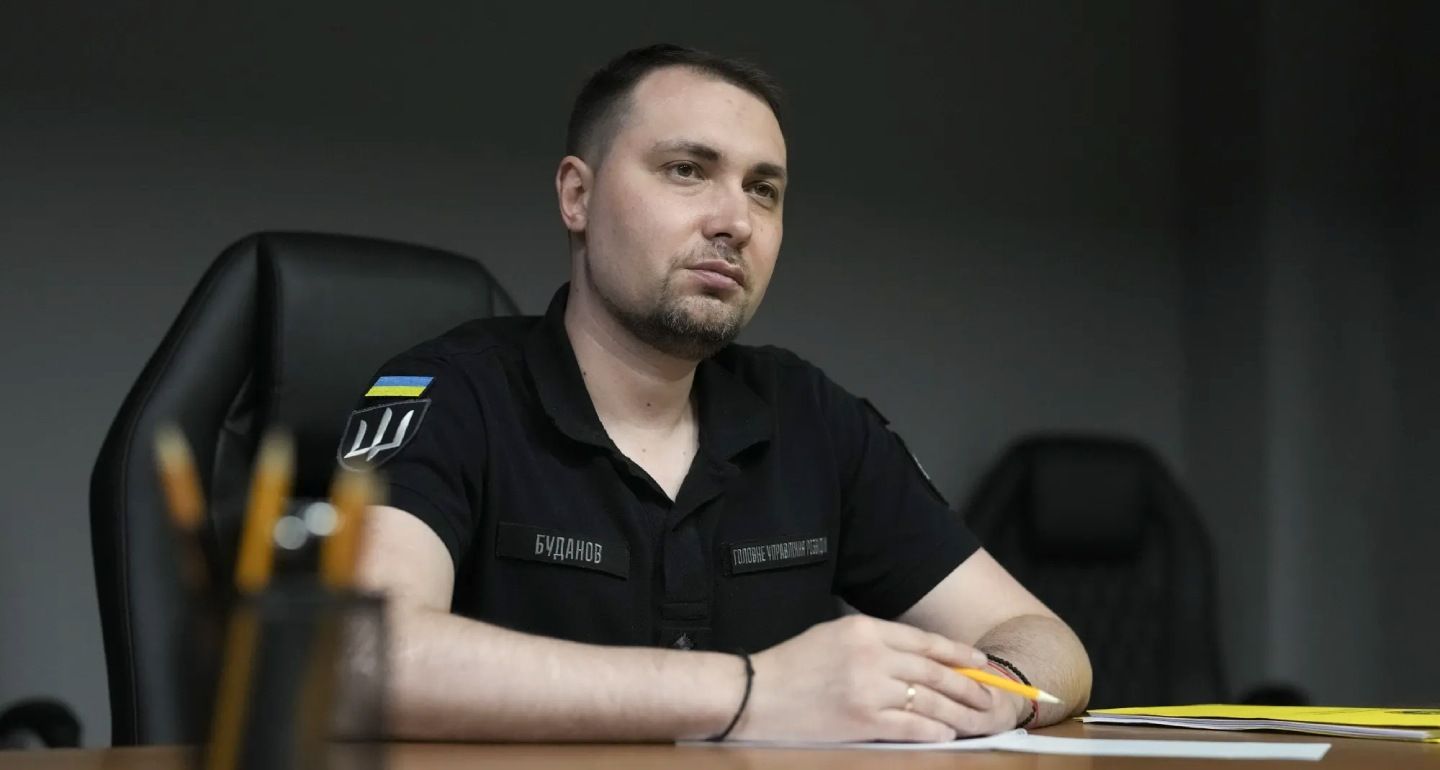
While appointing Kyrylo Budanov will help shore up Zelensky’s political authority and balance the president’s inner circle, the spy chief’s political ambitions mean he could be a threat.
Konstantin Skorkin
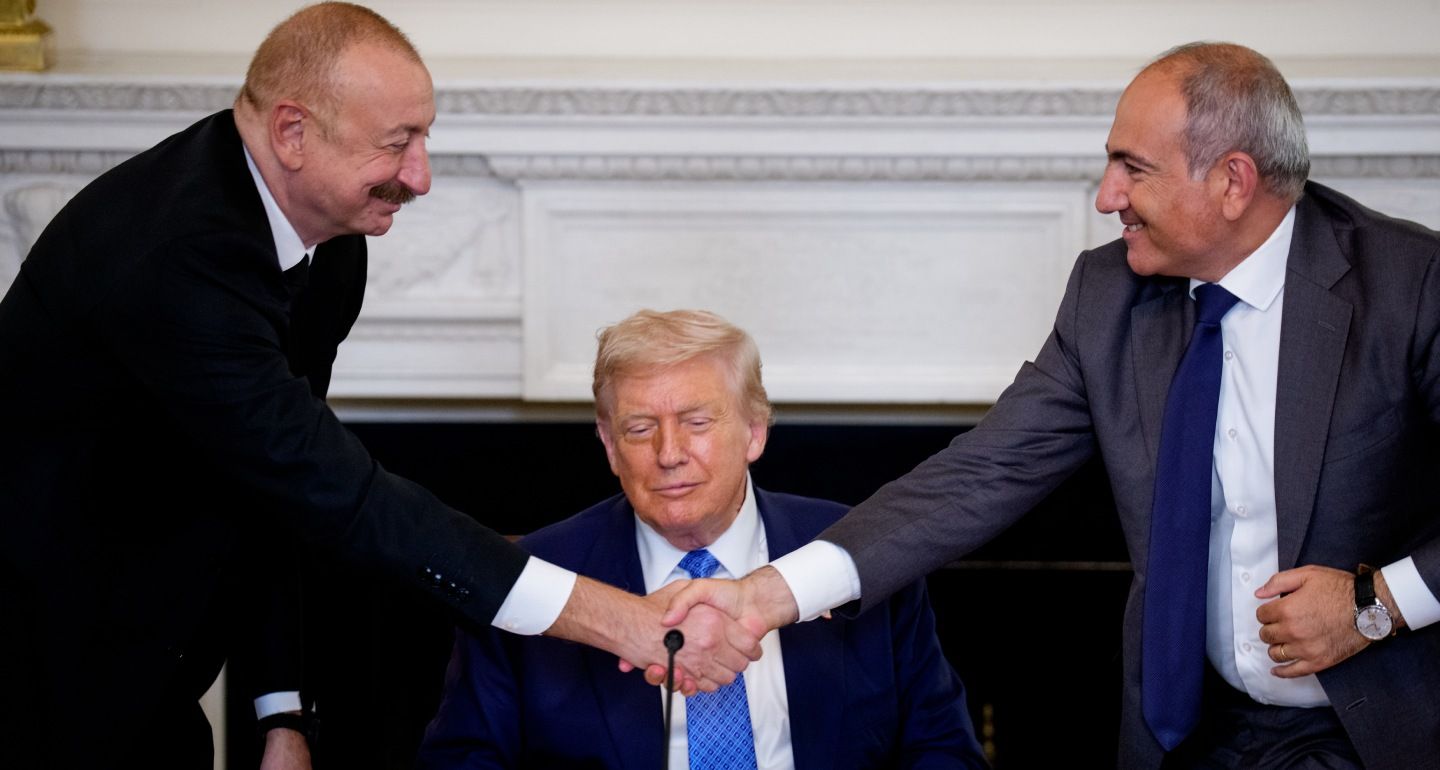
While signaling internationally that it wants peace, the Azerbaijani regime continues to promote anti-Armenian sentiment at home to mobilize domestic support.
Bashir Kitachaev

In an attempt to stop Ukrainian drones from reaching their targets, the Russian authorities have significantly ramped up online repression.

Maria Kolomychenko
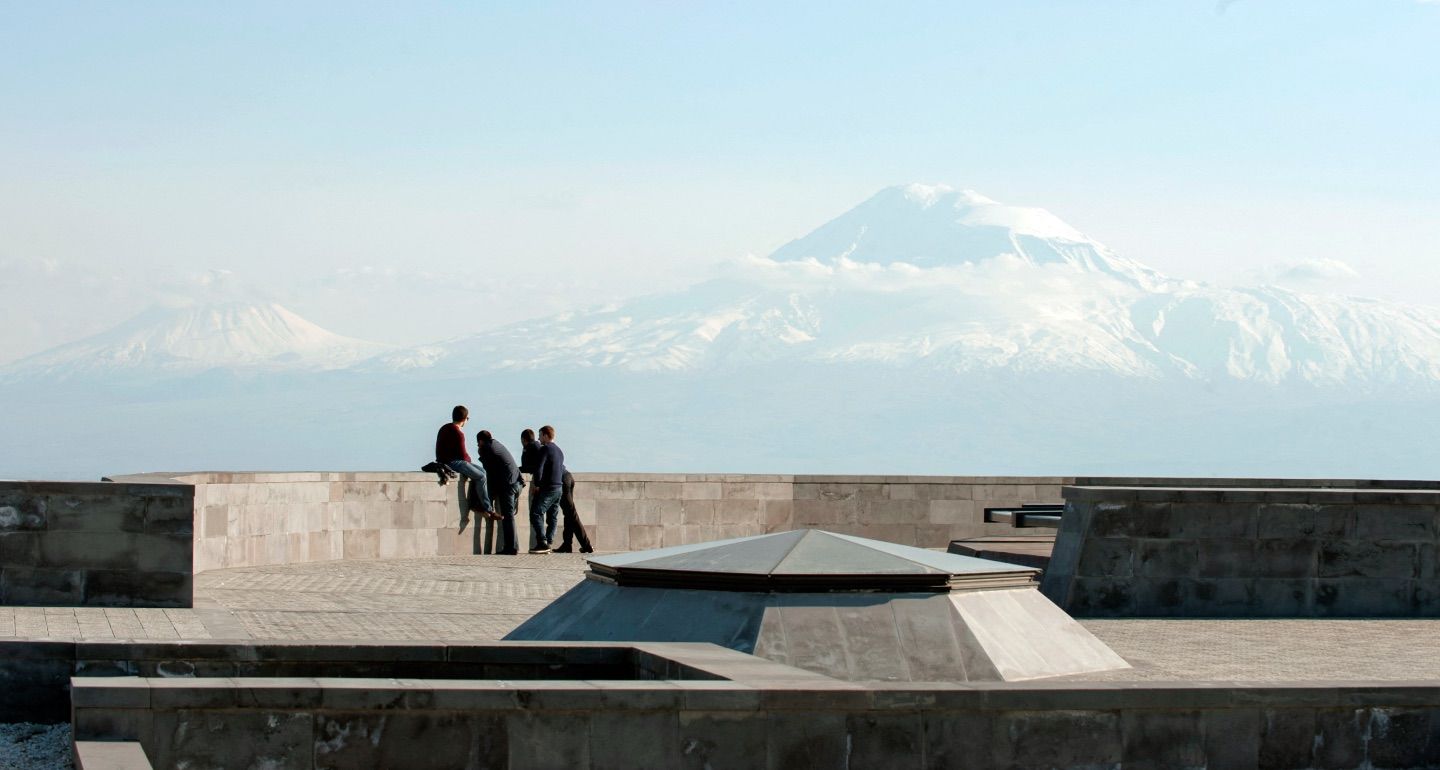
The Armenian government’s efforts to reshape foreign policy after Baku seized control of Nagorno-Karabakh require the country to grapple with its national identity: something far from all Armenians are prepared to do.
Mikayel Zolyan